How Neglecting Eye Health Nearly Cost Me My Vision
By a Personal Essayist
It’s easy to take healthy eyes for granted—until a vague discomfort flares into a crisis that threatens your most precious sense. This is a firsthand account of almost losing my sight to a silent infection, untangling how beauty rituals, busy schedules, and a little ignorance set the stage, and showcasing what I learned from doctors about safeguarding one’s vision.
Why We Ignore the Small Stuff
Like many, I saw my beauty routine as mundane maintenance: a little makeup in the morning, a quick cleanse at night, occasionally skipping steps if I was bone-tired. I’d gotten expert at rapid cosmetic application and even more expert at ignoring minor irritations. A stye here, a little redness there—who hasn’t powered through, assuming that with a bit of willpower and a heavy hand with concealer, everything will sort itself out? At the time, I never suspected that habit could be so costly.
When Annoyances Turn Dangerous
What began as a faint scratchiness in my right eye quickly escalated. At first, I dismissed it as a fluke: maybe I’d left mascara on by accident, or perhaps those indoor allergies. A day later, my eye was throbbing, red, and impossibly sensitive to light. Squinting through the pain at my mirror, I speculated wildly—an eyelash in the wrong place, a mild infection, possibly a rogue contact lens. It never crossed my mind that the real issue would upend everything.
Powering Through the Pain
- I kept going out, piling on makeup to hide the irritation.
- Work deadlines and social obligations took priority over my discomfort.
- I convinced myself I was overreacting, that a home remedy or sleep would solve it.
But within 36 hours, my eye swelled shut. Suddenly, blurry vision and stabbing pain overwhelmed my stubbornness. That’s when panic blurred into reality: this was more than a little dryness or a cosmetic misstep. This was an emergency.
The Doctor’s Verdict: More Than Skin Deep
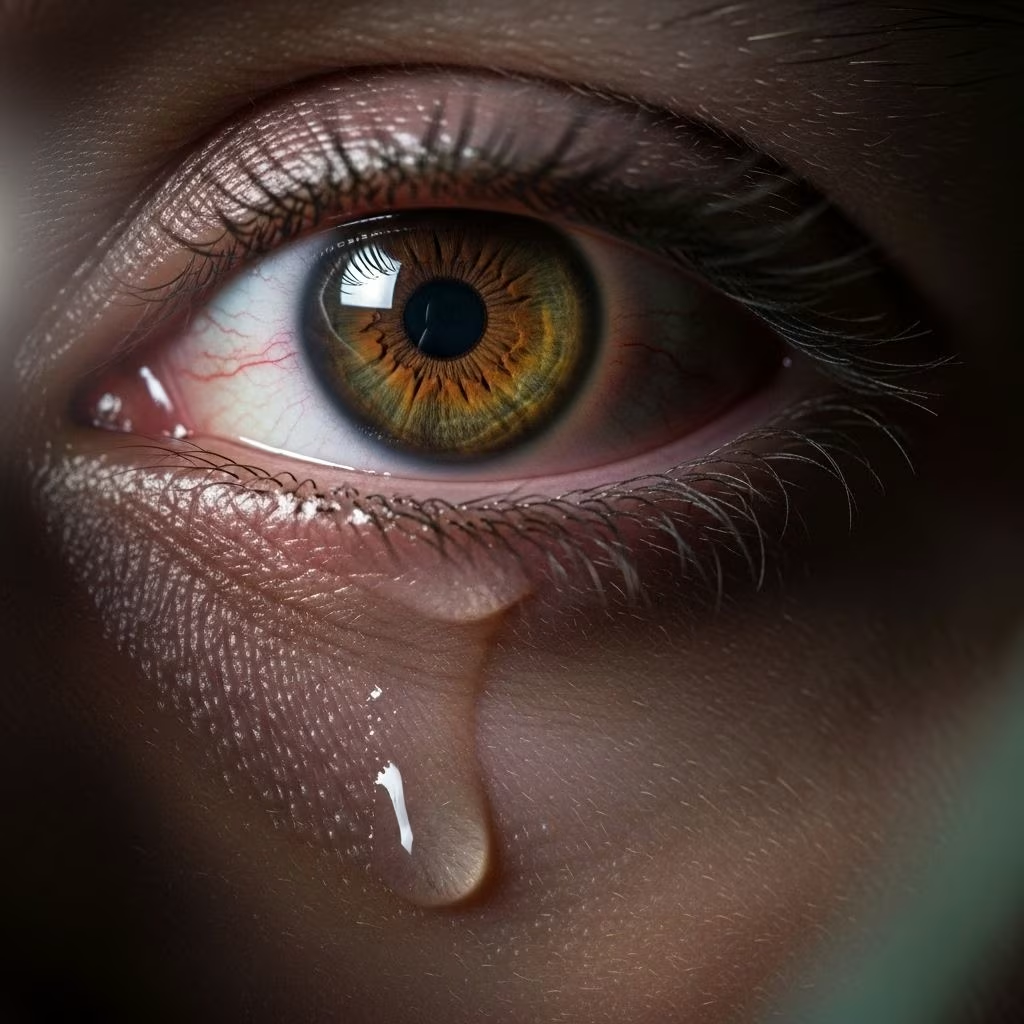
I sat, teary-eyed (literally and figuratively), in my ophthalmologist’s fluorescent-lit office, trying to minimize my predicament. He was not amused. After a thorough examination, his diagnosis was stark: a severe corneal ulcer, caused by bacteria probably introduced through touching my face with makeup or failing to properly remove eye products. Infections like this, he told me, could eat away at the cornea, causing scarring, permanent vision loss, or even blindness if untreated.
His prescription was sobering:
- Immediate, aggressive antibiotic eye drops—every half hour, around the clock.
- No eye makeup, no contacts, and absolutely no rubbing my eyes.
- Follow-up appointments every 48 hours to monitor healing and prevent complications.
The reality hit: this was a direct result of my own negligence, layered over with a beauty routine that paid lip service to hygiene but ignored deeper risks.
The Beauty Mistakes That Put Eyes at Risk
This ordeal forced me to confront truths that rarely get mentioned in glossy makeup tutorials. The beauty hacks and Instagram-ready looks are rarely paired with warnings about infection, injury, or how easily small missteps can snowball into medical emergencies. Here’s what I wish I had known sooner:
Common Beauty Blunders That Threaten Eye Health
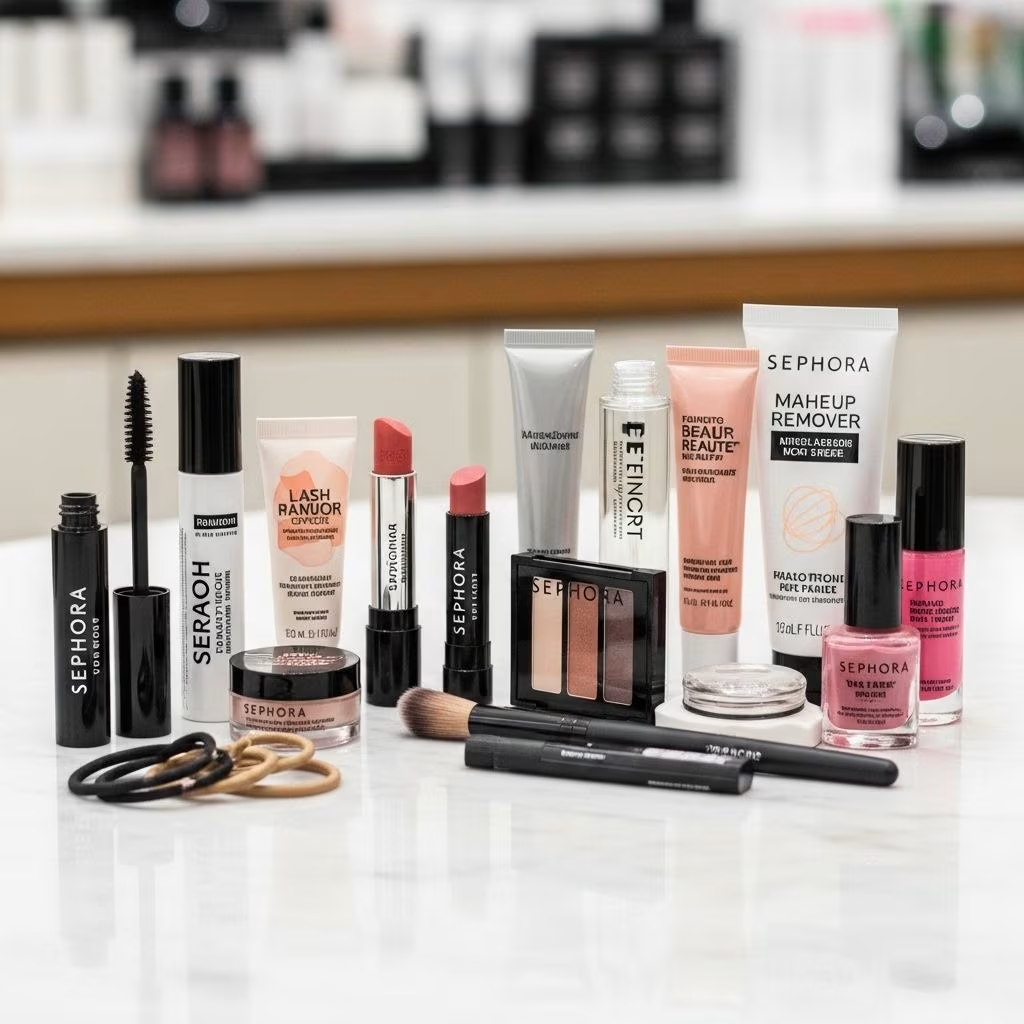
- Skipping Makeup Removal: Leaving mascara, eyeliner, or shadow on overnight allows bacteria to flourish and blocks natural oil glands, raising the risk of styes and infections.
- Sharing Products: Swapping eye makeup with friends spreads bacteria and viruses, increasing risk for pink eye and worse.
- Using Old Products: Expired mascara and eyeliner are breeding grounds for bacteria.
- Ignoring Expiration Dates: Changing products seasonally, but not tossing old tubes, exposes eyes to unseen risks.
- Applying Makeup in Unsanitary Settings: On subways, in rideshares, or gym bathrooms—places crawling with germs—rubbing makeup into eyes with less-than-clean hands is a recipe for trouble.
- Neglecting Eye Brushes: Dirty brushes gather grime and can introduce dangerous microbes onto delicate ocular tissue.
- Wearing Contacts Too Long: Overextending wear, or skipping proper lens cleaning, turns a vision aid into a bacterial delivery system.
The Link Between Beauty and Infection
According to ophthalmologists, the thin, sensitive skin and mucous membranes around the eyes are highly susceptible to infection. Any small scratch or leftover product can serve as an entry point for bacteria. The CDC and leading eye specialists recommend never using products past their expiry, always washing hands before touching eyes, and disinfecting or replacing brushes often. In my case, a careless eyeliner pencil and skipped nightly cleanse were the likely culprits.
What Happens During a Corneal Infection?
While my experience was frightening, I learned how quickly eye infections progress and why immediate treatment is crucial:
- Corneal ulcers develop when debris or bacteria create an open sore on the clear front surface of the eye, leading to pain, blurred vision, and in severe cases, vision loss.
- Early symptoms—redness, sensitivity to light, watery discharge—are often mistaken for allergies or mild irritation.
- Neglect allows infection to burrow deeper, causing scarring and permanent damage.
- Prompt, professional intervention can mean the difference between full recovery and lifelong complications.
Expert Advice: How to Protect Your Eyes in Every Routine
Major takeaways from recovery and conversations with eye doctors:
- Always wash hands thoroughly before applying any makeup or touching the eye area.
- Never sleep in makeup.
- Replace eye cosmetics every three months, regardless of how much is left.
- Don’t share makeup—not even in a pinch.
- Disinfect tools regularly and let them dry completely before use.
- Seek medical attention promptly if you notice pain, redness, excessive tearing, or changes in vision.
- Listen to your body: Don’t dismiss signals like discomfort as mere annoyances—they could be early warnings.
A New Perspective: Lessons, Regrets, and Renewed Respect for Eye Health
Sleepless nights spent administering medicated drops gave me time to reflect: It’s astonishing how we cut corners in the name of saving time or keeping up appearances. Talk to any ophthalmologist, and they’ll tell you: nearly all cosmetic-related eye infections are preventable. We just have to take the risks seriously.
If you think you’re immune, consider how often you’ve skipped a little step in the name of convenience—rushed out the door with yesterday’s mascara smudged under your lashes, or touched up liner with half-washed hands at a crowded bar. These seem like harmless shortcuts—until they’re not.
How to Build Vision-Safe Beauty Habits
- Make a nightly cleanse non-negotiable—no matter how tired you are.
- Set recurring reminders to check product expiry and swap out old makeup.
- Keep travel-sized disinfectant wipes in your makeup bag for cleaning brushes and hands on the go.
- Give your eyes a weekly ‘rest day’ with no makeup to let them breathe.
- If you wear contacts daily, schedule regular exams to monitor eye health.
Frequently Asked Questions: Eye Health and Beauty
Q: What are the earliest signs of an eye infection due to makeup?
A: Redness, swelling, gritty or burning sensations, unusual discharge, light sensitivity, and discomfort that doesn’t go away are classic signs you should not ignore.
Q: Can expired mascara really harm my eyes?
A: Yes—old or contaminated products can harbor bacteria or fungi that cause severe infections.
Q: How often should I replace my eye makeup?
A: Replace mascara and liquid liner every 3 months, and other eye products as soon as they dry out, smell odd, or reach their expiry date.
Q: What should I do if I accidentally share my makeup?
A: Stop using the product immediately, monitor for symptoms, and replace it as soon as possible to prevent spreading germs.
Q: Is there a way to safely wear eye makeup every day?
A: Yes—just prioritize clean tools, fresh products, thorough removal, and regular eye check-ups.
What My Health Scare Taught Me
Having flirted with blindness, I now view every aspect of my beauty and self-care routine differently. The price of ignoring symptoms, skipping cleanser, or keeping old makeup is simply too high. Today, my eyes are healthy, but my habits are transformed—and I hope that sharing this journey will help others avoid ever having to learn these lessons the hard way.
Remember: Vigilance and care protect not just your looks, but your lifelong ability to see the world in all its beauty.
References
- https://www.cosmopolitan.com/entertainment/tv/a42153747/love-is-blind-essay-critique/
- https://www.scribd.com/document/827518151/OceanofPDF-com-Cosmopolitan-USA-The-Love-Issue-Spring-2025-Cosmopolitan-USA
- https://www.cosmopolitan.com/sex-love/a63679179/political-beliefs-dating-app-experiment/
- https://tsl.news/opinions1311/
- https://library.oapen.org/bitstream/handle/20.500.12657/76174/9780472903931.pdf?sequence=1&isAllowed=y
- https://www.psychologytoday.com/us/blog/comparing-modalities/202305/why-are-we-blinded-by-love