Vintage Cosmopolitan Mustaches: An Enduring Grooming Legacy
In the annals of style history, few trends have proven as memorable—or as unpredictable—as the mustache. From glitzy Hollywood icons to everyday dreamboats, Cosmopolitan magazine has long celebrated the quirkiest and most iconic facial hair. Let’s travel back through time and uncover the fascinating world of vintage mustaches as showcased in classic issues of Cosmo. Expect tales of wild grooming, eyebrow-raising styles, and genuine cultural influence.
A Time When Mustaches Ruled the World
Mustaches have strutted through nearly every decade, leaving their mark on fashion and pop culture. Cosmopolitan has consistently highlighted these bold facial flourishes, reflecting both their mainstream popularity and eclectic variety. From pencil-thin strips to lush handlebars, the mustache has served as everything from a rebellious flair to a way of radiating unshakeable confidence. What started as mere grooming soon became a wildly individual statement, and Cosmo’s vintage pages are a testament to just how influential—and sometimes outrageous—those whiskers could be.
- Early 20th century: Pencil-thin and toothbrush mustaches emerge, adding a sharp look to Hollywood actors and dapper gents alike.
- Mid-century mania: Full and angular mustaches represented adventure, intellect, and swagger, celebrated in classic advertisements and lifestyle spreads.
- 1970s & 1980s: Bolder, bushier mustaches dominate, featured on magazine covers and trendsetters read by millions.
The Gallery of Iconic Mustaches
Let’s relive some of the most unforgettable vintage mustaches immortalized in Cosmo, breaking down why they matter and what made them headline-worthy. Each style brought with it a backstory—sometimes dashing, sometimes laughable, but always memorable.
The Pencil Mustache: Sleek Sophistication
Synonymous with 1930s debonair, the pencil mustache appeared on the faces of matinee idols who defined cool. Trimmed to perfection above the lip, this mustache spoke of dedication to detail—and an unwavering pride in one’s look. Cosmopolitan spreads from this era and beyond celebrated the pencil mustache worn by leading men, explaining the meticulous routines required for such precision styling.
- Signified sophistication and meticulous grooming.
- Popular among Hollywood stars such as Clark Gable.
- Required daily maintenance with sharp razors and combs.
The Toothbrush Mustache: From Chaplin to Notoriety
This daring, rectangular patch sparked both admiration and controversy. Though the toothbrush mustache was once a symbol of modernity and industrial neatness—made famous by comedians like Charlie Chaplin—it later acquired a much darker legacy due to its association with Adolf Hitler. Before World War II, Cosmo featured this mustache as a quirky, almost futuristic style, but postwar attitudes rendered it a rare sight, only seen in satirical or historical retrospectives.
- Charlie Chaplin: Used the style for comedic effect, becoming a global icon.
- Public perception shift: Became infamous due to Hitler’s adoption of the look.
- Cosmo’s verdict: Bold, but ultimately too controversial for mainstream come-back.
The Handlebar: A Curl of Swagger
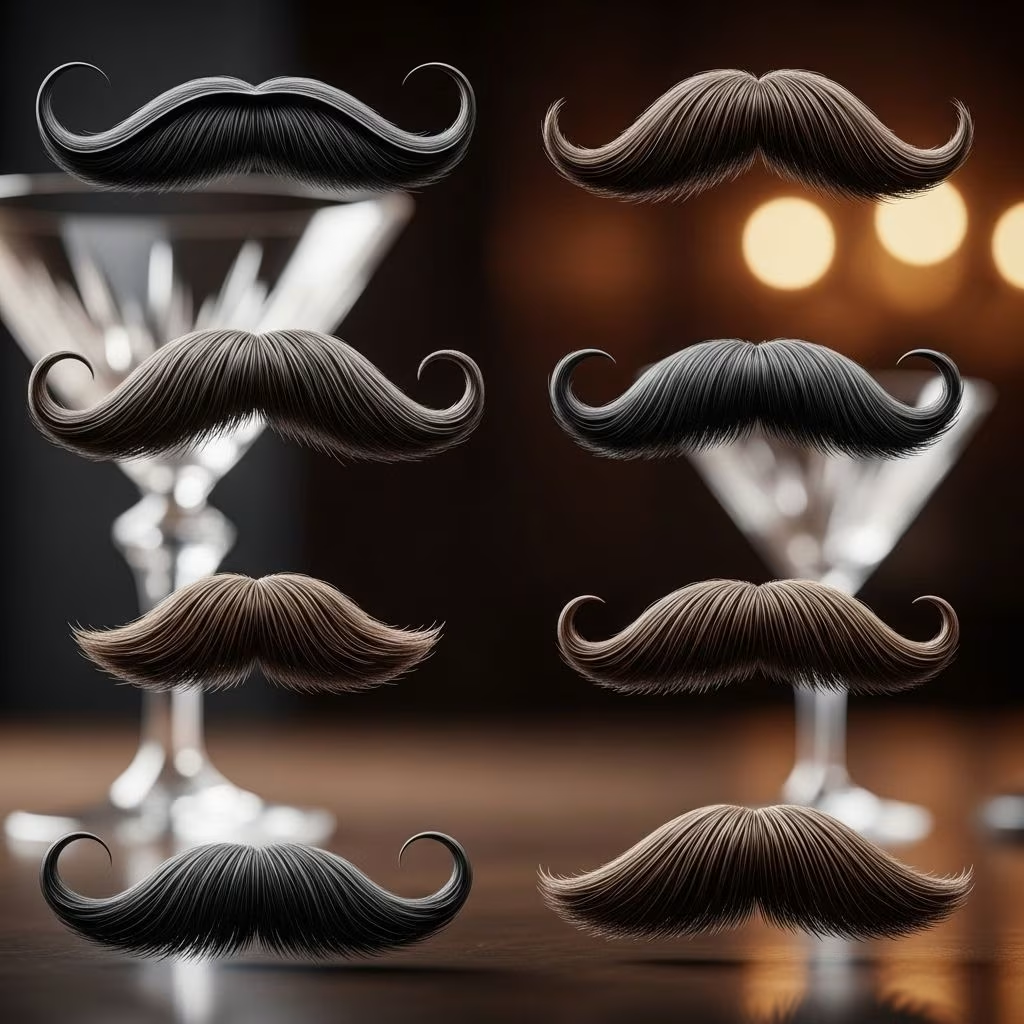
The handlebar mustache has long signified adventure, masculinity, and a certain whimsical boldness. Its curled tips require grooming prowess and a dash of derring-do. Classic Cosmo issues frequently celebrated this style, often pairing it in spreads with rugged outdoorsmen and gallant heroes. The handlebar never truly faded from favor; it returned every time facial hair made a cultural resurgence.
- Signature curl: Created with wax and combs, a true test of dedication.
- Social symbol: Suggestive of a playful, yet assertive, personality.
- Famous wearers: Men in both high society and counter-culture circles.
The Chevron: ‘70s Rebellion and Rugged Glamour
Nothing defines a ‘70s heartthrob quite like the chevron mustache—thick, bold, and impossibly masculine. Cosmopolitan readers loved this expressive style, especially as seen in the era’s most celebrated actors and musicians. The chevron’s broad, full sweep projected both authority and free-spiritedness, an irresistible combination for the decade’s fans.
- Exudes confidence and a laidback cool.
- Low-maintenance in terms of shaping, but requires commitment to fullness.
- Sported by iconic figures such as Tom Selleck and Burt Reynolds.
Behind the Whiskers: Mustache Maintenance and Cultural Significance
Vintage Cosmopolitan issues not only admired the mustache as a style statement but also delved into practical advice and social commentary. Here’s what set mustache grooming apart in those earlier decades—and what Cosmo secretly taught its readers about cultivating the ideal ‘stache.
Essential Mustache Grooming Tips (the Vintage Way)
- Precision trimming: Invest in a fine-tooth comb and small scissors for daily shaping.
- Waxing wisdom: Old-school mustaches called for beeswax or petroleum jellies for curl and hold, essentials in any 20th century grooming kit.
- Patience pays off: Growing a masterful mustache took time and the occasional awkward stage, a rite of passage Cosmo adored reporting on.
- Health and hygiene: Cleanse regularly and condition to avoid unsightly food crumbs and dryness.
Tables: Key Mustache Styles and Their Notable Moments
| Mustache Style | Notable Wearers | Era of Fame | Cosmo’s Take |
|---|---|---|---|
| Pencil | Clark Gable, Errol Flynn | 1930s–1940s | Refined, charismatic leading men |
| Toothbrush | Charlie Chaplin, Adolf Hitler | 1920s–1940s | Quirky to infamous |
| Handlebar | Wyatt Earp, 1970s hipsters | Victorian, 1970s–present | Bold adventurer, mischievous charm |
| Cheron | Burt Reynolds, Tom Selleck | 1970s–1980s | Virile, charismatic icons |
The Personalities Behind the Mustaches
What do vintage Cosmopolitan mustaches say about the men who wore them? According to Cosmo tradition, mustaches are more than facial adornment—they’re about conveying authenticity, rebelliousness, or pure comedic bravado.
- The Dapper Gentleman: Prized neat, thin mustaches that suggested fastidiousness and sartorial excellence.
- The Rugged Outsider: Preferred hearty, untamed styles—a mustache you could trust to split firewood.
- The Comedian or Trickster: Wore the mustache as a prop, an enhancer of persona.
- The Political or Cultural Influencer: Sometimes, a mustache signaled activism, protest, or counter-cultural ideals.
Unexpected Mustache Stories from the Cosmo Vault
- A 1950s Cosmo profile described the mustache as “a passport to adventure.”
- One cheeky 1970s article suggested certain mustaches made men “7% more mysterious, 35% more likely to land a second date.”
- Classic etiquette columns warned that “inappropriate whisker twirling may result in strong opinions at dinner parties.”
- Mustache care features advised on overcoming the dreaded “milk-foam conundrum” for breakfast-in-bed lovers.
Mustaches in Pop Culture: From Silver Screens to Everyday Scenes
Vintage Cosmopolitan never missed the chance to analyze how mustaches shaped movies, music, and even advertisements. Some issues featured roundups of “Best Mustache Moments in Cinema,” while others declared the mustache a “must-try accessory” for every season.
Recurring Pop Culture Trends
- Hollywood leading men: Mustaches as symbols of heroism or comic intrigue.
- Rock and roll rebels: Borrowed classic mustache styles and rebranded them as edgy and modern.
- Advertising icons: Classic mustaches in shaving ads or grooming products.
- Comic relief: Satirical depictions, from slapstick Chaplin imitations to fake costume mustaches.
Influence on Women’s Style Columns
Cosmo’s vintage women’s advice columns included playful discussions of mustaches—from debating whether ‘stubble is trouble’ to evaluating the allure of a full handlebar. Some columns jokingly offered “mustache compatibility” quizzes or declared handlebar fans as “adventurous in spirit if nothing else.”
Frequently Asked Questions (FAQs) About Vintage Mustaches
Q: Why were mustaches so popular in past decades?
A: Mustaches signified a spectrum of personality traits, from sophistication to rebellion, often mirroring broader cultural trends. They were also practical symbols of adulthood, maturity, and, at times, non-conformity.
Q: Which mustache styles did Cosmopolitan feature most frequently?
A: Cosmo’s vintage pages most often displayed the pencil, handlebar, chevron, and, for a brief time, the toothbrush mustache. Each had moments in the cultural spotlight, rising and falling with changing tastes.
Q: Did Cosmopolitan offer tips for growing and maintaining a mustache?
A: Yes! Classic Cosmo offered detailed advice on mustache care, recommending specific tools, grooming routines, and even advice for overcoming awkward growth phases.
Q: Are vintage mustache styles making a comeback?
A: Several classic mustache styles, like the handlebar and chevron, are enjoying renewed popularity as retro grooming cycles back into fashion. Modern grooming products make maintenance easier than ever.
Q: Who were the most famous mustachioed men featured in Cosmo?
A: Celebrities like Clark Gable, Burt Reynolds, Tom Selleck, and Charlie Chaplin received classic Cosmo tributes for their trend-setting facial hair.
The Legacy Lives On
Mustaches are legendary not just for their flair, but for the bold personalities and unforgettable stories behind them. By celebrating everything from quirky pencil ‘staches to sweeping handlebars, Cosmopolitan helped define the aesthetics of every era. Today, vintage mustaches remain an emblem of timeless charisma, a playful wink from the past, and a source of ongoing style inspiration.
References
- https://www.evergreenbeauty.edu/blog/the-55-best-mustaches-in-history/
- https://en.wikipedia.org/wiki/Toothbrush_moustache
- https://www.cosmopolitan.com/entertainment/news/a48108/burt-reynolds-cosmo-classic/
- https://www.alamy.com/stock-photo/cosmopolitan-magazine.html
- https://www.etsy.com/listing/1464364420/1910-vintage-cosmopolitan-magazine-vol
- https://www.etsy.com/market/cosmopolitan_magazine_vintage?page=3
- https://oasis.library.unlv.edu/cgi/viewcontent.cgi?article=3382&context=thesesdissertations