Why Wearing a Native American Headdress at Music Festivals Is Offensive—and What You Need to Know
Every summer, music festivals gather crowds from around the world to celebrate art, sound, and self-expression. Among the colorful outfits and eclectic fashion trends, one particular accessory has become highly controversial: the Native American headdress. To some, it may be a bold and beautiful statement. For others, however, it carries deep, uncomfortable weight due to its cultural and historical significance. This article unpacks why donning a Native American headdress as festival fashion is offensive, explains the roots and meaning of headdresses within Indigenous communities, and offers respectful alternatives for festival-goers.
The Roots: What Is a Native American Headdress?
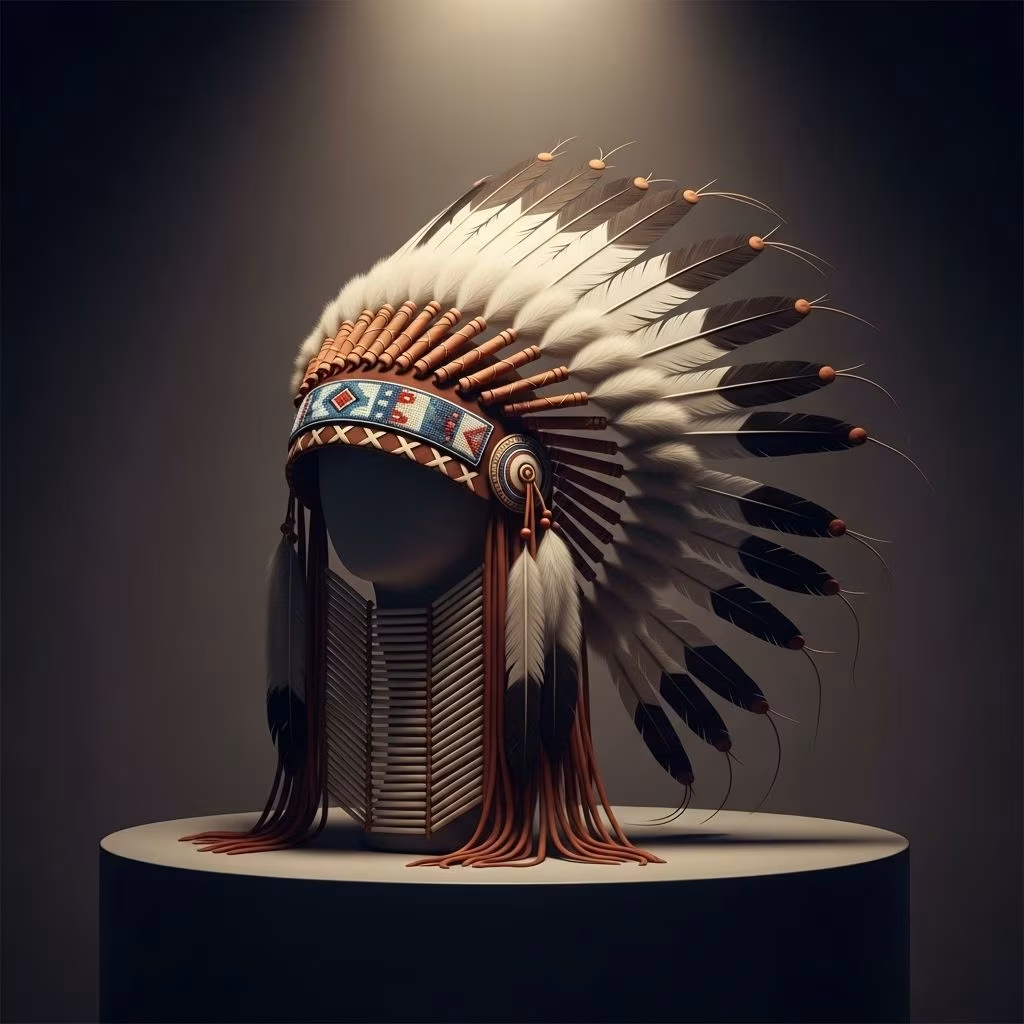
Native American headdresses are not simple accessories or decorative hats. They are sacred objects, often imbued with profound spiritual, cultural, and social significance. Traditionally, these headdresses vary widely from tribe to tribe and serve as a visible mark of respect, honor, and achievement within Indigenous nations across North America.
- Types and Styles: From the feathered war bonnets of the Plains tribes to beaded headbands and roach headdresses, headdress styles are unique to each culture and region.
- Construction: Made from eagle, hawk, or other significant feathers, with leather, beadwork, and quills, the construction process is intricate and can take weeks or months.
- Ceremonial Use: Headdresses are reserved for specific ceremonies, celebrations, and rites of passage—not daily or casual wear.
The Meaning: Why Are Headdresses So Important?
The power of a headdress lies in its symbolic weight. Each feather or decoration represents a specific act of bravery, leadership, or contribution to the community. Earning the right to wear one involves ritual, recognition, and sacrifice.
- Sign of Status and Honor: Only tribal leaders, respected elders, or warriors who have demonstrated extraordinary service or valor could earn the right to wear a headdress.
- Spiritual Connection: Many Indigenous peoples believe the feathers carry prayers to the Creator, and the headdress acts as a bridge between spiritual and earthly realms.
- Personal and Communal Achievement: Each element tells a personal story but also contributes to the tribe’s broader narrative and memory.
- Not for Sale or Mass Production: Authentic headdresses cannot be bought—they must be earned and are often handmade by the individual’s family, friends, or tribal community.
The Problem: Cultural Appropriation at Music Festivals
Recent years have seen an uptick in non-Indigenous people wearing Native American headdresses at music festivals like Coachella, Glastonbury, and Burning Man. While often intended as an expression of free spirit and admiration for Indigenous culture, this trend is steeped in cultural appropriation—the adoption of elements from a marginalized or oppressed culture by people outside of that culture, usually without understanding or respect for its origin or meaning.
Why Is This Harmful?
- Loss of Sacredness: Wearing a headdress as a fashion statement strips it of its sacred context, reducing a potent symbol of honor and spirituality to a mere costume or accessory.
- Stereotyping and Misrepresentation: The act perpetuates stereotypes about Native American peoples, presenting their diverse cultures as monolithic and reducing complex identities to superficial imagery.
- Historical Trauma: For many Indigenous communities, these acts serve as painful reminders of colonization, forced assimilation, and centuries of cultural erasure.
- Exclusion from Their Own Culture: Ironically, many Indigenous people face discrimination or ridicule when they wear their traditional regalia, while non-Natives are celebrated for appropriating the same attire.
What Is Cultural Appropriation?
Cultural appropriation is a term used to describe the unacknowledged or inappropriate adoption of the customs, practices, ideas, or symbols of one group by members of another, typically more dominant, group. It often:
- Involves a power imbalance between cultures.
- Capitalizes on the aesthetics of a marginalized culture while disregarding its meaning and origins.
- Perpetuates disrespect and erasure rather than connection or fair exchange.
Not All Inspiration Is Respectful
There is a difference between appreciating another culture and appropriating elements from it. True appreciation requires understanding, consent, and respect. Simply put, appreciation uplifts, supports, and gives back to the original community; appropriation often exploits or misrepresents it.
Frequently Asked Questions About Native American Headdresses
Q: Who is allowed to wear a Native American headdress?
A: Only those who have earned the honor through acts of bravery, leadership, or service, and who are officially recognized by their tribe, may wear a headdress. This includes certain leaders, elders, and warriors within specific Indigenous nations.
Q: Are all Native American headdresses the same?
A: No. Headdress styles, meanings, and rituals differ from tribe to tribe. Some tribes, such as the Sioux, are known for the iconic feathered war bonnet, while others have roach headdresses, beaded bands, or ANTLER crowns. Each is unique in form and meaning.
Q: Why is it disrespectful for non-Native people to wear a headdress?
A: Non-Native use of headdresses often overlooks their sacred significance, earning, and ritual context. It trivializes Native traditions and perpetuates harmful stereotypes.
Q: Is it ever okay to wear a Native headdress if you admire the culture?
A: While admiration is welcome, wearing a headdress is not appropriate unless you have been officially bestowed one by an Indigenous community, which is exceedingly rare for non-Native people. Support Native artists and learn about the culture in more respectful ways.
How to Appreciate Indigenous Culture Without Appropriation
If you find yourself drawn to Indigenous artistry, spirituality, or history, there are many meaningful—and respectful—ways to honor and support these communities:
- Support Native Artists: Buy jewelry, clothing, beadwork, and crafts directly from Indigenous creators.
- Educate Yourself and Others: Read books by Native authors, follow Indigenous voices online, and attend educational workshops or cultural events (when invited).
- Donate and Volunteer: Contribute to Indigenous organizations fighting for cultural preservation, land rights, and social justice.
- Listen: Uplift the voices and experiences of Native people in conversations about their culture.
What About DIY Festival Fashion? Alternatives to Headdresses
Expressing yourself at music festivals is still possible without appropriating sacred symbols.
- Flower crowns, headbands, glitter, or colorful hats inspired by contemporary and global street fashion are all expressive without causing harm.
- Craft unique accessories using non-cultural symbols—focusing on DIY artistry, upcycled materials, or surreal, futuristic elements.
- Draw inspiration from your own heritage and family traditions for meaningful festival attire.
- Be mindful and intentional about what you wear, always doing quick research if you’re unsure of something’s deeper cultural meaning.
Real Voices: What Indigenous People Say About Headdress Misuse
Native activists, artists, and community leaders have repeatedly called on festival organizers and attendees to end the practice of wearing headdresses as costumes.
“It’s more than just a hat. It’s a legacy. When you put on a headdress, you’re putting on the story and spirit of our people—and that shouldn’t be for sale.”
Some festivals have taken concrete steps, banning headdresses on their grounds and encouraging guests to think critically about cultural sensitivity. Such policies are promoted as efforts to celebrate inclusivity without erasure or offense.
Table: Comparison of Appreciation vs. Appropriation
| Appreciation | Appropriation |
|---|---|
| Supporting Indigenous artists by purchasing authentic beadwork or jewelry | Buying mass-produced ‘Native-inspired’ products from non-Native businesses |
| Attending a powwow with permission to learn and honor the traditions | Wearing sacred headdresses as fashion without knowledge of their meaning |
| Amplifying Native voices and experiences | Speaking over or misrepresenting Indigenous perspectives |
| Learning about cultural practices from credible Native sources | Using cultural symbols for aesthetics or commercial gain |
How Festivals Are Addressing the Issue
Many major music festivals have created explicit policies forbidding the wearing of Native American headdresses:
- Glastonbury Festival: Officially banned Indigenous style headdresses out of respect and at the request of Indigenous advocates.
- Other Festivals: Increasing numbers are following suit, with presences of educational signage and diversity initiatives.
The message is clear: there is no place for cultural appropriation in spaces that claim to champion creativity, respect, and diverse voices.
The Takeaway: Why Your Choices Matter
Wearing a Native American headdress does more than just make a fashion statement—it perpetuates stereotypes, trivializes sacred traditions, and contributes to the continued marginalization of Indigenous people. The best way to honor Native American heritage is to support Indigenous creators, advocate for Indigenous rights, and educate yourself and your community. By making thoughtful and respectful choices, you help create inclusive, celebratory spaces for everyone at festivals and beyond.
Frequently Asked Questions (FAQs)
Q: Are there any Native American tribes that allow non-Natives to wear their headdresses?
A: No. In almost all cases, headdresses are reserved for members of a specific tribe who have earned the right through acts of service or bravery. Non-Native people are not entitled to wear these sacred items.
Q: What should I do if I see someone wearing a headdress at a festival?
A: If you feel comfortable, politely explain why the act is disrespectful, and encourage the person to learn more about the issue. Many festivals now have staff trained to address such concerns.
Q: How can I learn more about Indigenous cultures and support them?
A: Start by following and supporting Native activists and artists online, reading books by Native authors, and participating respectfully in open cultural events and fundraisers.
Q: Can I wear Native-inspired fashion accessories?
A: Only if they are made by Indigenous designers and do not replicate sacred symbols. Always buy from Native artists and ensure your purchase is respectful and ethical.
References
- https://www.ebsco.com/research-starters/political-science/headdresses-native-american-culture
- https://indianheaddress.com/blogs/native-american-arts-and-crafts/16250647-cultural-adoption-meaning-the-indian-headdress-as-a-symbol
- https://indians.org/articles/indian-headdress.html
- https://www.youtube.com/watch?v=jifVr5z0D5M
- https://tribaltradeco.com/blogs/teachings/the-significance-of-the-native-american-headdress
- https://indiantraders.com/blogs/news/native-american-headdresses-sacred-to-culture
- https://en.wikipedia.org/wiki/War_bonnet
- https://www.monah.org/historic