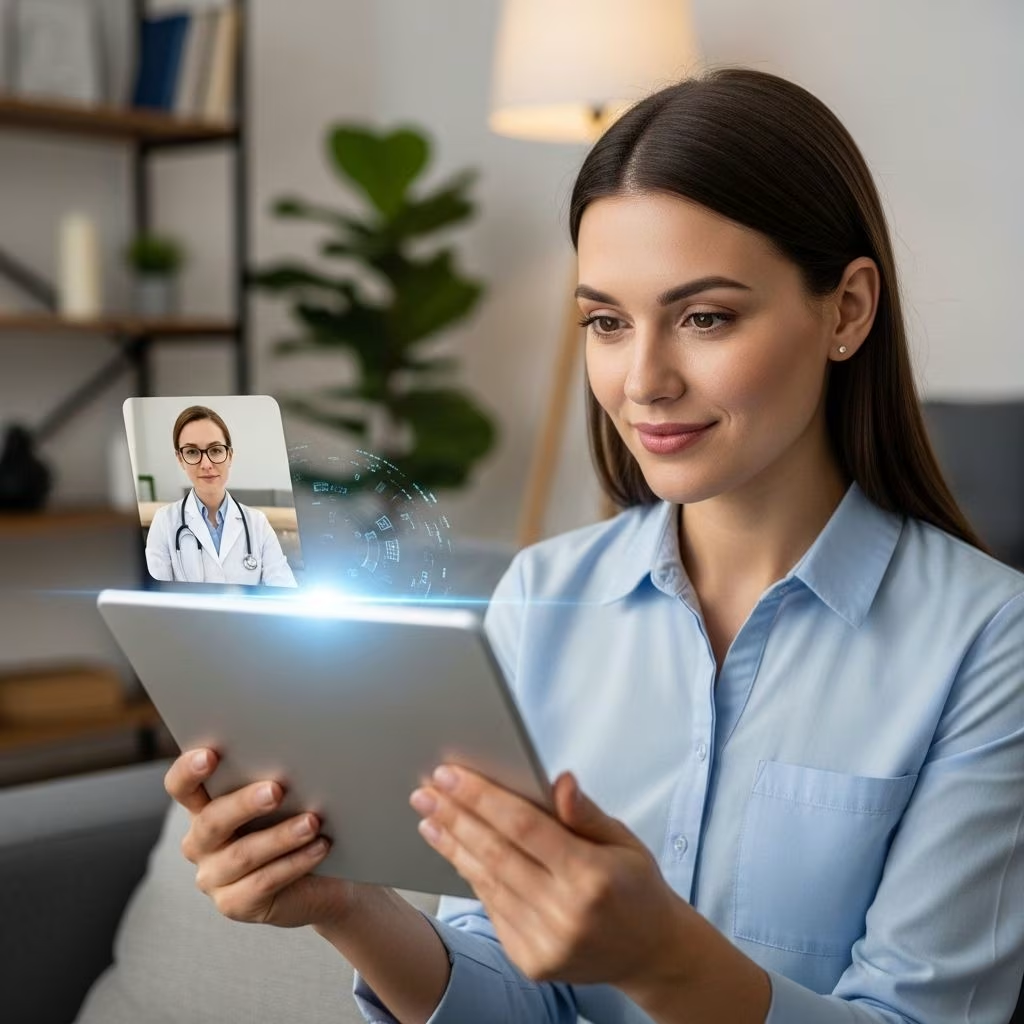
Virtual Dermatology: The New Era of Skin Care
Virtual dermatology, also known as teledermatology, is rapidly transforming how patients access skin care. Remote video appointments, secure online portals, and digital imaging have made it easier than ever to consult with expert dermatologists from your home. Whether you need advice for a stubborn rash, ongoing management of acne, or a quick expert opinion on a new spot, virtual appointments offer flexibility, speed, and high-quality care in the digital age.
What Is Virtual Dermatology?
Virtual dermatology leverages secure digital technologies to connect patients and dermatologists remotely. Through video calls, secure messaging, and photo uploads, board-certified providers assess, diagnose, and treat a range of skin, hair, and nail conditions without requiring in-person visits. This patient-centered approach presents an attractive alternative to traditional in-office appointments, especially for those managing chronic conditions or living far from specialty clinics.
- Remote consultations reduce the need for travel
- Efficient scheduling eliminates waiting room delays
- Digital images and secure platforms enable thorough evaluations
- Treatment plans and prescriptions are delivered online, often same-day
This approach is fundamentally changing the way skin health is delivered, making it more convenient, accessible, and safe for all.
How Virtual Dermatology Works
Booking a virtual dermatology appointment is designed to be simple and user-friendly. Here is a general step-by-step process:
- Schedule Online: Choose an available time through the clinic’s portal or telehealth platform.
- Provide Medical History: Share your skin concern, previous treatments, and relevant medical background (often through an online form).
- Upload Photos: High-quality photos of your skin issue are often requested ahead of time so the dermatologist has a clear view before your consultation.
- Attend Video Visit: Meet the dermatologist via a secure, HIPAA-compliant video call, where you discuss your symptoms and may show your skin for further examination.
- Get Diagnosis & Treatment: The doctor provides a diagnosis, recommends a treatment plan, and can send prescriptions to your preferred pharmacy if needed.
- Follow-up: Depending on your condition, you may schedule a follow-up virtual visit, or, if necessary, an in-person appointment for further testing or procedures.
These platforms safeguard privacy and confidentiality, ensuring medical data is protected throughout the process.
Benefits of Virtual Dermatology Appointments
Virtual dermatology offers a host of advantages that are attracting more patients and dermatologists to this model of care:
- Accessibility: Receive expert care whether you are in a city, small town, or rural community. No need to commute or take significant time off work or school.
- Flexibility: Book consultations that work with your schedule, without the constraints of office hours or commutes.
- Fast Treatment: Less time waiting for appointments, prescriptions, or treatment plans—which means quicker relief for skin issues like acne flare-ups, eczema, or psoriasis.
- Continuity of Care: Chronic skin conditions often require regular monitoring. Teledermatology enables close follow-up and adjustment of treatments without repeated clinic visits.
- Cost Savings: Fewer missed days from work, less travel—and virtual appointments are often covered by insurance and Medicare. Clinics save on overhead, passing some savings to patients.
- Reduced Anxiety: Those uncomfortable in clinical environments may find remote appointments reassuring and conducive to more open communication.
- Reduced Infection Risk: Especially important in the era of COVID-19, minimizing in-person contact protects both patients and healthcare providers from contagious skin or respiratory illnesses.
What Types of Skin Issues Are Treated Virtually?
Many skin, hair, and nail conditions are well-suited to virtual evaluation and management. Examples include:
- Acne (including cystic acne)
- Eczema and atopic dermatitis
- Psoriasis
- Rosacea
- Rashes and allergic reactions
- Hair loss or scalp disorders
- Fungal infections (including nail fungus and athlete’s foot)
- Early assessment of suspicious moles or skin growths
- Warts, cold sores, and other common skin complaints
For many of these conditions, effective care is possible without in-person procedures, especially when good-quality photos or video are provided. However, if your dermatologist observes something that requires a biopsy or in-person treatment, they’ll recommend follow-up in the clinic.
The Limitations of Virtual Skin Care
Despite its many advantages, teledermatology does have certain limitations:
- No Substitute for Emergencies: Severe allergic reactions, extensive burns, rapidly spreading infections, or symptoms like shortness of breath are not suitable for telemedicine. In such cases, seek immediate in-person medical attention.
- Procedures and Biopsies: If a diagnosis requires a physical biopsy or in-office procedure, a clinic visit is unavoidable.
- Image Quality Matters: Clear, high-resolution photos are crucial for accurate virtual diagnosis. Blurry or poorly lit images may limit your dermatologist’s ability to assess your skin concern.
- Insurance Variation: While many insurers and Medicare now cover telehealth, always check with your provider to verify coverage for your specific service.
How to Prepare for a Virtual Dermatology Visit
Maximize the effectiveness of your remote appointment by preparing in advance:
- Take Clear Photos: Use natural light and neutral backgrounds. Capture images from different angles and distances, including close-ups and wider shots showing the affected area relative to healthy skin.
- Have Medical Records Ready: Prior diagnoses, allergies, medication lists, and past treatments help your doctor form a complete picture.
- List Your Questions: Write down symptoms, duration, your primary concerns, and what you hope to achieve from the consultation.
- Join On Time: Log in at least 5 minutes early and make sure your device is charged with a reliable internet connection.
- Set Up in a Private, Well-Lit Space: Privacy fosters openness, and good lighting ensures your provider can see you clearly.
Patient Success Stories: Who Benefits Most?
Teledermatology is making a notable difference for diverse patients:
- Those in remote or underserved communities who previously traveled hours for appointments
- Individuals with chronic conditions like eczema, who require frequent check-ins and real-time management adjustments
- Busy professionals and parents who struggle to fit in-person visits into their schedule
- Immunocompromised patients for whom reducing exposure risk is critical
Many patients report faster relief, better adherence to their treatment plans, and higher satisfaction with their care. For example, one person with persistent eczema achieved significant improvement after regular virtual check-ins allowed their doctor to fine-tune therapies more responsively than was possible with spaced-out clinic visits.
What to Expect After Your Virtual Visit
After your online consultation, you can expect:
- Personalized Treatment Plan: Receive a detailed plan via a secure patient portal or email, outlining recommended changes, prescribed medications, and skin care guidance.
- Prescription Fulfillment: Most medications are sent electronically to your chosen pharmacy for easy pickup.
- Ongoing Support: Providers often offer secure messaging for follow-up questions, adverse reactions, or updates on skin changes.
- Education: Digital resources and practical skin care tips may be provided to empower you between appointments.
FAQs: Your Top Questions About Virtual Dermatology—Answered
What exactly is considered virtual dermatology?
Virtual dermatology is the remote assessment, diagnosis, and management of skin, hair, and nail conditions using digital tools like video chats, apps, and high-resolution photographs.
Is teledermatology as effective as an in-clinic visit?
For many concerns, yes. Research shows virtual visits are highly effective for diagnosing and managing common skin issues such as acne, rashes, and eczema. However, some complex or rare conditions—and any requiring biopsies or procedures—will still require in-person evaluation.
What technology do I need?
A smartphone, tablet, or computer with a camera and internet connection suffices for most platforms. Some providers may have secure apps for better uploading and communication.
Are these visits private and secure?
Yes. Reputable providers use secure, HIPAA-compliant portals to protect your data and images.
Which conditions aren’t suitable for teledermatology?
Emergency situations such as rapidly spreading infections, dangerous allergic reactions, and concerning new skin growths (especially those suspected for cancer) may need urgent in-person care. Your virtual provider will always guide you if face-to-face care is necessary.
Will my insurance cover a virtual dermatology visit?
Most insurers, including Medicare, now cover virtual dermatology. Check with your provider to confirm specific coverage and copays.
Future Trends: Where Is Teledermatology Headed?
Teledermatology is poised for further innovation, with expanding access, advanced imaging tools, and integrated health record systems. Artificial intelligence is beginning to assist with advanced image analysis, and many practices are expected to continue or even increase remote offerings post-pandemic. The emphasis remains constant: patient-centric, high-quality care delivered safely and efficiently for all skin health needs.
Quick Reference Table: Virtual vs. In-Clinic Dermatology
| Aspect | Virtual Dermatology | In-Clinic Dermatology |
|---|---|---|
| Accessibility | Remote, often immediate | Dependent on location, scheduling |
| Conditions Managed | Most non-urgent issues | All, including emergencies and procedures |
| Diagnostic Tools | Photo/video, history | Physical exam, imaging, biopsy |
| Prescription | e-Prescribing | Paper or e-Prescribing |
| Cost | Often lower or similar | Varies by provider, often higher for specialty care |
| Insurance Coverage | Increasingly widespread | Standard |
Frequently Asked Questions (FAQs)
Q: Can virtual dermatology help with hair and nail problems?
A: Yes. Many common hair (like alopecia) and nail (fungal, dystrophic) conditions can be assessed and managed virtually by dermatologists.
Q: What if my dermatologist can’t make a diagnosis online?
A: You may be advised to attend an in-person appointment for a closer look, a biopsy, or advanced tests. Many clinics can help schedule this transition smoothly.
Q: How do I know if my issue is appropriate for telemedicine?
A: If your concern is non-urgent, chronic, or cosmetic, it likely can be addressed virtually. If you have chemical burns, spreading rashes with fever, or are worried about a severe infection, seek prompt in-person care.
Q: Is my information really kept confidential online?
A: Yes. Dermatology providers use encrypted, compliance-focused software to secure your medical records and photos.
References
- https://getlyric.com/what-is-virtual-dermatology-and-how-does-it-work/
- https://gwdocs.org/specialties/dermatology/virtual-visits
- https://cityhealth.com/understanding-the-benefits-of-telehealth-services-at-a-dermatology-clinic/
- https://derickdermatology.com/the-advantages-of-telehealth-in-dermatology/
- https://pmc.ncbi.nlm.nih.gov/articles/PMC7262815/
- https://evisit.com/resources/what-is-teledermatology
- https://www.skincancer.org/blog/is-virtual-medicine-here-to-stay/
- https://www.dermiodermatology.com/blog/telehealth-virtual-care