Everything You Need to Know About Dimethicone in Skincare
Dimethicone is a ubiquitous yet often misunderstood skincare ingredient. Found in everything from moisturizers and primers to serums and sunscreens, it has garnered both praise and skepticism. Below, we dissect what dimethicone is, its function in skincare, its benefits and potential side effects, and what experts say about its ongoing use in cosmetic products.
What Is Dimethicone?
Dimethicone—also known as polydimethylsiloxane—is a type of silicone, which is a large group of synthetic polymers made from silicon, oxygen, carbon, and hydrogen. In skin care, dimethicone is used extensively for its silky texture, skin-protective abilities, and impressive performance as a hydrating and smoothing agent .
- INCI Name: Dimethicone
- Type: Synthetic silicone-based polymer
- Texture: Lightweight, silky, smooth
- Main Uses: Skin barrier protection, softening, hydration, enhanced product spreadability
Dimethicone is valued in the beauty industry for properties like water resistance, fill-in effect on skin, and ability to improve formulation textures. Its unique, flexible molecular structure means it doesn’t penetrate skin but instead creates a breathable film atop it .
How Does Dimethicone Work in Skin Products?
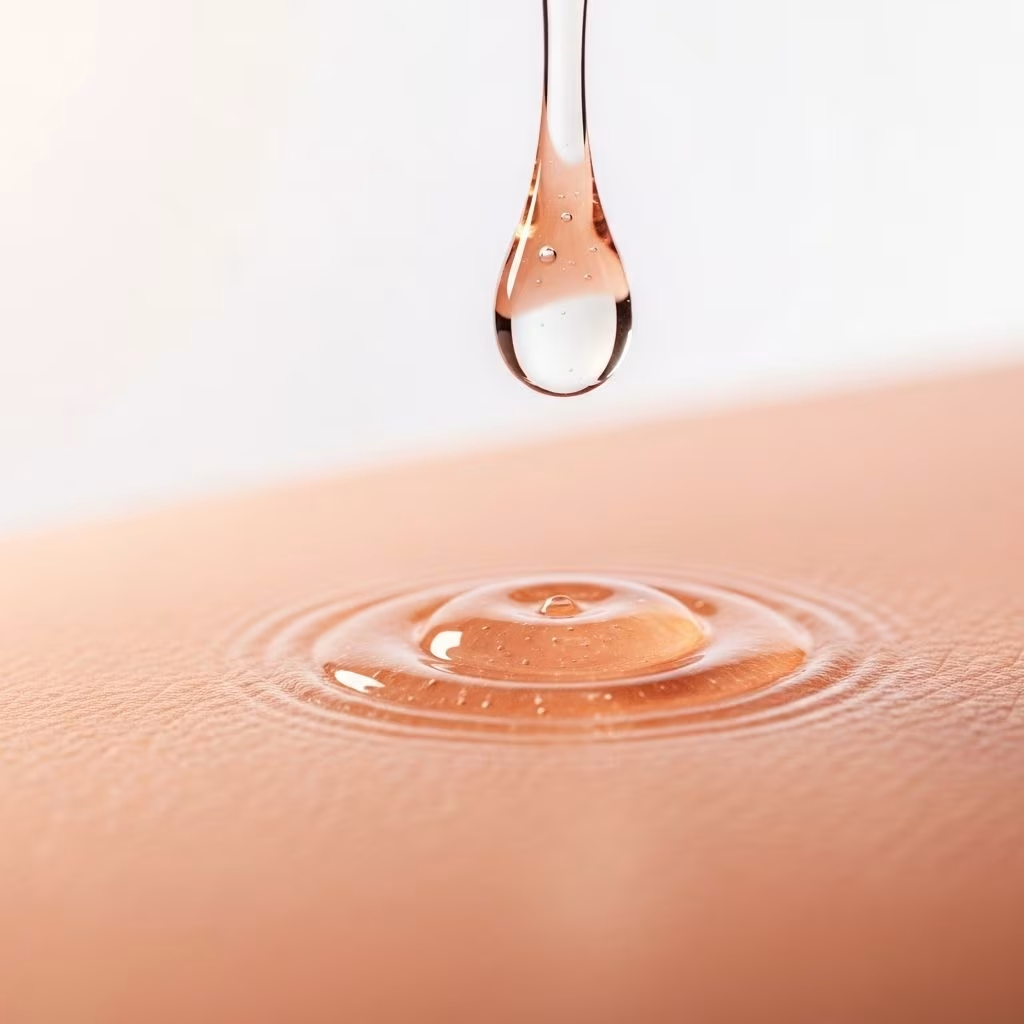
Dimethicone forms a thin, protective barrier over the skin. This occlusive layer helps prevent transepidermal water loss (TEWL), keeping moisture locked in while allowing the skin to “breathe”. Unlike heavy occlusives, dimethicone’s barrier feels light and non-greasy .
It serves multiple functions in skincare formulations:
- Acts as a skin protectant against external irritants
- Improves application by providing silky slip and enhanced spreadability
- Temporarily fills in fine lines and pores, creating a smoother surface
- Helps evenly distribute actives (e.g., sunscreen agents) on the skin
- Reduces “soaping”—the white cast or drag from certain products
Why Formulators Love Dimethicone
Cosmetic chemists use dimethicone because it creates a desirable skin feel—luxurious, light, and non-greasy—while improving a product’s overall performance. For example, mineral sunscreens and primers often contain it for improved spread and uniform coverage .
Key Benefits of Dimethicone for Skin
- Hydration: Prevents moisture loss, making it especially beneficial for dry and sensitive skin .
- Skin Protection: Acts as a gentle shield against pollution, harsh weather, and other irritants .
- Smooth Texture: Softens skin surface, temporarily plumping up fine lines and blurring pores for a more even look .
- Non-Comedogenic: Unlikely to clog pores, making it safe for acne-prone skin .
- Supports Scar Recovery: Used in medical-grade gels and sheets to improve the texture, color, and height of scars, especially for hypertrophic and keloid scars .
- Improved Product Spreadability: Enhances application and absorption of other active ingredients .
Bonus: What Makes Dimethicone Unique?
- It is both inert (unlikely to react with other ingredients or skin) and non-sensitizing.
- Functions as a breathable barrier—traps moisture without suffocating skin.
- Adds a luxurious, silky touch unlike traditional oils or petrolatum-based occlusives.
Who Should Use Dimethicone?
Dimethicone is suitable for:
- All skin types—including dry, sensitive, combo, oily, and acne-prone skin.
- Those seeking fast, visible smoothing and softening effects.
- Anyone needing a skin protectant in challenging environments (cold, wind, pollution).
- People looking for fragrance-free or hypoallergenic options—dimethicone is considered low risk for allergies and irritation .
Tip: If you experience sensitivities to heavier emollients, silicone-based products like dimethicone can offer gentler hydration and barrier support.
Are There Any Risks or Side Effects?
Dimethicone generally has an excellent safety profile and is non-toxic, non-irritating, and non-allergenic for most users .
However, as with any ingredient, potential drawbacks include:
- Build-Up: Layering many silicone-rich products without adequate cleansing may lead to sensation of product “build-up.”
- Rare Sensitivity: Some report mild sensitivity, but true allergies are extremely rare.
- Environmental Concerns: As a synthetic polymer, dimethicone can be slow to degrade, raising some concerns about its environmental footprint. However, its risk to personal health is considered negligible by regulators.
Common Myths Debunked
- “It suffocates skin”: Dimethicone forms a breathable film, allowing gas exchange; it does not suffocate skin or prevent its natural functions .
- “It causes breakouts”: Clinically, dimethicone is non-comedogenic and is even used in acne-friendly formulas .
- “It’s a filler ingredient”: Dimethicone delivers measurable benefits beyond just texture—especially as a skin protectant and moisture keeper.
Where Is Dimethicone Found?
Dimethicone is widely present in:
- Moisturizers
- Primers
- Sunscreens
- Foundations and concealers
- Serums
- BB and CC creams
- Scar treatment gels
- Makeup setting sprays
It’s also present in many haircare products as a detangler and frizz fighter, and in medical products for wound and scar care.
How Much Dimethicone Is Used in Skin Care?
| Product Type | Typical Dimethicone Concentration |
|---|---|
| Leave-on (moisturizers, serums) | 2%–5% |
| Rinse-off (cleansers, shampoos) | 1%–2% |
| Primers/makeup bases | 5%–50% (or more) |
| Scar treatment gels | up to 100% |
| FDA OTC skin protectants | 1%–30% |
The ideal concentration depends on its purpose in a formula, desired feel, and the mix of other ingredients used .
Dimethicone vs. Other Silicones and Occlusives
| Ingredient | Source | Texture | Main Function |
|---|---|---|---|
| Dimethicone | Synthetic silicone | Silky, lightweight | Barrier protection, smoothing, hydration |
| Petrolatum | Petroleum byproduct | Heavy, greasy | Barrier, intense moisture |
| Squalane | Plant-derived | Silky, lightweight | Moisturizing, emollient |
| Cyclomethicone (other silicones) | Synthetic silicone | Ultra-light | Evaporates quickly, improves slip |
Dimethicone differs from heavy occlusives like petrolatum by providing a breathable, weightless barrier. Unlike natural oils, it’s highly stable and less likely to irritate sensitive skin.
Best Practices: How to Use Dimethicone Products
- Cleanse thoroughly—proper removal at day’s end prevents build-up and maximizes ingredient benefits.
- Apply dimethicone-based serums or moisturizers—these can be layered with other actives such as retinoids, vitamin C, or hyaluronic acid.
- Use as a primer—for makeup, apply a dimethicone-based primer to smooth the skin and extend foundation wear.
- Extra protection—reach for high-concentration options (like scar gels) for targeted skin issues.
What Do Skin Experts Say?
The consensus among dermatologists and cosmetic chemists is largely positive. Here’s why:
- Dermatologist-approved: Used for decades in eczema and wound-care products for its gentle, protective action
- Allergy-safe: Not a common cause of allergic or irritant reactions
- Well-tolerated: Suitable for sensitive and acne-prone skin
Some clean beauty advocates caution about “synthetic” versus “natural” ingredients, but the majority of evidence indicates that dimethicone is safe, non-sensitizing, and highly effective for its many topical skincare uses .
Frequently Asked Questions (FAQ)
What’s the difference between dimethicone and silicone?
Dimethicone refers specifically to a type of silicone polymer commonly used in skin products. “Silicones” is a broader category, including ingredients like cyclopentasiloxane and cyclohexasiloxane—many of which vary in weight, skin feel, and function.
Will dimethicone make me break out?
No clinical evidence links dimethicone to breakouts; it’s designed to be non-comedogenic and is widely used in acne-safe products.
Is dimethicone safe for sensitive skin?
Yes; in fact, it is often recommended for those with sensitive or easily irritated skin, thanks to its gentle, inert nature.
Can I use dimethicone products if I have oily skin?
Absolutely—dimethicone’s non-greasy, light finish makes it suitable even for oily and combination skin types.
Does dimethicone block pores?
No; it creates a temporary film on the skin but does not “block” or clog pores, as confirmed by research and dermatologists.
Is dimethicone environmentally safe?
While safe for skin, dimethicone is slow to biodegrade. This is a consideration for those focused on the environmental impact of cosmetics—but it remains low risk for humans.
The Bottom Line: Should You Use Dimethicone?
Dimethicone is a safe, thoroughly researched, and exceptionally versatile ingredient. Its ability to lock in moisture, smooth and protect, and enhance the application of nearly every modern skincare or makeup product makes it a valuable asset for most skin types. Unless you have a specific known sensitivity, dimethicone-infused products can be central to a hydrated, healthy, and even-looking complexion.
References
- https://prequelskin.com/blogs/skin-notes-skincare-blog/dimethicone-in-skincare
- https://protocol-lab.com/blogs/skincare-routine/dimethicone-for-skin-a-rousing-defense
- https://sblcomp.com/dimethicone-how-it-works-how-to-use-benefits/
- https://www.medicalnewstoday.com/articles/dimethicone
- https://www.healthline.com/health/beauty-skin-care/dimethicone
- https://onskin.com/the-ultimate-guide-to-dimethicone/
- https://www.clinikally.com/blogs/news/exploring-the-use-of-dimethicone-in-skincare-products