Meet Gigoo: The Chicken Who Became a Millionaire
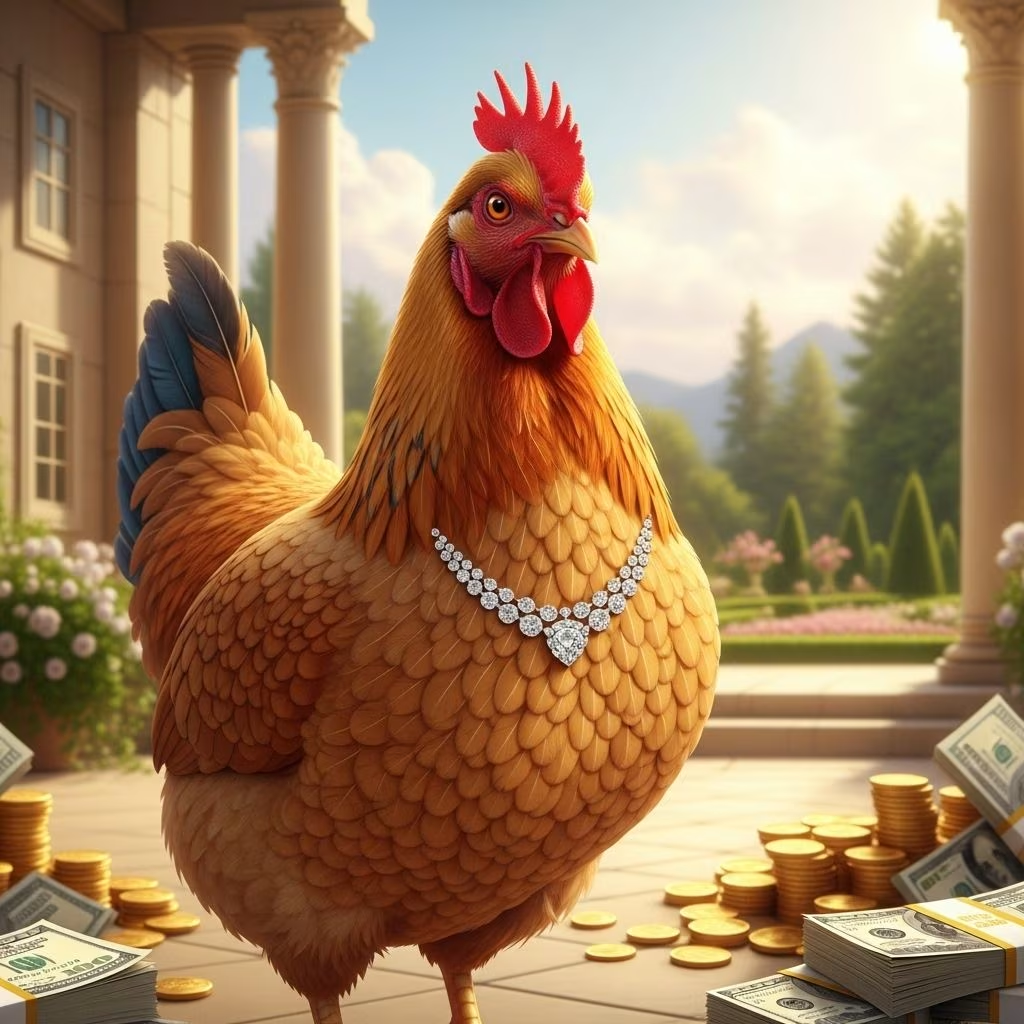
In the world of extraordinary pets, Gigoo stands alone as a singular figure—she is the world’s richest chicken, boasting a staggering net worth of $15 million. But how did a poultry resident of the UK ascend to the heights of global pet affluence? Gigoo’s improbable journey from the farmyard to Forbes-worthy fortune is a fascinating tale of inheritance, eccentricity, and the evolving social status of animals in our lives.
How Gigoo Rose to Fortune
Gigoo, a Scottish hen, enjoyed a quiet life on a rural British estate until the passing of her devoted owner, publishing magnate Miles Blackwell. Blackwell and his wife had no children; instead, their affection was lavished upon their beloved animals. Recognizing Gigoo’s special place in their hearts, Blackwell left her an inheritance of $15 million, making her the richest chicken—and one of the wealthiest animals—in modern history.
The Motivation Behind the Million-Dollar Inheritance
- Legacy and Loyalty: The Blackwells’ bequest to Gigoo exemplifies a growing trend among wealthy individuals who view pets as genuine family members, worthy of care and security beyond their own lifetimes.
- Animal Welfare: Trust funds like Gigoo’s are typically managed to ensure the animal’s wellbeing, often including provisions for the estate, food, medical care, and caretakers.
- Symbolic Statement: Leaving vast fortunes to animals serves as both a testament to the deep human-animal bond and, at times, a subtle rebuke to traditional heirs or societal norms regarding family and inheritance.
The Pet Rich List: Who Joins Gigoo?
Gigoo’s fortune is imposing, but she is not alone in the world of affluent animals. Each year, various organizations compile rich lists ranking the bank accounts of the world’s luckiest pets. These lists reveal an astonishing amount of wealth tied up in furry, feathered, and even reptilian companions.
| Rank | Name | Species/Breed | Estimated Net Worth | Country | Source of Wealth |
|---|---|---|---|---|---|
| 1 | Gunther IV | German Shepherd | $375,000,000 | Germany | Inheritance |
| 2 | Grumpy Cat | Mixed-breed Cat | $99,500,000 | USA | Merchandising, Media |
| 3 | Olivia Benson | Scottish Fold Cat | $97,000,000 | USA | Commercials |
| 4 | Oprah’s Dogs (Sadie, Sunny, Lauren, Layla, Luke) | Various | $30,000,000 | USA | Trust Fund |
| 5 | Gigoo | Chicken | $15,000,000 | UK | Inheritance |
| 6 | Tommassino | Cat | $13,000,000 | Italy | Inheritance |
| 7 | Blackie | Cat | $12,500,000 | UK | Inheritance |
| 8 | Conchita | Chihuahua | $11,300,000 | USA | Inheritance, Real Estate |
| 9 | Boo | Pomeranian | $8,000,000 | USA | Sponsorship, Merchandise |
| 10 | Bart the Bear 2 | Alaskan Brown Bear | $6,000,000 | USA | Acting |
Gigoo holds her own among canine, feline, and even ursine competition, underscoring how pet wealth is not just for the standard dog or cat—other animals can claim their place in the pet rich list, given the right circumstances.
How Pet Fortune Is Inherited and Managed
The peculiar legal maneuvers that allow animals like Gigoo to inherit vast sums often involve the establishment of trusts or designated caretakers. A typical arrangement might look like this:
- A trust fund is set up specifically for the animal, with clear guidelines for spending on food, shelter, veterinary care, and any specialty services.
- A trusted caretaker—sometimes an individual, sometimes an institution—administers the use of funds.
- If the animal passes away before the trust is depleted, the remainder often goes to an animal charity or a named human beneficiary.
This preventative structure ensures the pet’s luxury lifestyle while preventing opportunists from exploiting the funds. In exceptionally rare cases, as with Gigoo, the total sum designated for animal care is so significant that it attracts media scrutiny—and occasionally, envy or criticism.
Why Leave a Fortune to a Chicken?
The phenomenon of wealthy pets often elicits a mix of amusement and bewilderment. Why would a rational person direct millions to a chicken? Several motives can be identified:
- Deep Emotional Bonds: Pets are often considered surrogate family or children, deserving of lifelong security.
- Lack of Traditional Heirs: In cases where wealthy individuals are childless or estranged from close relatives, animals become primary beneficiaries.
- Philosophical and Philanthropic Statements: Some wealthy individuals use such bequests to highlight animal rights, welfare, or to make statements about the nature of inheritance.
Such choices spark frequent debates around the ethics of wealth distribution, especially as millions of people and animals alike struggle for basic needs globally.
Famous Wealthy Animals Beyond Gigoo
Gigoo may be the pinnacle of avian affluence, but the world of animal wealth is filled with fascinating characters:
- Gunther IV: This German Shepherd sits atop the pet rich list, rumored to own mansions, yachts, and even a sports team—making Gigoo’s estate seem modest by comparison.
- Grumpy Cat: Internet fame translated into merchandise, movie deals, and a legacy worth nearly $100 million.
- Olivia Benson: Taylor Swift’s Scottish Fold cat has starred in multi-million-dollar advertising campaigns and enjoys all the benefits of feline celebrity status.
The Rising Trend: Pets as Status Symbols and Life Companions
Gigoo’s fortune is symptomatic of a century-long transformation in the way pets are valued:
- Historical Shift: Once considered farm labor or rodent control, animals are now pampered, insured, and sometimes, phenomenally wealthy family members.
- Urban Elites and Celebrity Culture: In high-society circles, lavish spending on pets is a subtle status symbol indicating affluence and sensitivity.
- Media and Social Networks: Platforms like Instagram and YouTube have minted a new generation of pet influencers, earning fortunes from advertising, merchandise, and endorsements.
Impact on Animal Welfare and Public Perception
The spectacle of millionaire pets has both positive and controversial effects:
- Positive Awareness: High-profile animal fortunes generate discussion about responsible pet care and animal welfare globally.
- Charitable Benefits: Many trusts designated for pet maintenance donate any surplus to animal charities, indirectly benefiting thousands of animals in need.
- Controversy and Critique: These extravagant trusts sometimes provoke social criticism, with arguments that funds could be better used to address pressing human needs or widespread animal poverty.
The Bigger Picture: Pets, Wealth, and Philanthropy
While millionaire chickens and cats capture headlines, a growing number of philanthropists are using their resources to improve animal and human lives worldwide:
- Charitable Giving: Many wealthy pet owners support animal shelters, wildlife conservation programs, and initiatives that rescue neglected animals globally.
- Innovative Projects: Philanthropists like Bill Gates have turned their attention to livestock donations as part of broader development programs. Initiatives such as Gates’ “Coop Dreams,” focused on providing chickens to impoverished communities, highlight the transformative power of livestock beyond mere luxury.
Gigoo and the Symbolism of Animal Wealth
Gigoo is both a unique individual and a potent symbol. Her story reflects the evolution of pets as companions, beneficiaries, and sometimes, cultural icons. Her fortune raises larger questions about:
- Our relationship to animals as sentient beings deserving of protection and dignity.
- The boundaries of inheritance, philanthropy, and personal values in a changing world.
- The role of animals—feathered, furry, and otherwise—in shaping family legacies and social consciousness.
Frequently Asked Questions (FAQs)
Q: How did Gigoo become the world’s richest chicken?
A: Gigoo inherited a $15 million fortune from her late owner, Miles Blackwell, a British publishing magnate who left the sum specifically for her care.
Q: What provisions are typically made for pets who inherit large estates?
A: Wealthy pets often have trust funds managed by appointed caregivers. These funds provide for their food, health care, housing, and sometimes luxury accommodations or travel.
Q: How does Gigoo’s fortune compare to that of other wealthy pets?
A: While impressive, Gigoo’s $15 million places her at fifth position in the 2018 Pet Rich List, behind dogs and cats with fortunes ranging from $12.5 million up to Gunther IV’s staggering $375 million.
Q: Do these pet inheritances benefit animal welfare in general?
A: Sometimes. Funds left over after a pet’s passing are often directed to animal charities, and media attention to such inheritances raises awareness about animal rights and responsible care.
Q: Why do some people leave their fortunes to animals instead of people?
A: Motivations range from deep affection for pets, lack of human heirs, to making a statement about personal values or even protesting traditional inheritance norms.
In Reflection: What Does Gigoo’s Story Say About Us?
Gigoo’s ascent to the ranks of multimillionaires is more than an amusing oddity. Her story—and those of the world’s other wealthy animals—mirror shifting attitudes about animal rights, family, and the distribution of societal wealth. Whether you see her fortune as an eccentric indulgence or a sign of evolving human compassion, Gigoo will remain a talking point in discussions about inherited wealth, loyalty, and the ever-expanding role of pets in our world.
References
- https://www.countryliving.com/uk/wildlife/pets/a22695481/pet-rich-list-2018-wealthiest-pets-in-world/
- https://www.upworthy.com/a-surprising-solution-to-global-poverty-from-one-of-the-wealthiest-men-in-the-world
- https://www.youtube.com/watch?v=Pm0fIJSfIkU
- https://en.wikipedia.org/wiki/List_of_wealthiest_animals
- https://www.theindy.org/article/1815