The Enchanting ‘Wolf Corgi’: Meet the Swedish Vallhund
If you adore Corgis but yearn for a dog with a hint of wild, wolfish allure, you’ll instantly fall in love with the Swedish Vallhund. Sometimes called the ‘wolf corgi’ due to its unmistakable resemblance to both the classic corgi and a gray wolf, this breed combines a fascinating Viking lineage, boundless herding energy, and an affectionate spirit that makes it the perfect companion.
This article delves deep into the story, characteristics, temperament, and unique status of the Swedish Vallhund—why it’s not a direct corgi-wolf mix, its near brush with extinction, and what life is truly like alongside these delightfully quirky dogs.
Viking Heritage: Ancient Roots of the Swedish Vallhund
The Swedish Vallhund is not some modern hybrid between a wolf and a corgi, but an ancient Swedish breed believed to have accompanied Vikings as early as the 8th or 9th centuries. This breed’s alternate name—’Viking Dog’—comes from its role as a trusted companion, herder, and watchdog for Scandinavian farmers and seafarers in the Viking Age. Marcelle and Edwin Sundgren, Swedish champions of the breed, documented its centuries-old lineage, lending it a legendary status among herding dogs.
Key points about the Vallhund’s lineage:
- Origins: Sweden, over 1,000 years ago; connected to Viking settlements.
- Working Role: Primarily herded cattle, protected homesteads, and sailed with Norsemen.
- Preservation: In the 1940s, the breed nearly vanished, but dedicated breeders Bjorn von Rosen and K.G. Zettersten revived its population with focused efforts, especially thanks to a famously influential dog named Mopsen.
Wolf or Corgi? The Unique Appearance Explained
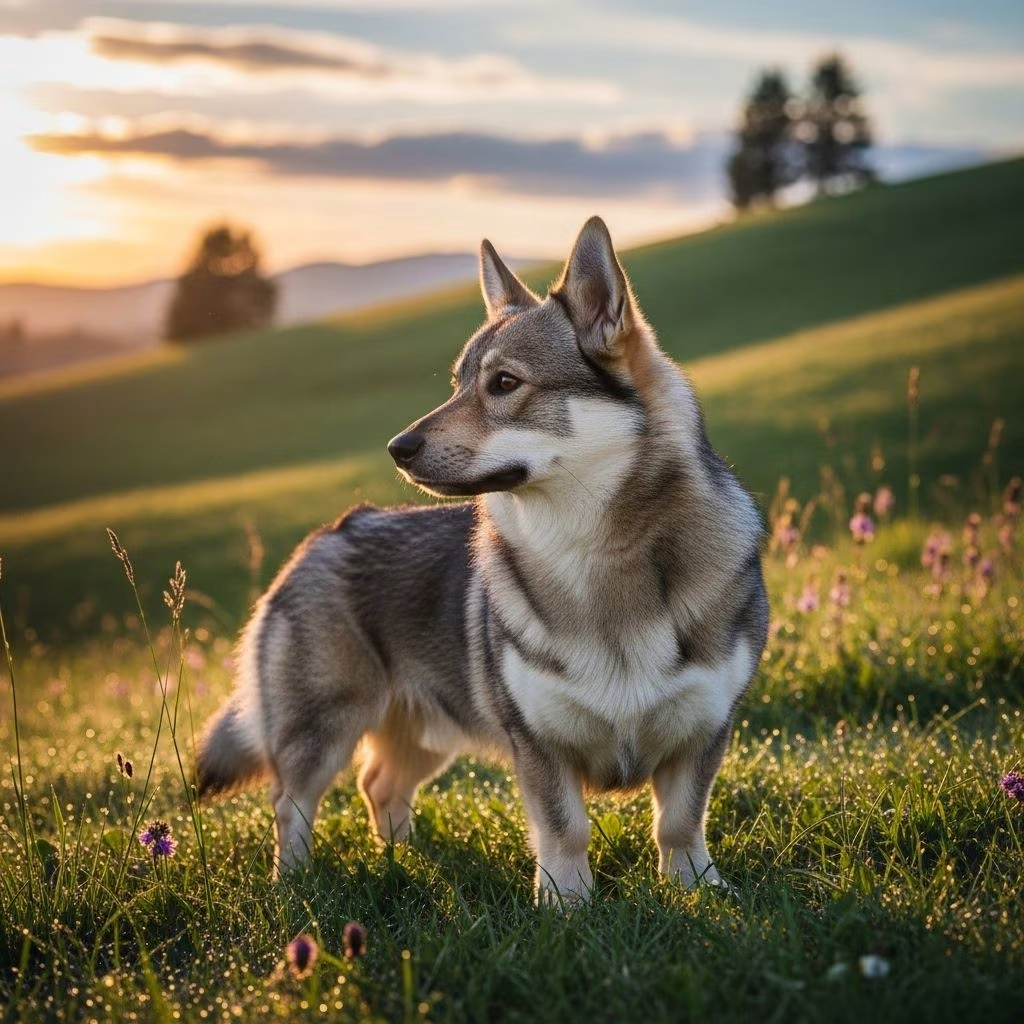
Why are Swedish Vallhunds nicknamed ‘wolf corgis’? Their body shape and proportions bear a striking similarity to both Corgis and foxes, and their facial markings and coloring can be reminiscent of wild wolves. However, this is entirely coincidental and not the result of any crossbreeding with wolves or corgis; Swedish Vallhunds are a distinct spitz-type breed.
| Feature | Swedish Vallhund (‘Wolf Corgi’) | Pembroke/Cardigan Corgi |
|---|---|---|
| Body Length | Long, low-set, athletic | Long, low-set |
| Tail | Natural (varied: bobtail, curled, or normal length) | Pembroke: traditionally docked; Cardigan: long and bushy |
| Face & Markings | Wolf-like mask, pointed ears, expressive eyes | Fox-like face, rounder muzzle |
| Coat Type | Dense, double-coat (weather-resistant) | Dense, double-coat |
| Color | Shades of gray, sable, red or wolfish brown | Red, sable, fawn, black & tan, some white markings |
| Breed Group | Spitz / Herding | Herding |
The American Kennel Club describes the Vallhund as sociable, cheerful, alert, and blessed with classic herding-dog intelligence. Their upright ears and sleek yet robust frame contribute to this ‘wolfish’ look, delighting dog enthusiasts and herding aficionados alike.
Temperament & Personality: What Makes Vallhunds Special
Despite their wild appearance, Swedish Vallhunds are anything but feral. They are renowned for their loveable, people-oriented personalities and playful dispositions. Their classic herding-dog intelligence means that these dogs are eager to learn and thrive on mental challenges and interaction.
- Sociable and Outgoing: Friendly with people, children, and other pets when properly socialized from a young age.
- Cheerful and Playful: Vallhunds are always up for games, learning new tricks, and structured play.
- Alert and Watchful: Their background as watchdogs makes them inherently alert. Vallhunds will readily bark to announce new arrivals—a useful but sometimes noisy trait!
- Independent but Loyal: Like many spitz breeds, they possess an independent streak; still, they are deeply faithful to their people and can be affectionate cuddlers.
- Active and Energetic: These are high-energy dogs that require plenty of exercise and stimulation each day.
In sum, they combine what many see as the best dog traits: the independence and athletic grace of a spitz/wolf with the social charm and trainability of a corgi.
Living and Caring for a Wolf Corgi
The Swedish Vallhund is surprisingly low-maintenance compared to some long-coated breeds, yet their intelligence and energy require active households. Before bringing a Vallhund home, consider these key care points:
- Exercise Needs: At least 1-2 hours of activity daily (walks, herding games, agility training, or dog sports).
- Mental Stimulation: Vallhunds excel in obedience, herding, and puzzle-based games. Lack of stimulation can lead to boredom-driven mischief.
- Grooming: Their double coat requires weekly brushing (more frequent during seasonal shedding). Baths should be occasional unless very dirty.
- Feeding: A well-balanced, high-quality diet suitable for active, medium-sized breeds.
- Health and Lifespan: Generally robust, with a lifespan often reaching 12–15 years. Common concerns include hip dysplasia and progressive retinal atrophy, though responsible breeders minimize these risks with health screenings.
- Space and Setting: Adaptable to both town and country life, provided they have enough exercise and human companionship. No apartment is too small if you meet their daily activity needs.
Much like the classic corgi, Swedish Vallhunds are not suited to being left alone for long hours, as their social and emotional needs are considerable.
Swedish Vallhund vs. Corgis: How Do They Compare?
Despite sharing a similar silhouette, the Swedish Vallhund and Welsh Corgis (Pembroke and Cardigan) are genetically and historically distinct. Here’s how they compare:
| Breed | Origin | Primary Role | Distinctive Traits |
|---|---|---|---|
| Swedish Vallhund | Sweden, Viking Era | Herding, Watchdog | Wolf-like markings, spitz ancestry, varied tail length |
| Pembroke Welsh Corgi | Wales, Medieval Era | Herding, Royal Companion | No tail (docked), fox-like face, linked to British royalty |
| Cardigan Welsh Corgi | Wales, Ancient | Herding, Family Pet | Long bushy tail, rounder body, larger bones |
One fascinating theory is that these breeds may share distant ancestry, possibly due to Viking expansion into Wales and the mingling of Scandinavian herding dogs with local herding types. However, modern genetic analysis classifies Swedish Vallhunds with other spitz breeds, not corgis.
Fun Facts About the Swedish Vallhund
- Almost Extinct: By the 1940s, the Vallhund had dwindled to near extinction before Swedish breeders orchestrated a dramatic recovery.
- Spitz, Not Corgi: Though often called ‘wolf corgi’, the Vallhund is a spitz-type, related to dogs like the Alaskan Malamute and Norwegian Elkhound.
- Versatile Tails: Some Vallhunds are born with bobtails, curled tails, or standard-length tails—a genetic quirk unique among spitz dogs.
- AKC Recognition: The breed is officially recognized by major kennel clubs, including the American Kennel Club and the Swedish Kennel Club, as a working/herding dog.
- Vocal Talents: Vallhunds are expressive communicators—expect howls, barks, and “talking” at home!
Frequently Asked Questions (FAQs) About the Swedish Vallhund
Is the Swedish Vallhund the same as a wolf or a wolfdog?
No. The Swedish Vallhund is not a wolf or a direct wolf hybrid. It is a purebred, domesticated dog with spitz ancestry, not related genetically to actual wolves or the controversial ‘wolfdog hybrids’.
Why is it called the ‘wolf corgi’?
The nickname ‘wolf corgi’ comes from the Vallhund’s wolf-like coloring and its corgi-like low-slung body. However, it is neither a wolf nor a corgi crossbreed—it’s a breed with ancient Scandinavian roots.
What is the temperament of a Swedish Vallhund?
They are cheerful, energetic, intelligent, and affectionate. Vallhunds love companionship, learn quickly, and are exceptionally loyal, but can be vocal and sometimes stubborn—traits common among herding and spitz types.
Will a Swedish Vallhund get along with other pets or children?
Generally, yes. With early socialization, Vallhunds adapt well to family members of all ages and often do well with other animals, although their herding instincts may inspire them to “herd” children or chase smaller pets.
How much grooming does a Swedish Vallhund require?
Minimal compared to many spitzes. Regular weekly brushing controls shedding, with increased grooming during seasonal coat blows. Routine nail trimming, ear cleaning, and dental care are also recommended.
Conclusion: Is the Swedish Vallhund Your Perfect Companion?
If you’re seeking a charismatic, robust, and utterly unique dog with deep historic roots, the Swedish Vallhund (aka ‘wolf corgi’) is a breed to seriously consider. Their blend of herding instinct, sociable nature, intelligence, and quirky appearance makes them ideal for active households looking for loyal, trainable, and lovable companions. They are living legacies of the Viking spirit—a mix of the old wild and the modern playful in a package few dog lovers can resist.
References
- https://www.countryliving.com/uk/wildlife/dog-breeds/a35128051/pembroke-welsh-corgi/
- https://www.akc.org/expert-advice/lifestyle/cardigan-welsh-corgi-pembroke-welsh-corgi/
- https://www.countryliving.com/life/kids-pets/news/a38203/wolf-corgi/
- https://www.dogster.com/dog-breeds/what-is-a-wolf-corgi
- https://www.patriciamcconnell.com/theotherendoftheleash/the-tragedy-of-wolf-dogs/