Enchanting Wildlife: Captivating Animals in Winter Snow
Winter transforms familiar landscapes into glistening wonders, draping fields, woodlands, and mountains in snow and ice. Among these wintry scenes, animals—wild and domesticated—become enchanting reminders of nature’s resilience and beauty. In this article, we explore dazzling images and compelling stories of wildlife and pets thriving in snowy settings across the UK. From robust ponies roaming frosted meadows to playful puppies discovering a snowy world, each portrait reveals unique moments of life in winter’s embrace.
The Beauty of Winter: A Season of Contrast and Survival
Winter is not merely cold; it’s a celebration of contrasts—crystal frost, brilliant ice, low sunlight, and carpets of soft white snow. For wildlife and pets, these changes pose both challenges and opportunities. Animals adapt in fascinating ways to endure the season, whether by growing protective coats, changing behaviors, or simply reveling in the playful possibilities that snow presents.
Ponies in the New Forest: Winter Majesty
The reddish-brown ponies of the New Forest are strikingly beautiful as the low winter sun casts soft shadows on their flanks. With every breath visible and every step crunching in the snow, these ponies exude calm and dignity. Their coats grow thick to withstand winter’s chill, as they continue grazing among snow-dusted grasses and shrubs, thriving amidst the quiet beauty of pine and oak.
- Iconic scenery: Ancient woodlands and open moorland complemented by pristine snow.
- Adaptations: Thick fur and increased foraging activity to maintain warmth and energy.
- Community: New Forest ponies are managed semi-wild, cared for by commoners and monitored for safety.
Dalmatian in Newcastle-under-Lyme: Almost Camouflaged
At Apedale Community Country Park, a spotted Dalmatian nearly blends into the snowy expanse. The playful contrast between its sleek black spots and the snow illustrates nature’s clever adaptation—and sometimes, pure coincidence. This Dalmatian revels in the white wonderland, showcasing the boundless joy pets experience in winter.
- Natural camouflage: White coats provide extra cover in snow for some animals.
- Playful behavior: Dogs often become energetic in the cold, enjoying snow as a new playground.
Eurasian Bullfinch: A Splash of Color
The vivid orange chest of the Eurasian bullfinch stands out against the monochrome of winter. Perched on snowy branches, these birds add a pop of warmth and color, symbolizing hope and vitality during the coldest months. Bullfinches rely on seeds and berries to see them through, and their soft, low whistles carry through the frosted air.
- Winter adaptations: Foraging for high-energy foods to fuel metabolism.
- Social structure: Bullfinches are often seen in pairs or small flocks.
Dachshunds in Bath: Tiny but Hardy
Two small dachshunds, bundled in vibrant knits, explore snowy Bath with remarkable tenacity. Short legs mean deeper drifts, but these little dogs are undeterred—leaping and tunneling through powder. Their winter outfits not only offer warmth but also a bit of personality, as they playfully chase snowflakes and paw through the fresh blanket.
- Protection: Owners often outfit smaller breeds in coats or jumpers to combat cold.
- Active play: Snow stimulates curiosity and can help burn off energy.
Highland Cow in Scotland: Rugged Icon
The Highland cow, with its long, shaggy coat and majestic horns, is an enduring symbol of Scotland. In winter, this thick fur becomes its shield, insulating against howling winds and snow. These cows forage through drifts, using their large heads to sweep aside snow and uncover hidden grass, embodying resilience and adaptation.
- Physical adaptations: Double coat—long guard hairs and dense undercoat.
- Foraging strategies: Using strength and intelligence to access winter food.
- Cultural significance: Highland cows are cherished in Scottish lore and landscape.
Ponies in Bedfordshire: Winter Wake-Up
Bedfordshire’s horses and ponies greet each morning with calm determination, finding their familiar fields transformed by a silvery blanket. They graze steadily, their breath visible in the cold air, demonstrating how domesticated animals rely on routine, shelter, and the care of humans to stay healthy through winter’s challenges.
- Dependence on shelter and extra feed during snow.
- Care strategies: Owners must ensure water supply and warmth.
Fallow Deer in Kent: Enchanting Grace
Knole Park in Sevenoaks, Kent, becomes an enchanting tableau with fallow deer moving quietly through the snow. Their elegant frames and mottled coats permit them to blend with the frosted bracken. Fallow deer rely on their agility and foraging skills to locate scarce winter food, enriching the UK landscape with both beauty and biodiversity.
- Seasonal migrations: Deer shift their ranges to find food and shelter.
- Survival skills: Browsing shrubs and bark when grass is unavailable.
Sheep in Meggethead: Stalwart Survivors
Above Megget Water in the Scottish Borders, a blackface sheep stands watchful and resilient. With woolly coats tailored for warmth and insulation, sheep are remarkably hardy. Farmers provide shelter and monitor flocks closely to prevent hypothermia, ensuring new lambs receive extra care during the coldest months.
- Wool: Natural insulation, keeps sheep warm in extreme cold.
- Care: Farmers provide barns and extra feed for pregnant ewes and lambs.
Springer Spaniel: Joyful Play
For the energetic springer spaniel, snow is pure delight—a chance to leap, roll, and chase. This breed’s lively nature makes winter a feast of new sensations, with crisp air, changed smells, and a world reimagined by snow drifts. Owners often notice heightened alertness and excitement in their pets during winter walks.
- Enhanced play behavior in cold weather.
- Breeds with thick, water-resistant coats adapt better to snowy play.
Red Deer Stag in Derbyshire: Quiet Strength
At Chatsworth Park, Derbyshire, red deer stags cut imposing figures against snowy backdrops. With impressive antlers and deep chests, these animals endure the elements, their coats thickening while their diets shift to winter browse. Stags become solitary and vigilant, especially as food becomes scarce—nature’s portrait of quiet strength.
- Seasonal coat changes for insulation.
- Diet: Switch from grass to twigs, leaves, and bark in winter.
Mountain Hare in the Cairngorms: Master of Disguise
Mountain hares of the Cairngorms are winter survival experts. Their fur changes from brown to white, providing camouflage amidst snow storms, as they hunker down against icy winds. This ability to adapt is vital, helping them evade predators while foraging for sparse herbs and bark.
- Seasonal color change for camouflage.
- Behavioral adaptations: Burrowing and minimizing movement during storms.
Robin Redbreast: England’s Symbol of Hope
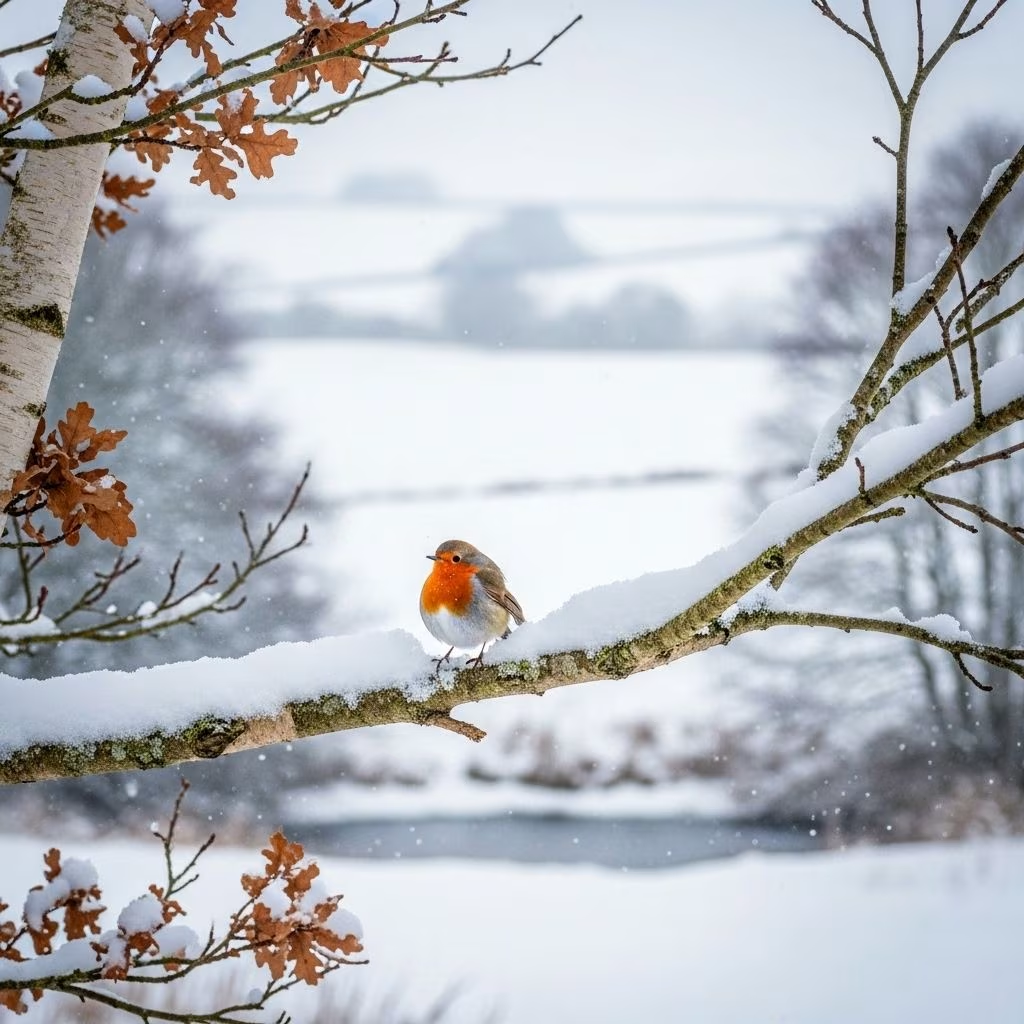
The robin, England’s beloved national bird, is instantly recognizable against snowy gardens. With its red chest raised defiantly in winter, robins are undeterred by cold, singing bravely and foraging for insects and seeds. Their resilience and friendly presence make them a cherished sight during dark months.
- Adaptable diet: Insects, seeds, and berries.
- Cultural value: Robins frequently feature in British winter folklore.
Border Collie Puppy: Discovering a New World
For a Border Collie puppy, snow means adventure. Everything is new—sights, textures, and sounds. Watching a puppy explore snow-draped fields is a testament to curiosity and playful learning, as they bound through powdery mounds and chase snowflakes with boundless energy.
- Socialization: Puppies need gradual exposure to winter chill.
- Play: Snow can stimulate mental and physical exercise.
Red Squirrel: Adaptation and Rarity
The red squirrel, found on the Isle of Wight, Brownsea Island, Lake District, Northumberland, and Scotland, is a rare gem in UK nature. Their rusty coats contrast vibrantly with snowy branches, while their agility enables them to forage for nuts hidden beneath the snow. Conservation efforts remain vital for their survival.
- Foraging: Storing and locating nuts during winter.
- Conservation: Protecting habitats from invasive species like grey squirrels.
Kestrel: Hunter in the Snow
On a cold winter’s day, a wild common kestrel marches across snowy ground, alert and poised. These birds of prey adapt by hunting small mammals and birds exposed in winter’s barrenness. Their keen vision and agility are crucial to survival, even as snow challenges their typical hunting patterns.
- Predatory tactics: Scanning open fields for movement.
- Flexibility: Kestrels can feed on a variety of prey through the seasons.
Winter Survival Strategies: How Animals Endure the Cold
A multitude of wildlife have evolved remarkable strategies to cope with the rigors of winter. From dormancy, thick coats, and behavioral change, to more unusual adaptations like natural antifreeze, animals demonstrate impressive resilience. Climate variability may test these strategies, making each winter a new challenge.
- Fat storage: Key among larger mammals, providing both warmth and energy reserves.
- Coat development: Many species grow thicker or longer fur for insulation.
- Dormancy: Hibernation, torpor, and burrowing protect animals from freezing.
- Behavioral flexibility: Birds and small mammals alter feeding and sheltering habits.
The Role of Human Care: Pets and Farm Animals in Snow
For domesticated animals, human stewardship can make a vital difference:
- Warmth: Providing barns, jumpers, or blankets helps pets and livestock manage cold stress.
- Water access: Owners must ensure liquid water is available during freezes, often requiring thawing or manual supply.
- Diet: Higher-energy foods and supplements help maintain body heat.
- Night monitoring: Newborn and pregnant animals can require round-the-clock supervision in extreme cold.
Common Winter Challenges for Farm Animals
- Frozen water sources and need for constant hydration.
- Risks of hypothermia and increased shelter requirements.
- Adjustments in feeding routines and provision of high-energy forage.
Frequently Asked Questions (FAQs)
Q: Why do some animals thrive in the snow while others struggle?
A: Adaptations such as thick coats, insulating fat, and behavioral changes enable some species to thrive. Animals lacking these require more support or migrate to warmer areas.
Q: How do farm animals stay warm during snowy winters?
A: Farmers provide barns or sheds, extra bedding, and higher-energy diets. Monitoring water supply and warmth is crucial for newborns and pregnant animals.
Q: What threats do UK wildlife face from changing winter conditions?
A: Erratic winters and less consistent snowfall can leave burrowing animals exposed to rapid cold snaps without adequate insulation, increasing the risk of freezing.
Q: Are red squirrels commonly seen in snowy UK landscapes?
A: Red squirrels are rare in much of the UK but prevalent in protected habitats such as islands and certain national parks. Conservation efforts are ongoing.
Q: How do birds, like robins and bullfinches, find food in snow?
A: Birds forage for seeds, berries, and insects, often visiting gardens and feeders when natural food is scarce. They use memory and sensory cues to uncover hidden resources.
Conclusion: Appreciating Animals in Winter Snow
As the UK landscape transitions into winter, the interplay between animals and snow invites us to reflect upon nature’s beauty and resilience. Whether through dazzling images or heartwarming stories, these encounters offer inspiration and deepen our appreciation for both wildlife and pets. Ensuring their survival and wellbeing—through adaptation, care, and conservation—remains a shared responsibility for nature lovers, farmers, and communities alike.
References
- https://www.countryliving.com/uk/wildlife/countryside/g35222593/animals-snow/
- https://www.nwf.org/Magazines/National-Wildlife/2024/Winter/Animals/Wildlife-Winter-Survival-Strategies
- https://www.countryliving.com/uk/wildlife/farming/news/a3421/how-snow-affective-lambing-season/
- https://www.homestead.org/livestock/preparing-animals-for-winter/
- https://davidshepherd.org/news-events-insights/news/living-with-snow-leopards/
- https://ourwinterworld.org/snow-and-living-things/