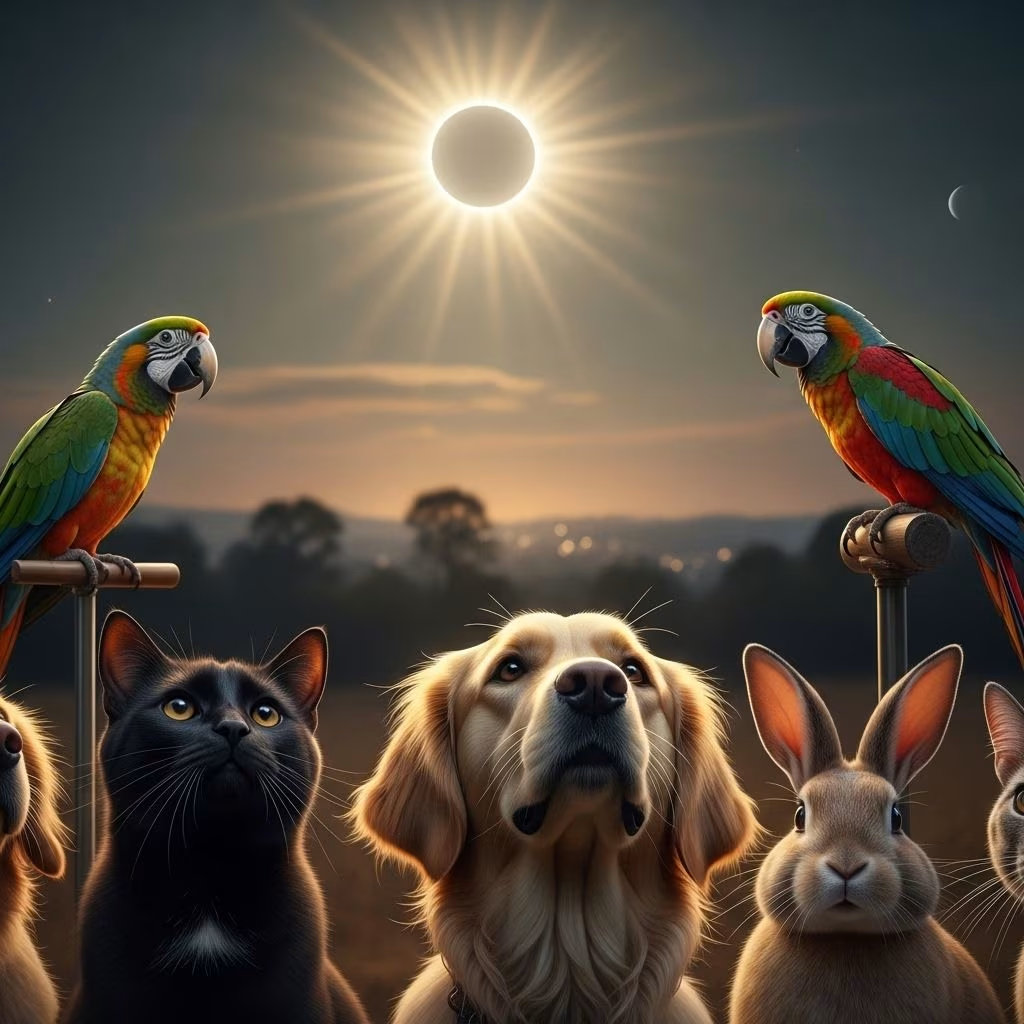
Solar eclipses are among nature’s most spectacular phenomena, drawing millions of people to witness the cosmic dance between the sun, moon, and Earth. While humans eagerly prepare with eclipse glasses and viewing parties, pet owners often wonder about the impact of these celestial events on their beloved four-legged companions. Understanding how solar eclipses affect pets and knowing the proper safety measures can help ensure your dogs and cats remain comfortable and protected during these extraordinary astronomical occurrences.
Understanding Eclipse Effects on Pets
The relationship between solar eclipses and pet behavior has been a subject of interest for both astronomers and veterinarians. Unlike humans, who are naturally curious about celestial events, pets approach solar eclipses with their instinctive behaviors intact. Dr. Rebecca Greenstein, Veterinary Medical Advisor for Rover, provides reassuring insight that pets instinctively avoid looking directly at the sun, making them naturally protected from the primary risk associated with eclipse viewing.
During a total solar eclipse, the gradual dimming of sunlight and subsequent return to brightness occurs over several hours, though the moment of totality typically lasts only a few minutes. This temporary darkness can trigger responses in pets that mirror their typical evening routines, as their circadian rhythms may interpret the sudden darkness as the approach of nighttime.
Do Pets Need Eclipse Glasses?
One of the most frequently asked questions among pet owners concerns whether dogs and cats require special protective eyewear during solar eclipses. The answer is definitively no. Pets do not need eclipse glasses or any form of specialized eye protection during these events.
The reasoning behind this recommendation stems from fundamental animal behavior. Pets lack the curiosity that drives humans to stare at the sun during an eclipse. Their natural instincts actively prevent them from engaging in behaviors that could damage their vision. This protective instinct has evolved over millennia and serves as an effective safeguard against solar retinal damage.
Important safety note: While pets don’t naturally look at the sun, pet owners should never force or encourage their animals to look at an eclipse. Deliberate exposure to direct sunlight can cause the same type of ocular damage in pets as it does in humans, including permanent retinal burns and vision loss.
Behavioral Changes During Solar Eclipses
Pet behavior during solar eclipses can vary significantly depending on the individual animal’s sensitivity to environmental changes. Many pets may exhibit subtle behavioral shifts that reflect their natural response to changing light conditions and atmospheric pressure.
Common Behavioral Responses
As the eclipse progresses and daylight begins to dim, pets may demonstrate behaviors typically associated with evening or bedtime routines. Dogs might retreat to their favorite resting spots, while cats may seek out their preferred sleeping areas. These responses are completely normal and generally temporary, lasting only for the duration of the eclipse event.
Temperature changes accompanying the eclipse can also influence pet behavior. As the sun’s rays are blocked, ambient temperatures can drop noticeably, prompting pets to seek warmer locations or exhibit behaviors associated with cooler weather conditions.
Managing Sensitive Pets
Pets with anxiety disorders or high sensitivity to environmental changes may require additional attention during solar eclipses. Maintaining regular routines becomes particularly important for these animals, as consistency helps reduce stress and confusion during the unusual atmospheric conditions.
Creating a comfortable, familiar environment with access to favorite toys, treats, and resting areas can help anxious pets cope with the temporary changes. Soft background music or other familiar sounds may also provide additional comfort during the event.
Eclipse Safety Considerations for Pet Owners
While the eclipse itself poses minimal direct health risks to pets, several related factors require careful consideration to ensure complete pet safety during these events.
Avoiding Crowded Viewing Events
Eclipse viewing parties and large gatherings present significant stress factors for many pets. The combination of excited crowds, unusual noise levels, and unfamiliar environments can create anxiety-inducing situations that may overwhelm even typically social animals.
Veterinary experts strongly recommend keeping pets at home during eclipse events rather than bringing them to public viewing areas. This recommendation applies regardless of whether pets have previously demonstrated comfort in crowded situations, as the unique combination of environmental changes and human excitement creates unprecedented circumstances.
Travel Preparations
Solar eclipses often generate substantial travel as people journey to areas within the path of totality. Historical data from previous eclipses shows that millions of people travel significant distances to witness these events, creating traffic congestion and delays that can impact pet safety.
Pet owners planning eclipse-related travel should prepare for extended journey times and potential delays. Essential preparations include:
– Packing adequate water supplies for pets
– Bringing sufficient pet food and treats
– Ensuring leashes and identification tags are secure
– Planning for bathroom breaks and exercise opportunities
– Preparing for temperature control in vehicles
Emergency Preparedness
The logistics surrounding major eclipse events can disrupt normal supply chains and services. Pet owners should stock up on essential pet supplies several days before the eclipse to avoid potential shortages or delivery delays. This includes pet food, medications, litter, and any specialty items your pets require.
Professional Veterinary Insights
Veterinary professionals have studied animal behavior during solar eclipses and consistently report that direct health risks to pets are minimal. However, they emphasize the importance of monitoring pets for any signs of distress or unusual behavior.
According to Dr. Rena Carlson, president of the American Veterinary Medical Association, while some dogs may exhibit behaviors normally associated with darkness or evening routines, the eclipse itself is unlikely to significantly affect pets directly. The primary concerns relate to human-generated factors such as crowds, traffic, and changed routines rather than the astronomical event itself.
Signs to Monitor
While complications are rare, pet owners should watch for any signs of distress or unusual behavior during and after an eclipse. These might include:
– Excessive panting or drooling
– Hiding or seeking unusual shelter
– Decreased appetite following the event
– Changes in sleep patterns
– Unusual vocalization or restlessness
If pets show signs of eye irritation or vision problems following an eclipse, immediate veterinary consultation is recommended, though such occurrences would be extremely rare given pets’ natural avoidance of sun-gazing.
Long-term Considerations and Rare Events
Solar eclipses visible from any given location are relatively rare events, with total solar eclipses occurring approximately every 375 years in any specific location. This rarity means that most pets will experience very few, if any, such events during their lifetimes.
Pet owners who witness their animals’ behavior during one eclipse can use this information to better prepare for future astronomical events. Documenting how individual pets respond can help in planning for lunar eclipses, meteor showers, or other unusual atmospheric phenomena.
Creating an Eclipse Day Plan for Pets
Developing a comprehensive plan for eclipse day ensures both pet safety and owner peace of mind. The ideal approach involves maintaining as much normalcy as possible while being prepared for potential behavioral changes.
Morning preparation: Begin the day with normal routines including regular feeding times, exercise schedules, and bathroom breaks. This consistency helps establish a sense of normalcy before the unusual events begin.
During the eclipse: Keep pets indoors in familiar environments with access to their favorite comfort items. Avoid making sudden changes to the environment or introducing new elements that might increase stress.
Post-eclipse monitoring: Observe pets for any lingering behavioral changes and gradually return to completely normal routines as daylight and temperatures return to typical levels.
Frequently Asked Questions
Q: Will my pet go blind from looking at the eclipse?
A: No, pets instinctively avoid looking directly at the sun, making eye damage extremely unlikely. However, never force or encourage pets to look at an eclipse.
Q: Should I keep my pets indoors during the entire eclipse?
A: While not absolutely necessary, keeping pets indoors can help minimize stress from environmental changes and is the safest approach for anxious animals.
Q: How long will my pet’s behavioral changes last?
A: Any behavioral changes typically resolve within hours of the eclipse’s completion as light and temperature conditions return to normal.
Q: Can I take my pet to an eclipse viewing party?
A: Veterinary experts recommend against this due to crowds, noise, and excitement that can create stress for pets. Home environments are much safer.
Q: Do indoor pets need any special precautions?
A: Indoor pets typically require minimal special precautions, though covering windows may help reduce any anxiety from changing light conditions.
Understanding eclipse safety for pets ultimately comes down to recognizing that while these celestial events are extraordinary for humans, they represent relatively minor environmental changes for our animal companions. By maintaining familiar routines, avoiding crowds, and monitoring for any signs of distress, pet owners can ensure their furry family members remain safe and comfortable during these remarkable astronomical phenomena. The key is preparation, observation, and maintaining the calm, reassuring presence that pets rely on from their human caregivers during any unusual circumstances.
References
- https://www.countryliving.com/life/kids-pets/a60396459/eclipse-dog-safety/
- https://www.foxnews.com/lifestyle/solar-eclipse-2024-pet-owners-concerned-animals-safety-rare-event
- https://animalwelfaresociety.org/pet-facts-fun/solar-eclipse-pet-safety/
- https://www.countryliving.com/life/kids-pets/g40117204/pet-summer-safety-tips/