My Dog Is Obsessed with These Long-Lasting Cheese Chews
For many dog parents, finding a treat that can keep a food-motivated pup occupied for more than a few minutes is a constant challenge. Most treats disappear in seconds, leaving little time for distraction during storms, work, or travel. This is where cheese chews, such as Himalayan yak cheese, come in—offering a long-lasting, all-natural chew that dogs love and parents trust.
Why Cheese Chews Appeal to Dogs and Their Owners
Cheese chews tap into a dog’s natural instinct to chew—a behavior that not only entertains but also promotes dental health and relieves stress. For busy pet parents, a chew that lasts can be a lifesaver, especially for high-energy breeds or anxious dogs who need extra distraction.
- Long-Lasting Durability: These chews, particularly Himalayan yak cheese, can keep dogs engaged for hours—sometimes even a full workday—providing mental stimulation and reducing boredom.
- Natural Ingredients: Made only from cheese, salt, and lime, these treats are free from artificial additives, gluten, and lactose, making them ideal for dogs with allergies or sensitive stomachs.
- High-Value Treat: Cheese is a favorite for most dogs, and these chews offer a satisfying, tasty alternative to standard biscuits or rawhide.
- Allergy-Friendly: Because they lack common allergens, these chews are often recommended for pets with dietary restrictions.
| Chew Type | Primary Ingredients | Durability | Suitable For |
|---|---|---|---|
| Himalayan Yak Cheese | Cheese, salt, lime | Very long-lasting | Most dogs, especially those with allergies |
| Freeze-Dried Cheese Treats | Real cheese | Short (seconds/minutes) | Training, quick rewards |
Cheese Chews: What Makes Them Different?
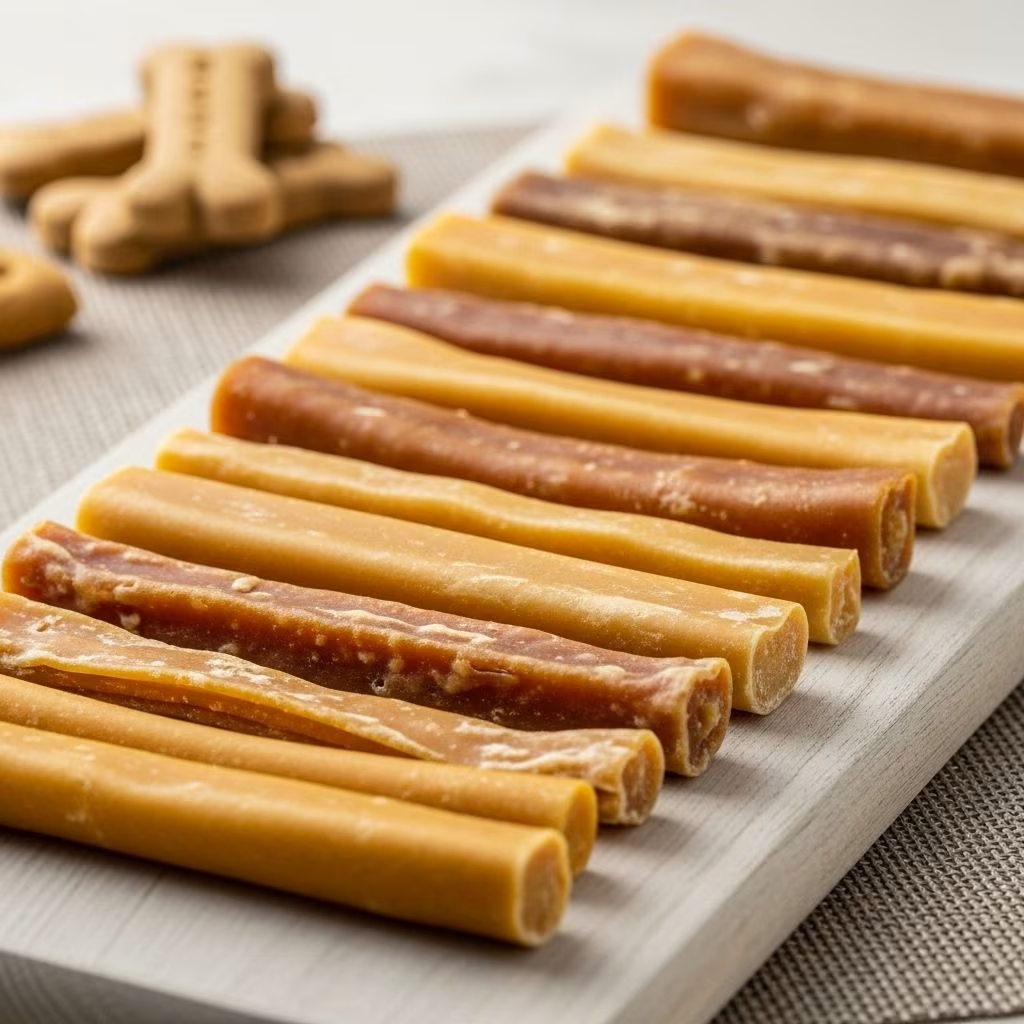
Cheese chews stand apart from other treats due to their unique preparation and material. Himalayan yak cheese, for example, is sun-dried, creating a hard, concentrated snack that resists fast consumption. Unlike regular cheese, these chews don’t melt or disintegrate easily, allowing your dog to slowly gnaw rather than gulp.
Most commercial cheese chews are processed to remove lactose and excess fat, which can upset a dog’s stomach, making them easier to digest. The result is a product that balances taste, durability, and digestibility—triple wins for both dogs and their owners.
Choosing the Right Cheese Chew for Your Dog
Not all cheese chews are created equal, and selecting the right one depends on your dog’s size, chewing habits, and health needs. Here’s what to consider:
- Size Matters: Chews come in various sizes tailored to different weights. Choosing the right size minimizes choking risk and ensures a safe chewing experience.
- Supervision is Key: Always supervise your dog when they’re enjoying a hard chew to intervene if a piece breaks off or if there’s a choking hazard.
- Limit Time with Chews: Even the most durable chew should be taken away after 30–60 minutes to prevent overconsumption or dental wear.
- Monitor for Allergies: While rare, some dogs may react to dairy, so introduce any new treat gradually.
Safety Concerns and Best Practices
Cheese chews are generally safe, but there are important safety considerations every dog owner should be aware of.
Dental Health
Hard cheese chews, including yak cheese, are much harder than typical dog treats. Some veterinary experts caution that chews harder than a dog’s teeth can lead to fractures or breaks, especially in aggressive chewers or dogs with pre-existing dental issues. To reduce this risk, only give hard chews to dogs who chew gently, and always inspect teeth and gums regularly.
Choking and Obstruction Risks
As with any chew, there’s a risk of breaking off small, hard pieces that could pose a choking hazard or cause gastrointestinal obstruction if swallowed. Supervising your dog and selecting an appropriate chew size can help mitigate these risks.
Digestive Sensitivity
Most commercial cheese chews are processed to be lactose- and fat-reduced, making them easier on sensitive stomachs, but introducing any new food slowly is wise.
What to Do If a Piece Breaks Off
If a small piece does break off, you can actually microwave it in water to create a soft, puff-like treat—essentially turning one chew into two types of snacks.
How Cheese Chews Compare to Other Popular Chews
When choosing between cheese chews and other popular options like rawhide, bones, or rubber toys, it’s important to understand the pros and cons of each.
- Rawhide: Often criticized for splintering and causing digestive blockages, rawhide is less recommended than natural cheese chews.
- Rubber Chews: Durable and safe for aggressive chewers, but don’t offer the same nutritional value or taste appeal as cheese chews.
- Bones: Can splinter and cause injury or obstruction. Cheese chews offer a safer, digestible alternative.
- Regular Cheese: Soft cheese like string cheese is fine in small amounts but lacks the long-lasting appeal and dental benefits of hard cheese chews.
| Chew Type | Safety | Durability | Digestibility | Dental Benefits |
|---|---|---|---|---|
| Himalayan Yak Cheese | High (with supervision) | Very high | Good (lactose-free) | Moderate (risk of hard chew) |
| Rawhide | Low (splinter risk) | Moderate | Low (blockage risk) | Some |
| Rubber Chews | High | High | N/A (inedible) | Some |
| Bones | Low | High | Low (splinter risk) | Moderate |
The Story Behind Himalayan Yak Cheese Chews
Himalayan yak cheese chews trace their origin to Nepal, where churpi—a dried cheese snack—has been enjoyed by people for centuries. The idea to market these chews to dogs came when entrepreneurs noticed their pets happily gnawing on the hard cheese, leading to the creation of a new category of dog treat.
The production process is labor-intensive: cheese is dried for weeks, resulting in a hard, long-lasting chew. The industry has grown into a significant export for Nepal, supporting local farmers and even contributing to educational initiatives through charitable donations.
Creative Ways to Use Cheese Chews
Cheese chews aren’t just for keeping your dog busy. They can also be used creatively for training, anxiety relief, and even as a special reward.
- Storm or Firework Anxiety: The long-lasting nature of cheese chews makes them ideal for distracting anxious dogs during stressful events like thunderstorms or fireworks.
- Training Tool: Use small pieces as high-value rewards for training sessions, especially for new or challenging commands.
- Interactive Play: Combine cheese chews with puzzle toys to extend playtime and mental stimulation.
Tips for Introducing Cheese Chews to Your Dog
Introducing any new treat should be done gradually to monitor for adverse reactions. Here’s a step-by-step guide:
- Start Small: Give your dog a small piece and observe for any signs of digestive upset or allergic reaction.
- Supervise the First Few Sessions: Watch how your dog chews, ensuring they don’t bite off large pieces or show signs of distress.
- Limit Duration: As with any chew, don’t let your dog have unlimited access. Remove the chew after 30–60 minutes.
- Store Properly: Keep chews in a cool, dry place to prevent spoilage or mold.
- Consult Your Vet: If your dog has a history of dental problems or digestive issues, ask your veterinarian before introducing hard chews.
Frequently Asked Questions (FAQs)
Are cheese chews safe for all dogs?
Cheese chews are generally safe for most dogs, especially those made from yak milk and processed to remove lactose and fat. However, dogs with severe dairy allergies or dental problems should avoid them. Always supervise your dog while they’re chewing.
How do I know if my dog is allergic to cheese chews?
Signs of an allergic reaction include itching, redness, gastrointestinal upset, or swelling. If you notice any of these symptoms, discontinue use and consult your veterinarian.
Why are Himalayan yak cheese chews so hard?
These chews are sun-dried for several weeks, concentrating the cheese into an extremely hard, long-lasting treat that satisfies a dog’s urge to chew without quickly disintegrating.
Can puppies have cheese chews?
Puppies can have cheese chews, but choose a size appropriate for their weight and supervise closely. Puppies’ teeth are more delicate, so hard chews should be given with caution.
How often can my dog have a cheese chew?
Cheese chews are calorie-dense, so they should be an occasional treat—not a daily staple. Once or twice a week is typically safe for most dogs, but check with your vet if your dog has specific health concerns.
What happens if my dog swallows a large piece?
If your dog swallows a large, hard piece, monitor for signs of choking or obstruction (vomiting, lethargy, loss of appetite). Contact your veterinarian immediately if you notice any concerning symptoms.
Conclusion: Are Cheese Chews Right for Your Dog?
Cheese chews like Himalayan yak cheese offer a natural, long-lasting, and satisfying option for dogs who love to chew. They are especially appealing for dogs with allergies or sensitive stomachs, thanks to their simple, additive-free ingredient list. However, it’s crucial to choose the right size, supervise your dog, and be aware of potential dental risks associated with hard chews.
Used responsibly, cheese chews can be a valuable addition to your dog’s treat rotation—providing mental stimulation, dental exercise, and a tasty reward. As with any treat, moderation and supervision are key to keeping your furry friend safe and happy.
References
- https://www.preventivevet.com/dogs/potential-dangers-of-popular-dog-chews
- https://www.countryliving.com/life/kids-pets/a60550319/dog-cheese-chews/
- https://www.heraldnet.com/business/give-a-dog-a-bone-how-about-a-hard-cheese-chew-from-arlington-instead/
- https://www.countryliving.com/shopping/gifts/g1478/gifts-for-dog-lovers/
- https://www.etsy.com/market/long_lasting_dog_chew?explicit=1&guided_search=1
- https://neurohero.com/Country-Living-Whole-Pig-Ears-15-Pack-Natural-Dog-Chews-For-321061/
- https://business.walmart.com/ip/Country-Living-12-Inch-Braided-Collagen-Sticks-Premium-All-Natural-Dog-Treats-Long-Lasting-Chew-Snacks-Oral-Care-High-Protein-Grain-Free-10-Pack/14969262875