How to Write a Campfire Song: A Step-by-Step Guide
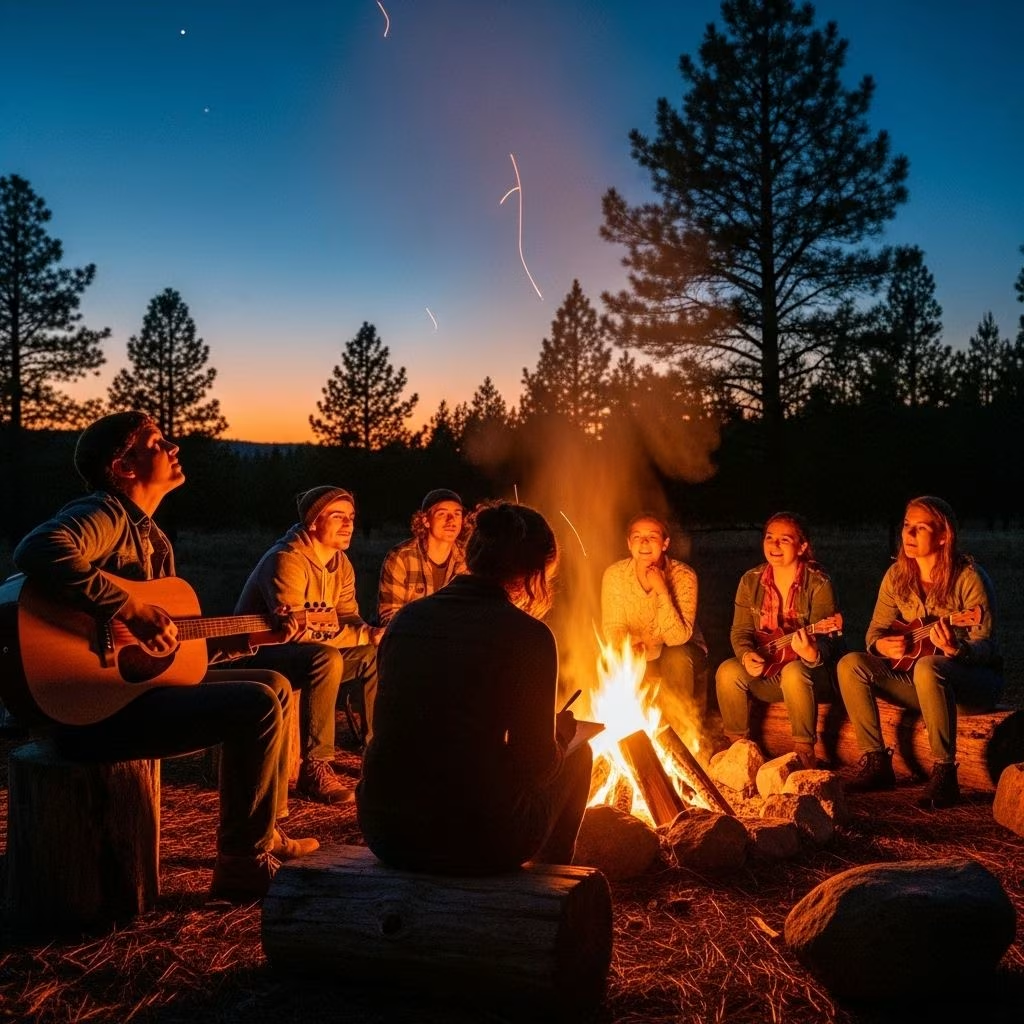
Campfires have a magical way of bringing people together. Nothing sets the scene quite like singing under the stars, surrounded by friends and family, with the crackle of the fire in the background. Whether you’re a seasoned strummer or simply want to share a laugh and a melody, writing your own campfire song is one of the most joyful and memorable ways to enhance the experience.
Why Write a Campfire Song?
Campfire songs unite generations, stir up laughter, and spark creativity. They’re not just for professional musicians—everyone, from kids to grandparents, can get involved. Writing a song together celebrates your group’s unique stories and makes each camping night extra special.
The Essentials: What Makes a Great Campfire Song?
Before you start writing, it helps to know what gives a campfire song its timeless charm. Here are a few trademarks of great campfire tunes:
- Catchy, Simple Lyrics: Easy-to-remember words encourage everyone to sing along.
- Repetitive Chorus: A chorus that repeats lets even first-timers join in after hearing it once.
- Relatable Themes: Songs about nature, friendship, adventure, and humor resonate around the campfire.
- Memorable Melodies: Simple tunes that can be sung or hummed—no instrument required!
- Interactive Moments: Clapping, call-and-response lines, or silly hand motions add fun for all ages.
Tip:
Don’t worry about writing a hit song or rhyming perfectly—the heart of a campfire song is participation and joy!
Step-By-Step: How to Write Your Own Campfire Song
Step 1: Choose Your Song Theme
Start by picking a topic everyone can connect with. Consider these classic campfire themes:
- Friendship and togetherness
- Camping and outdoor adventures
- Nature (stars, trees, rivers, animals)
- Funny or silly stories
- Favorite camp traditions
- Imagination and make-believe
Invite everyone to suggest ideas and vote on the most popular or silliest concept.
Step 2: Brainstorm Lyrics Together
Gather around and start building your song. Try these brainstorming methods:
- Go around the circle, each person adding a lyric or word.
- Start with “Once upon a campfire…” or “Down by the river…” and see where the group’s imagination takes you.
- Pair up younger kids with older participants to collaborate on lines, encouraging even shy campers to contribute.
Lyric-Building Prompts:
- “When we set up our tents…”
- “The fire crackles and glows…”
- “With marshmallows in hand, we…”
Write all suggestions down—even the goofy ones. You never know which line will make the group laugh or inspire the perfect rhyme.
Step 3: Create a Catchy Chorus
The best campfire songs have a chorus that’s easy to repeat and gets everyone singing. Keep it:
- Short—one to three lines.
- Repetitive—with memorable words or a simple melody.
- Fun—add a hand-clap, echo, or silly word for extra enjoyment.
Examples of catchy choruses:
- “Oh, sing it loud by the flickering fire!”
- “Campfire nights, glowing so bright!”
- “S’mores and stories, every night!”
Step 4: Build Your Verses
Verses expand on your song’s story or theme. Use the brainstormed ideas to create short verses—two to four lines each. Don’t stress about perfect rhyme; focus on telling a story or capturing a moment from your camping adventure.
Pro tip: Let each group or family write a verse and share it in a round-robin—it’s a fun way to involve everyone.
Step 5: Add a Bridge (Optional)
If your group is enjoying the process, try writing a bridge—a section with a different melody or subject. This can be a funny twist or a heartfelt moment before the final chorus.
Step 6: Set Your Melody and Practice
You don’t need to be a musician to come up with a tune. Hum a favorite melody, borrow a simple folk song’s tune, or let kids invent a new one. Focus on a melody everyone can remember and sing comfortably—even without instruments.
If you have a guitar or ukulele, stick with basic chords (G, C, D, and A are easy choices). However, even spoken or “shouted” songs can be a hit around the fire.
Ideas for Making Campfire Songs Even More Fun
- Call and Response: One person sings a line, and the group repeats it (great for little kids).
- Add Hand Motions: Choreograph a clap, stomp, or motion for each verse or chorus.
- Improvise Silly Sounds: Bark like a dog, hoot like an owl, or make up your own noises for nature-themed verses.
Example Campfire Song Structure
| Section | Purpose | Tips |
|---|---|---|
| Verse | Tell a funny, adventurous, or heartfelt story | 2-4 lines, use imagery or detail from camping life |
| Chorus | Easy-to-remember, repeated lines | Keep it short; everyone should join in |
| Verse | Add a new character, twist, or joke | Let a new person or group write this section |
| Bridge (optional) | Provides a break or unique moment in the song | Tells a surprise, moral, or builds to final chorus |
| Final Chorus | Closes the song on a high note | Sing louder, add harmonies or motions |
Tips for Group Songwriting Success
- Keep It Light: The goal is laughter and togetherness, not perfection.
- Be Encouraging: Every idea is worth hearing—often the silliest lines are the most memorable!
- Involve Everyone: Assign roles—lyric writers, singers, percussionists (think pots, sticks, or hands), and “sound effects engineers.”
- Let Kids Lead: Children bring wild ideas and endless energy. Support their creativity and celebrate their input.
- Celebrate the Song: Perform it multiple times, create a tradition of singing it at every campfire, or turn it into a family anthem.
Campfire Song Inspiration: Classic Themes and Modern Twists
If you need a little jump-start, consider drawing inspiration from these classic campfire song elements:
- Nature’s beauty (sunsets, moonlight, forest sounds)
- Camp chores and mishaps (burnt marshmallows, leaky tents, noisy snores)
- Friendship and teamwork
- Adventures and exploring
- Made-up legends or funny characters
Or, try one of these creative twists:
- Reimagine a famous song with camping-themed lyrics.
- Make an “echo song”—where each line is repeated, growing louder or sillier.
- Challenge each group to write a verse and compete for the most creative, funniest, or storytelling line.
Ways to Preserve Your New Campfire Song
- Write It Down: Keep a “Camp Songbook” for future trips.
- Record the Performance: Use a phone to capture your group singing—instant memories!
- Share Lyrics: Send the lyrics to everyone after your trip or add them to a family newsletter.
Frequently Asked Questions About Campfire Songwriting
Q: Do I need to play an instrument to write or sing a campfire song?
A: No! While instruments like guitar or ukulele can add fun, the best campfire songs often rely on a simple melody everyone can sing a cappella. Percussion can be as simple as clapping or tapping sticks together.
Q: What if I can’t rhyme?
A: Rhyming makes songs memorable but is not required. Focus more on telling a story or evoking a feeling. Half the fun is being silly and creative!
Q: How do I help shy or quiet campers join in?
A: Use call-and-response patterns or let everyone join in on the chorus. Assign simple tasks—like coming up with a sound effect or motion—for those less comfortable singing solo.
Q: Can we turn an existing song into a campfire song?
A: Absolutely. Parodies—rewriting lyrics to familiar tunes—are a classic campfire tradition. Pick a well-known melody and swap in your group’s favorite camping moments for the verses.
Group Activities to Spark Creativity
- Song Line Relay: Pass a notebook around the campfire, with each person writing one line.
- Prompt Jar: Fill a jar with words (marshmallows, tent, chilly, owl, s’more) and draw one for each person to include in the song.
- Action Verses: Create dance moves or silly actions for each chorus or verse.
- Tone Challenge: Sing the song in surprise styles—pirate, opera, whisper, or underwater (use gestures and gurgles).
Printable Campfire Song Structure (For Your Next Adventure)
Campfire Song Outline
- Pick a Theme: (e.g., s’mores, stargazing, pranks)
- Brainstorm Lyrics: Make it a group activity
- Create a Chorus: Simple, repeatable, and fun
- Write Verses: Share stories or jokes
- Add Sound Effects or Motions: Bark, clap, howl at appropriate moments
- Sing, Record, and Save: Keep the lyrics for your family songbook
Encouragement: Anyone Can Write a Campfire Song
Remember, the beauty of campfire songwriting is that every voice matters. Follow the steps above, let your imagination take flight, and share laughter that lingers long after the embers fade. The best songs are those sung from the heart, with marshmallow-sticky fingers and smiles all around.
References
- https://www.instructables.com/How-to-Write-a-Country-Song/
- https://coolofthewild.com/campfire-songs/
- https://www.girlscoutshs.org/content/dam/girlscoutshs-redesign/documents/outdoorscamp/CampfireSing-a-longSongBook.pdf
- https://www.youtube.com/watch?v=uBywQNPnc34
- https://www.countryliving.com/life/kids-pets/a61016038/write-a-campfire-song/
- https://campfire.org/blog/article/author/erin/page/9/
- https://www.holidaylake4h.com/images/Forms/Virginia-4-H-Camping-Song-Book.pdf