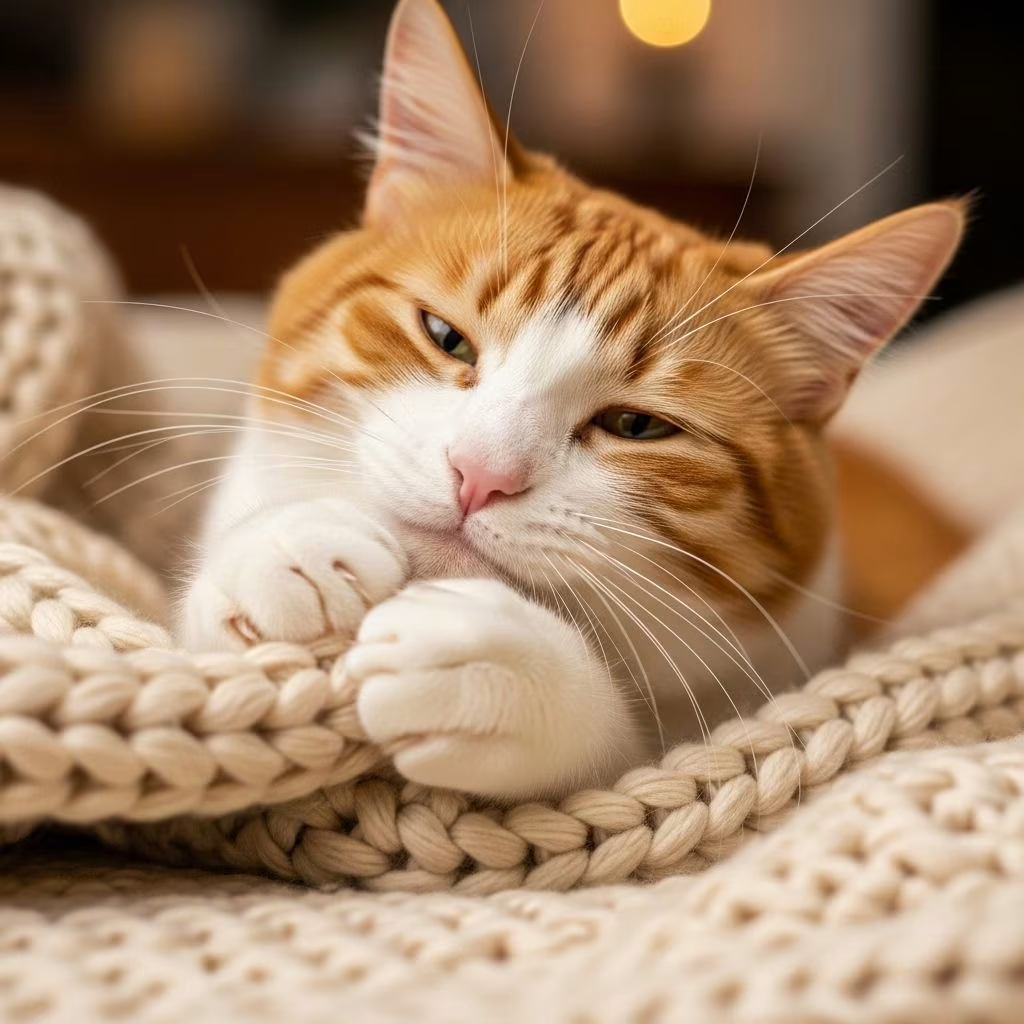
Why Do Cats Knead? The Story Behind the ‘Making Biscuits’ Habit
Cats, both young and old, are known for kneading—a rhythmic pressing of their paws into soft surfaces, a charming behavior affectionately called ‘making biscuits’ by cat lovers. If you’ve ever wondered why your feline friend methodically pushes their paws into your lap, blanket, or even your stomach, the origins and meanings of kneading are both fascinating and deeply rooted in the feline psyche.
What Is Cat Kneading?
Kneading, sometimes called ‘kneading dough,’ is an instinctive motion where cats alternate pushing their front paws into a soft object, such as a blanket, pillow, or human. During each movement, they often stretch their toes to expose their claws, then retract them, repeating in a soothing, rhythmic pattern. This action most commonly occurs when cats are relaxed, about to settle down for a nap, or when they’re feeling especially affectionate.
- Visible signs of kneading: Repetitive paw movements, sometimes alternating sides, often accompanied by soft purring, drooling, or a glazed, contented expression.
- Favorite surfaces: Blankets, soft furniture, plush toys, their owner’s belly or lap.
- Not just kittens: Both kittens and adult cats knead, though the reasons may shift as they age.
Why Do Cats Knead? Key Explanations
There isn’t a single reason why cats knead—multiple theories, both biological and behavioral, converge to explain this common cat habit.
1. Comfort from Kittenhood
The most widely accepted origin is rooted in early kittenhood. When nursing, kittens knead their mother’s belly to stimulate milk flow. The act is tied to the greatest feelings of safety, nourishment, and warmth they will experience. Many adult cats maintain this behavior, instinctively reverting to kneading when they feel especially comforted, safe, or content. For your cat, kneading might be a way of expressing that, in your presence or on your favorite blanket, they experience that same deep sense of security.
2. Marking Territory with Scent
Cats have scent glands in the soft pads of their paws. When they knead soft surfaces, they’re not just enjoying the sensation; they’re also releasing their unique scent. This subtle scent-marking says, “This is mine!” By kneading you or your favorite things, cats claim their territory and reinforce their bond with you—even if you don’t notice the scent, other cats likely would.
- Some cats knead more frequently or on certain objects as a way of increasing the comfort and familiarity of the environment.
- Fact: This territorial claim isn’t just about keeping away other animals—it’s also a sign of affection towards their human companion.
3. Expressions of Affection
Among the most treasured interpretations: kneading is a display of love. When a cat settles in to knead your lap while purring loudly, they are expressing profound trust and happiness. The repetitive nature of kneading is relaxing—both physically and emotionally—for the feline. Signs of affection while kneading can include:
- Accompanying purrs
- Closed or half-closed eyes
- Slow head bobs or gentle nuzzling
Try to appreciate the intention, even when claws make things a bit uncomfortable. Many expert sources agree: kneading while in your lap is the ultimate feline compliment!
4. Preparing a Nest or Resting Spot
Kneading is also observed among wild cats, who will pat down tall grass or soft earth to create a suitable resting place. This nesting instinct persists in domesticated cats, especially in females who are unspayed or in heat—they may knead vigorously as if preparing a spot for kittens. Even for spayed cats and males, the urge to fashion a soft, safe bed remains strong.
- Cats may create a makeshift bed by kneading and circling on blankets, towels, or their favorite part of the couch.
- This natural, inherited behavior helps to explain why cats often knead before sleeping or lounging.
5. Stress Relief and Self-Soothing
For some cats, kneading is more than a physical habit—it’s a simple way to cope with stress, anxiety, or big changes. The act itself is repetitive and meditative, providing mental comfort. They may knead more during times of household upheaval, or when guests or new pets are introduced. If your cat is kneading more than usual, consider whether a recent change could be contributing to their behavior.
- Kneading can help cats regulate their own emotional well-being.
- Cats separated from their mothers too early may be especially likely to retain kneading as a primary comfort mechanism.
6. Attention-Seeking and Play
Kneading can sometimes signal that your cat wants your attention—especially if they’re bored, hungry, or have been alone for a while. In these cases, cats might knead directly on their human, meow, or nuzzle to indicate they’re ready for playtime, petting, or food.
- Accompanying behaviors may include direct eye contact, gentle headbutting, or a plaintive meow.
- Try engaging your cat with a toy or some interactive play if kneading seems purposeful and directed at you.
How Do Cats Knead? Typical Patterns and Variations
Though the basic pattern is similar, every cat adds their own flourish to kneading:
- Paw choice: Most use their front paws, but some may engage all four, creating a whimsical “marching” effect.
- Claws in or out: Some cats gently extend claws, while others keep them retracted.
- Other behaviors: Purring, soft drooling, even a little suckling on the blanket or your clothes are not unusual.
- Intensity varies: From barely noticeable treads to deep, paw-stretching pushes—it all depends on your individual cat.
Why Do Some Cats Knead More Than Others?
Kneading tendencies are not universal—some cats rarely or never knead, while others make ‘biscuits’ multiple times a day. Several factors contribute to these differences:
| Factor | Explanation |
|---|---|
| Breed & Personality | Affectionate breeds (ex: Ragdoll, Siamese) and cuddly personalities tend to knead more. |
| Early Life | Cats weaned early or with strong maternal bonds may retain the kneading habit longer. |
| Stress & Anxiety | Cats may increase kneading in response to household changes or emotional upset. |
| Gender & Hormones | Unspayed females in heat may knead more as part of nesting behavior. |
| Age | Some cats outgrow kneading, while others maintain the habit for life. |
Don’t worry if your cat doesn’t knead—it isn’t a sign of unhappiness. All cats have their unique ways of showing affection and comfort.
Does Kneading Always Mean a Cat Is Happy?
While kneading is typically a good sign—indicating contentment, relaxation, and a sense of security—it can sometimes mean something else is going on. Reading the context is key:
- Happy context: Kneading while curled up with you, purring, or before sleep usually reflects joy and comfort.
- Seeking comfort: A sudden uptick in kneading, especially if paired with hiding, reduced appetite, or clinginess, could signal that your cat is seeking reassurance after a stressful event or illness.
- Nesting and hormones: Female cats in heat or preparing to nest may knead more as part of their maternal instinct.
- Health issues: Rarely, excessive or frantic kneading may point to discomfort, pain, or a medical concern—especially if accompanied by other unusual behaviors.
If kneading seems compulsive, disruptive, or is paired with clear signs of distress, check with your veterinarian to rule out underlying issues.
FAQs About Cat Kneading
Why do cats knead on their owners?
Cats knead on their owners to show affection, reinforce bonds, and mark them with their scent. It’s also a sign they feel safe and at ease with you.
Is my cat trying to tell me something when kneading?
Often, kneading is simply about comfort or love. However, it can also be a sign of seeking attention, needing comfort, or—in female cats—nesting behavior.
How can I protect myself from sharp claws during kneading?
Consider keeping your cat’s claws trimmed and placing a thick blanket over your lap if kneading gets intense. Never scold your cat for kneading—instead, gently redirect them to a softer surface if needed.
Should I worry if my cat suddenly kneads more than usual?
A slight increase is usually harmless, especially during times of stress or change. If excessive kneading is paired with hiding, appetite changes, aggression, or other unusual behavior, consult your vet.
Is it bad if my cat never kneads?
No—many happy, healthy cats don’t knead at all. They may express affection in other ways like head bunting, purring, or simply lounging near you.
Can male cats knead? Or is it mainly females?
Both male and female cats knead. However, unspayed females may knead more often during heat cycles as part of nesting instinct.
Tips for Supporting Healthy Kneading Behavior
- Provide plenty of soft, cozy bedding in your cat’s favorite locations.
- Trim your cat’s claws regularly to keep their kneading safe for both of you.
- Engage in interactive play to meet your cat’s emotional and physical needs.
- Maintain a stable routine and safe environment, especially during big household changes.
- Offer comfort items like plush toys, which some cats will knead, suckle, or carry around as a security object.
The Meaning Behind ‘Making Biscuits’
Cat kneading is a multifaceted behavior—a blend of instinct, affection, stress-relief, and deep-seated feline memories. Next time your cat begins ‘making biscuits’ on your lap, appreciate the trust and comfort they’re communicating in the ways cats know best. With gentle understanding and a soft blanket, you’ll both enjoy this sweet display of feline affection for years to come.
References
- https://www.fourpaws.com/pets-101/cat-corner/why-do-cats-knead
- https://dixhillsanimalhospital.com/blog/why-does-my-cat-make-biscuits-on-me/
- https://en.wikipedia.org/wiki/Kneading_(cats)
- https://www.petmd.com/cat/behavior/why-do-cats-knead
- https://warrickvet.com/blog/what-is-cat-kneading-and-why-do-they-do-it/
- https://www.eastsacvet.com/blog/making-belly-biscuits-why-do-cats-knead-people/
- https://www.catgenie.com/blogs/catgazette/kneading-101-why-your-cat-kneads