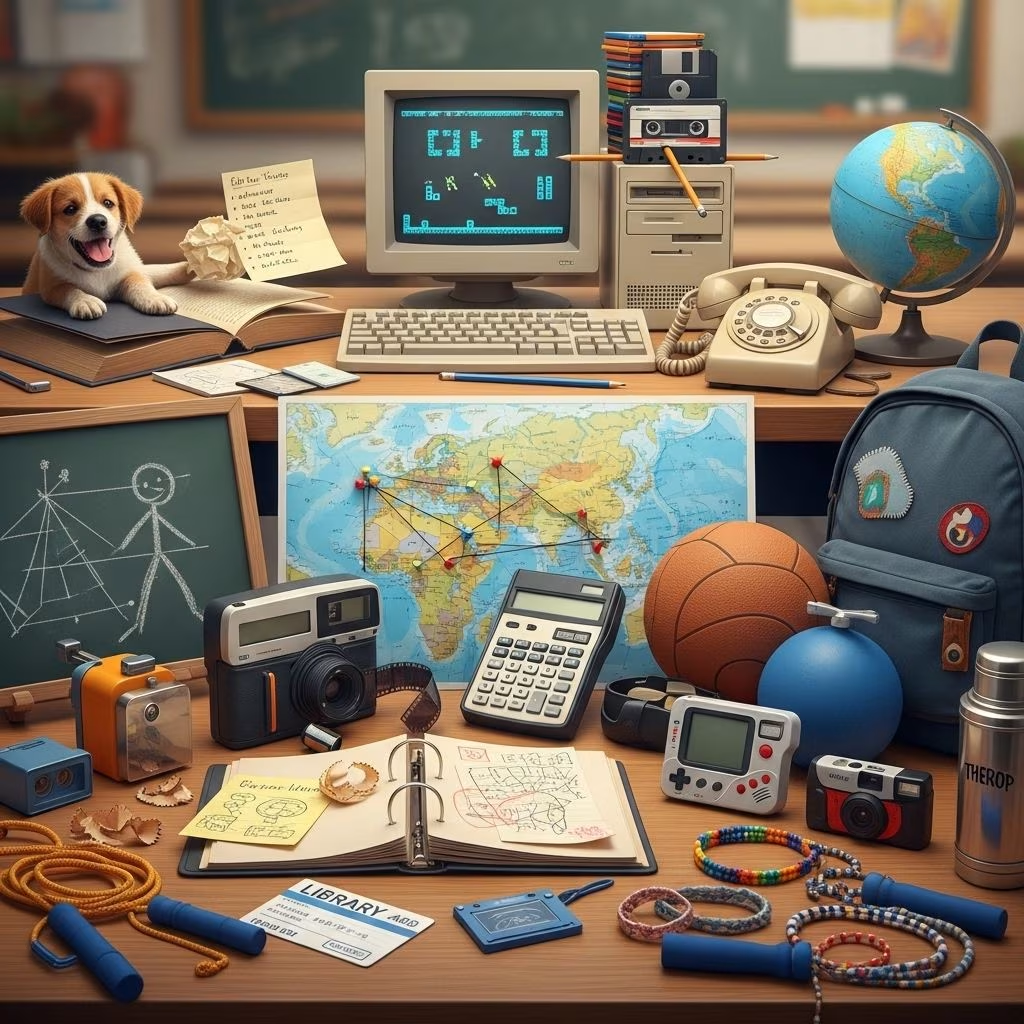
As the landscape of education evolves, many traditional school experiences are fading into memory. From the feel of chalk dust on your fingers to the thrill of hearing the last bell ring, generations of students once shared a tapestry of everyday moments that today’s children might never encounter. The march of technology, changes in curriculum, and shifting cultural norms have transformed classrooms—and the lives of students within them. Here is a nostalgic look at 20 school experiences being left behind.
1. The Scent and Squeak of Chalkboards
Before whiteboards and interactive screens became the norm, students and teachers relied on slate and chalk. The screech of chalk on a green or black board was a daily symphony, and erasing it—sending up clouds of white dust—was a coveted job. Remember clapping erasers clean outside at the end of the day? Today, most classrooms are free of chalk altogether.
2. Passing Handwritten Notes—Not Texts
Instead of hurriedly sending emojis or messages under their desks, students scribbled quick notes or elaborately folded paper secrets, passing them hand-to-hand while teachers wrote on the board. The risk of interception by an eagle-eyed educator only made the ritual more thrilling.
3. The Book Fair Extravaganza
The annual book fair, often set up in the school library or gym, was an exciting event. Tables overflowed with colorful covers and the enticing scent of new books. Kids would bring carefully counted dollars from home, hoping to snag the latest mystery series, poster, or bookmark before their friends did.
4. The Art of Cursive Handwriting
Cursive lessons—looping, swirling, and connecting every letter—were once a core part of elementary education. Students filled page after page practicing neat capital Gs and elegant lowercase z’s. Today, many curricula no longer require students to learn or use cursive writing.
5. Dictionaries, Encyclopedias, and Library Cards
- Printed dictionaries and encyclopedias lined classroom shelves and libraries. Assignments required students to flip pages in search of definitions or fun facts.
- Physical library cards, often crafted from sturdy cardstock, were your passport to borrowing books and accessing information—long before the internet replaced the reference section.
6. Spiraling up Pencils—and Low-Tech School Supplies
Electric pencil sharpeners were a luxury—the hand-crank wall-mounted kind was standard. Pencils whittled to nubs, Trapper Keepers bursting with papers, and book covers fashioned from brown grocery bags are now rare sights in tablet-heavy classrooms.
7. Paper Report Cards—Delivered (or Hidden) by Hand
Students once awaited the fateful day when report cards, often tucked in manila envelopes, came home to parents—sometimes handed directly to Mom or Dad, sometimes stashed in a backpack or under a mattress. Now, digital gradebooks send automated alerts to families instantly.
8. The Thrill of Snow Days (or Fog Delays)
Watching the news tickers or listening to radio broadcasts with hopeful anticipation, students prayed for weather-related no-school days. The magic of an unexpected free day is quickly disappearing with the proliferation of remote learning, which means class can continue—snow, sleet, or shine.
9. Making Pen Pals—Across the Miles
Before the instant communication of email or texting, classrooms were often paired with others across the country or world for pen pal exchanges. Carefully chosen stationery and stamps connected kids in different places, introducing new cultures and friendships through handwritten words.
10. Overhead Projectors and Transparencies
Teachers used to wield markers on transparent sheets, loading each onto a humming overhead projector. Students watched diagrams and notes grow on the wall and hoped for a turn to clean the sheets or load transparencies. Today, digital projectors and touchscreens have replaced these classroom icons.
11. Learning by Listening—Cassette and CD Players
- Language lessons, music, and storytime used to be played via cassettes or CDs, requiring a clunky player or even headphones with shared earpieces.
- Rewinding and fast-forwarding to find the right track was an adventure of its own. With streaming and apps, most students never experience tape hiss or skipping CDs.
12. Traditional Field Day Fun
Field days meant sack races, tug-of-war, three-legged runs, and the thrill of a blue ribbon—rain or shine on the school lawn. The day was about fresh air, teamwork, and snacks, often ending with popsicles or watermelon. Today, such simple outdoor traditions may be replaced by structured activities or lost to liability concerns.
13. Classroom Jobs—Line Leader to Chalk Monitor
Each week, a roster of vital classroom jobs was posted: line leader, door holder, plant waterer, chalk monitor. The pride of being trusted with a responsibility—however small—made students feel integral to the smooth running of classroom life.
14. School Lunches—Before ‘Healthy’ Overhauls
- The lunch tray classics: rectangles of pizza, mashed potatoes with a crater of gravy, chocolate milk cartons, and Jell-O squares. Many schools are now focused on health-conscious meals and allergy restrictions, making the old menu unrecognizable.
15. Learning to Write Checks and Balance a Checkbook
Financial literacy, if it was taught in school at all, was practical and paper-based. Students learned to fill out checks, calculate change, and balance checkbooks. In today’s digital economy, these analog skills have all but faded from curricula.
16. Analog Clocks and Timed Multiplication Drills
Classrooms displayed big analog clocks, and students learned to tell time the traditional way: “quarter past” or “ten to.” Math mastery was assessed through timed worksheets: multiplication grids, flash cards, and mental math races. Now, digital clocks and calculators are ever-present, and assessment methods have shifted.
17. Dress-Up Days—Spirit Weeks and Special Outfits
- From pajama days and wacky hair contests to themed dress-up weeks, school calendars were once dotted with playful events that built unity and, sometimes, a bit of embarrassment. While some schools keep up this tradition, stricter dress codes and pandemic-related disruptions have made these days rarer in some communities.
18. Music Class—Recorders, Xylophones, and Songbooks
For many, their first encounters with music meant learning a simple tune on a plastic recorder, memorizing folk songs from a spiral-bound book, or playing percussion on battered xylophones. Creative, group music making is less central in many current curricula.
19. Assemblies and All-School Events
Whether it was the anticipation of a talented storyteller, the excitement of an awards assembly, or the whole school gathering to sing, assemblies once anchored the school year. Tightened schedules, security protocols, and virtual learning have changed the nature and frequency of these events.
20. Greeting the End-of-Day Bell
The ringing bell was a universal signal—school’s out! The chorus of zipping backpacks and laughter in the halls kicked off afternoons of free play and unscheduled adventure. Flexible dismissal, “staggered” times, and aftercare mean fewer students now experience the classic rush to the exits.
How School Life Has Changed: Key Themes
- Digital Transformation: Paper, pens, and blackboards have been replaced by tablets, computers, and interactive screens.
- Cultural Shift: Health trends, new safety regulations, and evolving social norms are reshaping everything from school lunches to special events.
- Loss of Hands-On Experiences: The skills learned from simple classroom routines—reading clocks, writing in cursive, or managing paper assignments—are falling by the wayside.
- From Shared Rituals to Individualized Learning: New technologies and educational philosophies allow for more personalized, self-paced learning, but also mean some shared rites of passage are gone.
Frequently Asked Questions (FAQs)
Q1: Why are chalkboards disappearing from schools?
Most classrooms have switched to whiteboards, smartboards, or interactive flat panels for their ease of use, reduced mess, and integration with digital tools.
Q2: Do students still learn cursive writing?
Cursive handwriting is no longer required in the curriculum of many states and districts, so most students only receive limited or optional instruction, if any.
Q3: Is pen pal writing still practiced in schools?
Pen pal projects have largely been replaced by digital communication or classroom collaborations online, though some educators revive the practice for its cultural and interpersonal value.
Q4: Are school lunches healthier than before?
Most schools have moved toward more nutritious, balanced meals and allergy-safe environments, updating the menus and phasing out many processed options from years past.
Q5: What skills are children missing today that were once taught in school?
Skills like cursive writing, analog time-telling, and balancing checkbooks have been diminished due to changing technological needs and curriculum priorities.
Comparing Then vs. Now: Classroom Tools
| Experience | Then | Now |
|---|---|---|
| Reading | Library books, paper encyclopedias | eBooks, online databases |
| Classwork | Pencils, paper assignments | Tablets, Google Docs |
| Communication | Handwritten notes, pen pals | Email, messaging apps |
| Displays | Chalkboards, bulletin boards | Smartboards, projectors |
| Math Practice | Flashcards, worksheets | Online math games, apps |
Final Thoughts
Much has changed about the way children experience school, but the universal moments of discovery, growth, and friendship endure. The tools and traditions may differ, yet the shared journey of learning continues to create lifelong memories, even as the form they take evolves with every new generation.
References
- https://pmc.ncbi.nlm.nih.gov/articles/PMC11431647/
- https://livingwisdomschool.org/category/articles-about-lws/
- https://www.upworthy.com/teachers-share-how-students-are-in-2024-ex1
- https://www.countryliving.com/life/kids-pets/g61916291/things-kids-will-never-experience-in-school-2024/
- https://www.countryliving.com/shopping/g61896236/back-to-school-supplies-list-according-to-a-teachers-daughter/
- https://www.countryschoolassociation.org/the-report-card—blog.html
- https://www.aft.org/ae/winter2024-2025/graham
- https://www.globetrottinkids.com/helpful-resources-for-teaching-kids-how-to-do-a-research-project-on-a-country/