A Senior Dachshund, Tootsie, and Her Brush with Mortality
Tootsie, a plucky, chubby, sixteen-year-old dachshund, was known for her zest for life. Only a few months earlier, her owner, Jo Ruth Alvis, had thrown her a birthday party complete with ice cream, a new dress, and a party hat—a fitting celebration for a dog who’d always been the picture of health, despite her age and extra pounds. But suddenly, Tootsie became gravely ill. Her health took a sharp turn, and a veterinary examination revealed a serious issue: her spleen needed to be removed. The vet gently raised the possibility that, given Tootsie’s age and the risks involved, it might be kinder—and less expensive—to consider euthanasia. But Alvis was determined to give Tootsie every chance at life, and the surgery was scheduled for the next day.
Coming Home from Surgery: The Critical Hours
Because the veterinary clinic lacked overnight staff and Alvis was adamant about being with her dog, she was allowed to bring Tootsie home and return in the morning. When she dropped Tootsie off, she was hopeful, but picking her up after the procedure was a different story. Tootsie was listless, barely conscious, and, most alarmingly, refusing food—a behavior utterly alien to this food-obsessed pup. The clinic staff had tried everything, even borrowing a rotisserie chicken from a nearby supermarket, but nothing could tempt Tootsie to eat. The outlook was dire: if she didn’t eat soon, she wouldn’t survive. Alvis was overcome with guilt, questioning if she’d put Tootsie through the ordeal for her own benefit rather than Tootsie’s.
The Unlikely Hero: Fried Chicken
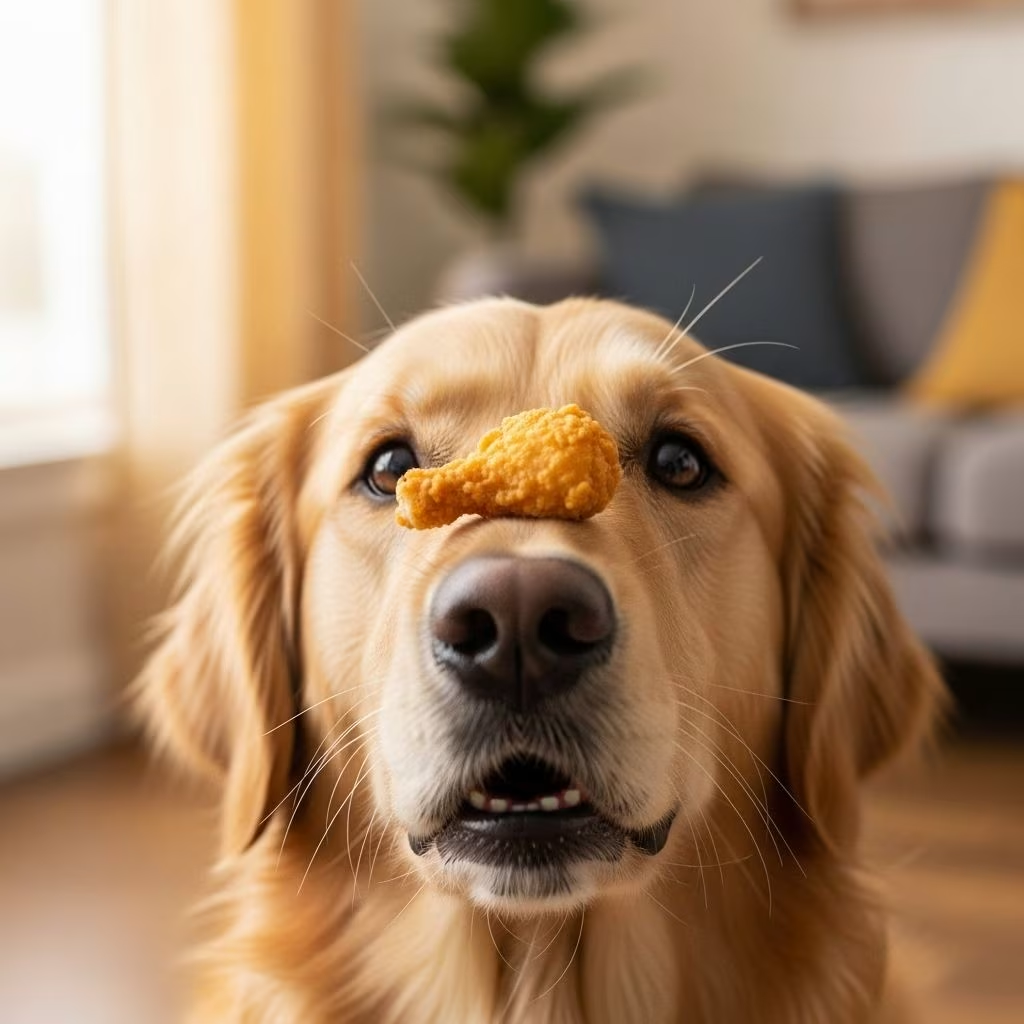
As Alvis drove her ailing dachshund home, she stopped at a local fast-food chain, Milo’s, to pick up dinner for her son. When the chicken finger combo was handed over, the aroma filled the car. What happened next was almost magical: Tootsie’s nose began to twitch and sniff—she lifted her head, seeking the source of the irresistible smell. It was the first sign of life Alvis had seen since the surgery. She pulled into a parking lot and carefully fed her dog small pieces of the warm, crispy chicken. Remarkably, Tootsie ate an entire chicken finger, a small but vital victory.
Recovery and Return to Form
Over the next 48 hours, Alvis continued to offer chicken fingers, and Tootsie continued to eat. Soon, the senior dachshund was back to her old self— bossy, lively, and even bossing around the other household pets. The transformation was so complete that it was as if the surgery and illness had never happened. The fried chicken, while not exactly “health food,” had become Tootsie’s miracle cure. When Tootsie eventually passed away—peacefully, at home, at 18 years and four months—Alvis credited every extra day with her beloved pet to those fateful chicken fingers.
Reflections on Pet Care, Aging, and Diet
This heartwarming story raises important questions about the care of senior pets, their dietary needs, and the emotional bonds that drive us as pet owners.
Senior Pet Care: Challenges and Considerations
- Aging and Health: As pets age, they face increased risks of illness and complications from surgeries. Tootsie’s story highlights the difficult decisions owners must make regarding medical interventions.
- Guilt and Choices: Alvis’s guilt and second-guessing are emotions many pet owners experience when weighing the cost, both financial and emotional, of treatment versus comfort.
- The Comfort of Routine and Food: Sometimes, familiar foods can provide comfort and stimulate appetite in sick pets, even when “healthier” options fail.
Dietary Flexibility in Recovery
While veterinarians generally recommend balanced, species-appropriate diets, there are times when the appeal and palatability of less traditional foods—like fried chicken—can make the difference between life and death for a recovering pet. Tootsie’s story underscores that, in critical moments, appetite stimulation may be more important than nutritional perfection.
The Emotional Bond Between Pets and Owners
Alvis’s account is also a testament to the deep emotional connection between pets and their humans. The love and determination that drove her to seek every option, and the grief that followed, are universal feelings for pet owners. The story celebrates not only Tootsie’s recovery but also the profound impact pets have on our lives.
Other Pet Topics: Breed Spotlight
While the focus of the article is Tootsie’s unique recovery, Country Living’s pet section covers a variety of other topics—from breed guides to celebrity pet stories. The original site features lists such as:
- Outgoing Dog Breeds
- Loudest Dog Breeds That Love to Bark
- Most Popular Dog Breeds in the U.S.
- Adorable Celebrity Pet Rescue Stories
FAQs: Answering Common Questions
Q: Is fried chicken safe for dogs?
A: While fried chicken is not recommended as a regular part of a dog’s diet due to high fat and salt content, small amounts in special circumstances may be okay. Always consult your veterinarian before offering human food.
Q: How do you know when it’s time to consider euthanasia for a senior pet?
A: Deciding when to let go is deeply personal and should be made in consultation with a trusted veterinarian, considering the animal’s quality of life, pain level, and prognosis.
Q: How can I stimulate appetite in a sick or recovering pet?
A: Appetite can often be stimulated with favorite foods, gentle warming, and hand-feeding. Work with your vet to find the best options for your pet’s condition.
Takeaway: Every Moment Counts
Tootsie’s unexpected recovery on a diet of fried chicken is a reminder of the resilience of animals and the lengths we’ll go to for our pets. It’s a story about hope, love, and the surprising ways life can be renewed—sometimes by the simplest comforts.