25 Foods Your Dog Should Never Eat
Keeping your dog safe starts in the kitchen. While many foods are harmless—even healthy—for humans, certain ingredients can be extremely dangerous for dogs. From ordinary snacks like grapes and chocolate to hidden hazards in pantry items, pet owners must stay vigilant about what gets into their dog’s bowl. This guide details 25 foods your dog should never eat, explains why they’re hazardous, notes potential symptoms of poisoning, and provides alternative, dog-friendly choices.
Why Some Human Foods Are Dangerous for Dogs
Dogs have unique metabolisms and can react badly to substances completely safe for humans. Consuming even small amounts of these foods can cause vomiting, diarrhea, organ damage, or worse. Staying informed and keeping forbidden foods out of reach is essential for your pet’s health and safety.
Foods That Can Be Toxic or Harmful to Dogs
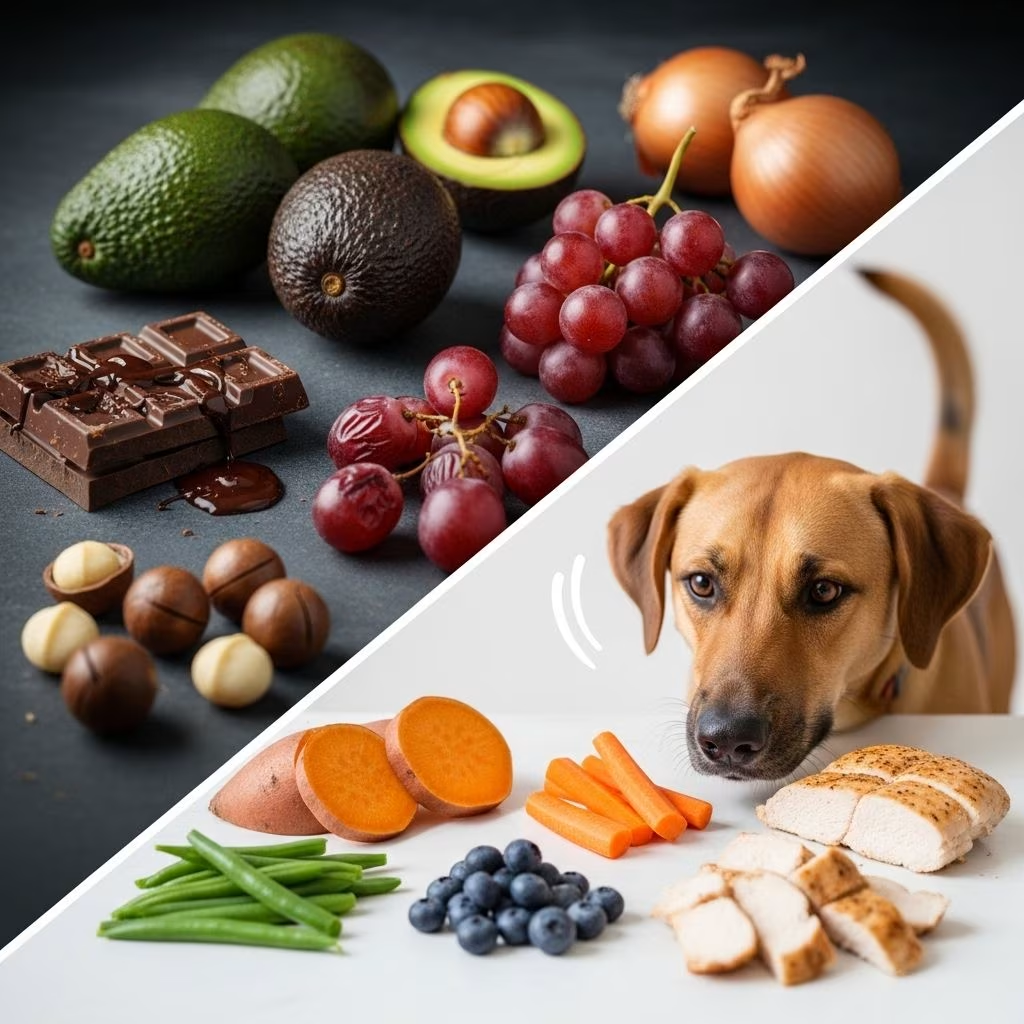
- Chocolate
Theobromine and caffeine in chocolate are highly toxic to dogs. Symptoms of poisoning include vomiting, diarrhea, rapid heartbeat, and potentially seizures or death. Dark chocolate is especially dangerous due to its higher concentration of theobromine.
- Grapes and Raisins
Even tiny amounts can cause sudden kidney failure in dogs. Symptoms include vomiting, lethargy, and loss of appetite. Immediate veterinary attention is critical after ingestion.
- Onions, Garlic, Leeks, and Chives
These allium family vegetables can damage red blood cells, leading to anemia. Toxicity can occur from raw, cooked, powdered, or dried forms—so even soup broths pose risks.
- Avocado
Persin, a toxin found in avocados, can cause vomiting and diarrhea in dogs. The pits are also a choking hazard and can cause intestinal blockages.
- Macadamia Nuts
Consumption can lead to weakness, tremors, vomiting, and increased body temperature. Macadamia nuts are found in many baked goods and trail mixes—always keep them locked away.
- Alcohol
Beer, wine, spirits, and foods containing alcohol cause severe central nervous system depression, vomiting, and can be fatal. Symptoms may appear within thirty minutes and require immediate intervention.
- Xylitol (Artificial Sweetener)
This sugar substitute, found in gum, baked goods, and sugar-free snacks, triggers a rapid release of insulin in dogs, causing hypoglycemia and potential liver failure.
- Coffee, Tea, and Caffeinated Beverages
Caffeine causes vomiting, hyperactivity, tremors, abnormal heart rhythm, and seizures in dogs.
- Cooked Bones
After baking, roasting, or grilling, bones become brittle and can splinter, risking choking and fatal gastrointestinal blockages or tears.
- Fat Trimmings and Greasy Foods
Cuttings from meats or fried foods can cause pancreatitis—a painful and sometimes deadly inflammation of the pancreas. Vomiting and abdominal pain are typical signs.
- Dough with Yeast
Raw bread dough rises in a dog’s stomach, releasing toxic levels of ethanol and causing bloating—a veterinary emergency.
- Milk, Cheese, and Other Dairy Foods
Many dogs are lactose intolerant, experiencing upset stomach, diarrhea, or allergic reactions after eating dairy products. Cheese is especially calorie-dense, contributing to obesity, a growing concern in pet health.
Just one cube can supply over 30% of a small dog’s daily caloric needs. - Salt
High doses cause excessive thirst, vomiting, tremors, and potential fatal electrolyte imbalances. Beware of salty snacks like chips or pretzels.
- Raw Eggs
Uncooked eggs may harbor salmonella or E. coli, and the enzyme avidin in raw whites can hinder biotin absorption, causing skin and coat problems.
- Raw or Undercooked Meat, Fish, and Poultry
Uncooked animal proteins can contain harmful bacteria (like Listeria or Salmonella) and parasites; raw fish may also contain the enzyme thiaminase, leading to neurological symptoms.
- Peach, Plum, Apricot, and Cherry Pits
Pits and seeds of these fruits contain cyanide and may block or tear digestive tracts.
- Apple Seeds
Contain small amounts of cyanogenic glycosides (cyanide). While a few seeds aren’t likely lethal, consistent ingestion may accumulate toxins.
- Mustard Seeds
Commonly found in condiments, these can upset dogs’ stomachs or even lead to more severe digestive issues.
- Mushrooms
Wild mushrooms may contain toxins dangerous to dogs, causing vomiting, hallucinations, or organ failure.
- Rhubarb and Its Leaves
Oxalates in rhubarb can trigger kidney failure; leaves are especially potent.
- Nutmeg and Spices
This spice contains myristicin, which can cause tremors, seizures, and nervous system damage.
- Raw Potatoes and Potato Skin
Contain solanine, a compound toxic to dogs, especially when green or sprouted; can cause vomiting and confusion.
- Citrus Fruits and Peels
Citric acid and oils in lemons, limes, oranges, and grapefruit can provoke stomach upset or more severe reactions.
- Hops (Used in Beer Brewing)
Can lead to rapid rise in body temperature, abnormal heartbeat, and fatal organ failures. Even homebrewer waste is hazardous.
- Human Medications and Vitamins
Over-the-counter painkillers, prescription drugs, and human vitamin supplements—especially those containing iron—can poison dogs, harming organs and vital systems.
Comparison Table: Most Dangerous Foods for Dogs
| Food | Toxic Component | Main Symptoms | Emergency Level |
|---|---|---|---|
| Chocolate | Theobromine, caffeine | Vomiting, seizures, rapid heartbeat | Life-threatening |
| Grapes & Raisins | Unknown nephrotoxin | Kidney failure, vomiting, lethargy | Life-threatening |
| Xylitol | Artificial sweetener | Weakness, vomiting, liver failure | Life-threatening |
| Onions & Garlic | Thiosulphate | Anemia, weakness, vomiting | Can be fatal |
| Alcohol | Ethanol | Depression, vomiting, coma | Life-threatening |
| Macadamia Nuts | Unknown neurotoxin | Tremors, weakness, vomiting | Serious, rarely fatal |
| Cooked Bones | Physical obstruction | Digestive tears/blockages | Potentially fatal |
Symptoms of Food Poisoning in Dogs
- Vomiting and diarrhea
- Lethargy or excessive rest
- Loss of appetite
- Sudden behavioral changes
- Tremors or seizures
- Pale or yellow gums
- Abdominal pain and bloating
- Uncoordinated movement or weakness
If your dog ingests any of the foods listed above and displays these symptoms, contact your veterinarian or an emergency animal clinic immediately.
Safe Food Alternatives for Dogs
Rather than risk your pet’s health, opt for nutritious, vet-approved snacks. These dog-friendly foods provide flavors dogs love, essential nutrients, and peace of mind.
- Lean cooked meats—Chicken, turkey, or beef (plain and unseasoned)
- Carrots and green beans—Crunchy and vitamin-rich
- Peanut butter—In moderation, and only xylitol-free
- Blueberries, apples (seedless), bananas—Natural sweetness and fiber
- Rice and potatoes—Plain, cooked, and unseasoned
- Pumpkin puree—Soothes digestive issues
Safe Feeding Tips and Best Practices
- Limit treats to 10% of your dog’s daily calorie intake to prevent weight gain and maintain nutritional balance.
- Always check ingredient labels for hidden additives such as xylitol, salt, or onion powder.
- Introduce new foods slowly and observe for allergic or digestive reactions.
- Work with your veterinarian to determine the best dietary choices for your dog’s age, breed, and health status.
Look for foods that meet standards set by the Association of American Feed Control Officials (AAFCO) for optimal nutrition.
Frequently Asked Questions (FAQs)
Can dogs ever eat small amounts of these foods?
No amount of foods like chocolate, grapes, xylitol, onions, or macadamia nuts is considered safe. Even trace quantities can cause severe health issues in sensitive dogs.
What are the first signs of food poisoning in dogs?
Early symptoms include vomiting, diarrhea, lethargy, drooling, and in severe cases, loss of coordination or seizures. These signs can appear within hours or days depending on the toxin.
Is cheese safe for dogs as an occasional treat?
While some dogs tolerate small amounts, cheese is high in calories and can trigger digestive upset or contribute to obesity and allergies. Dogs with lactose intolerance should avoid all dairy products.
Are all nuts bad for dogs?
Most nuts are difficult for dogs to digest, and some, like macadamias and walnuts, are outright toxic. It’s best to skip nuts entirely and choose canine-approved treats.
Can raw diets be safe for dogs?
Raw diets may harbor dangerous bacteria (such as Listeria or Salmonella), which can threaten both pet and human health. Consult your vet before switching to or making homemade raw foods.
What if my dog eats something dangerous?
Contact your veterinarian or animal poison control right away. Don’t induce vomiting or give any home remedies unless instructed by a professional.
Expert Insights: Choosing Safe Foods for Your Dog
Recent investigations have highlighted potential dangers in both commercial dog foods and home-prepared meals. Some raw dog foods may harbor bacteria like Listeria monocytogenes, and excessive nutrients (such as vitamin D) in popular brands can harm pets. To ensure safety, select foods that meet AAFCO standards, and consult your veterinarian for advice tailored to your dog’s individual health needs.
Conclusion: Keeping Your Dog Happy and Healthy
Diet plays a critical role in your dog’s overall wellbeing. Avoiding harmful foods, providing balanced nutrition, and working with a veterinarian are the cornerstones of responsible pet ownership. Use this list to keep forbidden foods out of reach and make every mealtime a safe, nurturing experience for your dog.
References
- https://www.newschannel5.com/money/consumer/consumer-reports/consumer-reports-reveals-possible-dangers-in-certain-dog-foods
- https://www.youtube.com/watch?v=NocC7TRLVT4
- https://www.youtube.com/watch?v=Ltp5Mq0gmyQ
- https://www.countryliving.com/uk/wildlife/pets/a63620835/can-dogs-eat-cheese/
- https://www.countryliving.com/uk/wildlife/a62183848/stop-dog-resource-guarding/