Some dogs cherish affection, while others prefer personal space. Here’s what you need to know before adopting an independent companion.
Understanding Canine Affection: Not All Dogs Love Cuddling
While dogs have long held the title of ‘man’s best friend’, not every breed seeks out human touch or lengthy cuddle sessions. As with humans, individual dogs show affection in vastly different ways, and some prefer independence and physical space rather than hugs or snuggles.
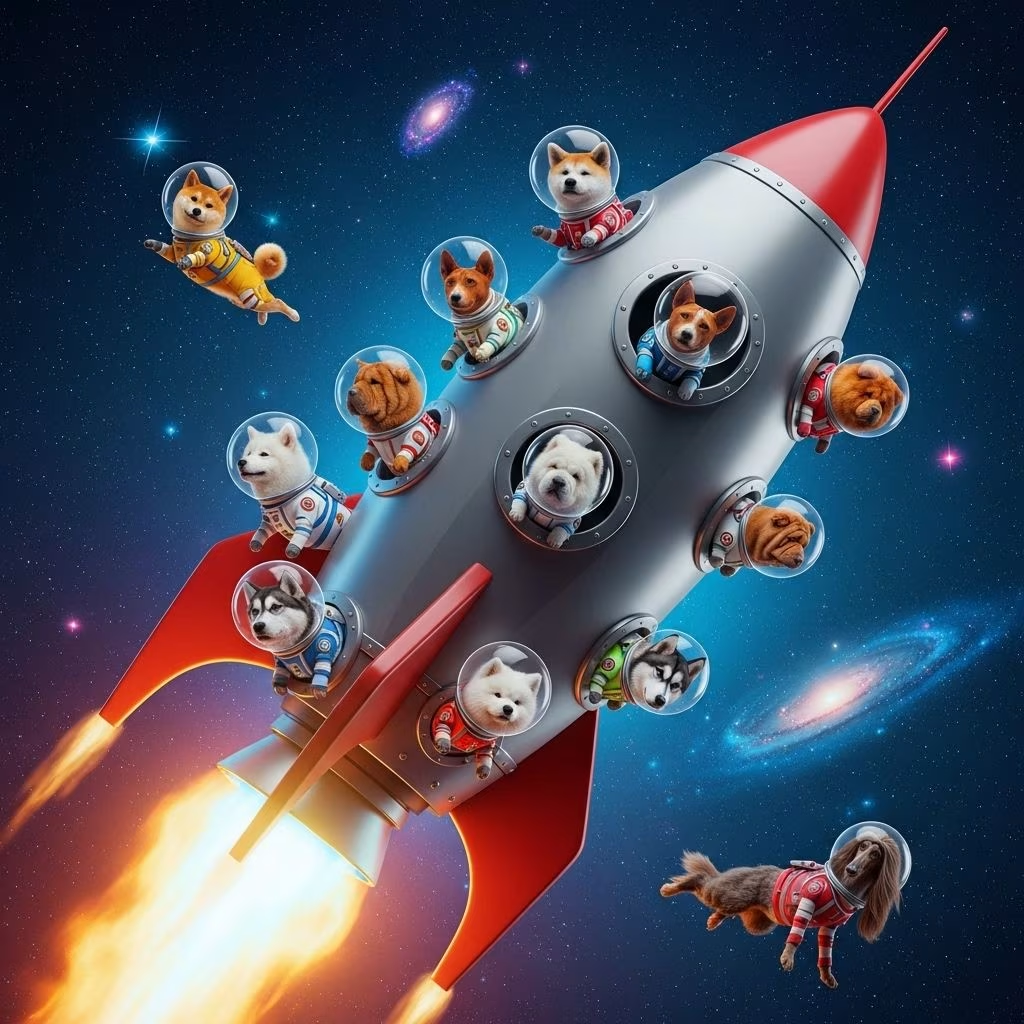
In fact, research shows that breeds like Afghan Hounds, Chow Chows, and Basenjis tend to turn down cuddles, while others like Mongrels and Greyhounds are considered more physically affectionate. If you dream of a dog to snuggle with for hours, choosing the right breed is essential.
Chloe Jackson, Canine Behaviour and Training Manager at Battersea Dogs & Cats Home, explains: ‘Dogs are similar to people; some are more tactile and others really appreciate their own space. While we may view cuddles as comforting, a lot of dogs actually find them restraining and may show visible signs of stress or anxiety, like licking their lips or lowering their ears.’
Why Some Breeds Are Less Affectionate
- History: Many independent breeds were developed for tasks like hunting, guarding, or herding, requiring keen senses and self-sufficiency.
- Natural Instinct: Some dogs have a heightened sense of autonomy, making them wary of physical restraint.
- Socialization: Early experiences and training shape comfort with touch and physical affection.
Importantly, just because a dog isn’t ‘cuddly’ doesn’t mean it lacks affection. These dogs may show loyalty through staying close, following commands, or gentle companionship.
10 Dog Breeds That Don’t Enjoy Cuddles
The following breeds are known for being less than enthusiastic about cuddling. However, with patience and understanding, they can still be treasured companions.
-
Afghan Hound
Regal, elegant, and sometimes aloof, Afghan Hounds are one of the oldest breeds. Their independent streak was honed in the mountains of Afghanistan, where they learned to rely on keen instincts and quick reflexes. Deeply loyal but subtle in their displays, Afghan Hounds may rest near you, but they rarely crave extended hugs.
- Often forms strong bonds with one owner
- Prefers sleeping next to, not on, their humans
- Excellent for owners who appreciate independence
-
Chow Chow
The Chow Chow is as known for its lion-like appearance as its reserved nature. Originally bred as a temple guardian, this breed can be deeply loyal but is usually wary of strangers. Chows value their space and generally do not enjoy being hugged or held for long.
- Tends to be aloof, even with family members
- Requires early and ongoing socialization
- Can be affectionate in quiet, non-physical ways
-
Basenji
Known as the ‘barkless dog,’ the Basenji is prized for its intelligence and independence. This African hunting breed often bonds with one family member, showing loyalty through alertness rather than physical closeness. Basenjis typically prefer active play or exploration to lap time.
- Bonds strongly with one person
- Tends to avoid physical affection with strangers
- Better suited for active, experienced owners
-
Alaskan Malamute
Alaskan Malamutes are powerful sled dogs bred for work, not cuddles. They can be fiercely loyal, but they enjoy autonomy and respect clear boundaries. While social, they may not be fans of close hugging or lengthy snuggling sessions.
- Form close bonds but enjoy plenty of personal space
- Require a confident, experienced owner
- May seek affection on their own terms
-
Bloodhound
Although famous for their powerful noses and tracking prowess, Bloodhounds are also surprisingly independent. While generally friendly with people, they can be reserved and may not seek out much physical closeness.
- Gentle but often indifferent to cuddling
- Strong tracking instinct can make them wanderers
- Do best with understanding, patient owners
-
Shar-Pei
The Shar-Pei is easily recognized by its deeply wrinkled skin and unique face. Bred for both guarding and fighting, this breed is cautious and often distant with strangers and may also prefer limited physical contact with family.
- Protective, often reserved with affection
- Needs early socialization for balanced temperament
- Loyal, but not likely to snuggle
-
Shiba Inu
The internet’s favorite meme dog, the Shiba Inu is a Japanese breed that’s both stunning and stubborn. Often described as ‘cat-like’, Shibas are highly self-reliant and may choose interactive play over cuddling.
- Tends to be selective about affection
- Clever and independent-minded
- Requires ample exercise and autonomy
-
Scottish Terrier
Scottish Terriers are dignified, loyal dogs with steely independence. While they can be devoted to their families, they rarely seek out lap time or persistent petting. Instead, they express affection through companionship and presence.
- Reserved but deeply loyal
- Affectionate in quiet, understated ways
- Great for owners who appreciate privacy
-
Cairn Terrier
The cheerful and active Cairn Terrier prefers exploring to snuggling. While friendly, these dogs have an independent streak and may not appreciate being picked up or held for extended periods.
- Energetic, prefers action to affection
- Affectionate on their own terms
- Good for families seeking an active companion
-
Chesapeake Bay Retriever
Chesapeake Bay Retrievers are powerful, water-loving dogs bred for retrieving game. While loyal and protective, ‘Chessies’ are known for their independence and may not always want to be cuddled.
- Confident, loyal, but sometimes aloof
- Values a strong, consistent leader
- Great for active, outdoor-loving owners
How to Respect an Independent Dog’s Needs
Building a bond with an independent dog takes patience and understanding. Here’s how to honor their boundaries while enjoying a deep relationship:
- Allow dogs to approach you for affection on their own terms
- Monitor body language for signs of stress: lowered ears, licking lips, or trying to move away
- Strengthen bonds through training, play, and calm companionship instead of forced hugs
- Provide enrichment through games, puzzles, and outdoor adventures
Remember: Independence does not mean a dog loves you any less; it is simply part of their heritage and personality.
References
- https://www.countryliving.com/life/kids-pets/a62886145/dog-breeds-do-not-enjoy-cuddles/
- https://studyfinds.org/least-affectionate-dog-breeds/
- https://www.upworthy.com/dog-breeds
- https://www.aol.com/lifestyle/10-independent-dog-breeds-not-140000341.html
- https://www.countryliving.com/uk/wildlife/dog-breeds/a31034076/pet-owners-regret-breed/
- https://fotp.com/learn/dog-lifestyle/top-10-dog-breeds-for-country-living