Introduction to Dog Breeds with Blue Eyes
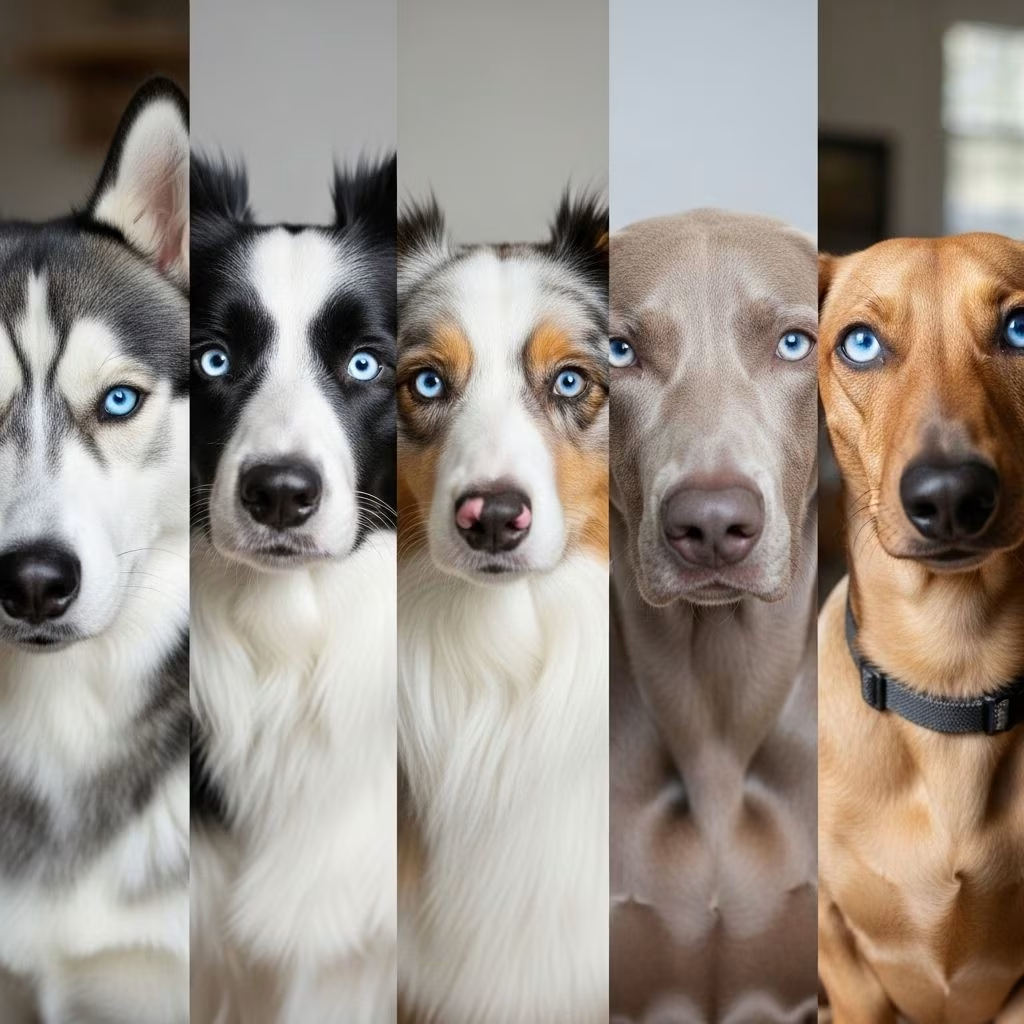
Dogs with blue eyes are a rare and captivating sight, often found in specific breeds that have a genetic predisposition to this striking feature. Blue eyes in dogs are caused by a lack of pigmentation in the iris, which can result from genetic factors such as the merle gene or specific mutations like those found in Siberian Huskies.
Why Do Some Dogs Have Blue Eyes?
Blue eyes in dogs are primarily due to genetic factors. The merle gene, which affects coat color, can also lead to blue eyes by reducing melanin production in the iris. In breeds like the Siberian Husky, a unique genetic mutation involving the ALX4 gene contributes to their blue eye color.
Popular Dog Breeds with Blue Eyes
1. Siberian Husky
Siberian Huskies are arguably the most famous blue-eyed dog breed. Originating from Siberia, they were bred as sled dogs and are known for their striking eye colors. About 40% of Siberian Huskies have blue eyes, and some may have heterochromia, where one eye is blue and the other is brown.
2. Australian Shepherd
Australian Shepherds often have blue eyes, particularly those with merle coats. These intelligent dogs are versatile and are used in various roles, including herding and search-and-rescue missions. The merle gene can lead to blue eyes and must be managed carefully to avoid health issues.
3. Border Collie
Border Collies, renowned for their intelligence, can sometimes have blue eyes, especially those with the merle gene. This breed is known for its problem-solving abilities and can exhibit heterochromia, adding to their unique appearance.
4. Catahoula Leopard Dog
This rare breed, originating from Louisiana, often features blue eyes due to its merle coat pattern. Known for their rugged nature and unique leopard-like spots, Catahoulas make excellent family pets with proper training and exercise.
5. Dalmatian
Dalmatians occasionally have blue eyes, although this is less common than in other breeds mentioned. Their distinctive spotted coats make them instantly recognizable.
Genetics of Blue Eyes in Dogs
Blue eyes in dogs result from genetic mutations or combinations that affect melanin production. The merle gene, which causes mottled coat patterns, is a common cause. However, breeds like Siberian Huskies have a distinct genetic basis for their blue eyes unrelated to the merle gene.
Merle and Piebald Coats
Merle and piebald coats are often linked to blue eyes. The merle pattern involves patches of color on a lighter background, while piebald dogs have white patches over a base coat color. Both patterns can lead to reduced pigmentation in the eyes, resulting in blue irises.
Health Considerations
While blue eyes are aesthetically pleasing, they can also signal potential health issues. Dogs with certain genetic conditions, like double merles, may suffer from deafness and vision problems. Responsible breeding practices are crucial to avoid these complications.
Frequently Asked Questions (FAQs)
Q: Are blue-eyed dogs prone to health issues?
A: Yes, dogs with certain genetic conditions (like double merles) may be more susceptible to hearing and vision problems. However, breeds like Siberian Huskies tend not to have these issues despite their blue eyes.
Q: Can any dog breed have blue eyes?
A: Blue eyes are more common in breeds with specific genetic traits, such as the merle gene or unique mutations like those in Siberian Huskies. However, it is rare outside these breeds.
Q: How do I care for a dog with blue eyes?
A: Dogs with blue eyes require no special eye care, but regular veterinary check-ups are important to monitor for any potential health issues.
Conclusion
Dogs with blue eyes are undeniably charming and can make wonderful pets. Understanding their genetics and potential health considerations is essential for responsible ownership. Whether you’re drawn to the intelligence of Border Collies or the loyalty of Siberian Huskies, there’s a blue-eyed breed to captivate any dog lover.
References
- https://www.dogster.com/dog-breeds/dog-breeds-with-blue-eyes
- https://worldanimalfoundation.org/dogs/dog-breeds-with-mesmerizing-blue-eyes-steal-the-spotlight/
- https://www.akc.org/expert-advice/dog-breeds/siberian-huskies-blue-eyes/
- https://www.youtube.com/watch?v=YdlH4WTFXhE
- https://thepawsitive.co/blogs/happytails/blue-eyed-dogs-causes-of-blue-eyes-in-dogs-and-dogs-with-blue-eyes
- https://wagwalking.com/breed/top-dog-breeds-with-blue-eyes
- https://www.countryliving.com/life/kids-pets/g62952189/dog-breeds-with-blue-eyes/