One of the most fascinating aspects of dog ownership is witnessing the incredible transformation your furry friend undergoes as they mature from a tiny puppy into a full-grown adult. While all puppies are undeniably adorable, some breeds undergo such dramatic physical changes that they appear to be entirely different animals by the time they reach adulthood. These remarkable transformations can involve changes in coat color, texture, body proportions, facial features, and overall size that leave even experienced dog owners amazed.
The metamorphosis from puppyhood to adulthood varies significantly across different breeds, with some dogs experiencing subtle changes while others undergo complete makeovers. Understanding these transformations can help prospective dog owners make informed decisions about which breed might be right for their lifestyle and preferences. Let’s explore some of the most striking examples of breeds that look completely different as puppies compared to their adult counterparts.
Breeds with the Most Dramatic Transformations
Poodles: From Fluffy Bears to Elegant Companions
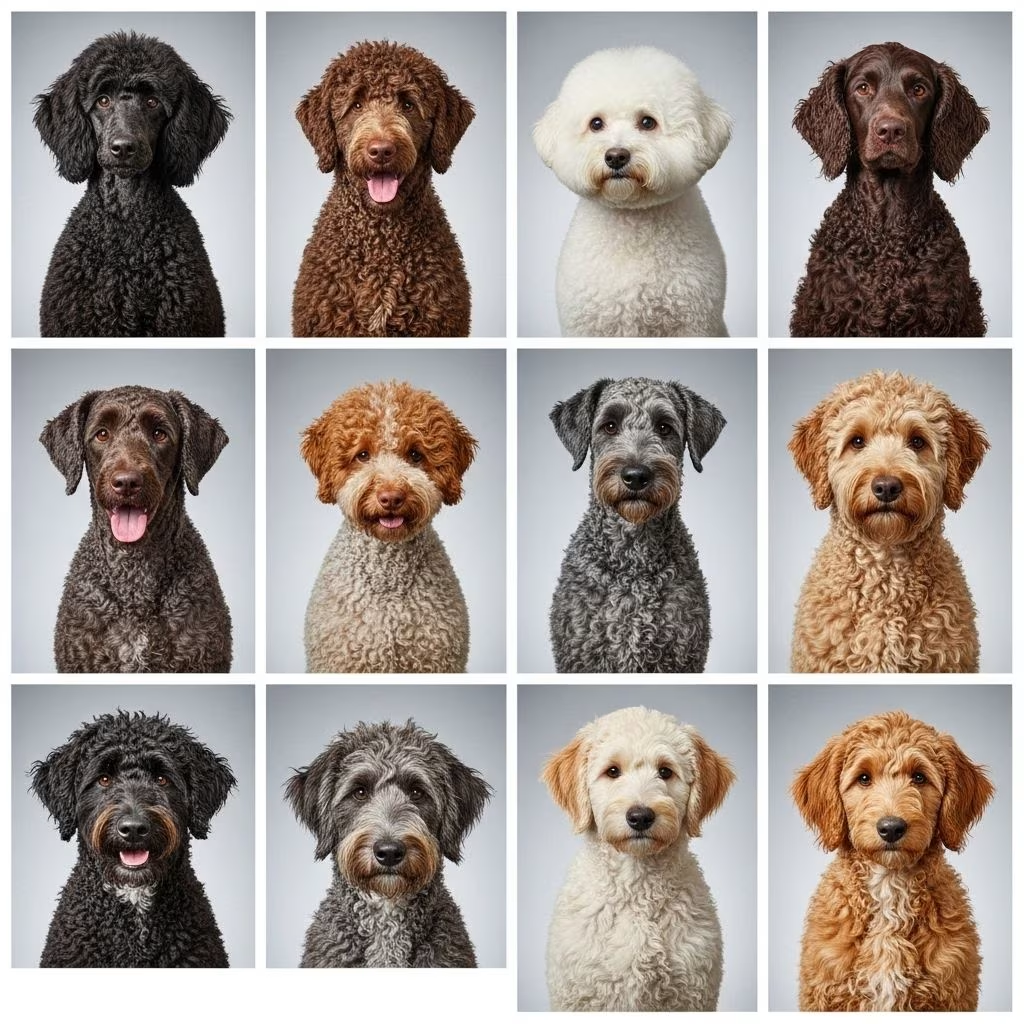
Poodles represent one of the most striking examples of puppy-to-adult transformation in the canine world. These beloved dogs are known for their distinctive curly, dense coats as adults, but their appearance as puppies tells a completely different story. Poodle puppies are born with soft, wavy hair that’s much finer and less structured than their adult coat. During their early weeks, they resemble adorable teddy bears with fluffy, almost straight fur that lacks the tight curls we associate with the breed.
As Poodles mature, their coat undergoes a remarkable transformation. The soft puppy fur gradually gives way to a denser, curlier, and more structured adult coat. This change typically occurs around 4-6 months of age and continues developing until the dog reaches full maturity. The final result is an elegant, regal-looking dog with the characteristic poodle appearance, especially after their first professional grooming session.
Dalmatians: The Blank Canvas Phenomenon
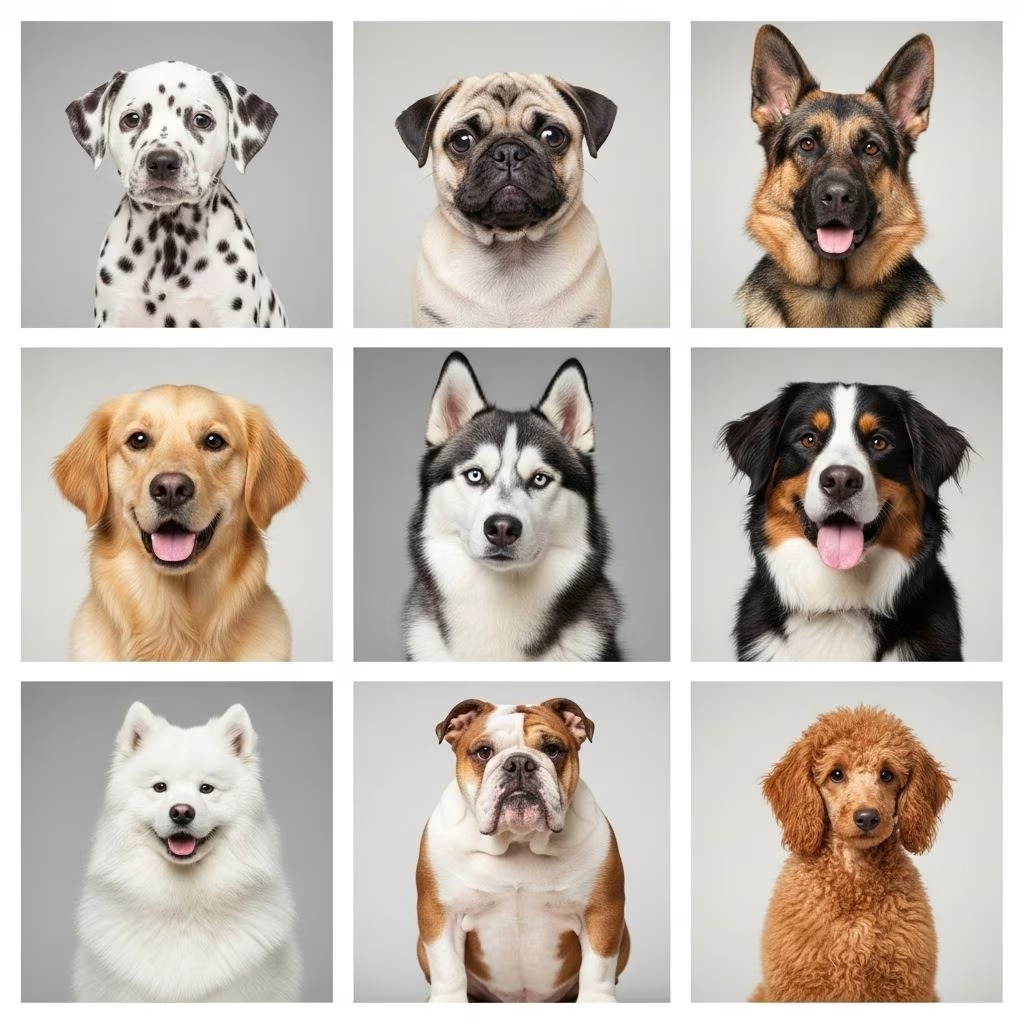
Dalmatian puppies are born completely white without any spots, which often surprises first-time owners who expect to see the breed’s signature markings from birth. This unique characteristic makes Dalmatians one of the most dramatic examples of breed transformation. The famous black or liver spots that define the breed don’t appear until a few weeks after birth and continue to develop throughout the dog’s early life.
The development of Dalmatian spots is a gradual process that resembles watching a blank canvas come to life with artistic splotches. As the puppies grow, their distinctive markings emerge and darken, eventually covering their white coat with the pattern we recognize as quintessentially Dalmatian. By adulthood, their coat displays the full complement of spots that make this breed so recognizable and beloved.
Tibetan Mastiffs: From Bears to Lions
The transformation of Tibetan Mastiffs from puppyhood to adulthood is perhaps one of the most dramatic in the entire dog world. Tibetan Mastiff puppies look like oversized, fluffy teddy bears with soft fur and round, endearing features. Their puppy coat is relatively short and incredibly soft, giving them an almost toy-like appearance that belies their future size and majesty.
As these gentle giants mature, they develop into massive dogs with thick, coarse double coats and distinctive manes of fur around their necks. The adult Tibetan Mastiff bears a striking resemblance to a majestic lion, complete with the impressive mane and powerful presence. This transformation from cuddly teddy bear to lion-like guardian represents one of the most spectacular physical changes in the canine kingdom.
Size and Proportion Changes
German Shepherds: Growing into Their Features
German Shepherds experience tremendous growth spurts that can make them look dramatically different from their puppy selves. German Shepherd puppies have slightly lighter coats and less defined facial features compared to adults. During their first year, these dogs go through significant growth spurts that affect their chest and face, which broaden considerably as they mature.
The transformation process continues for up to two years, during which German Shepherds develop their characteristic tan and black coloring with coarse, rough hair. Their facial features become more angular and defined, while their bodies become significantly more muscular and proportioned. The final result is a powerful, intelligent-looking dog that bears little resemblance to their fluffy puppy phase.
Great Danes: The Comedy of Proportions
Great Dane puppies look almost comical next to their adult counterparts due to their disproportionate features. These gentle giants undergo tremendous growth spurts that can last up to two years, during which they must grow into their oversized paws and lean puppy bodies. The transformation is so dramatic that puppy Great Danes often appear to belong to an entirely different breed.
As Great Danes mature, they gain substantial muscle mass and grow into their features, developing longer snouts, limbs, and torsos. Some individuals may not reach full maturity for several years, making their transformation an extended process that showcases the incredible potential for change in canine development.
Coat and Texture Transformations
Afghan Hounds: From Short to Spectacular
Afghan Hounds demonstrate one of the most striking coat transformations in the dog world. Afghan Hound puppies are born with short, fuzzy coats and longer whiskers on their faces, sharing few physical similarities with their glamorous adult counterparts. Their puppy appearance is relatively ordinary, with bulky bodies that give no indication of their future elegance.
As Afghan Hounds mature, they develop the long, silky coat that makes them one of the most recognizable breeds in dog shows. Their hair grows long and flowing, requiring routine maintenance to maintain its beauty. Simultaneously, their bodies become lean and slender, transforming them from ordinary-looking puppies into sophisticated, aristocratic adults.
Salukis: Developing Royal Grace
Saluki puppies start with short, smooth coats and a slightly awkward appearance, but their transformation into adulthood is nothing short of remarkable. These ancient sighthounds begin life with chubbier bodies and rounder faces that bear little resemblance to their future elegant selves.
As Salukis mature, they develop into graceful, regal dogs with silky, feathered ears and tails. Their limbs, torsos, and necks lengthen dramatically, while their snouts and ears elongate to create the classic appearance we associate with this ancient breed. The adult Saluki embodies grace and poise, looking like a royal canine straight from ancient art and bearing little resemblance to their puppyhood appearance.
Unique Breed-Specific Changes
Leonbergers: Lion-Like Development
Leonberger puppies are small and fuzzy, bearing a strong resemblance to fluffy lion cubs with soft fur and rounded facial features. As they grow into adulthood, they develop a more imposing, noble appearance with a significantly thicker coat, particularly around the neck and chest area.
The adult Leonberger develops the signature lion-like mane that gives this breed its distinctive appearance. They grow into large, muscular dogs with a much more rugged and stately presence, transforming from cute cubs into majestic companions that truly live up to their lion-inspired name.
Belgian Sheepdogs: Elegance Emergence
Belgian Sheepdog puppies appear fluffy and playful with soft, dark coats. While adorable in their own right, these puppies give little indication of the sophisticated elegance they’ll display as adults. Their transformation represents a refinement process that enhances their natural beauty.
As Belgian Sheepdogs mature, their coats become sleek, shiny, and beautifully refined. The adult Groenendael develops an elegant, all-black coat that gives them a truly regal appearance. This transformation from cute, fluffy puppy to dignified adult dog highlights their strength, intelligence, and loyalty while showcasing one of the more sophisticated breed transformations.
Understanding the Transformation Process
Developmental Timeline
The transformation from puppy to adult varies significantly among breeds, with some changes occurring rapidly while others take years to complete. Most dramatic changes occur during the first 6-18 months of a dog’s life, though some breeds continue developing until they reach 2-3 years of age.
Key developmental milestones include coat changes, which typically begin around 4-6 months, growth spurts that can last 12-24 months, and facial feature refinement that continues throughout the first year. Understanding these timelines helps owners prepare for and appreciate the remarkable journey their puppies will undergo.
Factors Influencing Transformation
Several factors contribute to the dramatic differences between puppy and adult appearances. Genetics play the primary role, determining coat color, texture, and pattern development. Nutrition and health also influence proper development, while environmental factors can affect coat quality and overall growth patterns.
Hormonal changes during maturation significantly impact physical development, particularly in terms of muscle development, coat texture changes, and facial feature refinement. These natural processes work together to create the sometimes shocking transformations we observe in certain breeds.
Practical Considerations for Owners
Grooming Requirements
Breeds that undergo dramatic coat transformations often require adjusted grooming routines as they mature. Puppy coats typically need less intensive care than adult coats, but owners must prepare for increased grooming needs as their dogs develop their full adult coats.
Professional grooming becomes particularly important for breeds like Poodles, Afghan Hounds, and other long-coated breeds. Regular brushing, trimming, and maintenance help ensure these magnificent adult coats remain healthy and beautiful throughout the dog’s life.
Size and Space Planning
For breeds that experience dramatic size increases, such as Great Danes, Tibetan Mastiffs, and German Shepherds, owners must plan for significantly different space and care requirements. What begins as a manageable puppy can quickly grow into a large dog requiring more space, exercise, and resources.
Frequently Asked Questions
Q: At what age do most dramatic breed transformations occur?
A: Most dramatic transformations occur between 4-18 months of age, though some breeds continue developing until 2-3 years old. Coat changes typically begin around 4-6 months, while size and proportion changes can continue much longer.
Q: Do all dogs within a breed transform the same way?
A: While breed characteristics are generally consistent, individual dogs may vary in their transformation timeline and extent. Genetics, nutrition, and health all play roles in how dramatically a puppy changes as it matures.
Q: How can I prepare for my puppy’s transformation?
A: Research your breed’s typical development pattern, prepare for changing grooming needs, ensure adequate space for growth, and maintain proper nutrition to support healthy development throughout the transformation process.
Q: Are there any breeds that don’t change much from puppy to adult?
A: Some breeds, particularly smaller dogs with stable coat types, show fewer dramatic changes. However, most dogs experience some degree of transformation, even if it’s more subtle than the dramatic examples discussed.
Q: When should I switch from puppy to adult grooming routines?
A: This varies by breed, but generally occurs around 6-12 months when the adult coat begins developing. Consult with a professional groomer familiar with your breed for specific timing recommendations.
The journey from puppyhood to adulthood represents one of the most fascinating aspects of dog ownership. These remarkable transformations remind us of the incredible diversity within the canine world and the amazing potential for change that exists within our beloved companions. Whether your puppy is destined for subtle refinement or dramatic metamorphosis, embracing and celebrating each stage of their development creates lasting memories and deepens the bond between human and canine companions.
References
- https://iheartdogs.com/jaw-dropping-puppy-to-adult-makeovers/
- https://a-z-animals.com/articles/14-dog-breeds-that-look-completely-different-as-puppies-and-adults/
- https://www.countryliving.com/life/kids-pets/a63119129/dog-breeds-look-different-as-puppies/
- https://forums.horseandhound.co.uk/threads/puppy-versus-adult-dog-comparison-show-me-yours.828301/