Understanding the Risks of Christmas Treats for Dogs
The holiday season brings joy, celebration, and an abundance of delicious foods that fill our homes with festive aromas. However, what many pet owners don’t realize is that Christmas can pose significant health risks to our beloved canine companions. Food plays a central role in Christmas celebrations, but our festive feasting habits can create dangerous situations for inquisitive dogs who are naturally drawn to the smells and sounds of holiday cooking.
Veterinary professionals are increasingly concerned about the number of emergency visits they see during the Christmas period, with many cases directly related to dogs consuming inappropriate festive foods. The combination of rich, unfamiliar foods, increased household activity, and well-meaning family members who want to include pets in the celebration creates a perfect storm of potential health hazards for dogs.
Expert Veterinary Advice on Christmas Dog Treats
Joe Inglis, Head of Veterinary Science and Nutrition at Biome9, provides clear guidance for pet owners during the festive season. His primary message is straightforward and might surprise many dog owners: “Don’t feel obliged to give your dog a special treat around Christmas — it’s not something they will be expecting, and it might cause a digestive upset if they are not good at coping with different foods.”
This advice challenges the common assumption that dogs need to participate in our holiday traditions through special meals or treats. Unlike humans, dogs don’t have emotional attachments to specific holidays or associate certain foods with celebration. Their digestive systems are designed for consistency, and sudden changes in diet can lead to uncomfortable and potentially dangerous health issues.
The veterinary expert explains that slipping your dog leftovers under the table, a practice many owners engage in during holidays, can be particularly problematic. Dogs who eat the same foods every day can react badly when given treats they’re not accustomed to. Some pet owners go as far as preparing elaborate turkey dinners for their dogs on Christmas Day, not realizing that introducing such rich, unfamiliar foods can cause significant digestive distress.
The Science Behind Canine Digestive Sensitivity
Understanding why dogs struggle with sudden dietary changes requires knowledge of their digestive physiology. Canines have evolved to thrive on consistent diets, and their digestive systems develop specific enzyme profiles based on their regular food intake. When presented with dramatically different foods, particularly those high in fat or containing unfamiliar proteins, dogs may lack the appropriate digestive enzymes to process these substances effectively.
This physiological reality means that even well-intentioned treats can result in uncomfortable symptoms for dogs. Digestive upset can manifest in various ways, from mild stomach discomfort to severe diarrhea episodes that can persist for several days. As Joe Inglis notes, “It’s all down to knowing your dog. Some dogs are not very good at digesting foods like this,” and the resulting cleanup on Boxing Day is something no pet owner wants to deal with.
Dangerous Christmas Foods Dogs Must Avoid
The list of Christmas foods that pose serious health risks to dogs is extensive and includes many items that are staples of holiday celebrations. Pet owners must be vigilant about keeping these dangerous substances away from their dogs:
Highly Toxic Christmas Foods
Chocolate remains one of the most dangerous substances for dogs during Christmas. The theobromine content in chocolate is toxic to canines and can cause symptoms ranging from vomiting and diarrhea to seizures and cardiac issues. Dark chocolate and baking chocolate pose the highest risks due to their concentrated theobromine levels.
Christmas cake and mince pies present multiple hazards, often containing raisins, currants, alcohol, and high levels of sugar and fat. These festive treats can cause kidney failure, digestive upset, and other serious health complications.
Raisins and dried fruits are particularly dangerous, as even small quantities can cause acute kidney failure in dogs. Many Christmas desserts and traditional dishes contain these ingredients, making vigilant ingredient checking essential.
Common Household Christmas Hazards
Garlic and onions, frequently used in Christmas cooking and stuffing recipes, contain compounds that can damage red blood cells in dogs, leading to anemia. Even small amounts can be harmful, and the effects may not be immediately apparent.
Mushrooms used in holiday cooking can be problematic, and wild mushrooms pose extreme dangers. While some commercial mushrooms may be less harmful, it’s safer to avoid them entirely.
Alcohol is extremely dangerous for dogs, as their smaller body size means they reach toxic levels much more quickly than humans. Even small amounts can cause severe health issues, including respiratory failure.
Safe Christmas Food Alternatives for Dogs
Despite the extensive list of dangerous foods, Christmas Day lunch doesn’t have to be completely off-limits for dogs when approached correctly. The key lies in understanding which foods can be safely shared and in what quantities.
Approved Christmas Foods for Dogs
Turkey meat can be an excellent protein source for dogs when prepared appropriately. However, pet owners must be selective about which parts they offer. Lean, white meat without seasoning, skin, or bones provides the safest option. fatty portions and skin should be avoided as they can cause digestive upset and pancreatitis.
Plain roast potatoes can be healthy for dogs when served without butter, salt, or other seasonings. These provide carbohydrates and can be easily digested by most dogs when given in appropriate portions.
Christmas vegetables such as carrots, green beans, and Brussels sprouts can be beneficial when prepared plain, without added fats, seasonings, or sauces. These vegetables provide vitamins and fiber that can support digestive health.
Creating Safe Christmas Meals for Dogs
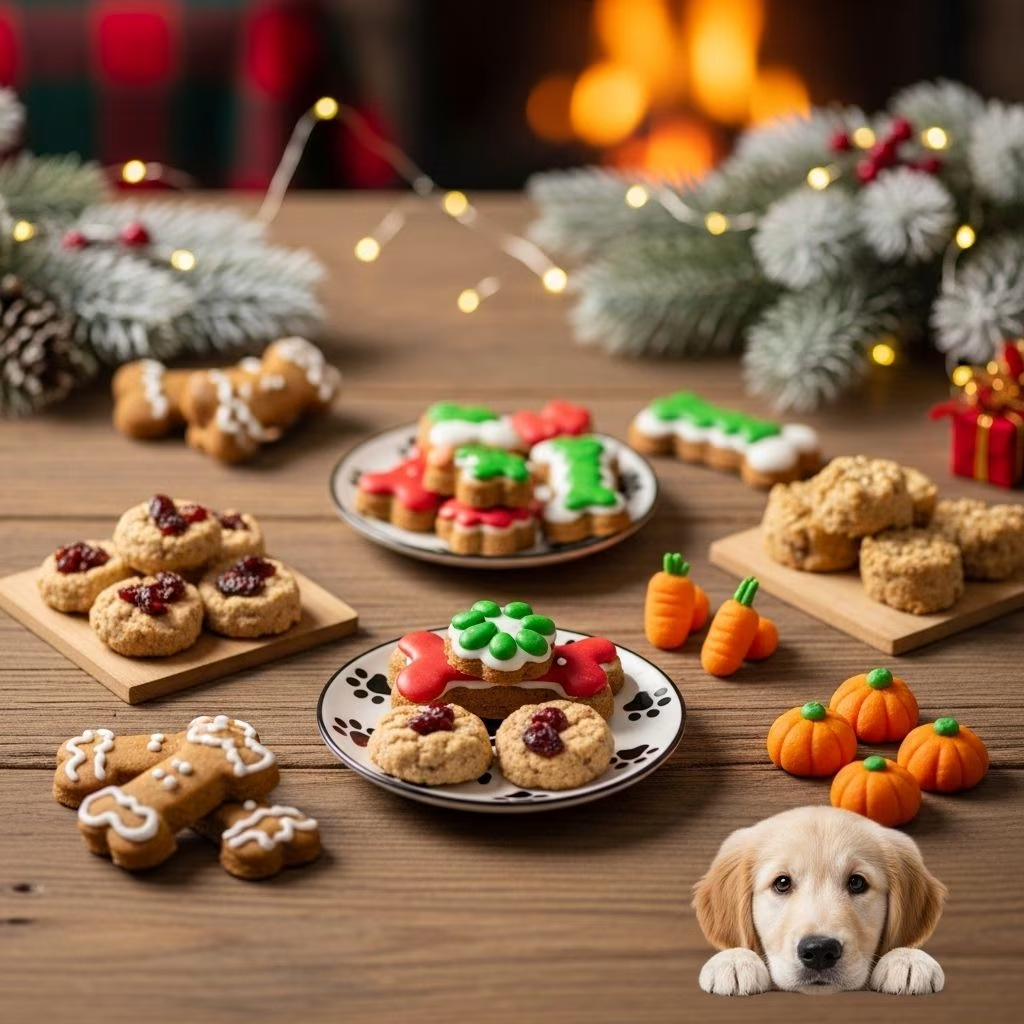
For pet owners who want to include their dogs in Christmas celebrations, creating a separate, dog-safe version of Christmas dinner can be a thoughtful approach. This involves taking approved ingredients and preparing them specifically for canine consumption. Mashing Christmas vegetables with plain turkey and adding the mixture to their regular food creates a festive meal without the associated health risks.
The important principle is avoiding sausages and gravy, which tend to be very salty and high in fat. While some dogs might enjoy cleaning plates after Christmas dinner without immediate harm, leftovers are generally too fatty and greasy to be appropriate for canine consumption.
Beyond Food: Other Christmas Hazards for Dogs
Christmas dangers extend far beyond food-related risks. The holiday season brings numerous additional hazards that pet owners must consider to ensure their dogs’ safety throughout the festive period.
Household Decoration Dangers
Christmas decorations present unique risks for curious dogs. Plastic toys left lying around can pose choking hazards or cause intestinal blockages if swallowed. Tree decorations, particularly small ornaments, tinsel, and electrical cords, can be extremely dangerous if ingested.
Christmas trees themselves can present hazards, from needle ingestion that can cause digestive tract punctures to water additives in tree stands that may be toxic. Pine needles can also cause oral injuries and digestive issues if consumed in large quantities.
Social Situation Challenges
The increased social activity during Christmas can create stress and behavioral challenges for dogs. Joe Inglis advises particular caution “around young children and babies, especially if your dog isn’t used to being around them.” Even well-behaved dogs can react unpredictably when faced with unfamiliar situations or when young children attempt to interact with them inappropriately.
The excitement and chaos of Christmas gatherings can overwhelm dogs, leading to anxiety-related behaviors or defensive reactions. Pet owners must remain vigilant and be prepared to remove their dogs from stressful situations to prevent incidents.
Emergency Response and Prevention Strategies
Despite careful planning and precautions, accidents can still occur during the Christmas season. Pet owners must be prepared to respond quickly and effectively if their dog consumes something potentially dangerous.
Recognizing Signs of Poisoning
Understanding the symptoms of food poisoning or toxic ingestion can be life-saving. Common signs include vomiting, loss of appetite, lethargy, pale gums, and seizures. More severe cases may involve difficulty breathing, excessive drooling, or collapse.
If any of these symptoms appear, or if pet owners suspect their dog has consumed something dangerous, immediate veterinary attention is essential. Time is often critical in treating poisoning cases, and early intervention can significantly improve outcomes.
Prevention Through Planning
The most effective approach to Christmas pet safety involves proactive planning and prevention. This includes educating all family members and guests about which foods are dangerous for dogs, securing potentially harmful items, and maintaining consistent feeding schedules even during holiday disruptions.
Creating designated safe spaces where dogs can retreat when overwhelmed and ensuring that all family members understand basic pet safety principles can prevent many holiday-related incidents.
Frequently Asked Questions
Q: Can I give my dog a small piece of Christmas turkey?
A: Yes, plain turkey meat without skin, bones, or seasonings can be safe for dogs in small quantities. Avoid fatty portions and ensure the meat is cooked thoroughly without added spices or butter.
Q: What should I do if my dog ate chocolate on Christmas?
A: Contact your veterinarian or emergency vet clinic immediately. The severity depends on the type and amount of chocolate consumed, but all cases require professional medical assessment.
Q: Are Christmas vegetables safe for dogs?
A: Plain vegetables like carrots, green beans, and Brussels sprouts can be safe when served without seasonings, butter, or sauces. Avoid onions, garlic, and mushrooms entirely.
Q: How can I include my dog in Christmas dinner safely?
A: Create a separate, dog-safe version using approved ingredients like plain turkey and vegetables mixed with their regular food. Avoid giving them portions from your prepared dishes.
Q: What are the signs that my dog has eaten something dangerous?
A: Watch for vomiting, diarrhea, loss of appetite, lethargy, pale gums, difficulty breathing, or seizures. Any of these symptoms require immediate veterinary attention.
Conclusion: Prioritizing Pet Safety During the Holidays
The Christmas season should be a time of joy and celebration for the entire family, including our beloved pets. However, this enjoyment should never come at the expense of their health and safety. The expert advice from veterinary professionals is clear: dogs don’t need special Christmas treats to be happy, and attempting to include them in our festive feasting can actually cause harm rather than joy.
By understanding the risks associated with Christmas foods, recognizing the signs of potential poisoning, and implementing proactive safety measures, pet owners can ensure that their dogs remain healthy and safe throughout the holiday season. Remember that the greatest gift we can give our pets is consistent care, attention, and protection from harm.
The key message remains simple but vital: when in doubt, contact your veterinarian. Professional guidance is always available, and emergency veterinary services operate throughout the Christmas period to help pets in need. Your dog’s safety should always be the top priority during this festive season.
References
- https://www.countryliving.com/uk/wildlife/pets/a63017599/dangerous-christmas-treats-dogs/
- https://www.countryliving.com/life/kids-pets/a63251220/christmas-dog-food-warning-vet/
- https://www.countryliving.com/uk/wildlife/pets/news/a1123/pets-at-risk-of-alcohol-poisoning-this-christmas-warn-vets/
- https://www.aol.com/vet-warning-dont-dog-special-150000044.html