Few joys compare to bringing a new dog into your family—whether you dream of a playful companion for the kids, a faithful farm hand, or a devoted lapdog. But one essential quality tops most wish lists: trainability. A well-trained dog is a joy at home and out in the world. According to trainers and experts, certain breeds are consistently easier to train because they combine intelligence, eagerness to please, and strong bonds with their handlers, and many are naturally motivated by food and rewards. Here’s an expert guide to the dog breeds that will make teaching manners, tricks, and good behavior truly enjoyable.
What Makes a Dog Breed Easy to Train?
- High Intelligence: Smart breeds quickly understand commands and rules.
- Desire to Please: Dogs that enjoy making their owners happy learn faster.
- Food Motivation: Eager eaters work hard for treats and rewards during training.
- Strong Bond to Handler: Loyal dogs pay attention and follow guidance closely.
- Adaptability: Calm, stable temperaments help dogs thrive in new settings and routines.
Note: Breed traits indicate tendencies, but every dog is an individual. Early and consistent training, patience, and understanding are essential.
Top 20 Easiest Dog Breeds to Train (with Quick Facts)
| Breed | Size | Temperament | Why They’re Easy to Train |
|---|---|---|---|
| Labrador Retriever | Large | Friendly, outgoing, energetic | Highly intelligent, eager to please, food motivated |
| Corgi | Medium | Alert, playful, loving | Smart, attentive, loves to work |
| German Shepherd | Large | Loyal, courageous, protective | Extremely intelligent, responsive to commands, strong bond with owner |
| Border Collie | Medium | Energetic, focused, work-oriented | Bright, quick learner, thrives with a job |
| Bernese Mountain Dog | Large | Calm, affectionate, gentle | Willing to learn, gentle nature, bonds strongly |
| Golden Retriever | Large | Affectionate, obedient, sweet-natured | Highly trainable, gentle, enjoys human company |
| Havanese | Small | Social, lively, cheerful | Learns quickly, loves pleasing people, adaptable |
| Australian Cattle Dog | Medium | Alert, energetic, brave | Smart, trainable, loves activity |
| Standard Poodle | Large/Medium | Intelligent, active, eager | Excellent problem solver, quick to pick up training |
| Papillon | Small | Alert, friendly, energetic | Exceptionally smart, learns tricks fast |
| West Highland White Terrier | Small | Playful, intelligent, energetic | People-pleasing, quick to pick up commands |
| Shetland Sheepdog (Sheltie) | Medium | Alert, sensitive, playful | Desires to work, strong learner, enjoys training |
| Rottweiler | Large | Loyal, confident, steady | Bonded to handler, disciplined with proper guidance |
| English Springer Spaniel | Medium | Reliable, friendly, energetic | Obedient, happy working with owner |
| Pomeranian | Small | Alert, intelligent, playful | Keen to learn, responds well to rewards |
| Australian Shepherd | Medium | Energetic, smart, loyal | Loves activity, quick learner, enjoys direction |
| Cavalier King Charles Spaniel | Small | Dainty, sweet, eager to please | Responds to affection, fast learner |
| Miniature Schnauzer | Small/Medium | Friendly, intelligent, spirited | Likes challenges, obedient with routines |
| Doberman Pinscher | Large | Loyal, confident, alert | Highly receptive to training, eager to work |
| Boxer | Large | Fun-loving, energetic, loyal | Responds to playful training, strong human bond |
Key Characteristics Shared by Trainable Breeds
- Intelligence: Breeds on this list score high in problem solving, making training more intuitive.
- Eagerness to Please: These dogs respond enthusiastically to positive reinforcement—praise, petting, and treats.
- Stable Temperament: Calm, focused behavior makes it easier to learn and repeat commands.
- Strong Handler Bond: Deep loyalty means they want to cooperate and spend time with you.
- Food or Play Motivation: Many love treats or play, which speeds up training.
How Breed Traits Affect Training Success
While genetics play a key role, environment, training consistency, and socialization are just as important. For example, herding breeds like Border Collies or Australian Shepherds need plenty of exercise and mental stimulation or they may develop stubborn or difficult behaviors if bored. Calm breeds, such as Bernese Mountain Dogs, thrive when training is gentle and patient. Some small breeds, including Papillons and Westies, benefit from short, high-energy lessons and plenty of play.
Training Advice from the Experts
- Start Early: Begin training your dog as soon as possible—even puppies can learn basic commands beneath six months old.
- Socialize Widely: Introduce your pup to new people, dogs, and environments for well-rounded behavior.
- Use Positive Reinforcement: Reward good behavior with treats, praise, or play. Avoid harsh corrections.
- Practice Consistently: Short, frequent sessions are more effective than long, sporadic ones.
- Be Patient: Every dog learns at its own pace. Celebrate small wins!
- Consider Professional Help: For persistent problems, certified trainers can make a big difference.
Breed Spotlights: Most Trainable Companions
Labrador Retriever
Labs are famous for intelligence and good nature. Their combination of smarts, energy, and desire to please places them at the top for trainability. They’re often chosen as service dogs, therapy dogs, and search-and-rescue animals.
Golden Retriever
Sought after for their kind personality and quick learning, Goldens are versatile: they excel in obedience, therapy, and family life. They’re calm and motivated to follow instructions and affection.
German Shepherd
Known for loyalty and courage, German Shepherds are natural working dogs and thrive with structure. They are regularly used for police, military, and protection work because they quickly master advanced skills.
Poodle
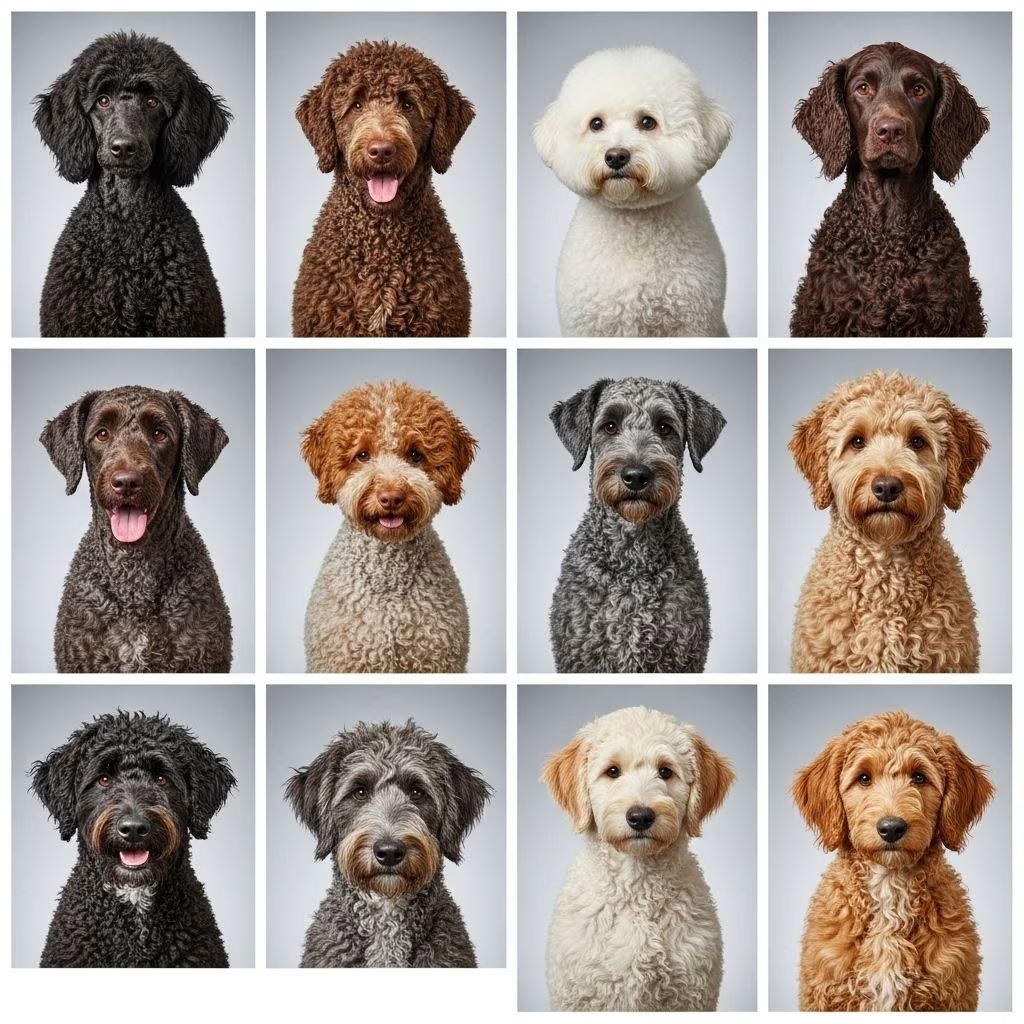
Poodles (standard, miniature, and toy) combine intelligence and sensitivity. Their versatility makes them easy to train for families as well as those seeking agility or show dogs. They’re quick on the uptake and love positive engagement.
Papillon
Tiny and agile, Papillons are surprisingly brilliant learners. They make excellent small companions for apartment dwellers, thriving on mental challenges and affection.
Choosing the Right Breed for Your Life
Every family and living situation is different. When deciding on a dog, consider:
- Energy Level: High-energy breeds need lots of activity and mental stimulation.
- Size: Larger dogs require space and strength to handle; small dogs may be easier for busy or urban households.
- Purpose: Do you need a working dog, a therapy companion, or a gentle friend for children?
- Care Requirements: Some breeds have special grooming or health needs.
Frequently Asked Questions (FAQs)
Q: Are all dogs from trainable breeds guaranteed to be easy to train?
A: No. Breed tendencies provide a helpful guideline, but each dog is unique. Early training, socialization, and lifestyle match matter just as much as genetics.
Q: Can older dogs from these breeds still learn new commands?
A: Absolutely. While puppies may pick up basics fastest, older dogs (especially trainable breeds) can master new skills with patience and practice.
Q: Do trainable breeds need professional training?
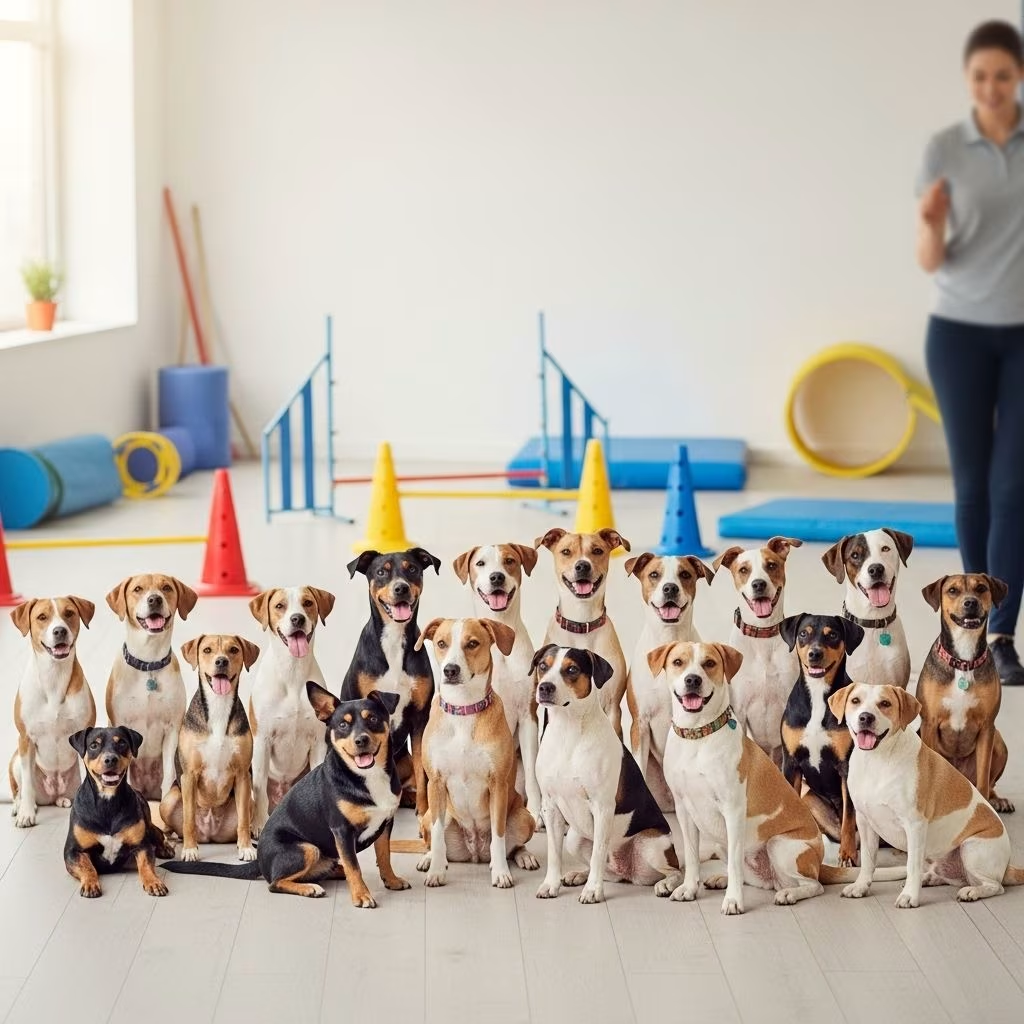
A: Not always, but professional trainers or group classes can help reinforce positive habits and address challenges, especially for energetic breeds.
Q: How important is food motivation in training?
A: It’s very helpful, especially for breeds like Labradors and Papillons that love treats. However, praise, play, or toys also work well for many dogs.
Q: What breed is best for families with children?
A: Labradors, Golden Retrievers, Corgis, and Havanese are famously gentle and affectionate with kids.
Expert Insights: Setting Your Dog Up for Training Success
- Spend time building a bond with your dog before using structured lessons. Trust supports learning.
- Monitor for signs of overstimulation, especially with herding breeds.
- Create a calm training environment—dogs focus best without distractions.
- Reward curiosity and good behavior immediately, reinforcing clear links between action and feedback.
Summary Table: Quick Reference—Most Trainable Dog Breeds
| Breed | Best Suited For |
|---|---|
| Labrador Retriever | Families, first-time owners, active lifestyles |
| Golden Retriever | Families, therapy work, multi-dog households |
| German Shepherd | Working roles, protection, active homes |
| Poodle | Allergy-prone homes, agility, obedience sports |
| Papillon | Apartment dwellers, small families, trick training |
| Corgi | Active homes, families, light farm work |
| Australian Shepherd | Dog sports, working roles, energetic families |
| Bernese Mountain Dog | Families, gentle companionship, outdoor living |
| West Highland White Terrier | City homes, first-time owners, singles |
| Shetland Sheepdog | Active families, agility, obedience |
| Rottweiler | Confident owners, protection work |
| English Springer Spaniel | Families, hunting, farm work |
| Pomeranian | Small families, seniors, playful owners |
| Cavalier King Charles Spaniel | Children, urban homes, elderly owners |
| Miniature Schnauzer | Multi-pet households, active singles |
| Doberman Pinscher | Experienced owners, working dogs |
| Boxer | Active families, playful homes |
Final Thoughts
Training the right breed can bring immense reward—the joy of a dog who listens, learns, and loves to participate in family life. With a blend of positive reinforcement and attention to your dog’s needs and temperament, you’ll find the easiest breeds to train become happy, well-adjusted lifelong companions. Remember: the journey is just as important as the outcome—enjoy discovering new tricks, bonding moments, and shared successes with your trainable pup.
References
- https://www.dogzen.com/blog/the-easiest-dogs-to-train
- https://www.zoetispetcare.com/blog/article/easiest-dog-breeds-to-train
- https://www.countryliving.com/life/kids-pets/g64233353/easiest-dogs-breeds-to-train/
- https://grow.ifa.coop/pets/best-farm-dog-breeds
- https://www.chewy.com/education/dog/general/behavior-breeds-10-dog-breeds-perfect-for-the-country
- https://www.youtube.com/watch?v=ty2kGyxUi80