The Allure of the Tennis Bracelet: A Jewelry Icon Redefined
The tennis bracelet stands as a timeless piece in the world of fine jewelry—a delicate yet dazzling accessory synonymous with elegance, flexibility, and quiet luxury. Its origin story is deeply intertwined with both sports and fashion history, bridging casual sophistication with glamorous allure. But what truly is a tennis bracelet, and how did it earn its signature name? Dive into the fascinating journey of this iconic adornment, from its origins on the wrists of 1920s elites to its modern-day status as a jewelry box staple for all ages.
What Is a Tennis Bracelet?
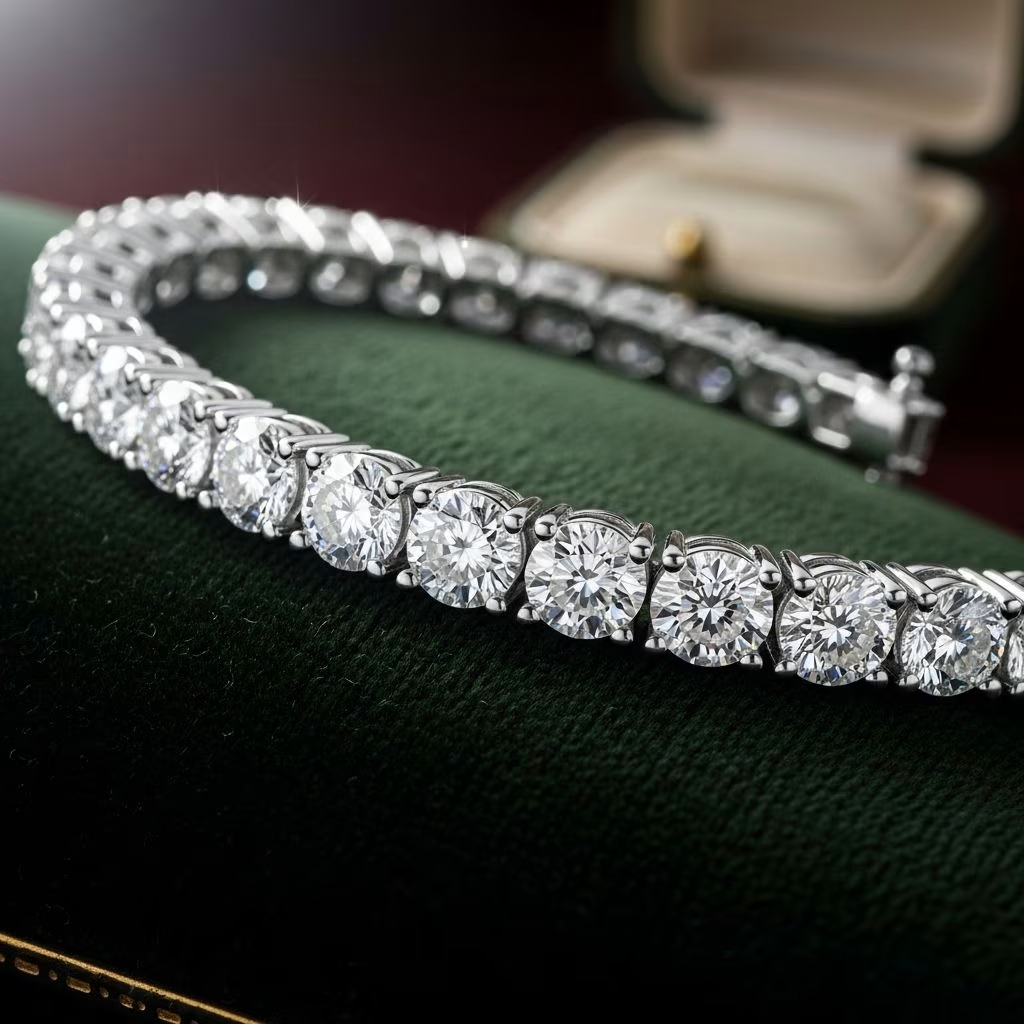
A tennis bracelet is a thin, symmetrical bracelet comprised of a single row of perfectly matched gemstones—most commonly diamonds—meticulously set within closely linked metal settings. Its defining characteristics include:
- Continuous line of gemstones in a uniform pattern, making for understated yet striking sparkle.
- Flexible structure, allowing the bracelet to drape comfortably around the wrist and move with ease.
- Usually crafted from precious metals like white gold, platinum, or yellow gold.
- Known for a secure yet subtle clasp to ensure wear during vigorous activity—central to its sportswear history.
This classic design is beloved for striking the perfect balance between opulent shimmer and minimalist design, making it ideal for daily wear or layering with other jewelry pieces.
An Unexpected Origin: 1920s “Eternity” and Diamond Line Bracelets
The lineage of the tennis bracelet can be traced back to the 1920s, at a time when Art Deco style embraced geometric designs, clean lines, and timeless elegance. Known then as “eternity bracelets” or “diamond line bracelets,” these jewelry pieces became popular among society’s upper echelons, symbolizing continuous love and lavish taste. The defining form—a single, infinite row of diamonds—offered both sophistication and versatility, bridging the gap between the roaring twenties’ opulence and day-to-night wearability.
How Did It Become a Tennis Bracelet? The Chris Evert Story
The shift from “eternity bracelet” to “tennis bracelet” is one of the most captivating tales in fashion history and forever linked to tennis legend Chris Evert. The story goes like this:
- During the 1978 U.S. Open, Evert wore her signature diamond bracelet—a departure from the traditional terry cloth wristbands sported by players at the time.
- Mid-match, her bracelet’s clasp broke and fell off her wrist, prompting Evert to famously request that officials pause the match while she searched for the fallen jewelry.
- The incident, widely witnessed by TV audiences and press, captured public imagination and created instant buzz around the bracelet’s practical beauty and emotional value.
- Media coverage, fueled by Evert’s own styling choices (she often played in fine jewelry), cemented the association. In later interviews, Evert matter-of-factly referred to her lost jewelry as her “tennis bracelet.”
This dramatic, relatable moment transformed a classic diamond line bracelet into a pop culture phenomenon. It wasn’t only that a tennis star wore diamonds courtside; it was that the piece survived under the demands of professional sports, symbolizing both durability and exquisite style. Jewelry brands quickly seized the moment, and the term “tennis bracelet” entered the mainstream, appearing in advertising and editorial by the mid-1980s.
The Mix of Practicality and Glamour
Part of the tennis bracelet’s universal appeal lies in its blend of practicality and glamour. Before Chris Evert’s era, fine diamond jewelry was largely associated with formal affairs. Evert’s choice to wear hers during high-stakes matches challenged this notion, suggesting that luxury could be both flexible and functional. The tennis bracelet:
- Seamlessly transitions from the tennis court to dinner parties, thanks to its slender, unassuming design.
- Embodies the notion of “sports luxe”—where function and fashion share equal footing.
- Became widely recognized as a status symbol accessible enough for daily wearability, while still reserved and classic.
This flexibility has directly influenced modern jewelry trends, promoting the idea that diamonds are not just for special occasions, but for celebrating beauty in everyday life.
Modern Evolution: The Tennis Bracelet Today
Decades since its rise to fame, the tennis bracelet remains an enduring favorite for jewelry lovers of all ages. Its evolution is marked by:
- Expanded styles, including alternative gemstones (sapphires, emeralds, rubies, or mixed stones) and diverse metal settings like rose and yellow gold.
- A move towards minimalist fashion: Layering tennis bracelets with other wristwear or stacking several for a contemporary, casual look.
- Innovations in clasp technology, ensuring added security without sacrificing delicacy.
- New interpretations including geometric links, pavé settings, and creative color combinations.
Luxury brands and fast-fashion labels alike now offer a wide range of tennis bracelet options—ensuring accessibility at every price point and personal taste.
Style Inspiration: How to Wear a Tennis Bracelet
What sets the tennis bracelet apart is its extraordinary versatility. Here are some modern styling ideas:
- Layered Elegance: Stack your tennis bracelet with slim gold bangles, beaded bands, or vintage watches for a personalized wrist story.
- Minimalist Chic: Wear a single tennis bracelet solo on a bare wrist for understated shine, especially day-to-day.
- Mix Metals: Don’t be afraid to combine white, yellow, and rose gold for contemporary visual interest.
- Casual Sparkle: Elevate a jeans-and-T-shirt outfit with a diamond tennis bracelet for a subtle touch of glamour.
- Special Occasion: Pair with other fine jewelry (diamond studs, delicate pendant) for formal evenings.
No matter how it’s styled, the tennis bracelet’s adaptable charm ensures it suits both men and women, every age, and any occasion.
Notable Moments and Celebrity Fans
The tennis bracelet has long been favored by celebrities for its refined sparkle and iconic status. Beyond Chris Evert, its fans have included legendary actresses and modern-day influencers alike:
- Farrah Fawcett: The TV and film star was often spotted in tennis bracelets at both athletic and glamorous events in the late seventies and early eighties.
- Serena Williams & Maria Sharapova: Many modern tennis professionals incorporate fine jewelry into their on-court style, continuing the tradition Evert started.
- Hollywood Icons: The simple, elegant diamond line has been a red carpet staple for decades.
- Contemporary Influencers: Fashion-forward figures and stylists regularly feature tennis bracelets in social media style edits and editorial shoots.
The media coverage and celebrity affection for the piece have only amplified its profile and desirability over time.
Frequently Asked Questions: The Tennis Bracelet
Q: Why is it called a “tennis bracelet”?
A: The term became popular after tennis champion Chris Evert lost her diamond bracelet during a televised US Open match in 1978 and requested that play be paused so she could find it. The resulting press attention led to the piece being forever dubbed the tennis bracelet.
Q: What sets a tennis bracelet apart from other bracelets?
A: Its defining feature is a continuous, flexible row of matched gemstones (typically diamonds), set in precisely crafted metal links—designed for both elegance and comfort, suitable for active and formal settings alike.
Q: Are tennis bracelets only made with diamonds?
A: While diamonds are classic, today’s tennis bracelets come in a variety of gemstones such as sapphires, rubies, and emeralds, and appeal to a range of budgets and tastes.
Q: Is a tennis bracelet suitable for everyday wear?
A: Absolutely! The bracelet’s sleek design and secure clasp make it practical for daily use, whether you’re at work, running errands, or on the tennis court.
Q: What should I look for when buying a tennis bracelet?
A: Focus on the quality of the stones (cut, clarity, color, carat), the craftsmanship of the setting, and the strength of the clasp. These ensure your bracelet is both beautiful and durable.
Table: Tennis Bracelet at a Glance
| Feature | Description |
|---|---|
| Design | Single continuous row of matched gemstones, usually diamonds |
| Structure | Flexible metal links, secure clasp, curves to fit wrist |
| Materials | Traditionally gold or platinum with diamonds, now includes various gems and metals |
| Origin | 1920s as “eternity” or “diamond line bracelet”; renamed after Chris Evert’s US Open incident |
| Wearability | Extremely versatile—suitable for sports, casual, or formal outfits |
Tips for Caring for Your Tennis Bracelet
- Regular Cleaning: Gently clean with a soft brush and mild solution to maintain brilliance.
- Periodic Checks: Have the clasp and settings checked by a jeweler to ensure stones are secure.
- Safe Storage: Store separately in a lined box to avoid scratching or tangling with other jewelry.
- Avoid Harsh Chemicals: Remove before swimming or using cleaning products to preserve metal and stones.
- Insurance: Consider insuring valuable pieces for added peace of mind.
The Lasting Power of a Jewelry Legend
The tennis bracelet endures as a symbol of sophistication, versatility, and personal flair. Its journey from Art Deco luxury to sportswear chic and modern fashion explains its lasting resonance. Whether gifted as a sign of everlasting love, bought to mark a milestone, or worn as an everyday signature, its story is one of reinvention and enduring glamour. Today, the tennis bracelet is more than a relic of a single moment on the tennis court—it’s a statement of grace, confidence, and beauty that transcends time and trend.
References
- https://taylorandhart.com/us/blog/a-brief-history-of-tennis-bracelets
- https://www.markbroumand.com/blogs/jewelry/how-did-the-term-tennis-bracelet-originate
- https://www.bucherer.com/ch/en/bucherer-world/highlights/history-tennis-bracelet
- https://www.bhindi.com/blog/the-story-of-the-tennis-bracelet
- https://modandjo.com/blogs/the-gild/a-look-back-history-of-the-tennis-bracelet
- https://adastrajewelry.com/blog/the-timeless-charm-of-the-tennis-bracelet-history-evolution-and-modern-appeal
- https://www.baunat.com/en/what-is-the-meaning-behind-the-famous-tennis-bracelet
- https://alaghbandjewelry.com/blogs/news/what-is-a-tennis-bracelet-a-guide-to-its-history-and-appeal