What Is Blue Beauty?
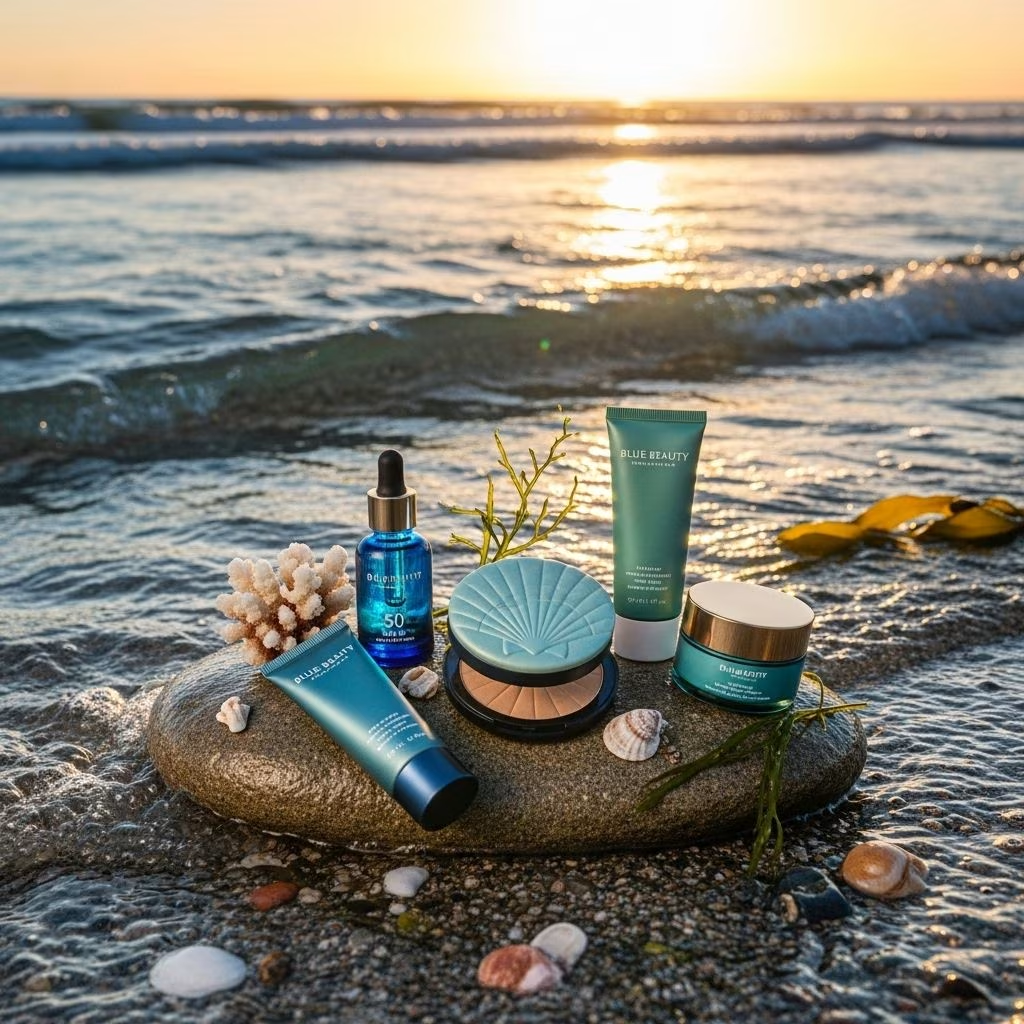
Blue beauty is a progressive subsection of the clean beauty movement that puts the spotlight on the ocean and its ecosystems. By emphasizing sustainability at every stage—formulation, packaging, ingredient sourcing, and distribution—blue beauty seeks not just to limit environmental harm, but to actively promote ocean health and conservation. While inspired by clean and green beauty philosophies, blue beauty brings an urgent marine focus to the beauty industry and challenges brands to account for the planetary impact of every product choice.
Think of blue beauty as the evolution of green beauty—with a specific mission to safeguard water resources and marine life. This movement encompasses everything from preventing plastic pollution to rethinking supply chains, supporting science-driven formulation, and encouraging a connection between consumers and the natural waterways they depend on.
Why Does Blue Beauty Matter?
Our oceans face unprecedented threats from human activity. From overfishing and climate change to chemical run-off and plastics, marine environments are choking under the weight of industry, including the beauty sector.
Plastic crisis: Each year, more than 200 million tons of plastic are produced, half of which are single-use items like sheet masks and product wrappers. Tragically, just nine percent of plastic waste is recycled; the remainder ends up incinerated, landfilled, or polluting natural ecosystems—much of it drifting into waterways and seas.
Water contamination: Everyday beauty products—think shampoos, scrubs, and sunscreens—often contain microplastics, silicones, synthetic fragrances, oxybenzone, and other chemicals. When washed off, these ingredients can persist in water, disrupting aquatic life and the broader ocean health.
As planetary stewards, beauty brands have a responsibility to reduce ocean harm, innovate sustainable solutions, and empower consumers to make choices that go beyond personal wellness to planetary well-being.
Blue Beauty vs. Green Beauty
| Aspect | Green Beauty | Blue Beauty |
|---|---|---|
| Core Focus | Sustainable ingredients, non-toxic formulations | Ocean protection, water stewardship, packaging impact |
| Packaging | Recycled/recyclable, low carbon footprint | Plastic-free, ocean-safe, biodegradable |
| Ingredients | Organic, plant-based, clean | Marine-safe, non-toxic to aquatic life |
| End-of-life Impact | Compostable/recyclable | Does not pollute water; supports ocean regeneration |
While the eco principles of green and blue beauty overlap, blue beauty distinguishes itself by its marine emphasis: it scrutinizes the life cycle of packaging and ingredients for their direct impact on waterways, oceans, and the creatures that inhabit them.
Key Principles of Blue Beauty
- Marine Conservation: Ingredients, formulas, and packaging are chosen to protect and regenerate ocean environments, not just minimize harm.
- Ethical Ingredient Sourcing: Commitment to cruelty-free, sustainably harvested, and non-polluting marine and plant ingredients (e.g., responsibly farmed algae, seaweed).
- Zero-Waste Packaging: Prioritization of biodegradable, recyclable, and reusable packaging to reduce plastic pollution and landfill accumulation.
- Water Conservation: Formulations and production processes seek to reduce water waste and prevent contamination of natural water resources.
- Transparency: Brands disclose supply chains, ingredient origins, and environmental initiatives, empowering consumers to make informed choices.
Challenges: Can Beauty Ever Be Truly Blue?
Weighty ambitions come with significant challenges. Achieving a genuinely positive impact means confronting every part of the value chain:
- Ingredient Impact: Even “clean” ingredients can harm marine environments if not assessed for aquatic toxicity.
- Packaging Dilemma: Biodegradable and recyclable options exist but can be costly or unavailable at scale, while plastic alternatives must be rigorously tested for safety and durability.
- Manufacturing Footprint: Production processes consume water, energy, and often unnecessarily pollute, requiring serious investments in green-tech and waterless innovation.
- Consumer Behavior: Education around sustainable choices remains an uphill battle. Recyclability only solves part of the problem if consumers aren’t engaged and infrastructure isn’t available.
Ultimately, blue beauty is about actively putting back into the environment—through restoration, carbon sequestration, and supporting ocean health—rather than simply minimizing harm or neutralizing unavoidable impacts.
Latest Innovations in Blue Beauty
Recent years have seen exciting leaps in blue beauty, powered by new materials, science, and shifts in consumer values:
- Bluebiotechnology: Lab-grown marine actives (like kelp and microalgae) reduce harvesting pressure on wild ecosystems and provide potent, science-backed benefits in skincare.
- Oceanic Ingredients: Brands look to seaweed, sea moss, blue spirulina, and blue tansy for their hydrating, soothing, and anti-inflammatory properties—infusing products with both aesthetic and therapeutic appeal.
- Waterless Formulas: Powders, solid bars, and concentrated treatments reduce both packaging needs and water footprint.
- Refillable Systems: Reusable bottles, refill packs, and bulk dispensers (often favored by blue beauty brands) cut single-use waste dramatically.
- Eco Certifications: Cruelty-free, vegan, reef-safe, and ocean-safe claims now help consumers identify which brands put marine health first.
Blue Beauty Brands Setting the Standard
- Beauty Heroes: Widely credited with launching the blue beauty conversation, focusing on plastic-free, ocean-safe products that uphold strict sustainability criteria.
- Phytomer: Infuses its entire skincare range with responsibly sourced seaweed and marine actives, adhering to sustainable harvesting and research-backed efficacy.
- Majenye: Features nutrient-rich sea moss in sensitive skin-safe soaps, harnessing ocean plant power for deep hydration and gentle care.
- Holistick: Whose Bulan Facial Oil is formulated with calming blue botanicals, designed for relaxation and ocean health.
These brands lead with transparency, active restoration efforts, and a dedication to sustainability that inspires both industry peers and consumers.
How Consumers Can Support Blue Beauty
- Read Labels: Look for certifications like “reef-safe,” “plastic-free,” “zero-waste,” and honest ingredient transparency.
- Monitor Packaging: Favor brands that use glass, aluminum, compostable materials, and offer refill systems.
- Practice Proper Disposal: Recycle, reuse, or compost when possible—never flush products that might contain microplastics or chemicals down the drain.
- Reduce Use: Streamline your routine to fewer, higher quality products and skip unnecessary single-use items.
- Advocate and Educate: Support policy changes, demand better from brands, and educate friends and family on the ocean impact of everyday beauty routines.
More Than a Trend: Blue Space and Wellness
The blue beauty movement is closely intertwined with the broader “Blue Space” concept—the idea that proximity to water (be it rivers, lakes, or oceans) improves our emotional well-being, lowers stress, and inspires mindfulness. As the United Nations declared the “Decade of Ocean Science for Sustainable Development,” blue beauty isn’t just about products, but also lifestyle, wellness, and our connection to nature.Consumers are increasingly drawn to Mediterranean “Blue Zones”—regions famed not only for their oceanic bounty and traditional diet, but also longevity and a slower, calmer way of life.
Frequently Asked Questions (FAQs)
Q: What does “blue beauty” mean?
A: Blue beauty refers to eco-conscious beauty products and practices that specifically aim to protect and restore ocean environments, emphasizing sustainable ingredients, ocean-safe packaging, and active environmental stewardship.
Q: How is blue beauty different from green or clean beauty?
A: While green beauty prioritizes organic, cruelty-free, and natural ingredients, blue beauty goes further by confronting ocean pollution, water conservation, and the fate of packaging and formulas after use—especially their impact on marine life.
Q: Why should I care about blue beauty?
A: Oceans are critical for food, climate regulation, and planetary health. Everyday beauty product choices—especially those containing microplastics and harmful chemicals—can undermine marine ecosystems, making blue beauty a vital movement for future generations.
Q: What are some ingredients to avoid to protect ocean health?
A: Watch out for microplastics, Oxybenzone (often in sunscreens), silicones, dibutyl phthalate, and persistent synthetic fragrances. These ingredients are known to accumulate in marine environments and cause damage to aquatic organisms.
Q: What are examples of blue beauty brands?
A: Leading brands include Beauty Heroes, Phytomer, Majenye, and Holistick, each noted for ocean-safe formulations and packaging.
Quick Tips: Choosing Blue Beauty Products
- Prioritize products labeled “reef safe,” “plastic free,” or “marine-friendly.”
- Avoid products with “wash-off” microbeads, synthetic fragrances, and harsh chemicals.
- Support brands using sustainably harvested or lab-grown marine ingredients.
- Seek out refillable systems and zero-waste packaging.
- Educate yourself about marine conservation and take personal action to minimize ocean impact.
Conclusion: The Future of Blue Beauty
From ingredient sourcing to packaging innovation, the blue beauty movement is reshaping the industry—challenging brands and consumers alike to view beauty through not just a self-care lens, but a planetary one. As awareness escalates and regulations tighten, expect to see more science-driven blue beauty innovations and deeper commitment from brands.
Ultimately, blue beauty asks: Can our routines go from minimizing harm to actively supporting oceanic health? With each sustainable choice, we move closer to a future where beauty empowers us to protect the planet’s most vital, vulnerable resource—water.
References
- https://formulabotanica.com/podcast-blue-beauty/
- https://www.elle.com/uk/beauty/a32311740/blue-beauty/
- https://www.ausmetics.com/so/blue-beauty-skincare/
- https://www.cosmopolitan.com/style-beauty/beauty/a36318597/what-is-blue-beauty/
- https://connect.in-cosmetics.com/trends-en/blue-beauty/
- https://thebespokeadvantage.com/meaning-blue-beauty-sustainability/
- https://www.cosmopolitan.in/beauty/features/story/what-blue-beauty-and-why-you-should-be-board-668489-2023-05-05
- https://beautynews.com.au/2021/07/18/what-is-blue-beauty/
- https://www.cosmopolitanme.com/opinion/tiktok-pretty-op-ed-quinn-catabui