What Is Balayage?
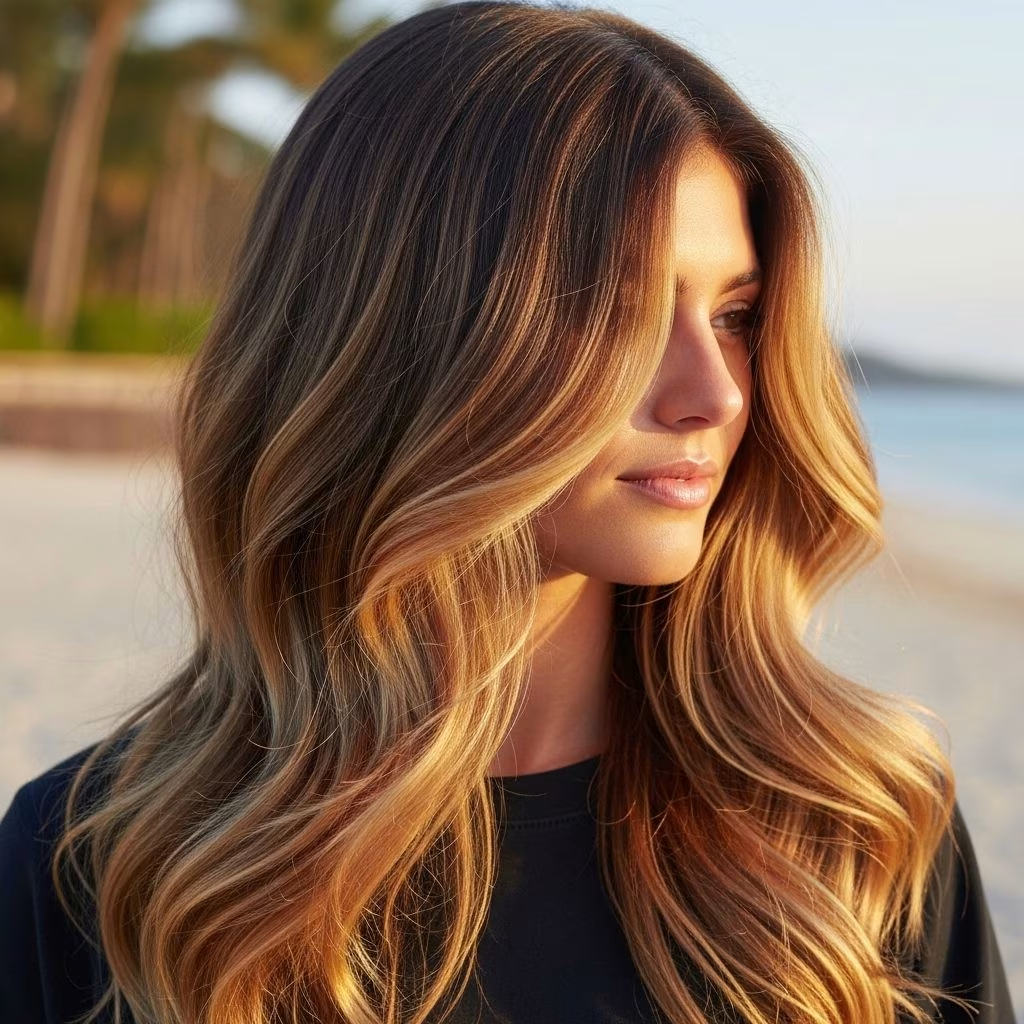
Balayage is a hair coloring technique developed in France, defined by its freehand approach where stylists ‘sweep’ color onto the hair to create soft, natural-looking highlights. Unlike traditional foil highlights, balayage results in seamless transitions and a sun-kissed finish that grows out gracefully without harsh lines or obvious regrowth demarcation.
- Origin: From the French term meaning “to sweep” or “to paint”.
- End result: Blended, dimensional color with lighter ends, mimicking the effect of natural sun-lightened hair.
- Customization: Easily tailored to any hair texture, color, or length.
- Maintenance: Lower upkeep compared to foiled highlights thanks to soft transitions.
How Is Balayage Actually Done?
Balayage is achieved through a series of steps that prioritize artistic blending and strategic placement of color.
- Consultation & Sectioning: Your stylist discusses your desired outcome, examines your natural base, and sections hair based on where the sun would naturally hit.
- Hand-Painting: Color is “swept” or painted onto the selected strands using a brush or sometimes with a paddle board for more control.
- Saturation & Blending: An emphasis on saturation ensures even lift—more product equals brighter highlights. The technique varies depending on desired brightness and final result.
- Processing: Color develops without foils for traditional balayage, or with foils (in “foilayage”) to achieve greater lift or work with darker bases.
- Toning (Optional): After lightening, toner may be applied to refine shade or enhance dimension.
- Styling: Final style helps showcase the seamless blend and multidimensional color.
Popular Balayage Techniques
Balayage isn’t one-size-fits-all. Colorists adapt their approach based on texture, base color, and desired effect. Here are the top techniques:
- Traditional Balayage: Classic hand-painted highlights that focus on areas around the face and at the ends, creating a soft sunlit transition.
- Freehand Balayage: Stylists use their artistic sense to place highlights, using boards or simply their hands, for fully customized results.
- Foilayage: Combines foil highlights with balayage painting; foils allow for more lift, making this ideal for darker hair wanting brighter results.
- Babylights: Super-fine, subtle highlights reminiscent of a child’s naturally sun-lightened hair—ideal for ultra-natural dimension.
- Ombre/Sombre: Differs from balayage but often overlaps; ombre creates a dramatic root-to-tip fade, while sombre is a softer, more gradual version (sometimes combined with balayage painting).
Technique Comparison Table
| Technique | Main Features | Best For |
|---|---|---|
| Traditional Balayage | Hand-painted blended highlights, no foils | Light to medium hair bases; natural sun-kissed effects |
| Foilayage | Balayage plus foils for stronger lift | Darker hair, needing brighter highlights |
| Babylights | Ultra-fine, delicate highlights throughout | Subtle, natural looks, all hair types |
| Ombre/Sombre | Fade from root to tip; can mix with balayage | Those seeking bold color transitions or gentle fades |
Who Should Try Balayage?
Balayage is highly versatile, making it suitable for almost anyone:
- All hair colors: From very blonde to dark brown or black; just adjust lifting products or opt for foilayage on very dark hair.
- All lengths and textures: Works on short, long, straight, wavy, or curly hair—application is customized for the cut and style.
- Low-maintenance seekers: Ideal for those wanting softer roots and fewer touch-up appointments.
Those with very dark hair may need specialized techniques—like pre-lightening or foilayage—to avoid unwanted brassiness or orange tones.
Best Balayage Ideas for Every Hair Type and Color
Whether you want subtle sophistication or dramatic impact, there’s a balayage for you. The following style inspirations help narrow your options:
- Face-Framing Blonde on Brunette: Soft, honey-toned streaks around the face brighten complexion and add subtle drama.
- Cool Ash Balayage: Perfect for those wanting a fresh, modern feel.
- Caramel Balayage: Warm caramel highlights give medium and dark brunettes a radiant glow.
- Chocolate Balayage: Rich, dimensional color for those wanting deeper warmth and natural movement.
- Rose Gold or Pastel Balayage: Creative color lovers apply rose, lavender, or peach to lighter sections for fashion-forward style.
- Curly Balayage: Hand-painting creates definition and highlights curl patterns for extra depth and bounce.
For inspiration, stylists recommend browsing portfolios or social media to find recent real-life balayage transformations that closely match your aesthetic goals.
Expert Tips for Successful Balayage
- Prep and Consult: Discuss your weekly routine, styling habits, and goals with the colorist to set expectations.
- Bring Photos: Share images of your hair and highlight inspiration with your stylist.
- Saturation Matters: More lightener often means better, brighter results—especially important for dark hair wanting to go lighter.
- Use the Right Tools: Power painters or balayage boards help achieve the proper tension and even application.
- Teasing The Roots: Stylists may tease roots for an extra blended, diffused finish.
- Choose Proper Products: Select quality lighteners and aftercare tailored to your base color and condition.
How Long Does Balayage Last?
Balayage is well-known for its longevity and lower maintenance:
- Lifespan: Balayage often remains beautiful for 3–4 months, as there are no harsh lines at the roots.
- Touch-Ups: Many opt for touch-ups every 4–6 months, which is less frequent compared to traditional highlights.
If you want to keep your color looking tone-perfect, a gloss or toner every 6–8 weeks can refresh and maintain vibrancy.
Balayage Hair Maintenance Tips
- Avoid Overwashing: Washing daily can fade color and cause brassiness. Try spacing washes or gentle cleansing formulas.
- Deep Conditioning: Moisturize regularly to repair and nourish colored hair.
- Purple Shampoo: For blonde balayage, use purple shampoo to neutralize yellow tones.
- Protect from Heat: Always apply heat protectants before styling with hot tools.
- Minimize Sun and Chlorine: UV and chlorinated water can fade and dry colored hair. Use protective hair products when swimming.
- Space Out Color Treatments: Wait at least one month between full-color treatments to avoid damage and maintain vibrancy.
Balayage FAQs
Q: How is balayage different from traditional highlights?
A: Traditional highlights use foils for uniform, sectioned strands and prominent regrowth lines; balayage is blended, painted freehand for a more natural, sun-kissed look.
Q: Can any hair color or type get balayage?
A: Yes, balayage suits all base colors and textures, though extra steps may be needed for dark hair to avoid brassiness.
Q: How often should I get balayage touch-ups?
A: Every 4–6 months is typical; the technique’s blended nature allows longer gaps between appointments.
Q: Will balayage damage my hair?
A: Any chemical coloring can cause dryness or split ends, but balayage uses less product on roots, so overall damage risk is lower than full-head highlights.
Q: Is toning necessary?
A: Toning can refine or cool your balayage shade, so many experts recommend it for bright blondes or anyone wanting precise control over undertones.
Final Balayage Styling and Care
To maximize the effect of your balayage, professional stylists suggest styling tips like using light waves, texture sprays, or beachy curls to showcase multi-dimensional color. Be gentle when brushing to preserve highlight distinctness, and always use nourishing and protective products to keep your color vibrant and healthy.
- Book regular trims to keep ends healthy.
- Embrace air-drying or gentle blowouts for effortless looks.
- Ask your stylist for aftercare recommendations specific to your color, cut, and style routine.
Takeaway: Why Balayage Remains a Trend
Balayage’s artistic versatility, effortless style, and easy maintenance ensure its continued popularity among celebrities, influencers, and anyone seeking beautiful, naturally luminous hair color. Whether you crave a subtle glow or dramatic transformation, this hand-painted technique delivers dimension, movement, and customizable results for everyone.
References
- https://hottiehair.com/ufaqs/the-balayage-hair-guide-a-step-by-step/
- https://us.tangleteezer.com/blogs/inspiration/the-ultimate-guide-to-balayage-hair
- https://mirellamanelli.com/how-to-do-a-balayage-with-foils-easy-foilayage-hair-technique/
- https://www.revlonprofessional.com/balayage/
- https://www.johnfrieda.com/en-uk/blog/hair-colour/balayage-q-and-a-with-luke-hersheson/
- https://www.youtube.com/watch?v=rgs3jX91tC0
- https://www.hair.com/what-is-balayage-technique.html
- https://www.redken.com/blog/ombre-vs-balayage-what-is-the-difference.html