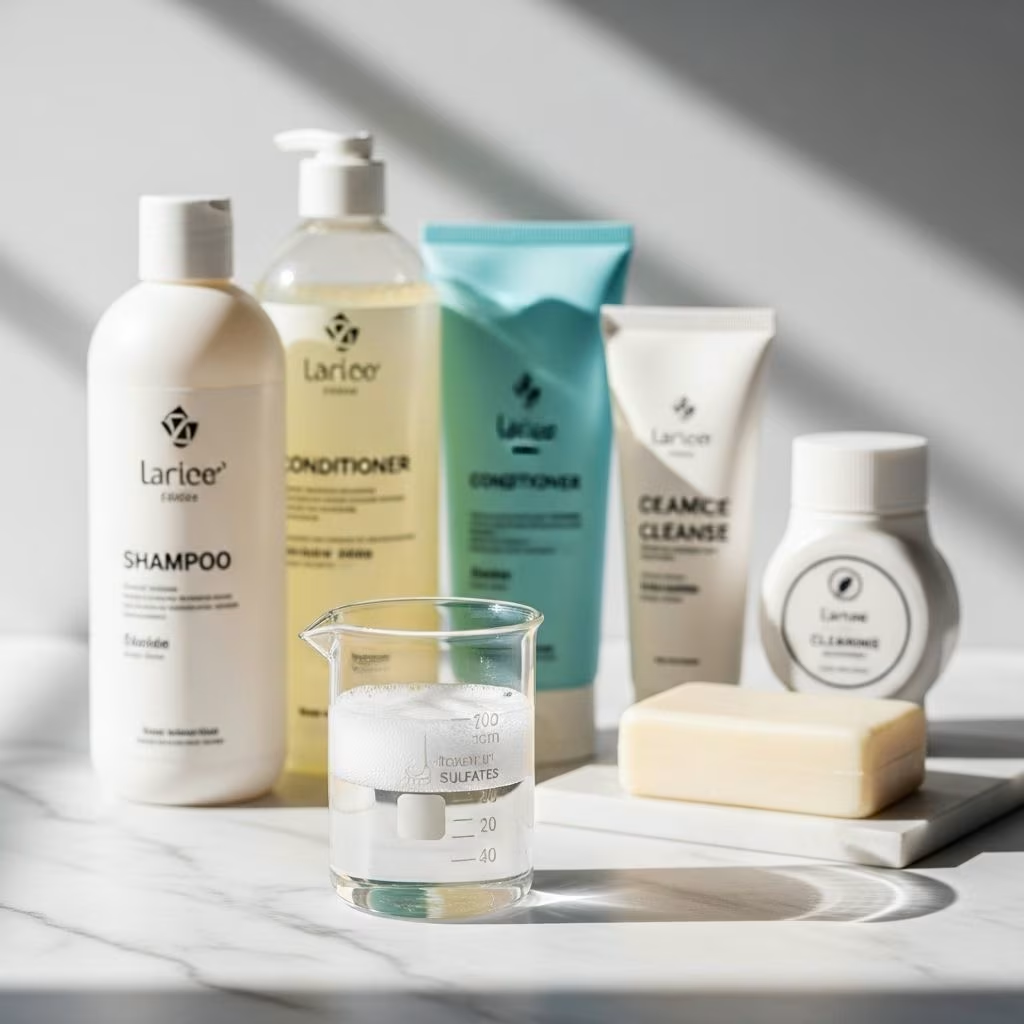
Sulfates are among the most discussed ingredients in the world of beauty and personal care. They feature in countless shampoos, cleansers, and body washes, but also attract a mix of positive and negative attention. This article provides a thorough look at sulfates—what they are, why they’re used, their advantages and drawbacks, debunks common myths, and explains how to make informed choices for your own routine.
What Are Sulfates?
Sulfates are chemical compounds derived from sulfuric acid. They are valued in cosmetics and personal care for their ability to act as surfactants—meaning they help mix water with oil and dirt, making it possible to rinse away debris from skin and hair.
Two of the most common sulfates found in beauty products are sodium lauryl sulfate (SLS) and sodium laureth sulfate (SLES). These ingredients help create the foamy lather people often associate with thorough cleansing.
Common Types of Sulfates in Beauty Products:
- Sodium Lauryl Sulfate (SLS): Used in shampoos, soaps, and toothpaste for its strong cleansing properties.
- Sodium Laureth Sulfate (SLES): Similar to SLS but milder, often found in shampoos and cleansers.
- Ammonium Lauryl Sulfate: Used in shampoos and body washes for its ability to create a rich lather.
Why Are Sulfates Used in Haircare and Skincare?
Sulfates are powerful cleansers that help remove oil, dirt, and impurities from the hair and skin. They’re applied in formulations to create the thick, bubbly lather expected from shampoos and washes. Their surfactant nature allows them to emulsify oils, ensuring that products with both oil and water ingredients stay well-blended.
Key Benefits of Sulfates:
- Highly effective at removing buildup, oils, and contaminants.
- Create a luxurious foam that enhances the cleansing experience.
- Help evenly distribute ingredients in formulations, keeping texture and performance consistent.
- Readily available and inexpensive, so product prices stay lower.
Are Sulfates Natural or Synthetic?
Sulfates can originate from natural sources (such as mineral salts) or be manufactured using chemical processes, often from petroleum, plants, or animal-derived substances. Most beauty products use synthetically derived sulfates for consistency and purity.
Pros and Cons of Sulfates in Beauty Formulas
| Pros | Cons |
|---|---|
|
|
Are Sulfates Safe?
For the majority of people, sulfates are safe when used as directed in personal care products. However, those with sensitive skin, scalp conditions, or allergies may experience irritation or discomfort. Most safety concerns arise not from sulfates themselves, but from excessive concentrations and improper usage.
Authoritative sources—including ingredient safety centers and dermatologists—agree that there’s no scientific basis for claims that sulfates in cosmetics cause cancer or organ damage, provided they are used as intended.
Potential Risks of Sulfates:
- Skin Irritation: Sulfates can strip away essential oils, weakening the skin barrier and causing dryness or irritation, especially for people with eczema, rosacea, or allergies.
- Disrupted pH: Sulfates can shift skin’s pH toward alkaline, potentially disturbing the skin’s natural microflora and exacerbating conditions like acne or inflammation.
- Eye irritation: Accidental contact, especially with high concentrations, can cause burning or stinging.
Debunking Myths About Sulfates
- Myth: Sulfates cause cancer or organ damage.
Fact: There’s no scientific evidence supporting these claims for exposure from cosmetic products used as directed. - Myth: All sulfates are harsh and unsafe.
Fact: Their effect depends on concentration and your personal sensitivity. Many people tolerate low levels without issue. - Myth: Sulfate-free products are always better.
Fact: Sulfate-free formulas may be gentler for sensitive skin or colored hair, but some users find they don’t cleanse as deeply. Choice depends on your needs and comfort.
Sulfate-Free Beauty: Why Some People Avoid Sulfates
Driven by rising awareness and demand for gentler formulas, many brands now offer sulfate-free alternatives for shampoos, cleansers, and more. The main reasons people seek sulfate-free products are:
- Decreased risk of dryness and irritation
- Preference for gentle cleansing, especially with sensitive skin or colored hair
- Desire for formulas with naturally derived ingredients
Who Should Consider Sulfate-Free?
- People with sensitive, allergy-prone skin
- Those with eczema or rosacea
- Anyone with color-treated, fragile, or curly hair
- Individuals looking for milder cleansing or less lather
Understanding Ingredient Labels: How to Spot Sulfates
- Look for Sodium Lauryl Sulfate (SLS) or Sodium Laureth Sulfate (SLES) near the top of the ingredient list.
- Sulfates listed early in the ingredient list are present in higher concentrations.
- Sulfate-free products often highlight this on the label for easy identification.
Expert Tips: Choosing the Best Formula for Your Hair and Skin
- Assess your skin and hair type first—normal and oily types often tolerate sulfates, but sensitive or dry types may prefer sulfate-free.
- If switching to sulfate-free, expect less foam but possibly a gentler cleansing experience.
- Use sulfate-based products as directed and avoid prolonged contact if you’re prone to dryness.
- Consider alternating between sulfate and sulfate-free formulas depending on season, activity level, or styling products used.
How to Manage Sulfate Exposure
- Rinse thoroughly after using sulfate-containing cleansers or shampoos to minimize residual irritation.
- If you experience redness, dryness, or itching, discontinue use or switch to a milder, sulfate-free option.
- Follow up with moisturizing products, especially if you use sulfates regularly.
- Seek professional advice if you’re unsure which formula is right for your needs.
Frequently Asked Questions (FAQs)
Q: What are sulfates, exactly?
A: Sulfates are surfactant compounds used in cosmetics and personal care for their strong cleansing and foaming abilities. Examples include sodium lauryl sulfate and sodium laureth sulfate.
Q: Are sulfates bad for my hair?
A: While sulfates effectively remove oil and buildup, they may dry out hair—especially if you have fine, color-treated, or curly hair. Switching to sulfate-free products might reduce dryness.
Q: Should I avoid sulfates altogether?
A: Not everyone needs to avoid sulfates. People with sensitive skin, allergies, or fragile hair might benefit from sulfate-free formulas. Others may use traditional products without problems.
Q: Do sulfates cause cancer?
A: No. There is no scientific evidence that sulfates in beauty products cause cancer or organ damage when used as directed.
Q: Why do sulfate-free products feel different?
A: Sulfate-free shampoos and cleansers generally produce less foam but offer gentler cleansing, preserving natural oils on the skin and hair.
Conclusion: Empowering Your Beauty Routine
Understanding sulfates equips you to make informed choices about your haircare and skincare. Consider your unique needs, read ingredient labels carefully, and experiment to discover which formula makes you feel confident and comfortable. Sulfates remain staple ingredients for their cleansing power, but for many, sulfate-free options deliver the gentle care they’re looking for. The best routine is one that considers both science and your own skin and hair’s wellbeing.
References
- https://www.boozyshop.com/blogs/blog/everything-you-need-to-know-about-sulfates-in-skin
- https://www.vinevera.com/blog/shocking-truth-about-sulfates-in-your-skincare/
- https://cris.msu.edu/news/trending/trending-sulfates/
- https://www.webmd.com/beauty/what-to-know-sulfate
- https://www.paulaschoice.co.uk/sulfates/ingredient-sulfates.html
- https://www.livingproof.com/blogs/hair-101/are-sulfates-bad-for-hair