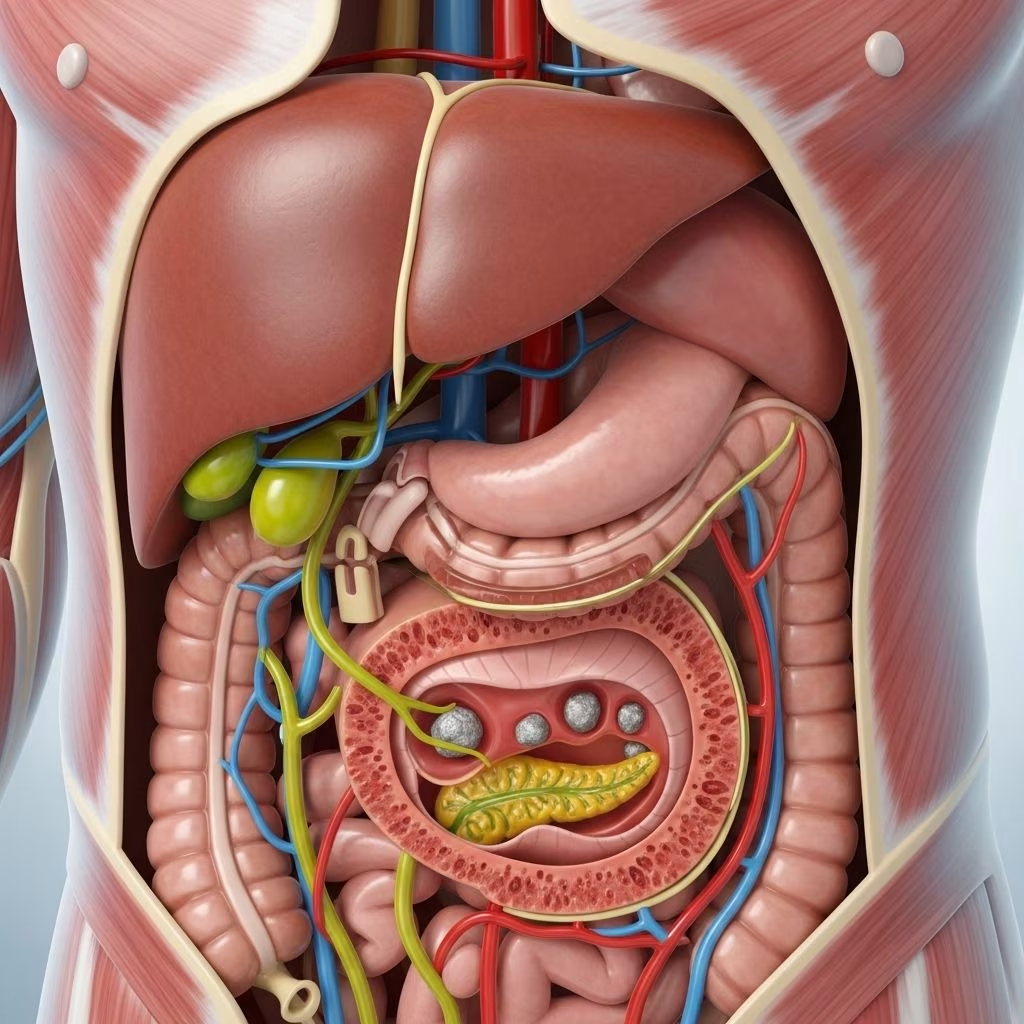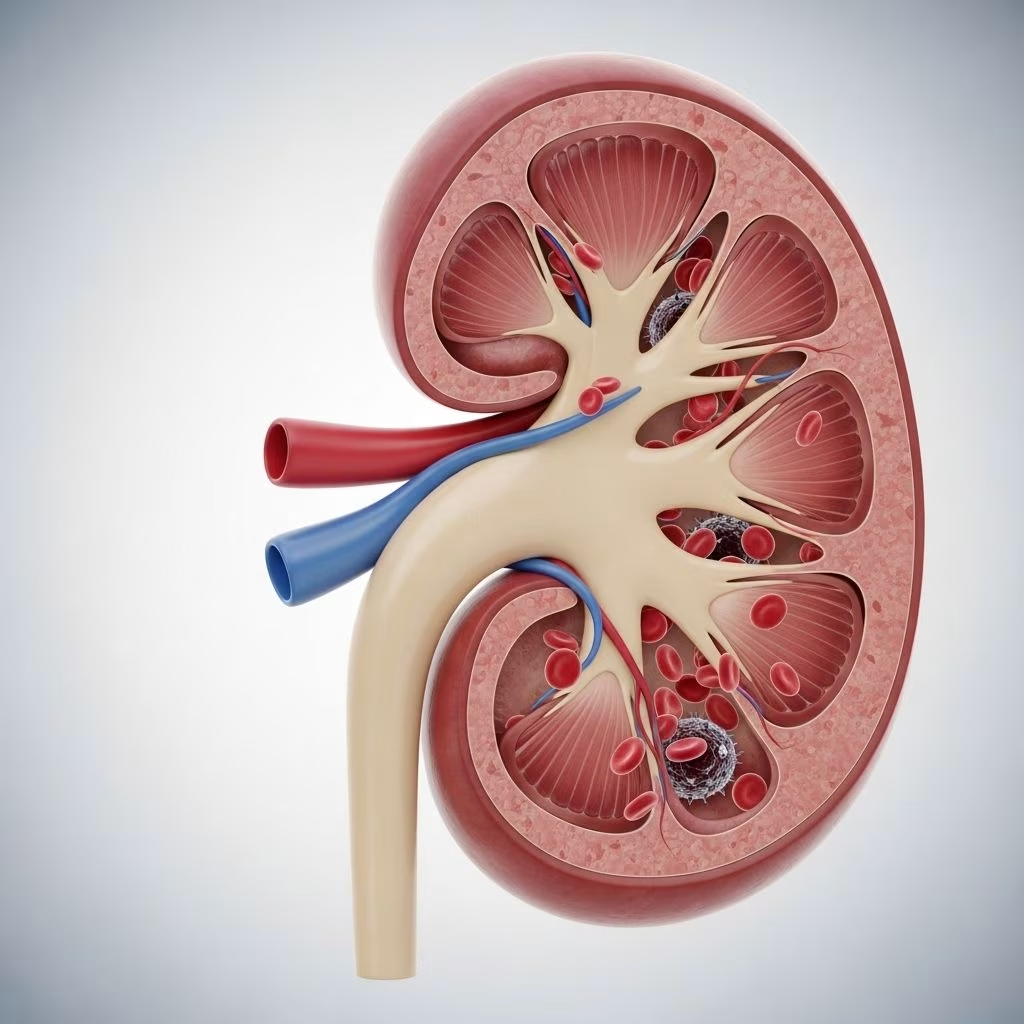
Hematuria refers to the presence of blood in urine—a symptom that can range from harmless to a sign of a serious medical condition. Although the amount of blood can be so small that it goes undetected without a urine test, in some cases it changes the urine’s color, making prompt investigation crucial. Understanding the causes, diagnostic strategies, risk factors, treatment options, and prevention methods for hematuria is essential for patients and caregivers alike.
What is Hematuria?
Hematuria signifies the presence of red blood cells in urine. It may occur in two principal forms:
- Gross (Visible) Hematuria: Urine appears pink, red, or cola-colored due to a noticeable amount of blood.
- Microscopic Hematuria: The blood is not visible to the naked eye and can only be detected through laboratory analysis or microscopic examination.
Even small amounts of blood in urine can signal underlying health issues and should not be ignored.
Symptoms of Hematuria
While hematuria itself may often be the only symptom, certain features can provide clues about its underlying causes. Symptoms may include:
- Visible blood in urine (pink, red, or brownish urine)
- Pain during urination (dysuria)
- Urgency or frequent need to urinate
- Abdominal, side (flank), or back pain
- Bladder or pelvic pain
- Blood clots in urine (potentially causing urinary blockage or pain)
Sometimes, especially with microscopic hematuria, there may be no outward symptoms.
Types of Hematuria
- Gross Hematuria: The blood is visible to the naked eye, turning urine red, pink, or smoky brown. This coloration requires only a small amount of blood and may alarm patients, but visible hematuria always warrants evaluation.
- Microscopic Hematuria: Blood is only detectable through a urine test or microscopy, with no visible urine discoloration.
Causes of Hematuria
The causes of hematuria are varied, ranging from benign to life-threatening conditions. Common causes include:
- Urinary Tract Infections (UTIs): An infection in the bladder, kidneys, or other parts of the urinary tract can lead to irritation and bleeding.
- Bladder or Kidney Stones: Stones can develop from mineral deposits and may cause bleeding when passing or if they irritate the lining of the urinary tract.
- Enlarged Prostate (Benign Prostatic Hyperplasia, BPH): In men, especially as they age, the prostate can enlarge, compress the urethra, cause trouble urinating, and sometimes result in blood in the urine.
- Vigorous Physical Activity: Extended exercise such as distance running can cause trauma to the bladder and result in hematuria, sometimes called ‘exercise-induced hematuria’.
- Kidney Disease: Conditions affecting the kidney’s filtering function, like glomerulonephritis, can lead to bleeding into the urine.
- Injury or Trauma: Any injury to the kidneys or other parts of the urinary tract may cause bleeding.
- Cancer: Tumors of the bladder, kidneys, or prostate can cause blood to appear in the urine. Hematuria is often one of the first signs in these cases.
- Medications: Drugs such as aspirin, nonsteroidal anti-inflammatory drugs (NSAIDs), blood thinners (e.g., warfarin, heparin), and certain antibiotics (e.g., penicillin) can increase the risk of bleeding.
- Inherited Disorders:
- Sickle cell anemia
- Alport syndrome
- Hemophilia
- Menstrual Contamination: Sometimes, blood from a woman’s menstrual flow can be mistaken for hematuria.
- Recent Urinary Procedures: Medical procedures involving urethra, bladder, or kidneys can temporarily cause hematuria.
- Other Medical Causes: Blood-clotting disorders, endometriosis, or inflammation anywhere along the urinary system.
Common Causes of Hematuria: Comparison Table
| Cause | Typical Symptoms | Who is Most at Risk? |
|---|---|---|
| UTI | Burning urination, frequency, urgency | Women, elderly, individuals with catheters |
| Stones | Pain, possible visible blood, urinary blockage | Adults, people with a history of stones |
| BPH | Interrupted urine flow, urgency, nighttime urination | Men over 50 |
| Cancer | Often painless, blood in urine | Older adults, smokers, those with chemical exposures |
| Medications | Variable (may be asymptomatic apart from hematuria) | Anyone on high-risk medications |
Who is at Risk of Hematuria?
Certain factors increase the chance of developing hematuria:
- Age (more common in older adults and men over 50)
- Family history of kidney disease or urinary tract cancer
- Recent urinary tract infection or surgery
- Certain chronic conditions (e.g., diabetes, high blood pressure)
- Use of blood-thinning medications
- Prolonged vigorous exercise or trauma
- Personal history of stones or known urinary tract abnormalities
- Exposure to certain toxins or chemicals (like in industrial settings or smoking)
Diagnostic Evaluation
Detecting and understanding the cause of hematuria is vital. Diagnostic steps may include:
- Medical History and Physical Examination: Your healthcare provider will evaluate risk factors, symptoms, and perform a physical exam, sometimes including a pelvic or prostate exam.
- Urine Analysis: Checks for red blood cells, infection, and abnormal substances in urine.
- Urine Culture: Used to detect urinary tract infections.
- Blood Tests: Evaluate overall kidney function, check for signs of disease or bleeding disorders.
- Imaging Studies:
- Ultrasound: Non-invasive, visualizes kidneys and bladder.
- CT Scan: More detailed, may use contrast dye.
- MRI: Useful if other imaging is unclear.
- Intravenous Pyelogram (IVP): Less commonly used now; employs dye and X-rays.
- Cystoscopy: A small camera inserted through the urethra to view the inside of the bladder and urethra directly. Enables biopsy if necessary.
Occasionally, additional specialized tests may be warranted depending on findings or patient risk factors.
Treatment of Hematuria
Treatment depends entirely on the underlying cause identified during evaluation. Approaches may include:
- Urinary Tract Infection: Antibiotics, increased hydration, and monitoring.
- Bladder or Kidney Stones: Small stones may pass with increased fluid intake; larger stones may require medication, shock wave therapy, or surgical removal.
- Enlarged Prostate (BPH): Medications to shrink the prostate or improve urine flow, and surgical interventions when necessary.
- Cancer: Treatment depends on type, location, and stage—may involve surgery, chemotherapy, radiation, or a combination.
- Inherited Disorders or Glomerular Diseases: Medications may include immunosuppressants, steroids, or drugs to control blood pressure and reduce kidney inflammation.
- Medication-Related: Adjusting or stopping offending drugs if possible and safe. Always consult your doctor before changing prescribed medications.
- Exercise-Induced Hematuria: Rest and hydration, with evaluation to rule out more serious conditions if blood persists.
Occasionally, no treatment is required if all test results are normal and the hematuria resolves spontaneously. However, close follow-up may be needed.
Potential Complications
If not promptly evaluated and treated, hematuria can lead to serious complications, depending on the underlying condition:
- Progression of bladder, kidney, or prostate cancer
- Chronic kidney disease or kidney failure
- Serious infections and sepsis
- Obstructed urine flow due to blood clots or stones
- Persistent or recurrent hematuria, warranting ongoing evaluation
Prevention and Long-Term Outlook
- Avoid Risk Factors: Abstain from smoking, limit exposure to toxins/chemicals, and maintain a healthy urinary tract.
- Hydration: Drink plenty of fluids to reduce the risk of stones and infections.
- Prompt Infection Treatment: Seek medical attention for urinary symptoms to avoid chronic infections.
- Regular Screening: If you have risk factors (e.g., family history, previous urinary cancer, chronic kidney disease), follow your doctor’s recommendations for regular screenings.
- Medication Safety: Use blood thinners, NSAIDs, and other medications only as prescribed after consulting a healthcare provider.
- Practice Safe Exercise: Gradual increases in exercise intensity can help prevent trauma-induced hematuria.
With timely diagnosis and management, most causes of hematuria can be treated effectively, and underlying conditions controlled or cured.
Frequently Asked Questions (FAQs)
Q: When should I see a doctor for blood in my urine?
A: You should seek medical attention any time you see pink, red, or brown urine, or if a routine urine test detects blood. Immediate consultation is especially critical if you have additional symptoms like pain, fever, nausea, vomiting, or difficulty urinating.
Q: Does hematuria always mean I have a serious condition?
A: Not all hematuria indicates a serious issue—sometimes it results from infections, medications, or even heavy exercise. However, since it may signify cancer, kidney disease, or other significant problems, prompt assessment is vital.
Q: Can dehydration cause blood in urine?
A: While not a direct cause, dehydration can contribute to formation of kidney stones or concentrated urine, making bleeding more likely if another underlying issue exists.
Q: Is it normal for hematuria to resolve on its own?
A: Some benign causes of hematuria, like minor trauma or brief infections, may resolve once the precipitating factor subsides. However, any instance of blood in urine should be evaluated to rule out persistent, serious, or life-threatening conditions.
Q: What happens if the cause of hematuria can’t be found?
A: In some cases, no cause is identified, and the hematuria may resolve on its own. If so, your doctor may recommend regular follow-up tests to monitor for any future signs of disease.
Q: How is hematuria in children different from adults?
A: While many causes overlap, some types of kidney inflammation or inherited conditions are more common in children. Any visible blood in a child’s urine should prompt thorough investigation by a pediatrician or pediatric nephrologist.
Key Takeaways
- Hematuria refers to blood in the urine, which can be visible or invisible (microscopic).
- Causes range from benign infections and stones to serious conditions like cancer or kidney disease.
- Prompt medical evaluation is crucial to determine the cause and appropriate treatment.
- Following preventive steps, regular monitoring, and attending follow-up appointments can reduce risk and ensure timely detection of complications.
References
- https://www.healthline.com/health/urine-bloody
- https://www.radiologyinfo.org/en/info/hematuria
- https://www.kidney.org/kidney-topics/hematuria-blood-urine-adults
- https://www.niddk.nih.gov/health-information/urologic-diseases/hematuria-blood-urine
- https://my.clevelandclinic.org/health/diseases/15234-hematuria
- https://www.mayoclinic.org/diseases-conditions/blood-in-urine/symptoms-causes/syc-20353432
- https://www.mayoclinic.org/diseases-conditions/blood-in-urine/diagnosis-treatment/drc-20353436
- https://www.mdanderson.org/cancerwise/blood-in-urine–hematuria—what-causes-it-and-what-to-do-about-it.h00-159701490.html
- https://www.medparkhospital.com/en-US/disease-and-treatment/blood-in-the-urine
- https://www.pennmedicine.org/conditions/urine-bloody