Ice Packs vs. Warm Compresses for Pain Relief
Pain and discomfort from injuries, chronic conditions, or everyday aches prompt many people to seek immediate relief. Two of the most widely used and effective home remedies are ice packs (cold therapy) and warm compresses (heat therapy). Both offer distinct benefits, but knowing when and how to use them can significantly impact recovery, symptom management, and overall comfort.
Understanding the Role of Ice and Heat in Pain Management
Deciding between an ice pack and a warm compress hinges on two main principles: how the body responds to cold versus heat, and the nature of the pain or injury. Applying the wrong temperature treatment at the wrong time can delay healing or even worsen symptoms. This guide is designed to help you navigate the choice—and make the most of each technique for effective pain relief.
How Cold Therapy (Ice Packs) Works
Cold therapy uses low temperatures to numb tissues, reduce blood flow, and control inflammation. This method is particularly effective for acute injuries (those that are sudden and recent), such as sprains, strains, and minor bumps or bruises.
- Reduces inflammation and swelling by constricting blood vessels.
- Numbs the area for immediate pain relief by slowing nerve conduction.
- Lowers tissue temperature to prevent or minimize bruising and cell damage.
- Reduces bleeding after sustaining an acute injury.
When to Use an Ice Pack
- Immediately after an injury to muscles, ligaments, or tendons (such as sprains, strains, or bumps).
- In cases of joint swelling or acute inflammation.
- For sports injuries with visible redness, swelling, or bruising.
- Episodes of gout or sudden arthritis flares featuring hot, swollen joints.
- After surgeries or dental procedures to minimize swelling.
- For migraines or tension headaches, cold packs applied to the forehead or neck area may help.
- Chronic conditions such as tendinitis or bursitis during pain flare-ups.
Common Types of Cold Packs
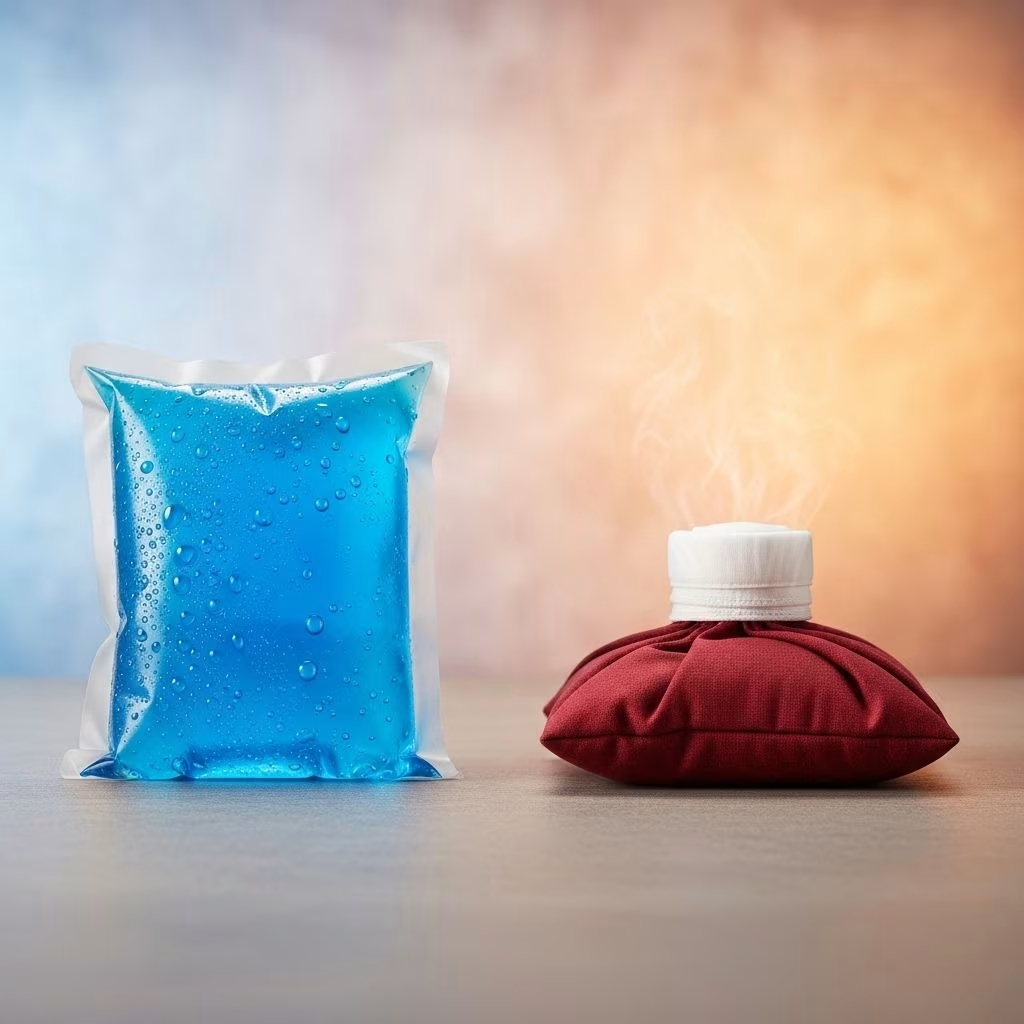
- Reusable gel packs: Store in the freezer and apply as needed (always with a barrier between the skin and the pack).
- Homemade ice packs: Fill a sealable plastic bag with ice or use a bag of frozen vegetables; wrap it in a thin towel before applying.
- Ice towels: Moisten a towel with cold water, fold, seal in a plastic bag, freeze for 15 minutes, and then use on the affected area.
How to Apply Cold Compresses Safely
- Always wrap the ice pack in a thin towel or cloth to prevent frostbite or direct skin damage.
- Apply for 15–20 minutes at a time, allowing the skin to return to normal temperature between applications.
- Repeat every 2–3 hours during the first 24–48 hours after injury.
- Avoid using ice packs for more than 20 minutes at once, and never sleep with an ice pack applied.
Safety note: Never apply ice directly to the skin. If you have conditions like diabetes or compromised sensation, check the skin regularly to avoid cold burns or injuries.
How Heat Therapy (Warm Compresses) Works
While cold constricts blood vessels, heat therapy does the opposite: it dilates blood vessels, increases circulation, and relaxes soft tissues. This approach excels for chronic pain and muscle stiffness, or after the initial inflammation phase of an injury has passed.
- Boosts blood flow to promote healing by delivering oxygen and nutrients to tissues.
- Reduces joint stiffness and relaxes tight or spasming muscles.
- Helps clear metabolic waste (such as lactic acid), which can accumulate during muscle overuse.
- Soothes chronic back, neck, or shoulder pain.
When to Use a Warm Compress
- For chronic muscle pain or tension—such as low back pain, stiff neck, or aching shoulders.
- To relax muscles before activity, such as stretching or physical therapy exercises.
- For joint stiffness—especially in osteoarthritis or rheumatoid arthritis (unless the joint is swollen, red, or hot).
- On menstrual cramps, heat may relax cramping abdominal muscles.
- After the first 48–72 hours post-injury, once the swelling has subsided.
Common Types of Warm Compresses
- Heating pads: Electric or microwavable, with built-in safety timers and temperature controls.
- Warm towels: Soak a towel in hot (not scalding) water, wring it out, and drape over the affected area.
- Hot water bottles: Fill with warm (not boiling) water and wrap in a towel.
- Reusable gel packs: Heat in a microwave or hot water as instructed, then apply with a cloth barrier.
How to Apply Heat Therapy Safely
- Check the temperature before use; it should be warm, not hot enough to burn the skin.
- Limit application to 15–20 minutes per session, 2–3 times per day, or as needed.
- Always place a cloth or towel between the heat source and your skin.
- People with conditions that reduce sensation (like neuropathy from diabetes) should be extra cautious.
- Never fall asleep with a heating pad or warm compress applied.
Choosing Between Ice and Heat: Key Considerations
| Condition or Symptom | Best Therapy | Why? |
|---|---|---|
| Recent injury (sprain, strain, bruise) | Ice pack (cold) | Reduces swelling, bleeding and minimizes pain in the acute phase |
| Muscle soreness following intense exercise | Heat (warm compress) | Promotes blood flow to clear out lactic acid and relaxes muscle |
| Chronic muscle or joint pain (without fresh swelling) | Heat | Reduces stiffness, soothes deep, dull aches |
| Joint inflammation with heat, redness, swelling (gout/flare) | Ice pack (cold) | Helps control inflammation, numbs pain |
| Back or neck stiffness (without acute injury) | Heat | Loosens muscles, eases movement |
When Either Heat or Cold Can Help
Some conditions respond well to either therapy—especially when your main goal is short-term pain relief or comfort management. For example:
- Arthritis-related aches, including osteoarthritis and rheumatoid arthritis (unless a joint is hot, swollen, or red).
- Fibromyalgia pain.
- Chronic back and neck pain.
- Minor aches after activity.
For these situations, choose the therapy that feels best, but avoid prolonged exposure and observe for signs of worsening pain, swelling, or skin changes.
When to See a Doctor
While many aches and injuries can be managed at home, you should seek medical attention if you experience:
- Severe pain or swelling that does not improve within 48 hours.
- Signs of infection (fever, chills, redness, warmth, oozing at injury site).
- Numbness, tingling, or weakness in the limbs.
- Loss of joint function or inability to bear weight.
- Unexplained bruising or pain that is spreading.
Frequently Asked Questions (FAQ)
Which therapy should I use for a pulled muscle?
Immediately after a pull (first 24-48 hours), use ice to reduce swelling. Once swelling subsides, switch to heat to loosen and relax the muscle.
Can I alternate ice and heat?
For chronic conditions or after the first few days of an acute injury, it may be helpful to alternate ice and heat. This can stimulate circulation and relieve persistent pain, but always start with ice if there’s any swelling or bruising present.
Is it safe to sleep with an ice pack or heating pad on?
No. Prolonged exposure increases the risk of frostbite or burns. Always remove therapy devices before sleeping and set a timer if necessary.
How often should I use these therapies?
Both ice and heat can be used several times a day for 15–20 minutes at a time, with breaks in between sessions to protect your skin.
When should I avoid using heat therapy?
Do not use heat on fresh injuries (within the first 48 hours), areas of swelling, or over open wounds. Avoid heat therapy if you have conditions that impair sensation or circulation, unless directed by a doctor.
Can children or elderly patients use these therapies?
Yes, but exercise extra caution. Monitor skin for reactions, keep sessions short, and use low or moderate temperatures. Always supervise children and those with decreased sensation or cognitive impairment.
Safety Tips for Heat and Cold Application
- Check skin every few minutes during use for redness, blisters, or numbness.
- Never use ice or heat over areas with poor sensation (numbness, recent nerve injury) or reduced circulation.
- If you have diabetes, vascular disease, or neuropathy, consult your healthcare provider before using these therapies at home.
- Never use hot or cold packs on open wounds unless specifically instructed by a medical professional.
- Always place a barrier (thin towel or cloth) between your skin and any pack.
Summary: Which Therapy Is Best for You?
- Ice packs: Best for recent injuries, swelling, red or hot joints, and acute pain.
- Warm compresses: Ideal for chronic aches, muscle stiffness, and joint soreness after swelling has resolved.
- When in doubt: If both options provide relief, alternate therapies or use what feels best.
- If symptoms persist, worsen, or are accompanied by severe swelling, fever, or loss of function, seek medical help promptly.
References
- This article is inspired by the guidelines and recommendations of leading healthcare organizations and expert clinicians specializing in pain management, orthopedics, and physical therapy.
- Reviewed by nurses and physical therapists for accuracy and clinical relevance.
References
- https://www.urmc.rochester.edu/encyclopedia/content?contenttypeid=85&contentid=p00918
- https://www.sapnamed.com/blog/ice-vs-warm-compresses-for-pain-when-to-use-them/
- https://www.health.harvard.edu/pain/cold-versus-heat-for-pain-relief-how-to-use-them-safely-and-effectively
- https://www.piedmont.org/living-real-change/when-to-treat-pain-with-ice-vs-heat
- https://www.webmd.com/pain-management/when-use-heat-ice
- https://healthlibrary.inova.org/library/diseasesconditions/Pediatric/GenitourinaryKidney/85,P00918
- https://orthopedicinstitutesf.com/ice-vs-heat-whats-better-for-pain-relief/
- https://www.missionhealth.org/healthy-living/blog/when-to-use-heat-or-ice-for-an-injury-it-depends
- https://www.hss.edu/health-library/move-better/ice-or-heat