What is Vacuum-Assisted Closure?
Vacuum-assisted closure (VAC), also known as negative pressure wound therapy (NPWT), is an advanced technique for managing complex wounds that are difficult to heal through conventional methods. This approach applies controlled negative pressure (a vacuum) to promote healing by removing fluids, reducing infection, and stimulating tissue growth.
How Does VAC Work?
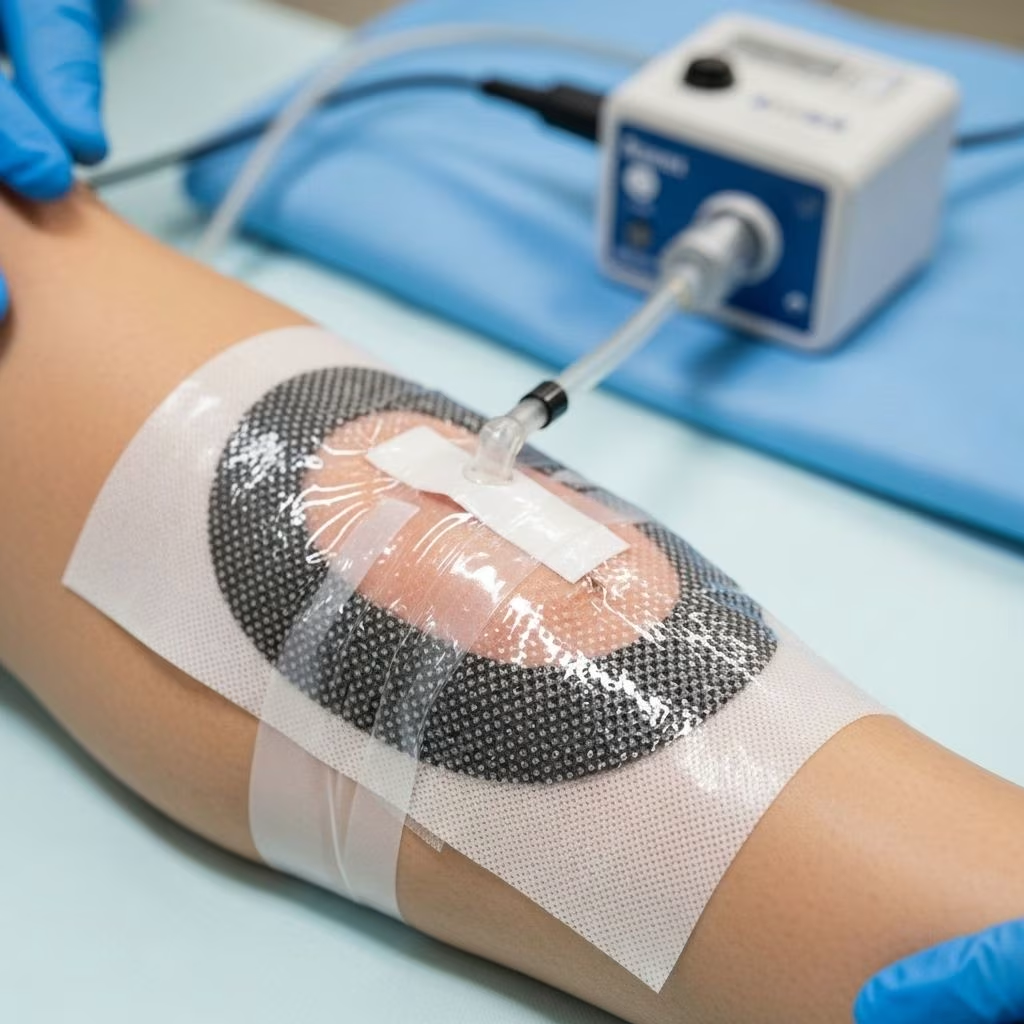
The VAC system consists of a soft, sterile foam dressing that fits the wound, a specialized adhesive dressing to create an airtight seal, tubing connected to a vacuum pump, and a canister to collect fluids. The vacuum pump creates sub-atmospheric pressure over the wound, pulling excess fluid and infection away, while also encouraging the wound edges to contract.
- The foam dressing evenly distributes negative pressure across the wound surface.
- The adhesive drape secures the dressing, creating a sealed environment.
- Tubes connect the wound to the vacuum pump and fluid collection canister.
Typically, the vacuum pump is set between 50 and 125 mmHg and can operate either continuously or in cycles (intermittent suction, such as 5 minutes on and 2 minutes off). The dressing is usually changed every 48 to 72 hours or as directed by your healthcare provider.
Why Might I Need Vacuum-Assisted Closure?
VAC therapy is recommended for patients with wounds that are not healing well with standard dressings or care. It is particularly beneficial for the following wound types:
- Large or deep wounds with significant tissue loss
- Pressure ulcers (bedsores)
- Surgical incisions that have opened (dehiscence)
- Diabetic ulcers and foot wounds
- Traumatic injuries with exposed bones or tendons
- Chronic, non-healing wounds
- Wounds with heavy exudate (fluid drainage)
This therapy helps stabilize the wound, fosters a moist healing environment, reduces infection risks, and often allows for quicker, more comfortable recovery.
Benefits of VAC Therapy
Several key benefits make vacuum-assisted closure a popular choice for wound management:
- Enhanced Healing: Negative pressure stimulates the formation of new tissue (granulation) and blood vessels (angiogenesis).
- Reduced Swelling (Edema): By removing excess fluids, VAC helps minimize swelling around the wound.
- Lower Risk of Infection: The sealed environment and removal of infectious material decrease the chance of bacteria entering or remaining in the wound.
- Increased Blood Flow: Negative pressure boosts circulation in the area, vital for healing.
- Less Frequent Dressing Changes: Compared with traditional dressings, VAC systems generally require fewer changes, often every 2–3 days.
- Decreased Discomfort: The continuous extraction of fluids can reduce local pain and inflammation.
Risks and Potential Complications
While VAC is generally safe and well-tolerated, some risks and side effects can occur:
- Pain or Discomfort: Patients may feel pulling, stretching, or mild pain, especially when the dressing is changed. Analgesics are sometimes offered before dressing changes.
- Bleeding: There is a risk of bleeding, particularly if blood vessels are exposed or if the wound involves sensitive tissue.
- Infection: While VAC can lower infection risk, improper application or infrequent dressing changes may lead to infection.
- Allergic Reaction: Some people may react to adhesives or dressings.
- Tissue Damage: If the vacuum setting is too high or the dressing is not changed appropriately, tissue damage can result.
- Device Malfunction: Leaks or equipment failure can compromise the efficacy of therapy and may require attention.
Most side effects can be managed by trained professionals monitoring the wound and adjusting treatment as needed.
What Happens During the Procedure?
VAC therapy is typically applied in a medical setting by a nurse or physician. The main steps include:
- Wound Preparation: The healthcare provider will clean the wound thoroughly, performing any necessary debridement (removal of dead tissue).
- Application of Dressing: A specialized foam or gauze is shaped to fit the wound precisely. Polyurethane (black) foam is often used for deeper wounds, while polyvinyl alcohol (white) foam suits superficial or sensitive wounds.
- Sealing the Wound: The dressing is sealed with a clear adhesive drape extending 3–5 cm beyond the wound edge to ensure an airtight environment.
- Attaching the Vacuum: The fenestrated (perforated) tubing is placed within the foam, then connected to the vacuum pump and fluid canister.
- Activating the Pump: The machine is turned on and calibrated to the prescribed negative pressure (common settings: 50–125 mmHg; higher settings for large or exudative wounds).
Dressings are changed as directed, usually every 48–72 hours.
What Happens After VAC Therapy?
After each dressing change or upon completion of therapy, your healthcare provider will evaluate the wound’s progress to determine if further VAC treatment or alternative therapies are recommended. Instructions for home care, warning signs to watch for, and pain management strategies will be provided. The length of time VAC therapy is needed varies—it may last days to several weeks, depending on wound severity and response to treatment.
Who Performs VAC Therapy?
VAC therapy is typically administered by a wound care nurse, surgeon, or physician trained in wound management. In some situations, specially trained home care professionals supervise ongoing care once the patient leaves the hospital or clinic.
What are the Types of Wounds Treated by VAC?
The therapy is effective for various wound types, including:
- Acute traumatic wounds: lacerations, abrasions, or avulsions with tissue loss
- Chronic wounds: diabetic ulcers, pressure sores, or venous ulcers
- Surgical wounds: reopened incisions or wounds closed with grafts or flaps
- Burns: partial-thickness burns requiring specialized wound bed preparation
- Dehisced wounds: surgical wounds that have reopened
- Wounds with high exudate: those producing large amounts of fluid, requiring management to prevent maceration and infection
How Do I Get Ready for VAC Therapy?
Before starting therapy, your healthcare provider will:
- Assess the wound’s size, depth, and location
- Determine if there are exposed blood vessels or organs (in which case extra care or alternative measures may be needed)
- Discuss allergy history, especially to adhesives or foam materials
You may be instructed to take pain medications before dressing changes and ensure the wound area is accessible during appointments.
What are the Possible Complications of VAC Therapy?
| Complication | Description |
|---|---|
| Bleeding | May occur in wounds with fragile blood vessels or after recent surgery |
| Pain | Most common during dressing changes; can be minimized with proper medication |
| Infection | If equipment is not kept sterile or dressings are left on too long |
| Tissue damage | Excessive negative pressure or inadequate protection may injure healthy tissue |
| Allergic reaction | Reactions to foam or adhesive drapes (rare) |
| Device malfunction | Loss of seal (leaks), pump failure requiring prompt attention |
Promptly report any unexpected symptoms such as bleeding, excessive pain, swelling, fever, or fluid leakage around the dressing.
What Happens After VAC Therapy?
When your wound has healed sufficiently (shrunken in size, filled in, or shown robust healthy tissue), or if alternative management is better suited, therapy will be discontinued. The area will continue to be monitored for signs of infection or delayed healing, and you may be transitioned to conventional dressings or other specialized care as needed.
Frequently Asked Questions (FAQs)
Q: How long does it take for a wound to heal with VAC therapy?
A: Healing time varies depending on the wound’s cause, size, depth, location, and your general health. Some wounds improve noticeably in days; more complex cases may require weeks of continuous therapy.
Q: Does VAC wound therapy hurt?
A: Some discomfort is normal, especially during dressing changes or when negative pressure is first applied, but significant pain should be reported to your care provider. Analgesics may be administered to help manage pain.
Q: Is VAC therapy safe for children and the elderly?
A: Yes, with careful monitoring and adjustment of pressure settings, VAC therapy can be safely applied to most age groups, including pediatric and geriatric patients.
Q: Can a VAC be used at home?
A: Many VAC systems are portable and can be used at home under the supervision of trained home health personnel. Proper training in device management and sterile technique is essential for safety and effectiveness.
Q: When should VAC therapy not be used?
A: Contraindications include untreated infection in the wound, exposed organs or vessels without protective barriers, malignancy in the wound, or in patients with allergies to dressing materials.
Summary
Vacuum-assisted closure is a highly effective wound management technique that enhances healing, reduces infection risk, and often speeds recovery for complex wound cases. With careful application and regular professional oversight, most patients experience significant benefit, although ongoing attention to wound progression and possible side effects remains essential for optimal results.
References
- https://pmc.ncbi.nlm.nih.gov/articles/PMC6739293/
- https://www.healthline.com/health/wound-vac
- https://pubmed.ncbi.nlm.nih.gov/32221237/
- https://pure.johnshopkins.edu/en/publications/a-clinical-review-of-infected-wound-treatment-with-vacuum-assiste-6/fingerprints/
- https://www.healthcaremedicalinfusion.com/hcm-blog/wound-vac-therapy-at-health-care-medical-infusion-specialties
- https://pure.johnshopkins.edu/en/publications/use-of-negative-pressure-wound-therapy-on-malignant-wounds-a-case
- https://clinicaltrials.gov/study/NCT01924884