Introduction to Psychedelics Research
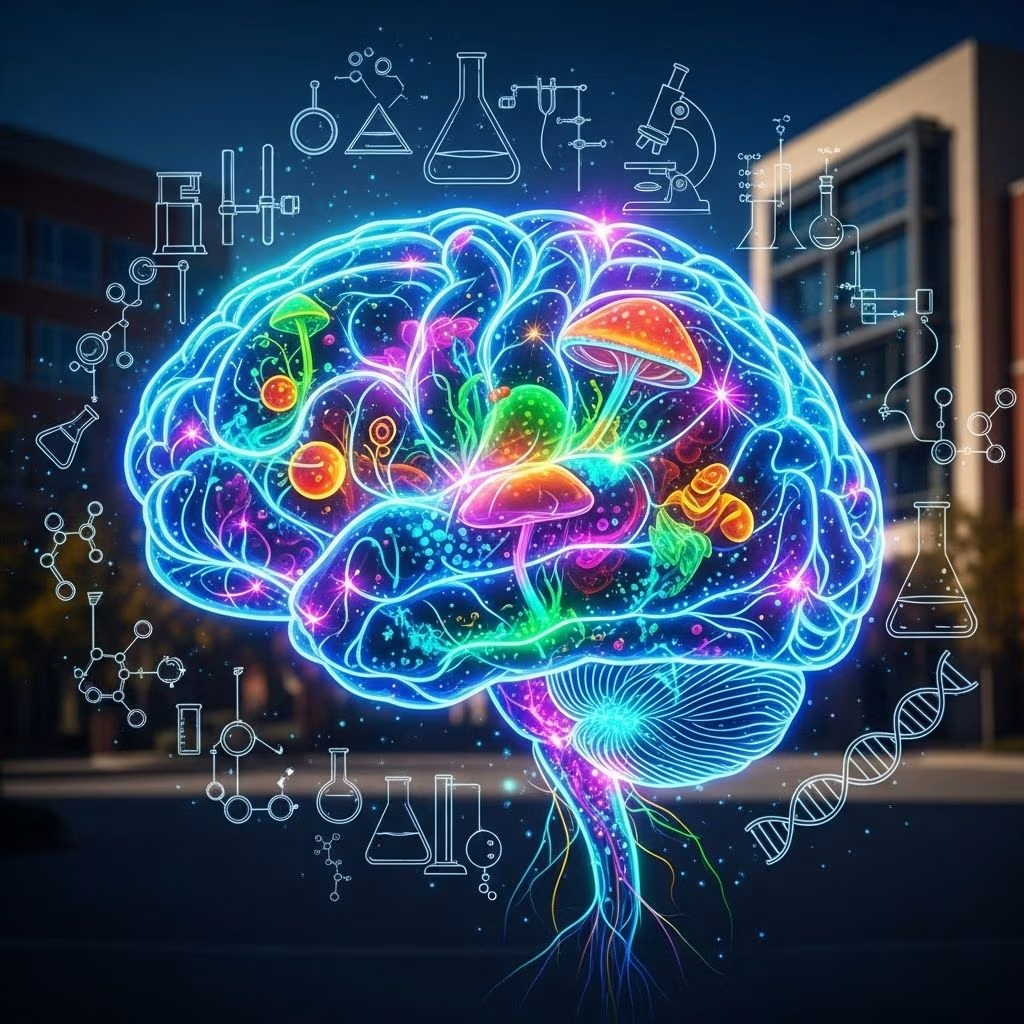
Psychedelics, substances known for their profound effects on consciousness, have been studied extensively for their therapeutic potential in recent years. Johns Hopkins University has been at the forefront of this research, particularly with compounds like psilocybin and MDMA. This article explores the key findings and implications of psychedelics research conducted at Johns Hopkins.
History of Psychedelics Research at Johns Hopkins
Throughout the 1950s and 1960s, psychedelics were studied for their potential therapeutic benefits. However, due to unfavorable media coverage and regulatory restrictions, research was halted in the early 1970s. The modern era of psychedelics research began in 2000 when Dr. Roland Griffiths at Johns Hopkins obtained approval to study psilocybin in healthy volunteers. This landmark study in 2006 highlighted the safety and enduring positive effects of psilocybin, revitalizing interest in psychedelic research worldwide.
Establishment of the Center for Psychedelic & Consciousness Research
In 2019, Johns Hopkins further solidified its position as a leading institution in psychedelics research by establishing the Center for Psychedelic & Consciousness Research. This center is dedicated to advancing the scientific understanding of psychedelics and their potential for treating mental health disorders, enhancing well-being, and expanding our understanding of consciousness.
Therapeutic Applications of Psychedelics
Johns Hopkins researchers have explored the therapeutic potential of psychedelics in a range of challenging conditions, including:
- Depression and Mental Health Disorders: Psilocybin has shown promise in treating major depressive disorder, with benefits lasting up to a year when combined with psychotherapy.
- Substance Use Disorders: Studies have demonstrated the efficacy of psilocybin-assisted therapy in treating addiction, such as smoking and other substances.
- Existential Distress and End-of-Life Care: Psilocybin has been used to alleviate existential distress in patients with life-threatening illnesses, enhancing their quality of life.
- Anorexia Nervosa and Obsessive-Compulsive Disorder: Researchers are investigating the potential of psychedelics in treating these conditions, though more studies are needed.
Promising Outcomes and Challenges
Psychedelics offer a unique therapeutic approach, with potential for rapid and long-lasting benefits. However, despite mounting evidence of their efficacy, psychedelics remain highly regulated, and their use is accompanied by public misconceptions. Researchers must navigate these challenges to advance the field.
Cost Savings and Economic Impact
Psychedelics could significantly reduce healthcare costs by offering shorter treatment cycles compared to traditional therapies. This could lead to substantial savings through reduced medication use and decreased need for long-term care.
Frequently Asked Questions (FAQs)
Q: What are the most promising psychedelic compounds being studied?
A: Psilocybin and MDMA are among the most researched compounds for their potential therapeutic applications.
Q: How do psychedelics work in therapy?
A: Psychedelics are typically used in conjunction with psychotherapy to enhance the therapeutic experience and outcomes. They facilitate deep introspection and emotional processing, which can lead to lasting changes in mental health conditions.
Q: Are psychedelics legal for therapeutic use?
A: Currently, most psychedelics are classified as controlled substances. However, there is growing interest in legalizing them for medical use under strict regulations, and some have received FDA breakthrough therapy designation.
Future Directions
As research continues to uncover the therapeutic potential of psychedelics, future studies will focus on elucidating the underlying mechanisms of action, optimizing therapeutic protocols, and expanding clinical trials to more diverse populations. The hope is that these treatments will become more accessible and integrated into mainstream healthcare.
Conclusion
Johns Hopkins’ pioneering work in psychedelics research marks a significant shift in the approach to mental health treatment. By understanding the therapeutic benefits and challenges associated with these substances, we can work towards a future where psychedelics are safely and effectively used to improve lives.
References
- https://hub.jhu.edu/2023/11/21/studying-the-healing-power-of-psychedelics/
- https://hopkinspsychedelic.org
- https://hub.jhu.edu/2022/02/16/psilocybin-relieves-depression-for-up-to-a-year/
- https://www.youtube.com/watch?v=q3Qws6RcyLE
- https://hopkinspsychedelic.org/index-1
- https://pmc.ncbi.nlm.nih.gov/articles/PMC5367557/