Management of Ruptured Ovarian Cyst
Ovarian cysts are common, particularly during a woman’s reproductive years. While most ovarian cysts are harmless and resolve on their own, a cyst may sometimes rupture, bringing sudden symptoms and requiring appropriate management. Understanding the signs, diagnosis, and treatment options—as well as knowing when to seek emergency care—is essential for anyone with ovaries. This article provides an in-depth look at what to expect when dealing with a ruptured ovarian cyst, how it’s managed, and ways to optimize recovery.
What Is a Ruptured Ovarian Cyst?
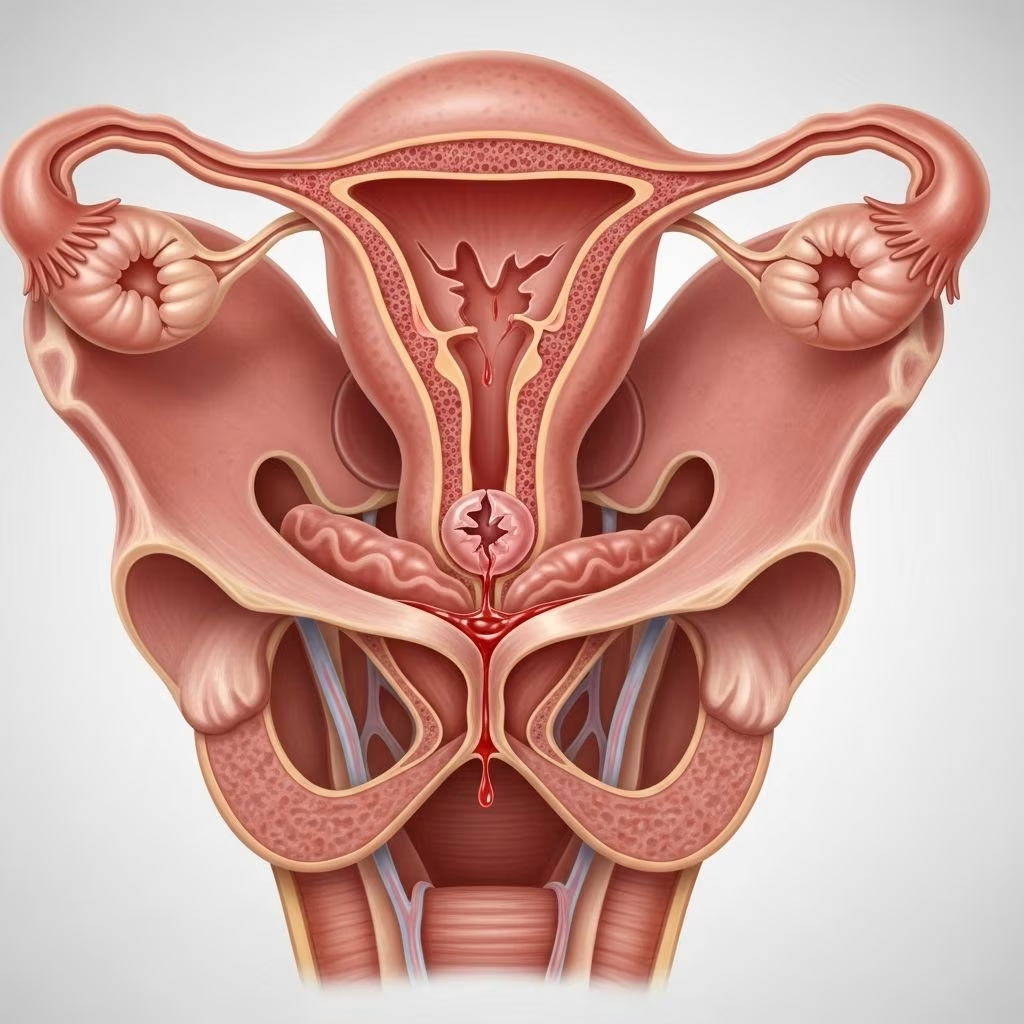
Ovarian cysts are fluid-filled sacs that develop on or inside an ovary. A ruptured ovarian cyst occurs when such a sac bursts, releasing its contents into the pelvic cavity. While ruptures can happen without symptoms, some cause significant pain or complications, including internal bleeding or infection.
Causes of Ovarian Cyst Rupture
- Ovulation: Most cysts develop and sometimes rupture as a normal part of the menstrual cycle, especially during ovulation when an egg is released.
- Vigorous Physical Activity: High-impact exercise or sexual intercourse can sometimes precipitate rupture, particularly in larger cysts.
- Underlying Health Conditions: Disorders such as endometriosis or polycystic ovary syndrome (PCOS) can increase the likelihood and frequency of cyst formation and rupture.
- Trauma: Less commonly, abdominal trauma may lead to cyst rupture.
Symptoms of a Ruptured Ovarian Cyst
While some ruptures are silent and go unnoticed, others prompt sudden, pronounced symptoms. Common experiences include:
- Sudden, sharp pelvic pain — usually on one side of the lower abdomen
- Abdominal bloating or tenderness
- Lightheadedness or dizziness
- Mild or moderate vaginal bleeding or spotting
- Shoulder pain (if internal bleeding irritates the diaphragm)
- Fever or chills (possible sign of infection or complication)
It’s important to remember that the severity and duration of symptoms may vary. In many cases, discomfort improves in a few days as the body reabsorbs the leaked fluid or blood.
When to Seek Urgent Medical Attention
- Intense pelvic pain that does not subside
- Fainting, dizziness, or signs of shock
- Heavy vaginal bleeding
- Fever, chills, or foul-smelling vaginal discharge
- Rapid heartbeat or low blood pressure
These symptoms may indicate serious complications such as significant internal bleeding, infection, or ovarian torsion—conditions that call for immediate evaluation.
Diagnosis of a Ruptured Ovarian Cyst
Diagnosing a ruptured ovarian cyst begins with a careful medical history and physical exam, followed by targeted tests to confirm the diagnosis and assess any complications.
- Pelvic examination: To assess for tenderness, swelling, or other signs near the ovaries.
- Pelvic ultrasound (transvaginal or transabdominal): The main imaging tool to visualize cyst rupture, fluid in the pelvis, or active bleeding.
- CT scan: Occasionally used if the diagnosis is uncertain, or to better evaluate internal bleeding.
- Blood tests: To check for anemia (from blood loss) or elevated white blood cells (suggesting infection).
- Pregnancy test: To rule out ectopic pregnancy, which has similar symptoms and is a medical emergency.
- Assessment of vital signs: Blood pressure and heart rate are monitored for signs of significant blood loss.
Treatment Options for Ruptured Ovarian Cyst
Treatment depends on the severity of symptoms, the extent of bleeding, the presence of infection, and your overall health. Many ruptured ovarian cysts do not require invasive intervention.
Home and Non-Surgical Management
- Rest and avoid strenuous activity
- Applying a heating pad to the lower abdomen to ease discomfort
- Taking over-the-counter pain relievers such as ibuprofen or naproxen (as directed by your healthcare provider)
- Staying well-hydrated
- Monitoring symptoms closely and following up with your healthcare provider as advised
Medical and Surgical Treatment
- IV fluids: If there is evidence of dehydration or blood loss
- Stronger prescription pain medications: For severe pain
- Observation in a hospital setting: For moderate-to-severe symptoms, ongoing blood loss, or unstable vital signs
- Blood transfusion: If there is significant blood loss leading to anemia or hemodynamic instability
- Surgery: Reserved for those with ongoing bleeding, signs of infection, suspected cancer, ovarian torsion, or large/complex cysts
- Laparoscopy: Minimally invasive surgery with small incisions, used for most cyst removals
- Laparotomy: Open surgery with a larger incision, sometimes necessary for extensive bleeding or suspected malignancy
- Removal of the ovary (oophorectomy): Only considered if the ovary is severely damaged or cancer is suspected; preserving ovarian function remains a priority when possible
Potential Risks of Surgery
- Bleeding
- Infection
- Poor wound healing or scar formation
- Blood clots
- Damage to nearby organs (blood vessels, nerves, bladder, bowel, etc.)
- Need for further or more invasive surgery if complications arise
Recovery After a Ruptured Ovarian Cyst
With proper management, most people recover from a ruptured ovarian cyst within several days to two weeks, depending on the severity of the rupture and the treatment given.
What to Expect During Recovery?
- Pain improvement: Most experience reduced pain and discomfort within 2–5 days.
- Mild abdominal soreness, bloating, or fatigue: Common during the first week post-rupture.
- Light vaginal spotting: May occur for a few days, especially if the rupture was associated with mild bleeding.
- Avoid strenuous activity (including heavy lifting and sexual intercourse) until cleared by your provider.
- Monitor for concerning symptoms: Persistent or worsening pain, fever, fainting, or foul-smelling discharge should prompt urgent follow-up.
Pain Management Strategies
- Use of NSAIDs (like ibuprofen) for mild-to-moderate pain (if not contraindicated)
- Heating pads or warm baths for added comfort and muscle relaxation
- Herbal teas (such as chamomile or ginger) for gentle soothing
- Wearing loose clothing and resting in positions that reduce abdominal pressure
- Maintaining good hydration and light activity, such as walking
Prevention and Long-Term Management
- Oral contraceptives: For those with frequent ovarian cysts, birth control pills may be prescribed to reduce ovulation-related cyst formation.
- Regular follow-ups: Pelvic ultrasounds and routine gynecological exams help monitor ovarian health and identify problematic cysts early.
- Awareness of underlying conditions: Managing PCOS, endometriosis, or other hormonal disorders can decrease cyst recurrence.
- Education: Learn to recognize symptoms of both cyst rupture and potential complications for timely intervention.
Possible Complications of Ruptured Ovarian Cysts
- Significant internal bleeding: Can lead to anemia, low blood pressure, or shock (especially in postmenopausal women or those with bleeding disorders).
- Infection: Rare, but fluid or blood in the pelvis may become infected.
- Ovarian torsion: The ovary may twist, cutting off its blood supply—a medical emergency.
- Adhesion formation: Scar tissue may develop around the ovary or pelvic organs.
- Loss of the ovary: In rare cases, especially if surgery is delayed in severe scenarios.
Frequently Asked Questions (FAQs)
What does it feel like when an ovarian cyst ruptures?
Symptoms vary, but most commonly, people describe a sudden, sharp, or stabbing pain in the lower abdomen (usually one-sided), sometimes with swelling, bloating, or mild vaginal bleeding. Some may experience dizziness or even no symptoms at all.
How long does the pain from a ruptured ovarian cyst last?
Most people find that their pain improves over several hours to five days, depending on the extent of the rupture and how quickly the blood or fluid is absorbed by the body.
Is surgery always necessary after an ovarian cyst rupture?
No. Most ruptured ovarian cysts heal on their own with conservative treatment. Surgery is only necessary in cases of severe bleeding, infection, torsion, or other complications that do not resolve with medical management.
What causes ovarian cysts to rupture?
Most commonly, cysts rupture naturally during ovulation. Other causes include vigorous exercise, sexual intercourse, or underlying gynecological conditions such as PCOS or endometriosis.
Can ovarian cysts rupture more than once?
An individual cyst usually ruptures only once. However, it is possible to develop new cysts in the future, which may also rupture if not addressed.
When can normal activities resume after a rupture?
Most people can return to routine activities within one to two weeks, provided their symptoms have resolved and their provider has cleared them. Strenuous activity, heavy lifting, and intercourse should be avoided until healing is complete.
Key Takeaways
- Ovarian cyst rupture is common; most cases resolve without major medical intervention.
- Prompt attention to severe symptoms and complications is critical for ensuring safety and preserving reproductive health.
- Personalized management, ranging from rest and observation to surgical intervention, is determined by symptom severity and individual health needs.
- Good follow-up and awareness empower individuals to recognize problems earlier, seek care promptly, and support long-term ovarian health.