\n\n
Carbon monoxide (CO) poisoning is a serious and potentially fatal condition caused by inhaling carbon monoxide gas. This article explores the causes, symptoms, diagnostic methods, treatments, and strategies to prevent carbon monoxide poisoning. Knowing these facts can help you protect yourself and loved ones from this silent, odorless, and invisible danger.
\n\n
What Is Carbon Monoxide?
\n
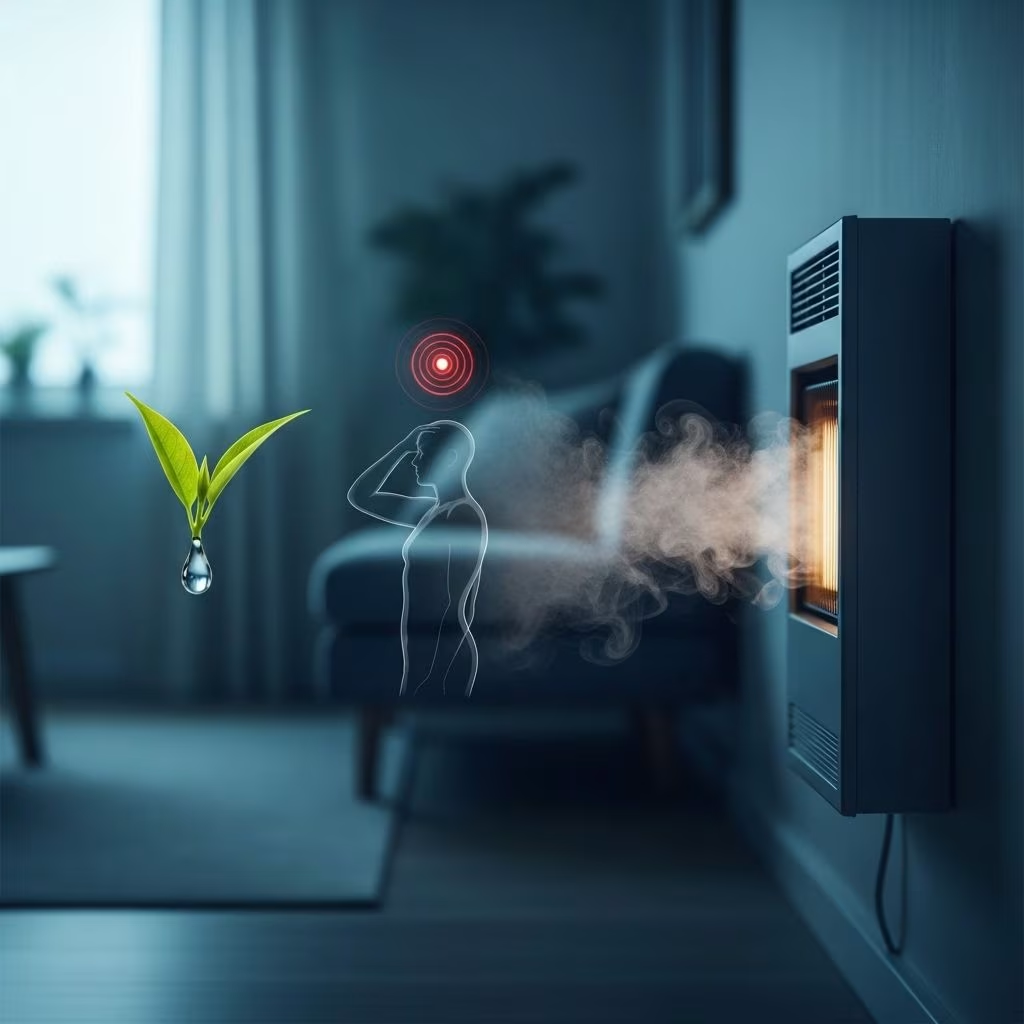
Carbon monoxide (CO) is a colorless, odorless, and tasteless gas. It forms from the incomplete burning of fossil fuels, such as gasoline, natural gas, oil, wood, propane, or charcoal. Because you can’t see or smell CO, it’s extremely difficult to detect without technology.
\n\n
Common Sources of Carbon Monoxide
\n
- \n
- Furnaces and heaters, especially if not properly maintained or vented
- Gas stoves and ovens
- Wood-burning fireplaces and stoves
- Portable generators, especially when used indoors or near windows
- Automobile engines running inside garages or enclosed spaces
- Charcoal grills and barbecues used indoors
- Gas-powered tools, such as pressure washers or concrete cutters
\n
\n
\n
\n
\n
\n
\n
\n\n
How Carbon Monoxide Poisoning Occurs
\n
When carbon monoxide is present in the air, it enters your body through the lungs as you breathe. CO binds to hemoglobin in your blood with much greater affinity than oxygen, forming carboxyhemoglobin. This process prevents oxygen from reaching vital organs and tissues, resulting in life-threatening damage, especially to the heart and brain.
\n\n
Symptoms of Carbon Monoxide Poisoning
\n
The signs and symptoms of carbon monoxide poisoning can be subtle and are often mistaken for other common illnesses, such as the flu (without fever). Symptoms vary depending on the duration and intensity of exposure, but can range from mild discomfort to severe neurological and cardiac complications.
\n\n
Early Symptoms
\n
- \n
- Headache
- Weakness
- Dizziness
- Nausea and vomiting
- Shortness of breath
- Confusion
- Blurred vision
- Sleepiness or drowsiness
\n
\n
\n
\n
\n
\n
\n
\n
\n\n
Severe or Advanced Poisoning
\n
- \n
- Loss of muscle control
- Chest pain
- Loss of consciousness or coma
- Convulsions or seizures
- Cardiac arrhythmias (irregular heartbeat)
- Death, if the exposure is prolonged or intense
\n
\n
\n
\n
\n
\n
\n\n
Some people, particularly those who are asleep, using sedative drugs or alcohol, or very young or elderly, may not notice any symptoms before it is too late.
\n\n
Long-Term and Delayed Effects
\n
- \n
- Memory loss
- Personality changes
- Movement and coordination problems
- Chronic headache or neurological deficits
- Heart damage
- Breathing difficulties
- Permanently impaired cognitive function
\n
\n
\n
\n
\n
\n
\n
\n\n
Who Is Most at Risk?
\n
- \n
- Pregnant women and unborn children
- Babies and young children
- Older adults
- Individuals with chronic heart or lung disease
- People with anemia
- Smokers
- Individuals with occupational exposure: firefighters, mechanics, welders, drivers
- Pets—often the first to show signs at home
\n
\n
\n
\n
\n
\n
\n
\n
\n\n
When to Seek Medical Help
\n
- \n
- If you suspect carbon monoxide poisoning, move immediately to fresh air and seek medical attention.
- Call 911 or emergency medical services if someone is experiencing severe symptoms, unconscious, or unresponsive.
- Don’t try to find the source of the CO; prioritize getting everyone to safety.
\n
\n
\n
\n\n
Diagnosis of Carbon Monoxide Poisoning
\n
Diagnosing carbon monoxide poisoning can be challenging because symptoms mimic other illnesses and the gas is undetectable by human senses. Healthcare providers rely on clinical assessment and blood tests to confirm exposure.
\n\n
Key Steps in Diagnosis
\n
- \n
- Patient history: Recent exposure to potential CO sources or similar symptoms in multiple people or pets.
- Physical examination: Checking for neurological and cardiac symptoms.
- Blood test for carboxyhemoglobin: A level above 2% in non-smokers (or above 9% in smokers) supports diagnosis.
- Pregnancy test: For all women of childbearing age, as CO is especially dangerous to fetuses.
\n
\n
\n
\n
\n\n
Treatment of Carbon Monoxide Poisoning
\n
Immediate medical attention is crucial for those exposed to high levels of carbon monoxide.
\n\n
Initial First Aid and Emergency Measures
\n
- \n
- Move the person to fresh air immediately.
- Call emergency services (911) as soon as possible.
- Turn off the carbon monoxide source if safe to do so.
- If the person is not breathing or is unresponsive, administer cardiopulmonary resuscitation (CPR) until emergency help arrives.
\n
\n
\n
\n
\n\n
Medical Treatments
\n
- \n
- 100% Oxygen Therapy: The primary treatment. Administered via a tight-fitting mask. This accelerates the removal of CO from the blood.
- Hyperbaric Oxygen Therapy: In severe cases, patients are placed in a hyperbaric chamber, breathing pressurized oxygen to further speed CO removal. Indicated for those with neurological symptoms, serious heart involvement, loss of consciousness, or pregnant women.
- Supportive Care: Continuous monitoring of heart, lungs, and neurological status. Serial neurological exams are performed to watch for signs of swelling in the brain (cerebral edema).
\n
\n
\n
\n\n
How Long Do Symptoms Last?
\n
With mild exposure, symptoms often improve soon after removing the person from the source or administering oxygen. Complete recovery time varies based on the level and duration of exposure. Some symptoms, such as headaches or cognitive changes, may last for days to weeks. In severe cases, neurological or heart complications may be long-lasting or permanent.
\n\n
Prevention of Carbon Monoxide Poisoning
\n
The dangers of carbon monoxide are preventable. Awareness and simple safety practices will greatly reduce risk.
\n\n
Tips for Preventing Carbon Monoxide Exposure at Home
\n
- \n
- Install carbon monoxide detectors on every level of your home and outside sleeping areas.
- Test detectors monthly and replace their batteries at least twice a year.
- Have all fuel-burning appliances (furnaces, stoves, water heaters, fireplaces) professionally serviced and inspected annually.
- Never use portable generators, barbecues, or gas-powered engines indoors or in garages, basements, or enclosed spaces.
- Ensure all appliances are properly vented to outside air.
- Never run a car or truck engine inside a garage attached to your house, even if the garage door is open.
- Do not use gas stoves or ovens as a heating source.
- Do not burn charcoal indoors.
- Promptly repair any leaks or blockages in vents and chimneys.
\n
\n
\n
\n
\n
\n
\n
\n
\n
\n\n
Special Precautions for At-Risk Individuals
\n
- \n
- Pregnant women, infants, elderly, and individuals with chronic heart or lung diseases should take extra precautions.
- Educate family and housemates about the dangers and symptoms of carbon monoxide poisoning.
- Consider additional detectors if you have attached garages or use fuel-burning appliances frequently.
\n
\n
\n
\n\n
Frequently Asked Questions (FAQs)
\n\n
Q: What should I do if my carbon monoxide detector goes off?
\n
A: Leave your home immediately and move to fresh air outside. Call emergency services or your local fire department to investigate. Do not re-enter until it has been deemed safe.
\n\n
Q: Can carbon monoxide poisoning happen even with the windows open?
\n
A: Yes, carbon monoxide levels can still build up to dangerous levels, especially if the source is producing gas continuously or if there is poor ventilation.
\n\n
Q: Is carbon monoxide poisoning contagious?
\n
A: No, it is not contagious. However, everyone in the affected environment is at risk for exposure and requires evaluation if symptoms are present.
\n\n
Q: Do carbon monoxide detectors work like smoke alarms?
\n
A: Carbon monoxide detectors sense the gas in the air and will sound an alarm if dangerous levels are present, similar to how smoke alarms alert you to fire.
\n\n
Q: How long does it take to recover from carbon monoxide poisoning?
\n
A: Recovery time varies based on the severity of poisoning and promptness of treatment. Mild cases may recover in hours to days; severe cases can take weeks or may result in permanent damage.
\n\n
Table: Carbon Monoxide Poisoning Risk Factors
\n
| Risk Group | Examples | Why at Increased Risk? |
|---|---|---|
| Pregnant women & fetuses | Pregnancy | Fetuses are very sensitive to hypoxia (low oxygen) |
| Infants & young children | Babies, toddlers | Smaller body size and developing organs |
| Adults 65+ | Elderly adults | Increased vulnerability to hypoxic injury |
| Individuals with chronic illness | Heart disease, lung disease, anemia | Pre-existing reduced oxygen delivery or use |
| People with occupational exposure | Firefighters, welders, mechanics | More likely to be exposed to high CO levels |
| Smokers | Cigarette smokers | Elevated baseline carboxyhemoglobin levels |
\n\n
Key Takeaways
\n
- \n
- Carbon monoxide is a silent threat; you cannot see, smell, or taste it.
- Symptoms of poisoning are nonspecific and can be mistaken for viral illnesses or fatigue.
- Fast response and medical treatment are critical for survival and minimizing long-term damage.
- Prevention through detectors, regular appliance maintenance, and safe practices is essential.
\n
\n
\n
\n
\n\n
Resources
\n
- \n
- Centers for Disease Control and Prevention (CDC)
- National Fire Protection Association (NFPA)
- Local fire departments for home safety inspections
\n
\n
\n
\n
References
- https://pmc.ncbi.nlm.nih.gov/articles/PMC6381775/
- https://www.mayoclinic.org/diseases-conditions/carbon-monoxide/symptoms-causes/syc-20370642
- https://www.webmd.com/first-aid/carbon-monoxide-poisoning
- https://www.cdc.gov/carbon-monoxide/hcp/clinical-guidance/index.html
- https://my.clevelandclinic.org/health/diseases/15663-carbon-monoxide-poisoning
- https://www.nhs.uk/conditions/carbon-monoxide-poisoning/
- https://nmtracking.doh.nm.gov/health/poisonings/CarbonMonoxidePoisoning.html
- https://www.epa.gov/indoor-air-quality-iaq/protect-your-family-and-yourself-carbon-monoxide-poisoning