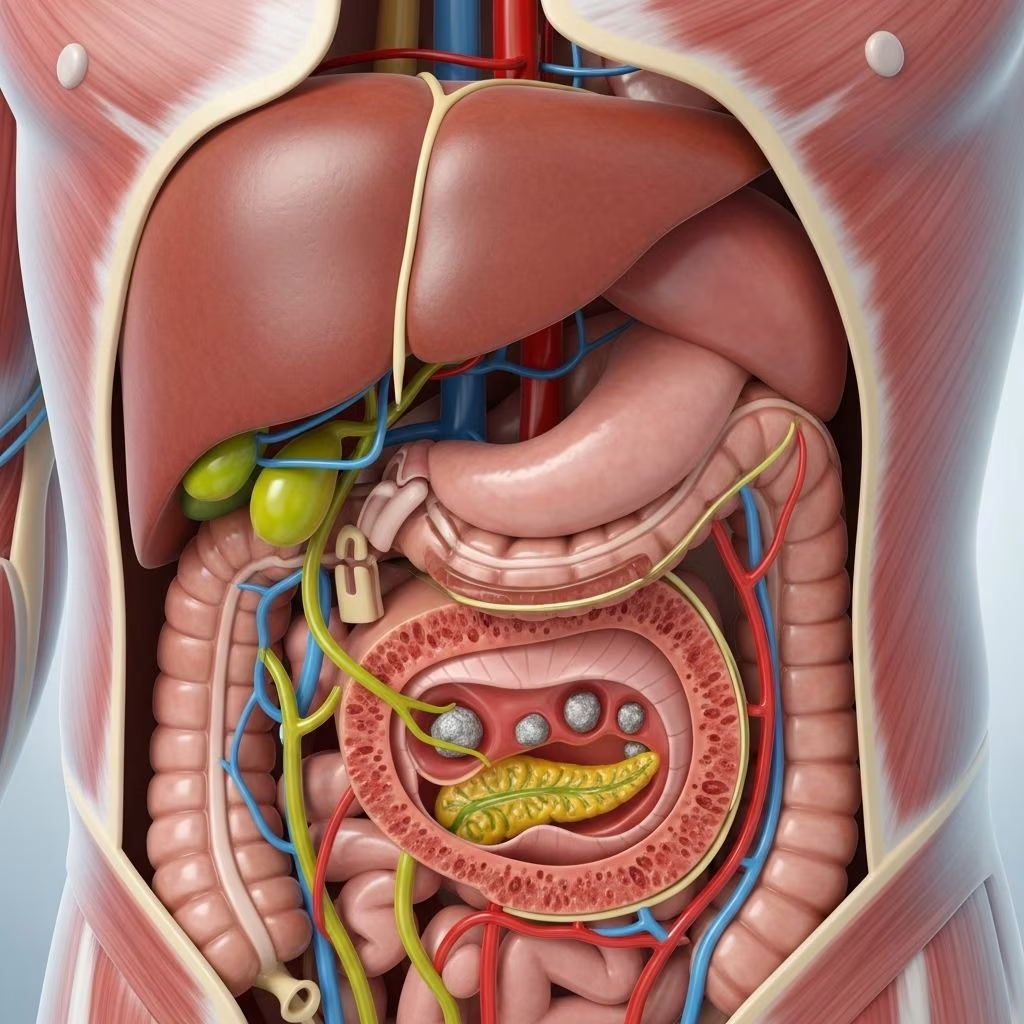
Obesity is a complex health condition that affects millions worldwide and can result in serious physical and mental health complications. Effectively treating obesity typically requires an integrated approach and the involvement of a specialized healthcare team. This article outlines the types of doctors and allied health professionals who focus on obesity, their unique qualifications, and how patients can seek specialized care to achieve sustainable weight loss and better health.
Understanding Obesity as a Medical Condition
Obesity is more than excess weight: it is a chronic, relapsing disease influenced by genetics, environment, behavior, and hormones. It is associated with a wide range of health issues, including high blood pressure, type 2 diabetes, heart disease, certain cancers, sleep apnea, non-alcoholic fatty liver disease, osteoarthritis, infertility, and psychological distress.
Because of its complexity, comprehensive management of obesity often goes beyond simple diet advice or exercise plans. Instead, it requires expert assessment and a tailored treatment strategy that considers each patient’s medical, psychological, and social background.
Which Doctors Specialize in Obesity?
A range of healthcare professionals may be involved in the treatment and management of obesity. However, certain providers have specialized training and board certification in treating obesity and weight-related conditions. The main categories include:
- Obesity Medicine Specialists
- Internal Medicine Doctors
- Bariatric Surgeons
- Endocrinologists
- Registered Dietitians (RDs)
- Behavioral Health Professionals
- Other Allied Health Providers (e.g., advanced practice nurses)
Obesity Medicine Specialists
Obesity medicine specialists are doctors who are board-certified in obesity medicine. Many are also trained in internal medicine or family medicine, with additional training focused on understanding, diagnosing, and treating obesity as a chronic disease. These physicians are experts at evaluating the many factors that contribute to overweight and obesity, determining related health risks, and developing comprehensive individualized treatment plans.
Internal Medicine Doctors
Internal medicine physicians, commonly known as internists, frequently manage chronic diseases like obesity and its related complications. Some have additional training in obesity medicine, either through formal fellowships or board certification.
Bariatric Surgeons
Bariatric surgery may be recommended if patients do not achieve adequate weight loss with lifestyle changes and medications, especially in the presence of obesity-related health problems. Bariatric surgeons specialize in surgical procedures for weight loss, such as gastric bypass, sleeve gastrectomy, and adjustable gastric banding. They collaborate with the broader obesity care team both before and after surgery.
Endocrinologists
Endocrinologists are physicians trained in treating disorders of the endocrine system, which includes hormonal imbalances that can impact weight. Thyroid dysfunction, polycystic ovary syndrome (PCOS), and other metabolic disorders may complicate weight management. Endocrinologists assess for and treat these underlying conditions.
Registered Dietitians (RDs)
Registered dietitians are essential for guiding patients through evidence-based nutrition plans tailored to individual medical histories and weight loss goals. They provide practical advice, meal planning support, and education about healthy eating, mindful eating, cultural considerations, and food preferences.
Behavioral Health Professionals
Psychologists, counselors, and clinical social workers address important factors such as emotional well-being, mental health, and unhealthy eating patterns (like binge eating disorder). Cognitive-behavioral therapy (CBT), motivational interviewing, and other counseling techniques can support sustainable weight management.
Advanced Practice Providers
Advanced practice providers, such as nurse practitioners and physician assistants, may also pursue additional education or certification in obesity care. They often work as part of a multidisciplinary team to provide ongoing support for lifestyle change, medication management, and care coordination.
Qualifications and Specialized Training in Obesity Medicine
Physicians who focus on the clinical management of obesity may obtain a certification from the American Board of Obesity Medicine (ABOM). To qualify, doctors must:
- Be board-certified in another specialty (such as internal medicine, pediatrics, endocrinology, or family medicine)
- Complete targeted education in obesity medicine
- Pass a rigorous examination assessing expertise in the science and treatment of obesity
Other professionals, such as registered dietitians or psychologists, acquire facility in obesity care through graduate education, specialized training, and continuing medical education focused on behavioral aspects and nutrition science as they relate to weight.
Comprehensive, Collaborative Care for Obesity
The most effective programs for obesity management are often multidisciplinary, combining the skills and experience of:
- Doctors for medical evaluation and ongoing management
- Registered dietitians for nutrition planning and behavior change
- Behavioral health specialists for psychological support
- Exercise physiologists for physical activity assessment and prescription
- Bariatric surgeons (when surgery is considered)
These teams often operate within specialized obesity centers or weight management clinics, where patients receive coordinated, individualized care and long-term follow-up. Integration is critical, as successful obesity management typically requires ongoing support, changes to medication or treatment approaches as needed, and continuous monitoring for related health risks.
Approaches to Obesity Treatment
The core strategies used by doctors specializing in obesity include:
- Comprehensive evaluation of medical, behavioral, genetic, and environmental causes of obesity
- Personalized diet and nutrition plans developed by registered dietitians
- Physical activity recommendations suited to patient ability and interests
- Counseling and behavioral interventions to address habits, emotional health, and stress
- Prescription of anti-obesity medications when indicated (always in conjunction with lifestyle changes)
- Bariatric surgery for eligible patients, with pre- and post-surgical support
- Ongoing monitoring for chronic conditions and medication side effects
Anti-Obesity Medications
There are several FDA-approved medications to help with weight loss in appropriate patients who have not reached their goals with lifestyle changes alone. These may reduce appetite or affect nutrient absorption. Doctors who are board-certified in obesity medicine are able to evaluate candidacy for medication, tailor prescriptions, and monitor results and side effects closely.
Bariatric Procedures
Bariatric surgery is reserved for patients with severe obesity or those with obesity-related complications who have not achieved adequate results with other interventions. Procedures might include:
- Gastric Bypass (Roux-en-Y)
- Sleeve Gastrectomy
- Adjustable Gastric Banding
- Biliopancreatic Diversion with Duodenal Switch (BPD/DS)
Surgical interventions require a multidisciplinary approach, including careful preoperative assessment and long-term post-surgical follow-up to maximize benefits and minimize risks.
Lifestyle Modification
Doctors and allied health professionals supporting patients with obesity emphasize evidence-based lifestyle modification. This includes support for healthy eating, increased physical activity, sleep hygiene, and stress management. Cognitive and behavioral interventions help establish habits that are sustainable for the long term.
Referral to Obesity Specialists
Patients can be referred to obesity specialists by their primary care provider, or they may seek out a consultation themselves. Indications for referral include:
- Body Mass Index (BMI) of 30 or greater
- BMI of 27 or higher with weight-related health complications
- Difficulty losing weight with standard diet or exercise interventions
- Complex medical or psychological profiles impacting weight loss
Obesity medicine programs often work closely with referring physicians to ensure coordinated, effective care.
How to Choose the Right Obesity Provider
When seeking a provider or program for obesity treatment, consider these key factors:
- Board certification in obesity medicine or bariatric medicine
- Experience treating obesity and related health conditions
- Access to a multidisciplinary team (dietitians, psychologists, exercise physiologists)
- Availability of medical and surgical treatment options, as appropriate
- Long-term follow-up and ongoing support
- Patient education and a collaborative approach to care
What to Expect at Your First Visit
The initial consultation with an obesity specialist is comprehensive and thorough. Patients can expect:
- In-depth medical history review, including diet and physical activity habits, psychological health, family history, and social or environmental factors
- Physical exam and assessment of weight, height, BMI, and body composition
- Screening for metabolic, endocrine, and cardiovascular conditions
- Discussion of prior weight loss efforts and outcomes
- Development of an individualized, evidence-based weight management plan
- Setting of collaborative, realistic goals
- Discussion of options for pharmacotherapy or surgery if indicated
Ongoing Support and Long-term Success
Obesity is a lifelong, chronic condition, meaning treatment and support are long-term. Obesity medicine specialists and allied health providers offer continued follow-up to:
- Monitor progress and maintain weight loss
- Adjust treatment plans as health status, lifestyle, or goals evolve
- Identify and manage relapses early to prevent weight regain
- Screen for and manage chronic diseases (such as diabetes, hypertension, fatty liver disease)
Common Chronic Conditions Treated Alongside Obesity
| Condition | Role of Obesity Care |
|---|---|
| Type 2 Diabetes | Improved blood sugar control through weight loss and medication management |
| High Blood Pressure | Lowered risk and severity as weight decreases |
| High Cholesterol | Diet and medication improved via weight management |
| Non-alcoholic Fatty Liver Disease | Risk reduction and reversal through lifestyle changes |
| Sleep Apnea | Improvements in symptoms with weight reduction |
| PCOS & Infertility | Improved hormonal balance and fertility potential with weight loss |
Frequently Asked Questions (FAQs)
Q: At what point should I consider seeing an obesity specialist?
A: Consider seeing an obesity medicine doctor if your BMI is 30 or higher, or if you have a BMI of 27 or above with additional health conditions related to weight, such as diabetes, hypertension, or sleep apnea. If you have repeatedly struggled to lose weight with standard approaches, a specialist team can provide advanced assessment and treatments.
Q: Do I need a referral to see an obesity medicine specialist?
A: In most cases, a referral from your primary care provider is not required, but check your insurance requirements. Self-referral or asking your primary provider for a recommendation are both common ways to connect with a specialist.
Q: What credentials should I look for in an obesity treatment provider?
A: Seek providers who are board-certified in obesity medicine, internal medicine, family medicine, or endocrinology with added expertise in obesity care. Registered dietitians or nurse practitioners experienced in weight management are also important collaborators.
Q: Does insurance cover obesity treatment?
A: Coverage varies based on insurance policy and provider qualifications. Many insurers cover specialist visits, medications, behavioral therapy, and bariatric surgery if criteria are met and providers are appropriately credentialed. Always check your plan before starting treatment.
Q: What results can I expect from seeing an obesity specialist?
A: Weight loss results vary, but evidence-based interventions tailored by specialists can improve weight loss outcomes, health risks, and long-term maintenance. Long-term support is vital for success; even modest sustained weight loss yields major health benefits.
Key Takeaways
- Obesity medicine specialists are board-certified doctors with advanced training in diagnosing and managing obesity.
- Comprehensive care involves a multidisciplinary team including dietitians, behavioral health providers, exercise experts, and surgeons.
- Individualized treatment plans may include lifestyle modification, medications, and surgery as appropriate.
- Long-term collaboration and follow-up are critical for success in obesity management.
- Patient involvement, education, and access to supportive resources boost the chances of sustainable weight loss and health improvements.
References
- https://nursing.jhu.edu/faculty-research/faculty/directory/ariana-chao/
- https://www.youtube.com/watch?v=owFlUcC88x8
- https://www.youtube.com/watch?v=wTfAXYf8bDM
- https://publichealth.jhu.edu/topics/obesity-and-public-health
- https://www.baltimoremagazine.com/directory/doctors/specialties/weight-management/