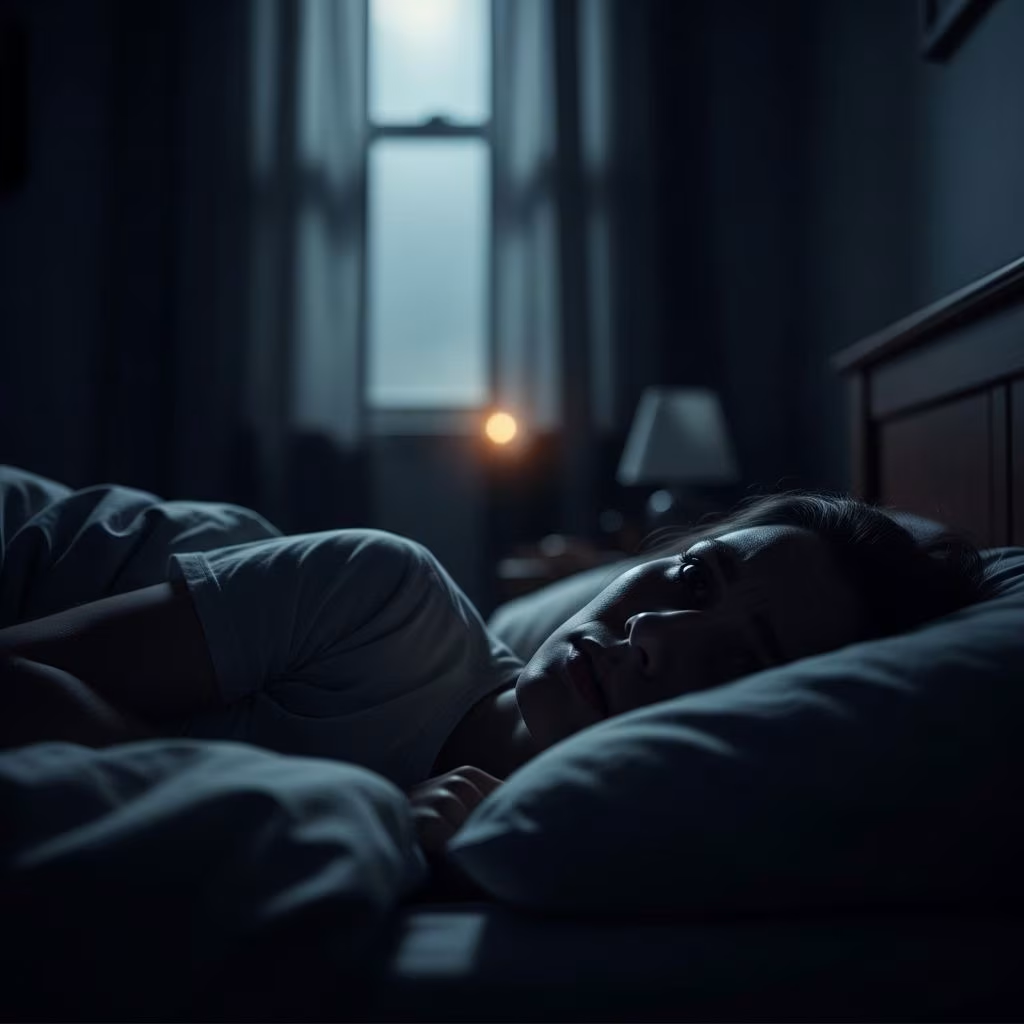
Nightmares and night terrors are two types of sleep disturbances that can cause distress for both children and adults. While they are sometimes confused, these phenomena differ significantly in their symptoms, underlying causes, and how they are managed. Understanding these distinctions is key to providing the appropriate support and treatment for those affected.
What Are Nightmares?
Nightmares are vivid, disturbing dreams that often result in the person waking up and experiencing intense feelings such as fear, anxiety, or sadness. Nearly everyone has experienced a nightmare at some point, but frequent or particularly distressing nightmares can pose challenges to healthy sleep.
- Occurrence: Typically happen during REM (rapid eye movement) sleep, often in the later half of the night.
- Memory: Individuals usually remember the content of the nightmare upon awakening.
- Emotional Impact: Can trigger fear, panic, or helplessness, sometimes leading to fear of falling asleep again.
- Age Group: Common in children aged 3-6, but also affect adults.
Common Characteristics of Nightmares
- Vivid, frightening or disturbing imagery
- Awakening with a clear memory of the dream
- Difficulty returning to sleep
- Occasional crying or calling out
- Often linked to real-life stressors or traumatic experiences
What Are Night Terrors?
Night terrors (also known as sleep terrors) are sudden, partial awakenings from deep sleep accompanied by intense fear, screaming, thrashing, and signs of autonomic arousal (e.g., rapid heartbeat, sweating). Unlike nightmares, night terrors typically do not fully wake the person, and individuals cannot recall the episode the following day.
- Occurrence: Happen during non-REM (deep, slow-wave) sleep, usually in the first third of the night.
- Memory: Most people, especially children, do not remember the events.
- Physical Signs: May include screaming, flailing, sitting up in bed, rapid breathing, sweating, and a racing heartbeat.
- Age Group: Most common in children aged 3-7; rare but more concerning in adults.
Common Characteristics of Night Terrors
- Sudden, loud crying or screaming
- Sitting up in bed or thrashing
- Eyes may be open and appear awake
- Rapid heart rate and sweating
- Difficult to comfort or awaken
- Little or no recollection of the event upon awakening
Key Differences between Nightmares and Night Terrors
| Feature | Nightmares | Night Terrors |
|---|---|---|
| Sleep Stage | REM sleep, later in the night | Non-REM (deep) sleep, early in the night |
| Awakening | Often wakes the person | Partial arousal without full awakening |
| Memory | Detailed recall of the dream | No memory (or very vague) |
| Physical Response | May include sweating or fast heartbeat, but less intense movement | Screaming, thrashing, autonomic arousal |
| Common Age | All ages, especially children | Primarily children |
| Impact on Caregivers | Concern over child’s distress | Events may be more frightening to caregivers than the child |
Who Is at Risk?
- Genetics: Children with a family history of night terrors, sleepwalking, or similar sleep issues are at higher risk.
- Development: Night terrors are believed to be a normal part of brain maturation in childhood.
- Mental Health: People with anxiety, depression, post-traumatic stress disorder, or other mental health problems may experience more nightmares.
- Sleep Deprivation: Lack of sleep increases the likelihood of both nightmares and night terrors.
- Other Sleep Disorders: Sleep apnea, restless leg syndrome, and other disruptions can trigger episodes.
Causes and Triggers
Nightmares
- Stressful or traumatic events
- Major life changes (e.g., moving, divorce, starting school)
- Certain medications (especially antidepressants, blood pressure drugs)
- Mental health conditions
- Illness or fever
- Watching scary movies or reading scary books before bed
Night Terrors
- Sleep deprivation or irregular sleep schedule
- High fever, especially in children
- Emotional stress or anxiety
- Family history of parasomnias (unusual behaviors during sleep like sleepwalking)
- Sleep disordered breathing
- Medications affecting the central nervous system
- Other sleep disruptions (e.g., full bladder, noise, lights)
Symptoms to Watch For
Nightmares
- Frequent waking from sleep, often scared
- Themes of danger, threat, loss, separation
- Difficulty falling back asleep after an episode
- Reluctance to sleep alone or fear of bedtime
Night Terrors
- Crying, screams, or terrors about 1-2 hours after falling asleep
- Severe agitation, flailing, rapid breathing
- Difficulty being comforted or awakened
- May sit up, walk around, or appear frightened with eyes open
- No recollection of the event the next morning
When to Seek Medical Help
- If nightmares or night terrors are frequent and disrupt sleep or daytime function
- If there is a risk of injury (for example, sleepwalking during a night terror)
- If episodes start suddenly in adulthood or are associated with new neurological symptoms
- Signs of mental health concerns, such as anxiety or depression
Diagnosis of Nightmares and Night Terrors
Diagnosing these sleep events typically involves a thorough history and may include a sleep diary or questionnaire. A physical examination might be performed to rule out underlying conditions. Rarely, a sleep study (polysomnogram) may be ordered, especially if other sleep disorders are suspected.
- Medical History: Includes questions on sleep patterns, stressors, medications, family history, and recent life events.
- Sleep Diary: Parents or affected individuals can track sleep and episode details for 1-2 weeks.
- Other Tests: If indicated, referrals to specialists (e.g., neurology, psychiatry) may help identify contributing factors.
How to Help Children With Nightmares or Night Terrors
For Nightmares
- Provide reassurance and comfort; remind the child they are safe.
- Encourage open discussion about the nightmare if the child wishes.
- Establish and maintain a relaxing bedtime routine.
- Limit screen time and exposure to frightening content before bed.
- Use a nightlight if darkness is a concern.
- Offer a favorite stuffed animal or blanket for security.
For Night Terrors
- Do not wake the child during a night terror, as they may be confused or agitated.
- Ensure the sleep environment is safe (move sharp objects, lock windows, secure stairs).
- Gently guide the child back to bed if they get up or sleepwalk.
- Maintain a consistent sleep schedule to reduce episodes.
- Note the timing of events; in frequent cases, schedule a gentle awakening 15-30 minutes before typical episodes for several nights to disrupt the cycle.
- If episodes persist or worsen, consult with a healthcare provider to rule out other conditions.
Prevention and Management Tips
- Prioritize regular, adequate sleep for all ages.
- Promote healthy bedtime habits: wind down routines, quiet time, no heavy meals or vigorous activity before bed.
- Identify and address sources of stress or conflict.
- Monitor the effects of new medications.
- For recurring, severe, or disruptive events, seek professional medical advice.
Frequently Asked Questions (FAQs)
Are nightmares and night terrors the same thing?
No. Nightmares are distressing dreams that typically wake the sleeper. Night terrors involve partial arousal from deep sleep, intense fear, and are rarely remembered by the affected person.
What age are children most at risk?
Nightmares are common between ages 3 and 6. Night terrors typically affect children 3 to 7 years old and usually decrease as the nervous system matures.
Is it dangerous to wake someone during a night terror?
Attempting to wake someone in the middle of a night terror is not generally harmful, but it may confuse or agitate them. It is better to gently keep them safe until the episode ends naturally.
Can adults have night terrors?
Yes, although rare, adults can experience night terrors, often linked to stress, trauma, mental health issues, or certain medications. Adult night terrors should be medically evaluated.
When should I call the doctor?
Seek professional help if:
- Sleep disturbances are frequent and disrupt sleep or daily life.
- There is a risk of harm due to sleepwalking or violent movements.
- Episodes begin or escalate in adulthood.
- There are signs of underlying psychological or neurological problems.
Key Takeaways
- Nightmares and night terrors are distinct sleep disorders with different causes, symptoms, and management strategies.
- Night terrors are more common in young children and are typically outgrown.
- Nightmares can affect people of all ages and may be triggered by stress, trauma, or illness.
- Consistent sleep routines, a safe environment, and reassurance are effective for managing both conditions.
- Medical evaluation is recommended for severe, dangerous, or persistent sleep disturbances.