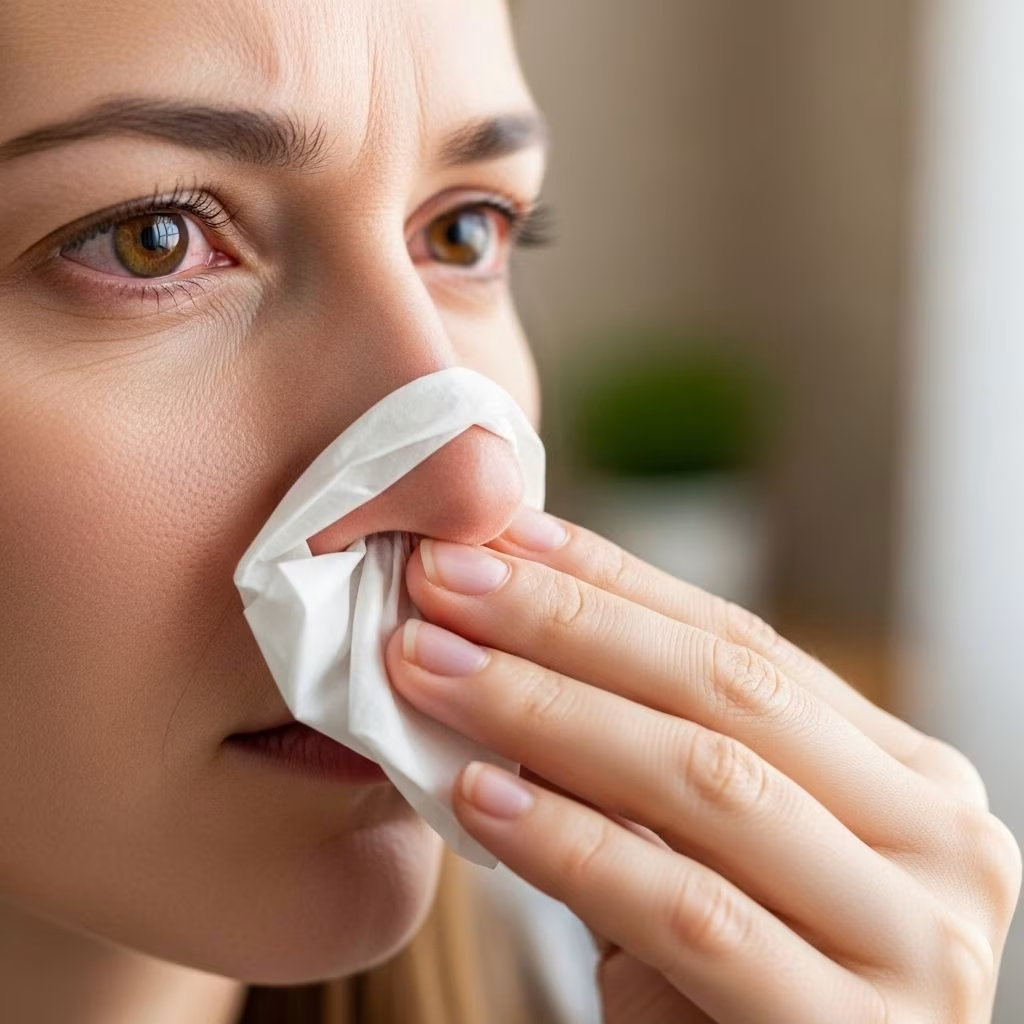
Rhinitis refers to the inflammation and irritation of the mucous membranes inside the nose, leading to a variety of uncomfortable symptoms such as sneezing, congestion, runny nose, and itching. Affecting millions of individuals worldwide, rhinitis is not a single condition, but rather a group of disorders with varying causes and management approaches. Understanding the different types, their underlying mechanisms, and available treatment options is vital for effective symptom control and improved quality of life.
Understanding Rhinitis
Rhinitis is broadly classified into two major categories based on its underlying cause:
- Allergic rhinitis (AR)—caused by an allergic response to environmental substances such as pollen, dust mites, animal dander, and mold.
- Nonallergic rhinitis (NAR)—triggered by irritants or factors unrelated to allergies, including strong odors, smoke, changes in weather, or infections.
Key Features
- Symptoms: Nasal congestion, runny or stuffy nose, sneezing, itching, and postnasal drip.
- Chronic or acute: Symptoms may be temporary or persist throughout the year, depending on the type and cause.
- Complications: Rhinitis may contribute to ear infections, sinusitis, and worsen asthma.
Types of Rhinitis
Allergic Rhinitis
Allergic rhinitis is the most common form, often known as “hay fever” when it occurs seasonally. Allergic rhinitis is an overreaction of the immune system to harmless substances, called allergens.
- Seasonal allergic rhinitis: Symptoms occur at specific times of the year, usually triggered by pollens from trees, grasses, or weeds.
- Perennial allergic rhinitis: Symptoms persist year-round due to ongoing exposure to indoor allergens such as dust mites, mold, or pet dander.
Triggers
- Pollen from trees, grasses, and weeds
- Animal dander
- House dust mites
- Mold spores
Nonallergic Rhinitis
Nonallergic rhinitis involves similar symptoms to allergic rhinitis but occurs without an immune allergic response. Common triggers include:
- Viral infections (e.g., common cold)
- Environmental irritants (e.g., smoke, strong odors, air pollution)
- Hormonal changes (e.g., during pregnancy or thyroid disorders)
- Medications (e.g., aspirin, blood pressure drugs)
- Occupational exposures (workplace chemicals or fumes)
Nonallergic rhinitis can also be classified further, such as vasomotor rhinitis (caused by changes in temperature or humidity) or gustatory rhinitis (triggered by eating certain foods).
Symptoms of Rhinitis
While symptoms may differ in severity or duration, the hallmark features include:
- Sneezing episodes
- Clear, watery nasal discharge (runny nose)
- Nasal congestion or blocked feeling
- Itching in the nose, throat, eyes, or ears
- Postnasal drip (a sensation of mucus draining down the back of the throat)
- Diminished sense of smell
- Cough (especially at night)
Symptoms of allergic rhinitis often occur quickly after exposure to an allergen, whereas nonallergic rhinitis may result from prolonged irritant exposure or infection.
Complications Associated With Rhinitis
Left untreated, rhinitis can contribute to other issues, including:
- Sinusitis: Inflammation or infection of the sinuses, causing facial pain and increased congestion.
- Otitis media: Recurrent ear infections, particularly in children.
- Sleep disturbances: Poor sleep quality due to nasal blockage can result in fatigue and decreased productivity.
- Asthma exacerbations: Rhinitis often coexists with asthma and can worsen asthma symptoms.
Causes and Risk Factors
The cause varies by rhinitis type, but certain factors increase the risk:
- Family history of allergies or asthma
- Living or working in environments with high allergen or irritant exposure
- History of eczema or other atopic diseases
- Respiratory infections in early childhood
- Smoking or exposure to tobacco smoke
Diagnosis of Rhinitis
Diagnosis generally involves a combination of medical history, physical examination, and targeted testing to determine the type and underlying cause of rhinitis.
Evaluation Process
- Detailed patient history: Identifying symptom triggers, seasonal patterns, and family history of allergies.
- Physical examination: Assessment of nasal passages for swelling, discoloration, or discharge.
- Allergy testing: Skin prick testing or specific IgE blood tests may be recommended to identify potential allergens in suspected allergic rhinitis cases.
- Nasal endoscopy: In certain cases, an endoscope is used to look for structural or inflammatory abnormalities within the nasal cavity.
- Imaging tests: Rarely, sinus X-rays or CT scans are requested to evaluate chronic or complicated cases.
Food allergy testing is typically not recommended in routine evaluation of rhinitis unless the history suggests a direct link.
Diagnostic Criteria Table
| Parameter | Allergic Rhinitis | Nonallergic Rhinitis |
|---|---|---|
| Trigger | Allergens (pollen, dust mites, etc.) | Irritants, temperature, infections |
| Associated symptoms | Itchiness, watery eyes, sneezing | Nasal congestion, often less sneezing/itching |
| Seasonality | Often seasonal or perennial | Usually perennial or episodic |
| Response to antihistamines | Usually good | Variable |
Treatment and Management of Rhinitis
The main goal of treatment is to relieve symptoms, improve quality of life, and minimize complications. The approach varies depending on whether the condition is allergic or nonallergic.
Allergic Rhinitis Management
- Avoidance of triggers: Reduce exposure to known allergens whenever possible (e.g., keep windows closed during high pollen seasons, use dust-mite proof bedding covers, minimize contact with pets if allergic).
- Pharmacologic therapy:
- Intranasal corticosteroids (INCS): Considered the first-line therapy for moderate to severe symptoms; effective at reducing inflammation and congestion.
- Antihistamines: Oral or intranasal antihistamines relieve sneezing, itching, and runny nose; less effective for congestion.
- Decongestants: Useful for short-term symptom relief, but prolonged use of intranasal decongestants can cause rebound congestion (rhinitis medicamentosa).
- Leukotriene receptor antagonists: Such as montelukast, used only if no response to other therapies due to safety concerns.
- Combination therapy: Some patients benefit from a combination of INCS and intranasal antihistamines for enhanced symptom control.
- Immunotherapy: Allergy shots (subcutaneous) or sublingual tablets are prescribed for certain patients with persistent or severe allergic rhinitis not controlled by medication or avoidance measures.
- Other options: Nasal saline irrigation can help clear allergens and mucus from nasal passages.
Nonallergic Rhinitis Management
- Avoidance of irritants: Minimize exposure to tobacco smoke, strong odors, air pollution, or other triggers identified.
- Medications:
- Intranasal corticosteroids: First-line therapy for moderate to severe symptoms.
- Intranasal antihistamines: May be used, especially in vasomotor rhinitis or if symptoms overlap with allergic forms.
- Anticholinergic nasal sprays: Useful particularly for excessive nasal discharge (rhinorrhea).
- Treatment of underlying conditions: Addressing factors such as hormonal imbalances or chronic infections can help alleviate symptoms.
General Measures
- Maintain good hydration
- Use of nasal saline sprays/irrigations to loosen and flush out mucus
- Humidify indoor air to prevent dryness in nasal passages
- Avoid self-medication or prolonged use of over-the-counter decongestants
Prevention Strategies
- Regularly clean household surfaces to reduce dust and allergens
- Launder bedding in hot water weekly
- Use high-efficiency particulate air (HEPA) filters in the home
- Adjust activities based on pollen forecasts during allergy season
- Refrain from smoking and avoid exposure to secondhand smoke
Living with Rhinitis: Tips for Daily Life
- Track symptoms and triggers in a diary to help better manage flare-ups
- Take prescribed medications consistently as directed by your healthcare provider
- Seek medical guidance if you experience persistent symptoms, severe nasal blockage, or signs of sinus or ear infection
- Allergen-proof your sleeping area; keep pets out of bedrooms and off furniture if necessary
- Learn proper technique for using nasal sprays to maximize therapy effectiveness
When to See a Healthcare Provider
Consult a provider if you:
- Experience chronic nasal symptoms persisting more than 10 days without improvement
- Notice evidence of infection: fever, facial pain or swelling, thick yellow/green mucus
- Develop recurrent ear infections or symptoms affecting hearing
- Have nasal symptoms disrupting your sleep or daily activities
- Do not respond to over-the-counter medicines or basic strategies
Frequently Asked Questions (FAQs)
Q: Can rhinitis be cured, or is it managed long-term?
A: Rhinitis is usually a chronic condition managed through avoidance of triggers, medications, and sometimes immunotherapy. While symptoms can be controlled, allergic or nonallergic rhinitis may persist over time, especially if regularly exposed to triggers.
Q: What are common side effects of rhinitis medications?
A: Side effects depend on the medication used. Intranasal corticosteroids may cause nasal dryness or minor bleeding if not used correctly. Oral antihistamines can lead to drowsiness, particularly the older generation types, while decongestants may increase blood pressure or cause insomnia if overused.
Q: Is rhinitis contagious?
A: Allergic and most forms of nonallergic rhinitis are not contagious. However, viral infections (such as the common cold) causing rhinitis can be spread from person to person by respiratory droplets.
Q: How does rhinitis differ from sinusitis?
A: Rhinitis primarily involves inflammation of the nasal passages, while sinusitis (or rhinosinusitis) refers to inflammation and infection of the sinuses themselves, sometimes as a complication of untreated or severe rhinitis.
Q: Can children develop rhinitis?
A: Yes, children frequently experience rhinitis. Allergic rhinitis often develops in childhood and can affect school performance and sleep if not effectively managed.
Latest Research & Evolving Treatments
Research continues to improve treatment algorithms for both allergic and nonallergic rhinitis. Key updates include:
- Continued support for intranasal corticosteroids and antihistamines as first-line treatments
- Emerging benefit for combination therapies in persistent cases
- Expanded recommendations for immunotherapy in eligible patients
- Ongoing review of alternative therapies such as acupuncture and herbal supplements, though evidence remains limited
- Emphasis on avoiding routine food allergy testing or unnecessary treatments
Summary Table: Key Elements of Rhinitis
| Aspect | Details |
|---|---|
| Most Common Symptoms | Sneezing, runny nose, congestion, itching, postnasal drip |
| Main Types | Allergic (seasonal, perennial), Nonallergic (vasomotor, infectious) |
| Diagnostic Tools | History, physical exam, allergy testing, nasal endoscopy, imaging (rare) |
| Common Treatments | Intranasal corticosteroids, antihistamines, decongestants, avoidance |
| Potential Complications | Sinusitis, otitis media, sleep problems, worsened asthma |
References: Adapted from clinical practice guidelines and expert reviews by the American Academy of Otolaryngology and experts in immunology and allergy.
References
- https://pure.johnshopkins.edu/en/publications/clinical-practice-guideline-allergic-rhinitis-executive-summary-4
- https://pure.johnshopkins.edu/en/publications/rhinitis-2020-a-practice-parameter-update
- https://millionsspecialists.com/en/a-complete-guide-to-understanding-and-managing-rhinitis-933293/?txid=6847bf9fb231ce1934d927d3
- https://www.hopkinsguides.com/hopkins/view/Johns_Hopkins_ABX_Guide/540505/all/SinusitisRhinosinusitis_Subacute_Chronic
- https://www.youtube.com/watch?v=SVYmE6ZXWwk
- http://legacy.hopkinsilc.org/modules/6_123/printer123.pdf