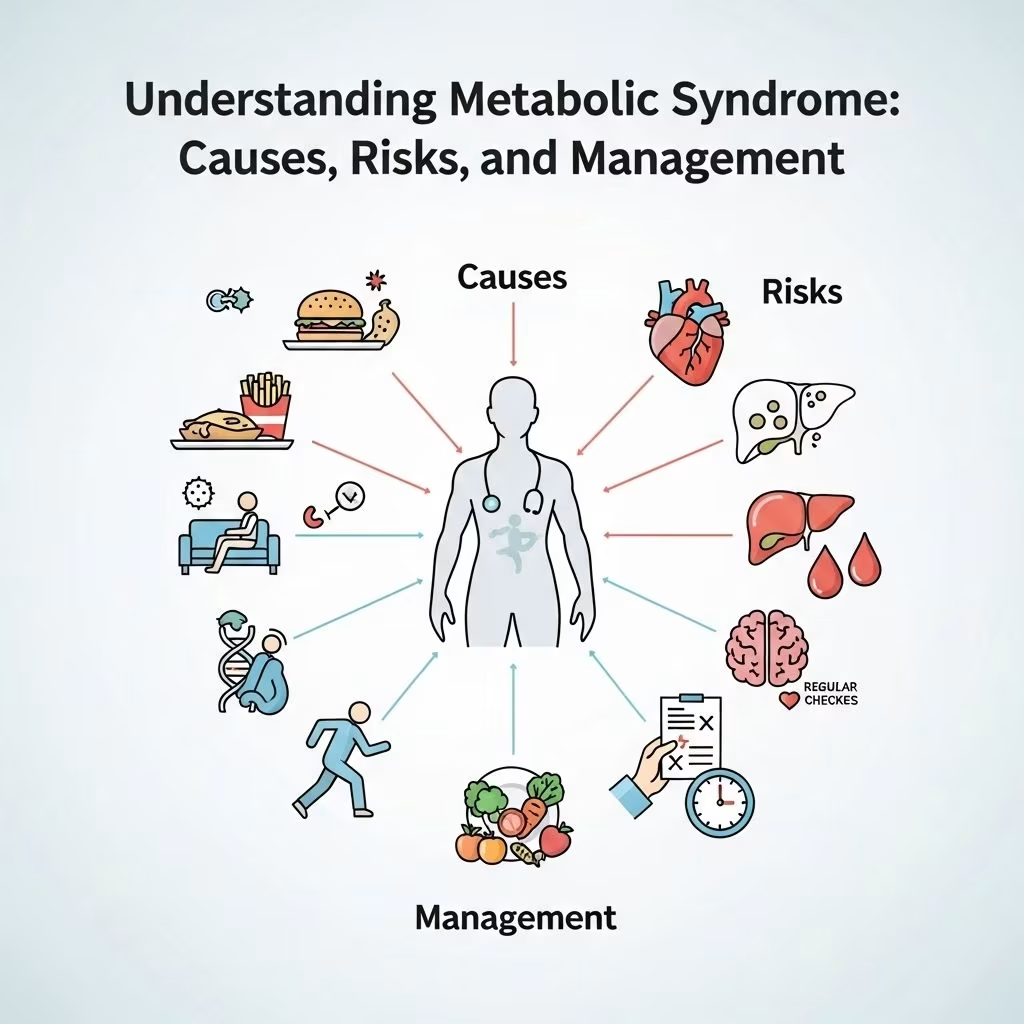
Metabolic syndrome is a cluster of health conditions that occur together, dramatically increasing the risk of heart disease, stroke, and type 2 diabetes. This condition is becoming more prevalent worldwide due to changing lifestyles, dietary patterns, and a surge in obesity.
What is Metabolic Syndrome?
Metabolic syndrome refers to the coexistence of several cardiovascular risk factors in one person, primarily:
- Abdominal obesity (central obesity)
- Elevated blood pressure
- High fasting sugar levels
- Increased triglyceride levels
- Reduced levels of HDL cholesterol (“good” cholesterol)
This syndrome significantly increases a person’s chances of developing type 2 diabetes, cardiovascular disease, and other chronic health issues. It may also be referred to as “syndrome X” or “insulin resistance syndrome.”
Why is Metabolic Syndrome Important?
Having metabolic syndrome nearly doubles the risk of developing cardiovascular diseases like heart attack and stroke, and increases the likelihood of type 2 diabetes by over five times. These conditions rank among the leading causes of illness and death worldwide.
Causes and Risk Factors
The development of metabolic syndrome is the result of complex interactions between genetics, lifestyle, and environmental factors. Some of the principal contributors include:
- Obesity: Especially excess fat in the abdominal area.
- Insulin resistance: Body cells’ reduced ability to respond to insulin, leading to high blood sugar levels.
- Physical inactivity: Lack of consistent exercise.
- Poor diet: High intake of calories, unhealthy fats, and simple sugars.
- Genetics: Family history can increase susceptibility.
- Age: Risk increases with age.
- Hormonal changes: Such as those that occur with menopause or conditions like polycystic ovarian syndrome (PCOS).
- Other conditions: Chronic conditions including fatty liver disease or sleep apnea.
Who is at Risk?
While anyone can develop metabolic syndrome, those with the following attributes are at greater risk:
- People who are overweight or obese (especially with central or abdominal fat)
- Individuals with a sedentary lifestyle
- Those with a family history of type 2 diabetes or cardiovascular disease
- Women with polycystic ovarian syndrome (PCOS)
- Individuals of certain ethnic backgrounds, such as South Asians, who may develop metabolic risks at lower BMI
Symptoms
Metabolic syndrome itself does not usually generate obvious symptoms. Most associated conditions, like high blood pressure or abnormal cholesterol, are often “silent” and only discovered through health checks. However, some indicators may include:
- An easily measured increased waist circumference
- Signs of insulin resistance such as darkened skin patches (acanthosis nigricans)
The serious complications associated with metabolic syndrome (heart attacks, strokes, diabetes) often develop gradually and may be the first signs.
Complications
Having metabolic syndrome considerably amplifies the risk of several dangerous chronic diseases and outcomes:
- Cardiovascular disease (heart disease, stroke)
- Type 2 diabetes
- Non-alcoholic fatty liver disease (NAFLD)
- Chronic kidney disease
- Certain cancers
- Sleep apnea
Complications often require long-term management, and some consequences—like heart attacks or severe strokes—may be life-threatening.
Diagnostic Criteria
There are several definitions used to diagnose metabolic syndrome. The widely-accepted National Cholesterol Education Program Adult Treatment Panel III (NCEP ATP III) guidelines consider metabolic syndrome present if an individual meets any three of the following five criteria:
| Risk Factor | Threshold (U.S. units) | Threshold (International units) |
|---|---|---|
| Abdominal Obesity (waist circumference) | > 40 in (men), > 35 in (women) | > 102 cm (men), > 88 cm (women) |
| Triglycerides | > 150 mg/dL | > 1.7 mmol/L |
| HDL Cholesterol | < 40 mg/dL (men), < 50 mg/dL (women) | < 1.0 mmol/L (men), < 1.3 mmol/L (women) |
| Blood Pressure | > 130/85 mmHg | > 130/85 mmHg |
| Fasting Glucose | > 100 mg/dL | > 5.6 mmol/L |
How is Metabolic Syndrome Diagnosed?
Your healthcare provider will typically:
- Review your medical history and risk factors
- Conduct a physical examination, measuring blood pressure, waist circumference, and body mass index (BMI)
- Order laboratory tests for blood sugar and cholesterol (lipid profile)
If you meet three or more of the diagnostic criteria, you may be diagnosed with metabolic syndrome.
Prevention
Preventing metabolic syndrome primarily revolves around addressing its individual components before they compound. Fundamental strategies include:
- Maintain a healthy weight: Achieve and keep an appropriate weight for your height.
- Be physically active: Aim for at least 150 minutes per week of moderate-intensity aerobic activity.
- Eat a balanced diet: Focus on whole grains, fruits, vegetables, lean proteins, and healthy fats; limit simple sugars and trans fats.
- Don’t smoke: Smoking further increases cardiovascular risk.
- Manage stress: Use healthy coping mechanisms to keep stress under control.
- Regular checkups: Early identification and management of risk factors through routine medical care.
Treatment and Management
Treatment of metabolic syndrome emphasizes comprehensive risk reduction and management of its individual components:
- Lifestyle modification: Diet, exercise, and weight loss remain the cornerstone of therapy. Even modest improvements in activity and nutrition can yield measurable health benefits.
- Control of blood pressure, glucose, and cholesterol: This may require medications in some individuals, alongside lifestyle changes.
- Medications: These may include antihypertensive drugs, statins, or drugs to help control blood sugar when necessary.
- Treatment of related conditions: Such as sleep apnea or fatty liver disease, when present.
For those with obesity, structured weight loss programs or, for some, surgical interventions (e.g., bariatric surgery) may be considered if other methods fail.
Prognosis
With early recognition and consistent management, it’s possible to reduce risks and prevent the worst consequences of metabolic syndrome. However, without effective intervention, this syndrome can lead to debilitating or fatal events such as heart attack, stroke, or severe, unmanageable diabetes.
Metabolic Syndrome in Women
Women face several unique aspects concerning metabolic syndrome:
- Conditions like polycystic ovarian syndrome (PCOS) increase susceptibility due to their link with insulin resistance.
- Menopause brings hormonal changes that affect body fat distribution and lipid profiles, raising cardiovascular risk.
- Women with metabolic syndrome may be more likely to develop certain complications, such as heart disease and type 2 diabetes, at lower levels of risk factors than men.
Living with Metabolic Syndrome
Being diagnosed with metabolic syndrome requires ongoing attention to one’s health and lifestyle. Effective self-management strategies include:
- Tracking body weight, waist size, and blood pressure regularly
- Maintaining an active lifestyle, with regular aerobic and resistance exercise
- Adhering to a balanced, heart-healthy diet
- Limiting alcohol and avoiding tobacco use
- Following medication and treatment plans prescribed by your doctor
- Staying informed about potential complications and seeking prompt care for any new symptoms
Frequently Asked Questions (FAQs)
Q: What is the main cause of metabolic syndrome?
A: The main drivers are a combination of obesity (especially abdominal fat), insulin resistance, unhealthy eating, and physical inactivity. Genetics and hormonal changes also contribute.
Q: Can metabolic syndrome be reversed?
A: With prompt and ongoing lifestyle change—focusing on weight loss, regular exercise, and dietary improvements—many people can reduce or even reverse the features of metabolic syndrome. Medications can help manage symptoms, but lifestyle is foundational.
Q: Who is most at risk?
A: Those with obesity, sedentary lifestyles, family history of diabetes or heart disease, and women with PCOS are at greatest risk. Risk increases with age and can be higher among certain ethnic groups.
Q: How is metabolic syndrome diagnosed?
A: Diagnosis is made when you have at least three of the five main risk factors—abdominal obesity, high blood pressure, high triglycerides, low HDL cholesterol, and high fasting blood sugar.
Q: Does everyone with one component (like high blood pressure) have metabolic syndrome?
A: No. Metabolic syndrome is defined by the presence of at least three qualifying risk factors. Having just one does not mean you have metabolic syndrome, but it should prompt regular health checks.
Key Takeaways
- Metabolic syndrome is a dangerous combination of risk factors that greatly increases health risks.
- Obesity, insulin resistance, inactivity, and genetics play central roles.
- Early detection and lifestyle intervention can dramatically lower future risk of heart attack, diabetes, or stroke.
- Ongoing management—involving diet, exercise, and sometimes medication—is vital to reducing complications.
References
- Overview of Metabolic Syndrome – Johns Hopkins University
- Metabolic Syndrome Management | Johns Hopkins Diabetes Guide
- The metabolic syndrome in women – PubMed
- Metabolic syndrome – The Johns Hopkins Patient Guide to Diabetes
- Everything You Need to Know About Metabolic Syndrome – Mobile, AL
References
- https://pure.johnshopkins.edu/en/publications/overview-of-metabolic-syndrome
- https://www.hopkinsguides.com/hopkins/view/Johns_Hopkins_Diabetes_Guide/547091/all/Metabolic_Syndrome_Management
- https://pubmed.ncbi.nlm.nih.gov/17053375/
- https://hopkinsdiabetesinfo.org/glossary/metabolic-syndrome/
- https://mobheart.com/everything-you-need-to-know-about-metabolic-syndrome/