What Is Hemophagocytic Lymphohistiocytosis (HLH)?
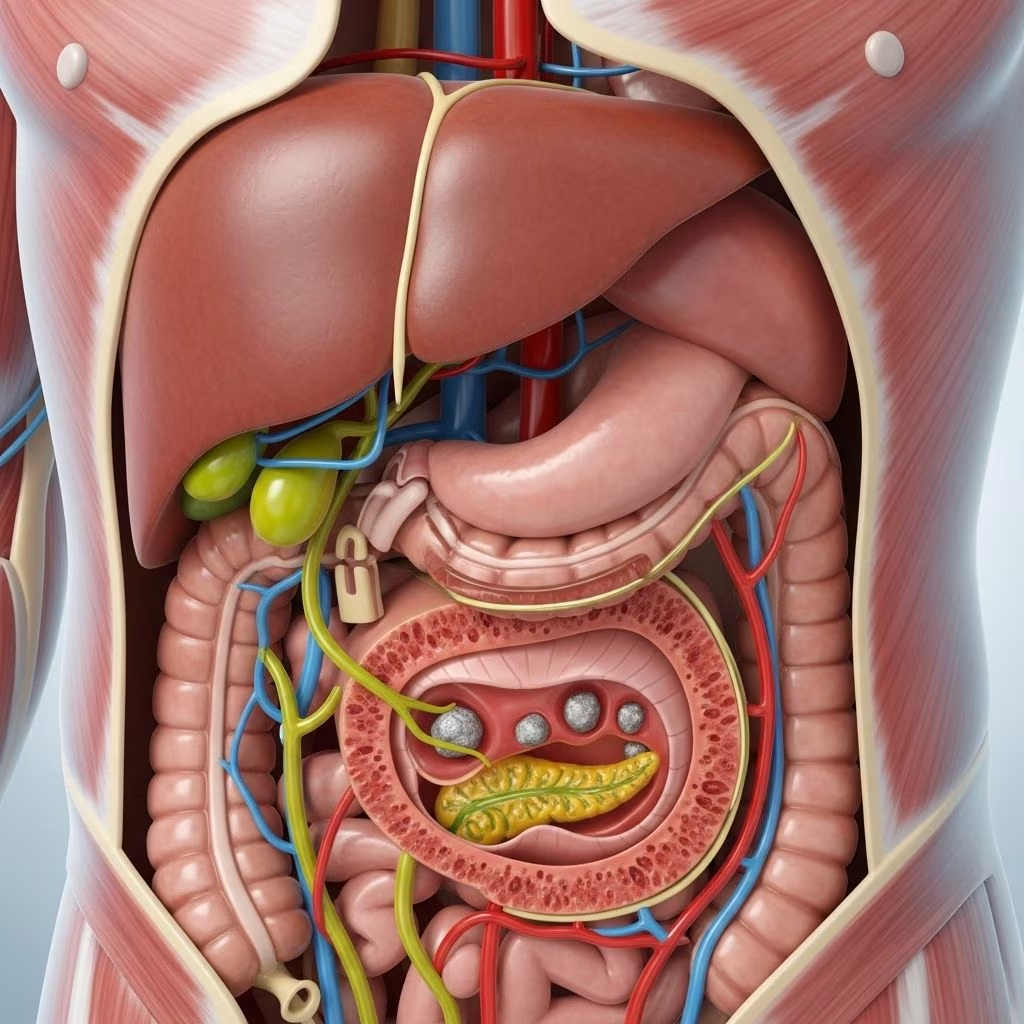
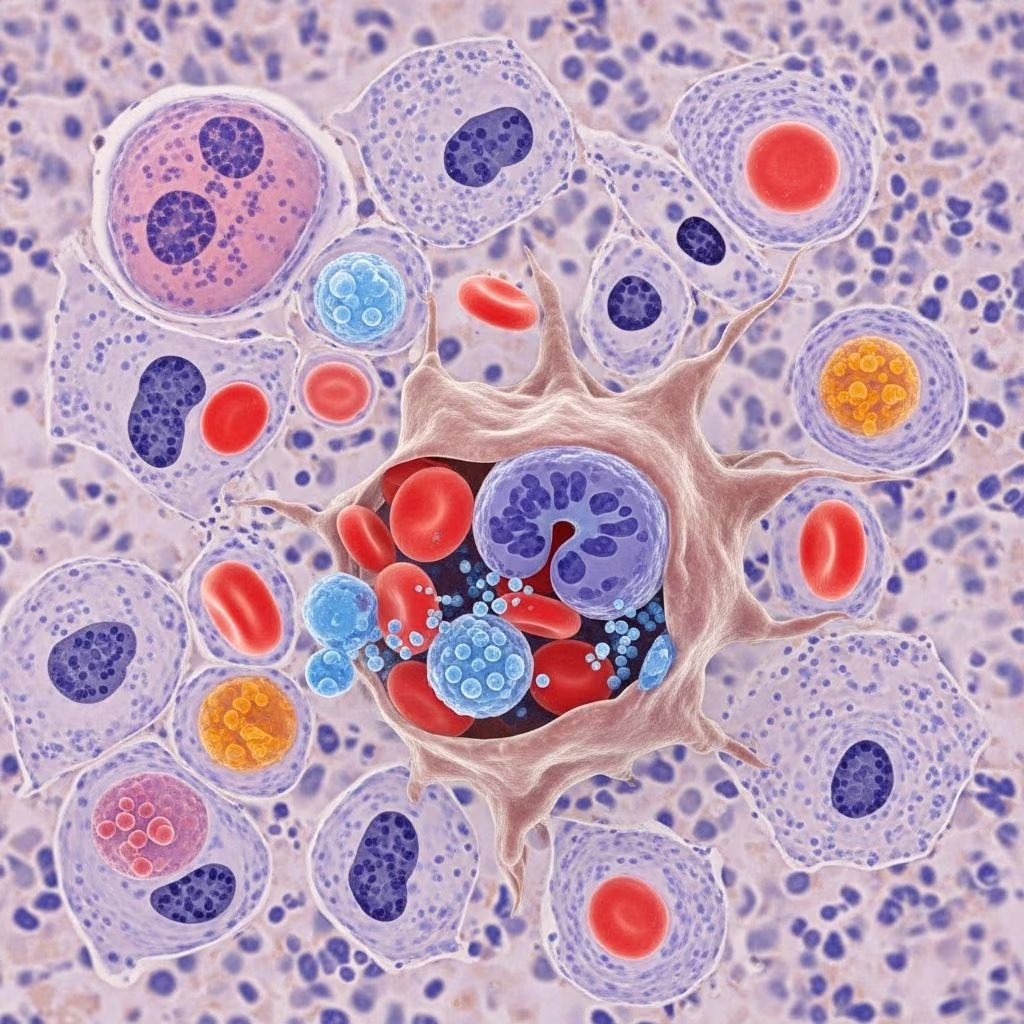
Hemophagocytic lymphohistiocytosis (HLH) is a rare, life-threatening immune disorder characterized by severe, uncontrolled inflammation. The condition arises when certain white blood cells—primarily histiocytes and lymphocytes—build up and damage major organs, including the bone marrow, liver, spleen, and destroy other blood cells. HLH requires prompt diagnosis and immediate treatment to prevent fatal complications.
Main Characteristics:
- Immune Dysregulation: HLH involves abnormal activation or insufficient suppression of immune cells (macrophages, cytotoxic T lymphocytes, and NK cells).
- Widespread Inflammation: The unchecked immune response leads to multi-organ damage.
- Age Group: HLH is most common in infants and young children, but adults can also be affected.
- Types: HLH is classified as either primary (familial) or secondary (acquired).
Types of Hemophagocytic Lymphohistiocytosis
- Primary (Familial) HLH:
- Caused by genetic mutations affecting immune regulation.
- Most common in children under 1 year of age.
- Can run in families and may be associated with other genetic syndromes, e.g., Chediak-Higashi syndrome or X-linked lymphoproliferative disorder.
- Defective cytotoxic T lymphocytes (CTLs) and natural killer (NK) cell function leading to immune dysregulation.
- Secondary HLH:
- Triggered by infections (viral, bacterial, fungal), cancers (especially lymphomas), autoimmune disease, or other inflammation.
- More common in older children and adults; average onset age in adults is about 50 years.
- May result from a combination of genetic susceptibility and environmental triggers.
Causes and Risk Factors
HLH occurs due to faulty regulation of the immune system. Key underlying causes and triggers include:
- Genetic Mutations: Affect cytotoxic function of CTLs and NK cells, preventing them from controlling inflammation.
- Infections: Including Epstein-Barr virus (EBV), cytomegalovirus (CMV), tuberculosis, and fungal diseases.
- Cancers: Hematologic malignancies (especially T or NK cell lymphomas).
- Autoimmune Diseases: Conditions such as lupus, Kawasaki disease, or juvenile idiopathic arthritis that disrupt immune balance.
| Type | Main Causes |
|---|---|
| Primary HLH | Inherited genetic mutations; syndromes like Chediak-Higashi |
| Secondary HLH | Infections, cancers, autoimmune disease, drugs |
Symptoms of HLH
The clinical presentation of HLH is diverse, sometimes mimicking severe infections or cancer. Common symptoms include:
- High Fever
- Enlarged Liver and Spleen (hepatosplenomegaly)
- Swollen Lymph Nodes
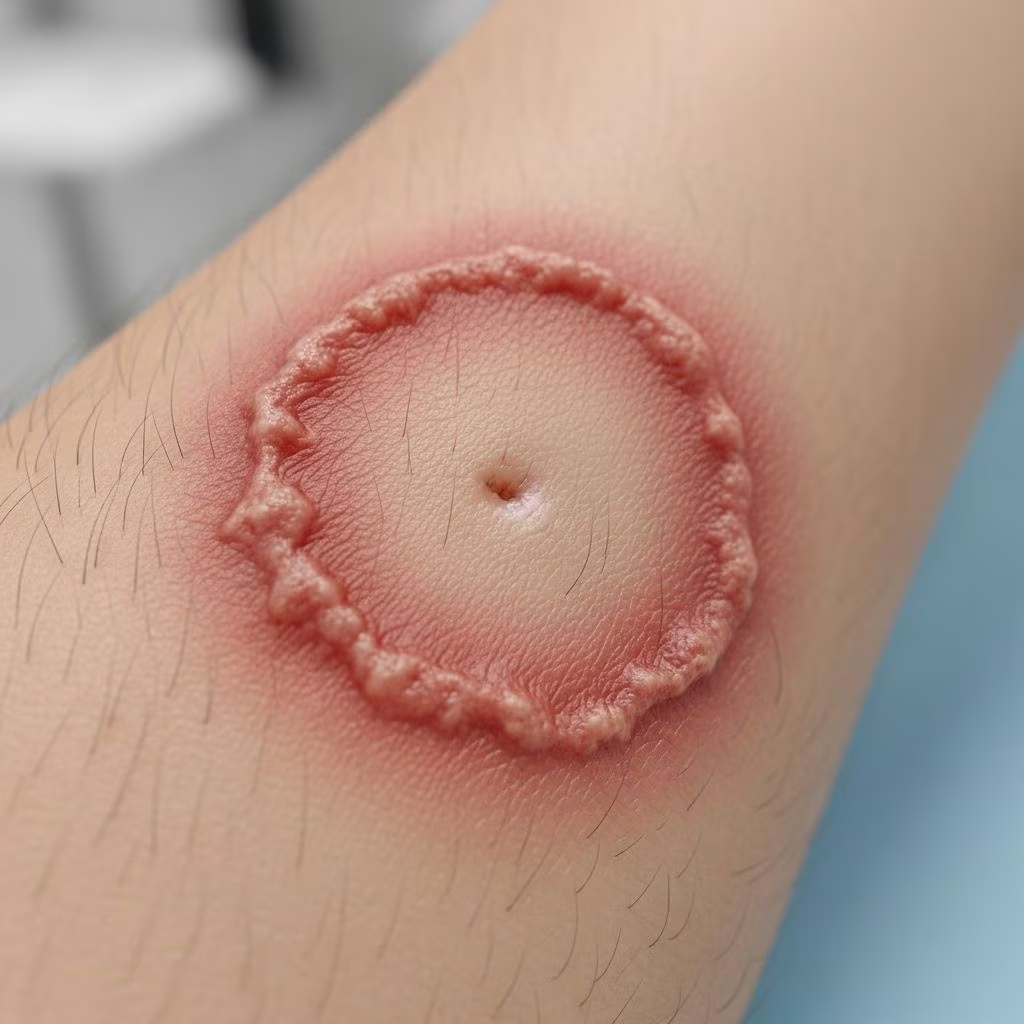
- Rash
- Fluid Retention (Edema)
- Fatigue, Lethargy, Malaise
- Anemia
- Easy Bleeding or Bruising (petechiae, purpura)
- Jaundice, Ascites (signs of liver involvement)
- Neurological Symptoms: Seizures, trouble speaking, coordination issues
- Digestive Issues: Abdominal pain, nausea, vomiting, diarrhea
Uncontrolled HLH leads to multiorgan failure, including kidney, heart, and lung dysfunction, which can be fatal if not treated promptly.
Diagnosis of HLH
Diagnosing HLH is challenging due to its similarity with other serious conditions such as sepsis, leukemia, or autoimmune disorders. The process typically involves:
- Detailed Medical History: Includes family and genetic background, recent infections, cancer risk.
- Physical Exam: Focusing on liver/spleen size, lymph nodes, skin, and neurological signs.
- Laboratory Tests:
- Blood tests for cytopenias (low blood cell counts)
- High ferritin levels (marker of inflammation)
- Low fibrinogen
- High triglycerides
- Tests for liver and kidney function
- Genetic testing (for familial HLH)
- Bone Marrow Biopsy: Identifies hemophagocytosis (engulfing of healthy blood cells by immune cells)
- Imaging: Ultrasound, CT, MRI scans to evaluate organ enlargement and involvement
The Histiocyte Society developed diagnostic criteria to guide clinicians; typically, five out of eight specific clinical/laboratory criteria must be met for a diagnosis.
Treatment Options for HLH
Treatment for HLH must be swift and aggressive. The main objectives are to suppress excessive inflammation, correct immune system abnormalities, treat any identifiable underlying cause, and prevent further organ damage.
Common Treatment Strategies:
- Immunosuppressive Therapy:
- Etoposide: A chemotherapy drug inhibiting T-cell activation and promoting apoptosis.
- Dexamethasone: A corticosteroid reducing inflammation and immune activation.
- Cyclosporine A: An immunosuppressant often used in continued therapy.
- Targeted Therapy:
- Emapalumab (Gamifant): A monoclonal antibody blocking interferon-gamma, an inflammatory cytokine.
- Intrathecal Therapy:
- Methotrexate, sometimes with corticosteroids, can be injected directly into the cerebrospinal fluid for neurological symptoms.
- Supportive Care:
- Treatment for infections, organ support (ICU care for severe cases), managing nutritional and metabolic needs.
- Curative Approach for Primary HLH:
- Allogenic Stem Cell Transplant: Replacement of the faulty immune system with healthy donor cells. Usually required for familial or refractory HLH cases.
Multidisciplinary Treatment Team
- Hematologists & Oncologists: Lead the diagnosis and therapy for HLH.
- Specialists:
- Dermatologists
- Pulmonologists
- Endocrinologists
- Gastroenterologists
- Neurologists
- Genetic counselors
- Transplant experts
- Other relevant experts depending on organs involved
Prognosis and Outlook
HLH is fatal without prompt treatment. With appropriate therapy, especially in children, the 5-year survival rate is about 54%. Outcome depends on the underlying cause, patient’s age, severity of the disease, and response to treatments. Some adults may experience spontaneous remission; however, this is less common. Accurate assessment is difficult, especially when HLH occurs secondary to another fatal illness such as cancer or severe infection.
Factors Impacting Prognosis:
- Promptness of diagnosis and start of therapy
- Genetic profile (familial versus secondary HLH)
- Presence and severity of organ failure
- Response to initial therapy
- Availability and success of stem cell transplant
Frequently Asked Questions (FAQs)
Q: What is HLH?
A: HLH (hemophagocytic lymphohistiocytosis) is a rare immune disorder causing extreme inflammation due to abnormal white blood cell activity. It can be genetic (primary) or acquired (secondary).
Q: Who gets HLH?
A: HLH most often affects infants and young children (primary/familial form). Secondary HLH can occur in adults and older children, often triggered by infection, cancer, or autoimmune disease.
Q: What are the signs and symptoms?
A: Symptoms include persistent fever, enlarged organs (liver, spleen), lymph node swelling, rashes, fatigue, anemia, bleeding, and neurological signs. HLH can rapidly lead to organ failure if untreated.
Q: How is HLH treated?
A: Treatment includes immunosuppressive drugs (etoposide, dexamethasone, cyclosporine A), targeted therapies (emapalumab), and, in severe cases, stem cell transplantation. Supporting specialists may address neurological, metabolic, and other complications.
Q: Can HLH be cured?
A: Familial HLH requires a stem cell transplant for a cure. Secondary HLH may resolve if the trigger is removed and patients recover following immunosuppressive therapies. Prognosis varies depending on underlying factors and the success of the intervention.
Q: What makes HLH challenging to diagnose?
A: HLH symptoms overlap with other serious conditions such as sepsis, leukemia, or autoimmune diseases. Specific clinical criteria and specialized tests are required, often guided by the patient’s history, symptoms, and genetic testing.
Q: Is HLH hereditary?
A: Primary HLH is inherited, often associated with known genetic mutations. Secondary HLH is usually not hereditary but may occur in people with underlying genetic susceptibility who encounter sickness or immune disruption.
Key Points to Remember
- HLH is a medical emergency that requires expert, multidisciplinary intervention.
- Early diagnosis is crucial for survival and improved outcomes.
- Primary HLH requires stem cell transplantation for cure.
- Secondary HLH may respond to immunosuppressive therapies and management of triggers.
- If you or your child develops symptoms consistent with HLH, seek immediate medical attention.
References and More Information
- Consult with hematologists, oncologists, and genetic counselors specializing in HLH.
- Major medical centers (children’s hospitals, specialized histiocytosis clinics) offer research-based, optimized care for HLH patients.
- For trusted educational resources, refer to national organizations or leading hospitals with expertise in rare immune disorders.
References
- https://pmc.ncbi.nlm.nih.gov/articles/PMC7123852/
- https://www.healthline.com/health/hemophagocytic-lymphohistiocytosis
- https://www.dana-farber.org/cancer-care/types/childhood-hemophagocytic-lymphohistiocytosis
- https://www.chop.edu/conditions-diseases/hemophagocytic-lymphohistiocytosis-hlh
- https://my.clevelandclinic.org/health/diseases/24292-hemophagocytic-lymphohistiocytosis
- https://www.ncbi.nlm.nih.gov/books/NBK557776/
- https://www.stjude.org/care-treatment/treatment/immune-disorders/histiocytosis/hemophagocytic-lymphohistiocytosis-hlh.html