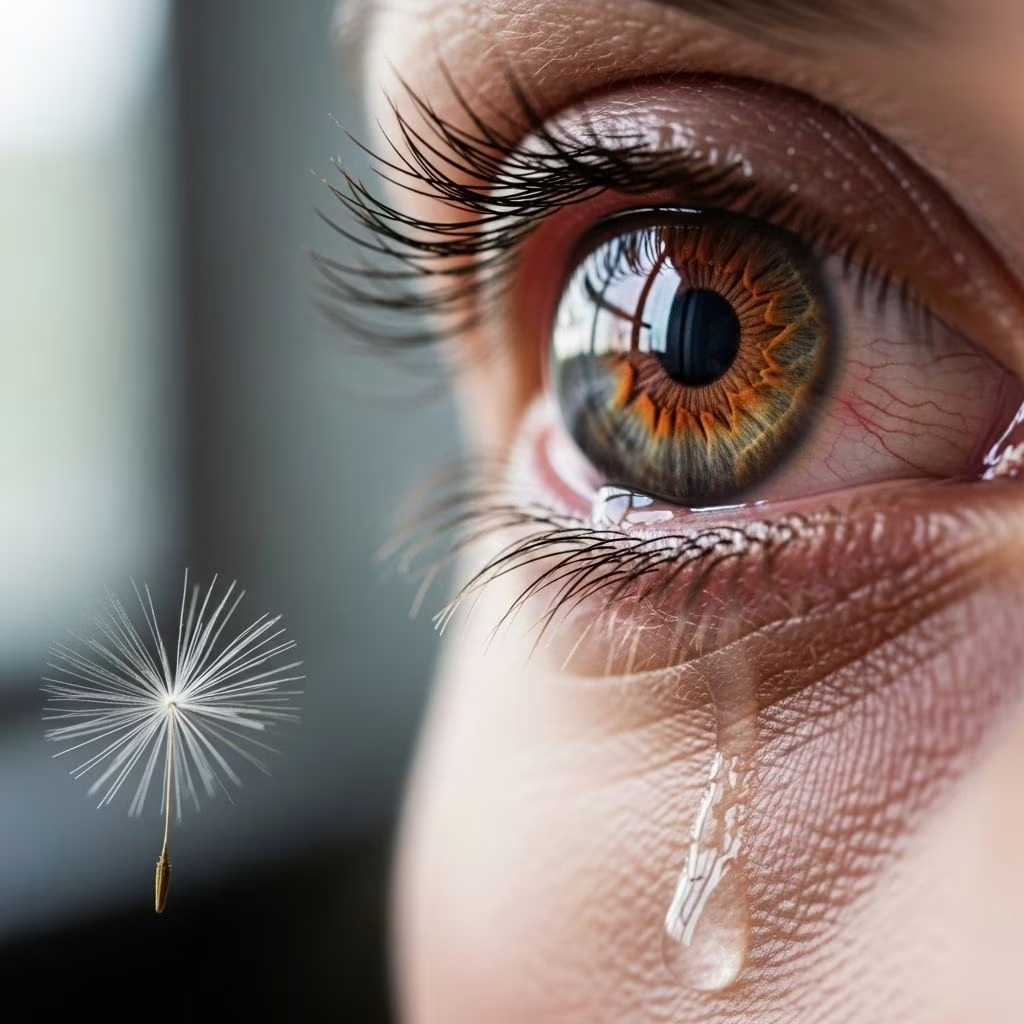
Allergic conjunctivitis is an eye condition triggered by exposure to allergens, resulting in inflammation of the conjunctiva—the thin membrane covering the white part of the eye and inner eyelids. Unlike some forms of conjunctivitis, allergic conjunctivitis is not contagious but is instead an immune system response to environmental substances. This article explores the causes, risk factors, symptoms, diagnostic strategies, prevention techniques, and advanced treatment options for managing allergic conjunctivitis.
What is Allergic Conjunctivitis?
Allergic conjunctivitis is an inflammation or swelling of the conjunctiva due to an allergic reaction. When exposed to triggers like pollen, pet dander, mold, or dust mites, the body’s immune system releases histamines. These chemicals cause the typical symptoms of itching, redness, and tearing commonly experienced during an allergic episode.
- The condition is classified as a type of eye allergy.
- The reaction is not infectious (unlike bacterial or viral conjunctivitis).
- It is common in individuals with other allergies, such as hay fever, eczema, or asthma.
Types of Allergic Conjunctivitis
Allergic conjunctivitis can be categorized based on the pattern, duration, and triggers of symptoms.
- Seasonal Allergic Conjunctivitis (SAC): Most prevalent form, flares during pollen seasons (spring, summer, fall).
- Perennial Allergic Conjunctivitis (PAC): Symptoms occur year-round, often due to dust mites, animal dander, or mold.
- Vernal Keratoconjunctivitis (VKC): More severe, rare form seen especially in children or young adults during warm seasons.
- Atopic Keratoconjunctivitis (AKC): Generally affects adults with a history of atopic dermatitis; can be chronic and potentially severe.
- Giant Papillary Conjunctivitis (GPC): Associated with contact lens wear or eye prosthetics, leading to large bumps under the eyelids.
Causes and Triggers of Allergic Conjunctivitis
Allergic conjunctivitis results from a hypersensitive reaction of the immune system to harmless substances in the environment known as allergens.
- Pollen from grasses, trees, and weeds (most common in SAC)
- House dust mites
- Pet dander (skin flakes, fur, saliva from cats, dogs, and other animals)
- Mold spores (both indoor and outdoor)
- Chemical scents or vapors (perfume, cleaning products, cigarette smoke)
- Contact lens solutions or deposits on lenses (especially in GPC)
Risk Factors
Certain individuals have a higher likelihood of developing allergic conjunctivitis due to:
- Personal or family history of allergies (asthma, hay fever, eczema)
- Living or working in highly allergenic environments (e.g., areas with high pollen counts, homes with pets or mold)
- Frequent contact lens use
- Existing atopic conditions
- Age: Children and young adults are more susceptible, particularly to some severe subtypes (VKC, AKC)
Symptoms of Allergic Conjunctivitis
The hallmark symptom is itching. Other common signs and symptoms include:
- Redness of the eyes
- Tearing (watery eyes)
- Burning or stinging sensation in the eyes
- Swelling or puffiness of the eyelids
- Stringy or watery discharge
- Grittiness or a feeling of sand in the eyes
- Sensitivity to light (photophobia)
- Blurred vision (rare, usually in severe cases)
| Symptom | Description |
|---|---|
| Itching | The most distinctive and common symptom |
| Redness | Dilated blood vessels in the conjunctiva cause visible redness |
| Tearing | Increased tear production as a protective response |
| Puffy eyelids | Swelling often accompanies other symptoms |
Diagnosis of Allergic Conjunctivitis
Diagnosis is based on the combination of reported symptoms, recent exposure to potential allergens, and physical examination by an eye care specialist. Diagnostic steps typically include:
- Medical history: Assessing patient and family history of allergies, triggers, and exposure patterns.
- Physical examination: Slit lamp or standard eye examination for swollen blood vessels, eyelid swelling, and chemosis (conjunctival swelling).
- Allergy testing: Skin prick tests or blood tests to identify specific allergens when the trigger is unknown, or reactions are severe or recurrent.
- Ocular allergy testing: Special in-office tests may help distinguish allergic conjunctivitis from other eye conditions (such as dry eye or blepharitis).
Differential Diagnosis
Several eye conditions share similar symptoms and may be confused with allergic conjunctivitis. Common alternatives include:
- Viral conjunctivitis (often highly contagious, generally with a watery discharge without persistent allergic triggers)
- Bacterial conjunctivitis (thick, yellow-green discharge, possible crusting, and usually more localized)
- Dry eye syndrome
- Blepharitis (inflammation of the eyelid margin)
Prevention of Allergic Conjunctivitis
While it may not always be possible to avoid all allergen exposure, several strategies can help minimize episodes and severity:
- Identify and avoid known allergens whenever possible (e.g., keep windows closed during high pollen season)
- Use air conditioning and high-efficiency particulate air (HEPA) filters during allergy seasons
- Keep indoor environments free from dust, mold, and pet dander (regular cleaning, no pets in bedrooms, washing bedding in hot water, minimizing carpets and drapes)
- Use wrap-around sunglasses outdoors to protect eyes from airborne allergens
- Shower and change clothes after spending time outside to reduce allergen exposure
- Avoid rubbing the eyes to prevent worsening symptoms
- Remove contact lenses during active symptoms or when exposed to high allergen levels
Treatment of Allergic Conjunctivitis
Treatment aims to alleviate symptoms, control inflammation, and prevent recurrence. Management strategies depend on the severity and frequency of symptoms:
General Measures
- Discontinue or avoid contact lens use until symptoms resolve
- Cool compresses applied to closed eyelids can reduce swelling and itching
- Artificial tears (lubricating eye drops) help rinse allergens from the eyes and alleviate dryness or irritation
- Avoidance of eye rubbing, which can worsen irritation
Medications
When avoidance and general measures are insufficient, a variety of medications may be recommended:
- Topical antihistamine eye drops: Quickly reduce itching and redness. Use under medical guidance, particularly for prolonged courses.
- Mast cell stabilizer eye drops: Prevent the release of histamine, best used as a preventive, and take a few days to take effect. Often combined with antihistamines for synergistic relief.
- Combination antihistamine/mast cell stabilizer drops: Offer both quick and long-lasting symptom control, suitable for seasonal and perennial forms.
- Decongestant eye drops (vasoconstrictors): Quickly reduce redness but should not be used for over 2 weeks to avoid rebound effects.
- Nonsteroidal anti-inflammatory drops (NSAIDs): Sometimes recommended for symptom relief when antihistamines are insufficient.
- Topical corticosteroid drops: Reserved for severe or persistent cases due to potential side effects (e.g., cataracts, glaucoma); always under strict medical supervision and for short courses only.
- Oral antihistamines: Occasionally used for systemic allergic symptoms but can cause dry eye as a side effect.
Allergen Removal and Environmental Control
- Minimize outdoor activities during high allergen periods (e.g., pollen peaks)
- Frequent cleaning and dust reduction measures indoors
- Limiting pet access and using HEPA filters
Advanced or Severe Cases
- Referral to an ophthalmologist for further evaluation and potential use of stronger medications
- Consideration of immunotherapy (allergy shots or sublingual immunotherapy) when specific allergens are confirmed and avoidance or medications are inadequate
Prognosis and Long-Term Management
For most people with allergic conjunctivitis, prognosis is very good. Symptoms typically resolve when allergens are avoided or with appropriate treatment. However, severe or chronic cases (e.g., VKC, AKC) may require long-term specialist care to prevent complications such as scarring or decreased vision. Vigilance in allergen avoidance and consistent management can significantly reduce symptom frequency and severity.
When to Seek Medical Attention
- Symptoms do not improve with over-the-counter treatments or avoidance
- Painful eyes, sensitivity to light, or visual loss occur
- Thick, yellow-green discharge or crusting (possible infection)
- Underlying eye disease or immunosuppression is present
Frequently Asked Questions (FAQs)
What is the main difference between allergic conjunctivitis and infectious conjunctivitis?
Allergic conjunctivitis is triggered by allergens and is not contagious. Infectious conjunctivitis, such as viral or bacterial pink eye, can spread easily from person to person, especially through direct contact or shared items.
Are there any complications of allergic conjunctivitis?
Most cases are mild and self-limited, but long-term or severe inflammation (especially if untreated) can rarely lead to corneal involvement or vision problems. Chronic severe cases require ongoing management by an eye specialist.
Are over-the-counter allergy eye drops safe?
Most OTC drops are safe for short-term use. However, some decongestant drops should not be used for more than 14 days due to the risk of rebound redness. If symptoms persist, consult an eye care professional.
Can children get allergic conjunctivitis?
Yes, especially those with a family history of allergies or other atopic conditions. Pediatric allergic conjunctivitis often coincides with seasonal allergies and may resolve as children grow older.
How can I tell if my pink eye is caused by allergies?
If your symptoms include intense itching, watery discharge (rather than thick pus), and are linked with exposure to a known trigger (pollen, dust, pets), it is likely allergic conjunctivitis. Lack of fever or general illness also helps distinguish it from infection.
Is it safe to wear contact lenses with allergic conjunctivitis?
No, contact lens use should be discontinued when symptoms are present. Lenses can worsen the condition and provide a surface for allergen accumulation. Always adhere to your eye care provider’s specific instructions.
Summary
Allergic conjunctivitis is a common eye allergy that can affect people of all ages. It is triggered by exposure to environmental allergens and presents with itchy, red, watery eyes. With a combination of avoidance strategies, supportive care, and (when necessary) topical medications, most individuals can achieve effective symptom control and protect eye health. Early recognition and proper management—especially in severe or chronic cases—help prevent complications and enhance quality of life.
References
- https://www.ncbi.nlm.nih.gov/books/NBK448118/
- https://www.dralanmitchell.com/pink-eye-conjunctivitis-symptoms-causes-treatment-prevention/
- https://www.eduardobessermd.com/blog/treatment-for-allergic-conjunctivitis
- https://www.allergy.org.au/patients/allergic-rhinitis-hay-fever-and-sinusitis/allergic-conjunctivitis
- https://preventblindness.org/allergic-conjunctivitis-pink-eye/
- https://aafa.org/allergies/allergy-symptoms/eye-allergy-conjunctivitis/