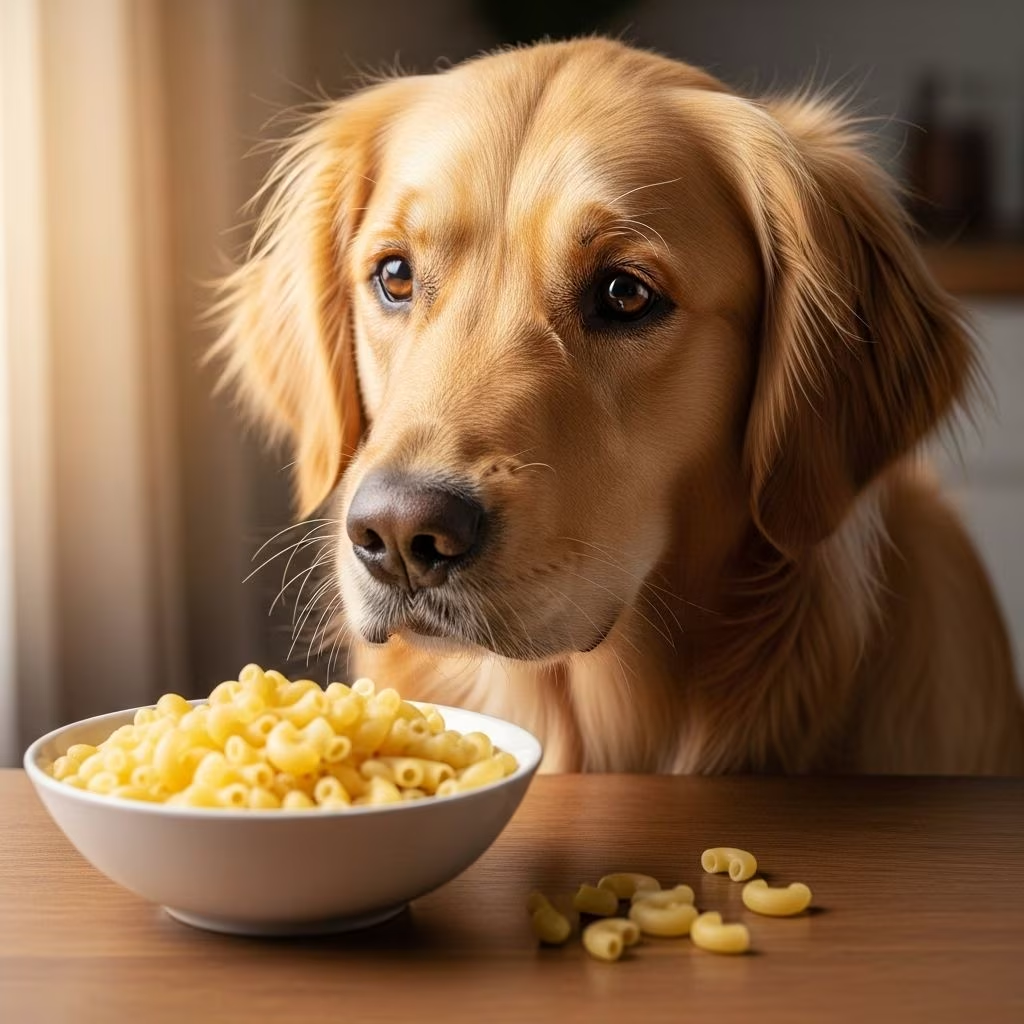
Pasta is a staple in many households, often served in heaping bowls at family meals. Pet parents may wonder, when pleading canine eyes focus on their plate, if dogs can eat pasta too. The answer is nuanced: while plain, cooked pasta is generally safe in small amounts, there are important nutritional considerations and risks every dog owner should understand before sharing a noodle or two.
Is Pasta Safe for Dogs?
Plain, cooked pasta—free from sauce, garlic, onions or other potentially harmful seasonings—is not toxic to dogs and can be offered as an occasional treat. Most dogs digest plain pasta without major health issues, but moderation and ingredient awareness are critical to keep your dog safe and healthy.
- No raw or dried pasta: Dried, uncooked pasta may cause digestive obstructions and should never be fed to dogs.
- No sauces or seasonings: Many pasta toppings include salt, garlic, onions, and other ingredients that are toxic to dogs.
- Check for wheat allergies: Some dogs are sensitive to wheat and could have gastrointestinal or skin reactions.
Nutritional Value of Pasta for Dogs
Pasta is mostly carbohydrates, with small amounts of protein and fat, plus some B vitamins (like folate and thiamine) and minerals such as iron. However, pasta does not provide the complete nutrition dogs require. It’s low in amino acids, lacks omega-3 fatty acids, and is not a significant source of essential vitamins for dogs.
| Nutrient | Presence in Pasta | Importance for Dogs |
|---|---|---|
| Carbohydrates | High | Quick energy, but can contribute to weight gain |
| Protein | Low | Essential for muscle maintenance, low in pasta |
| Fat | Very low | Necessary for skin and coat health |
| Fiber (whole wheat) | Moderate (whole wheat pasta only) | Can aid digestion |
Pros & Cons of Feeding Pasta to Dogs
- Pros:
- Can provide quick energy during periods of physical activity or mild stomach upset.
- Whole wheat pasta offers more fiber and B vitamins than traditional white pasta.
- When cooled after cooking, pasta can be a source of resistant starch, helpful for gut health.
- Cons:
- High in calories and carbs: May contribute to obesity if fed in excess or to low-activity dogs.
- Not a complete meal: Lacks essential proteins, fats, and nutrients required for a dog’s diet.
- Potential allergens: Contains wheat, which some dogs may not tolerate.
- Digestive upset: Especially true for dogs with sensitive stomachs or those unaccustomed to grains.
How Much Pasta Is Safe for Dogs?
Portion control is crucial. For most dogs, one or two pieces of plain, cooked pasta is sufficient for a treat. For larger breeds, a few more may be acceptable; smaller breeds should be given only a tiny taste. Never substitute pasta for their regular balanced diet.
- General guideline: Treats—including pasta—should comprise no more than 10% of your dog’s daily calories.
- Always account for your dog’s size, age, activity level, and caloric needs.
- If unsure, start with a small amount and monitor for any signs of distress.
What Types of Pasta Are (and Aren’t) Safe?
Different types of pasta are tolerated differently by dogs, and preparation matters a great deal.
| Type of Pasta | Safe for Dogs? | Notes |
|---|---|---|
| Plain white pasta | Safe in moderation | Low in nutrients, high in carbs |
| Whole wheat pasta | Safe in moderation | Higher in fiber, B vitamins |
| Pasta with garlic/onion | Unsafe | Garlic/onion are toxic to dogs |
| Mac and cheese | Generally unsafe | Dairy may upset digestive system, cheese is high in fat |
| Dried/raw pasta | Not safe | May cause gastrointestinal blockage |
| Gluten-free pasta | Usually safe | Always check for other safe ingredients |
Common Ingredients & Dangers in Pasta Dishes
Many ingredients commonly found in pasta dishes are unsafe for dogs:
- Garlic and onions: Both are toxic and can cause anemia.
- Heavy salt: Excess sodium can lead to poisoning.
- Pepper and spices: Cause digestive upset.
- Creamy sauces/cheese: Can cause stomach upset, especially for lactose-intolerant dogs.
- Meatballs/meat sauces: Could contain harmful spices or high fat.
Special Considerations
- Puppies: Should not be fed pasta. They need a diet formulated for growing dogs, with proper nutrients and digestibility.
- Senior dogs: More susceptible to obesity and metabolic issues, so extra caution with treat foods.
- Obese, diabetic, or sedentary dogs: High-carb treats like pasta can worsen health problems.
- Allergic or sensitive dogs: Watch out for wheat or grain intolerance (common signs: itching, loose stool, or vomiting).
Healthier Alternatives to Pasta for Dogs
- Cooked sweet potato or pumpkin: Lower calories, high in fiber and vitamins.
- Brown rice or quinoa: Higher in nutrients and may be better tolerated by sensitive stomachs.
- Lean cooked meats: Chicken, turkey, or beef are high in protein and generally preferred by dogs.
- Steamed vegetables: Broccoli, green beans, or carrots make nutritious, dog-safe snacks.
How to Feed Pasta Safely
- Cook the pasta plain, with no salt or oil.
- Let it cool fully, as cooled pasta may offer some gut benefits due to resistant starches.
- Serve only a few pieces, mixed with your dog’s regular food or as an occasional treat.
- Watch for allergic reactions or digestive upset after introducing pasta.
Signs Your Dog Should Not Eat Pasta
- Known wheat or gluten allergy
- Obesity or weight management issues
- Chronic gastrointestinal problems
- Diabetes or at risk for diabetes
When to Consult Your Veterinarian
If your dog has eaten a large amount of pasta, pasta with sauce, or is showing any unusual behaviors—such as vomiting, diarrhea, lethargy, or signs of pain—call your veterinarian immediately.
Always consult a vet before introducing any significant changes to your dog’s diet, especially if your dog already has health conditions or dietary restrictions.
Pasta and Your Dog’s Gut Health
Cooled, cooked pasta (and other starchy foods like rice and potato) contains resistant starch, which passes through the small intestine to the colon where it serves as food for healthy gut bacteria. The result is the production of short-chain fatty acids that are beneficial to gut health. However, this is not a reason to feed dogs large amounts of pasta; the effect is best achieved with very small portions, as part of a diverse and species-appropriate diet.
Frequently Asked Questions (FAQs)
Can dogs eat pasta every day?
No, pasta should never be a daily part of your dog’s diet. It lacks complete nutrition and regular consumption can lead to obesity and nutritional imbalances.
What if my dog ate pasta with sauce?
Check the sauce’s ingredients. If it contains onions, garlic, or high salt, contact your vet right away. Even without these, rich or creamy sauces may cause vomiting or diarrhea.
Is whole wheat pasta better for dogs?
Whole wheat pasta provides more fiber and nutrients than regular white pasta, but is still high in carbs. Introduce in small servings only and avoid if your dog is sensitive to grain.
Can pasta help with my dog’s upset stomach?
Small amounts of plain, cooked pasta may help settle a mild upset stomach, but white rice is usually preferred for sensitive stomachs. If symptoms persist, visit the vet.
What should I do if my dog is allergic to wheat?
Avoid all wheat-based foods, including traditional pasta, and consult your veterinarian for safe treat alternatives and hypoallergenic recipes.
Summary: Key Takeaways for Pet Parents
- Plain, cooked pasta is safe in moderation, as a treat—not a meal.
- Avoid pasta with any added salt, sauce, garlic, onions, or seasonings.
- Monitor your dog for allergies or digestive upset when introducing new foods.
- Consult a veterinarian with any health concerns or before making dietary changes.
Being an educated and responsible pet parent means knowing what foods are safe, which are best enjoyed occasionally, and which should be off-limits for those beloved furry friends. Plain pasta can be a fun, occasional treat—but your dog’s health and nutrition should always come first.