


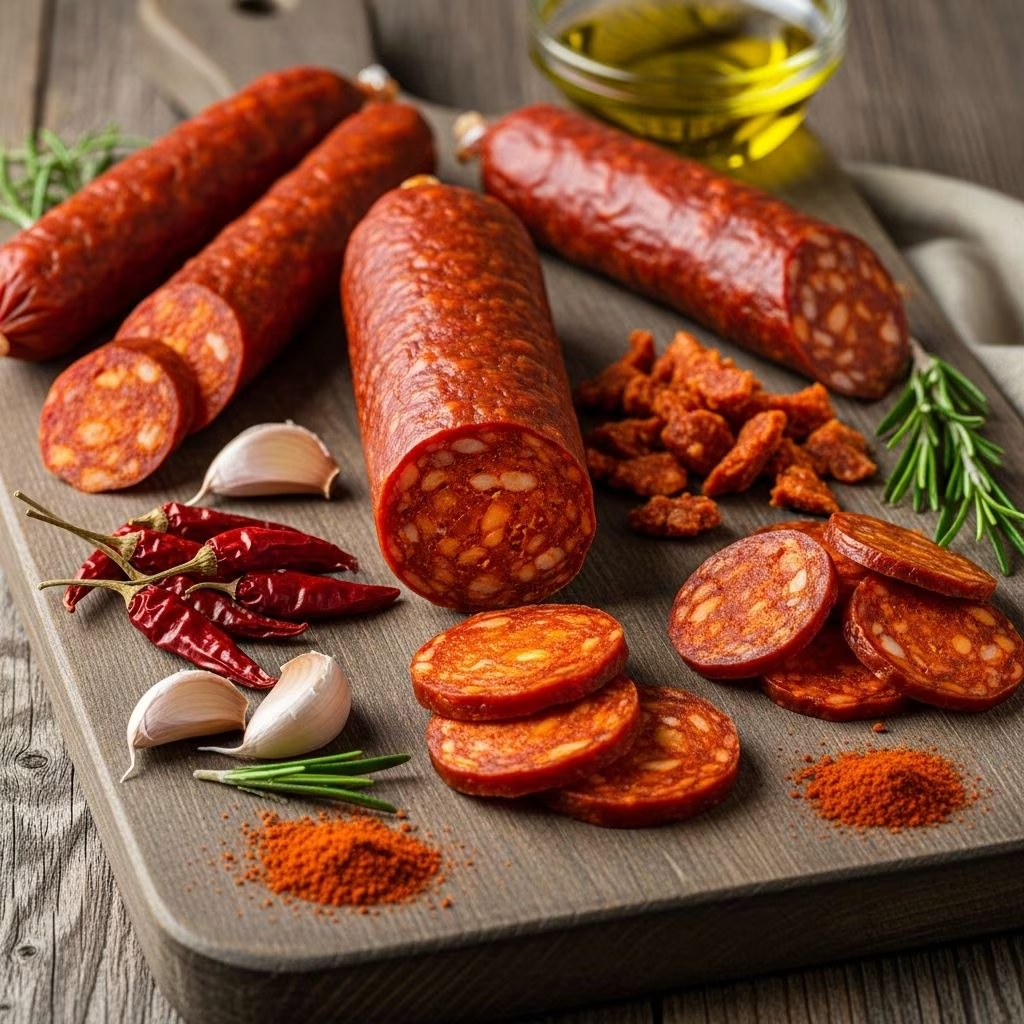
Chorizo is a celebrated sausage with deep historic roots, a variety of regional expressions, distinct nutritional properties, and a flavor that inspires countless culinary creations. Whether enjoyed sliced with cheese or simmered in iconic stews, chorizo’s robust personality has captivated taste buds across the globe. This detailed guide explores what chorizo is, its history, health aspects, uses, and the signature taste that makes it so irresistible.
What Is Chorizo?
Chorizo is a highly seasoned sausage made primarily from pork, recognized for its bold red color and robust flavors of garlic and smoked paprika. It originated on the Iberian Peninsula, encompassing modern Spain and Portugal, and now exists in numerous forms worldwide, most notably in Spanish and Mexican cuisines.
Spanish chorizo is typically cured and can be eaten without further cooking, while Mexican chorizo is generally sold fresh and must be cooked before consuming.
The History and Origins of Chorizo
The art of sausage-making dates back to ancient times, but chorizo as we know it emerged in Spain after the introduction of red peppers (pimentón) from the Americas in the 16th century. These peppers not only granted chorizo its trademark color but also improved preservation.
- Spanish chorizo began as a way for farming families to preserve pork after the annual slaughter (la matanza), particularly during colder months when fresh food was scarce.
- The sausage was initially considered a rural staple, but over time became a delicacy enjoyed by all classes, especially after King Charles IV of Spain developed a passion for it and championed its popularity in the royal court.
The introduction of pimentón marked a turning point — transforming chorizo from a simple meat product into a vibrant, flavorful, and unmistakably unique food.
Main Varieties of Chorizo
Chorizo appears in many forms, each distinct in texture, preparation, and flavor. The two most famous are Spanish and Mexican chorizo:
| Type | Region | Preparation | Main Spices | Usage |
|---|---|---|---|---|
| Spanish Chorizo | Spain | Cured or semi-cured, ready-to-eat | Garlic, smoked paprika | Sliced as tapas, sandwiches, or further cooked |
| Mexican Chorizo | Mexico | Fresh, raw, must be cooked | Chili peppers, vinegar, spices | Crumble and fry for tacos, eggs, and more |
| Portuguese Chouriço | Portugal | Cured, sometimes smoked | Paprika, wine, garlic | Grilled, cooked in stews |
There are also regional chorizos found in South America and the Philippines, each influenced by local preferences and available spices.
Key Ingredients and Preparation
The fundamental base of chorizo is pork (a blend of lean meat and fat). Its distinctive seasoning sets it apart from other sausages, especially the heavy use of smoked paprika in Spanish versions and chili peppers in Mexican chorizo.
- Pork meat and fat
- Salt and garlic
- Pimentón (smoked paprika), for color, flavor, and preservation (Spanish)
- Chili peppers (Mexican), for heat and red hue
- Other spices may include black pepper, oregano, cumin, and vinegar (especially in Mexican recipes)
Traditional preparation often involves hand-cutting pork and mixing it with seasonings, before stuffing the mixture into natural casings. Spanish chorizo is commonly aged or smoked, while Mexican chorizo is left fresh and sold as loose or cased sausage.
Nutritional Value and Health Benefits
Chorizo is calorie-dense and high in protein and fat — a reflection of its origins as a preservation food for sustenance. The specific nutrition profile varies by variety and ingredients:
- Protein: Around 14–22g per 100g serving, excellent source for muscle maintenance
- Fat: Major component, with levels ranging 30–40%, largely from pork fat
- Vitamins and Minerals: Contains significant amounts of B-vitamins (notably B12 and B6), zinc, iron, and selenium, all crucial for metabolism, immune function, and oxygen transport
- Sodium: High, due to curing and seasoning, so portion control is advisable for those on restricted sodium diets
Potential Health Benefits
- Rich protein content aids satiety and muscle support
- Iron and B vitamins support energy, brain health, and red blood cell formation
- Natural spices like garlic and paprika offer antioxidant activity
Note: Despite its nutritional benefits, chorizo is high in saturated fat and sodium. Moderation is crucial, and leaner versions or plant-based alternatives offer additional options for health-conscious eaters.
Popular Culinary Uses
Chorizo’s versatility is legendary. In Spain, sliced cured chorizo is a cornerstone of tapas culture, while both Spanish and Mexican types are beloved for their ability to transform dishes with depth and richness.
- Tapas: Sliced and paired with cheeses, olives, and crusty bread
- Cocidos and stews: Adds smokiness and aroma to Spanish classics like fabada and cocido madrileño
- Egg dishes: Mexican chorizo crumbled and fried with eggs for savory breakfast tacos
- Grilling and roasting: Served alone or with vegetables
- Soups and beans: Enhances depth in lentil soup, garbanzos, or charro beans
- Stuffings and toppings: Popular in quesadillas, pizzas, baked potatoes, or as a topping for nachos
- Paella: Sliced chorizo in Spanish rice dishes
Flavor Profile: What Does Chorizo Taste Like?
The taste of chorizo is defined by a complex and satisfying mix of savory, smoky, tangy, and mildly spicy flavors.
- Smoky: From smoked paprika (Spanish) or dried chili (Mexican)
- Savory and Rich: Due to pork fat and garlic
- Tangy: Especially in Mexican chorizo, which uses vinegar
- Spicy: Ranges from mild to pronounced heat, depending on the variety and amount of pepper used
Texture varies from the firm, sliceable Spanish chorizo to the soft, crumbly, and spreadable Mexican version. In cooked dishes, the fat renders out, infusing meals with powerful, aromatic flavor.
Buying, Storing, and Preparing Chorizo
When buying chorizo, consider whether you want cured (Spanish-style, ready-to-eat) or fresh (Mexican-style, requires cooking). High-quality chorizo has a deep, reddish color and a balanced mix of fat and lean meat.
- Cured chorizo: Store unopened at room temperature; refrigerate after opening
- Fresh chorizo: Keep refrigerated and cook within a few days; can be frozen for later use
Before cooking with fresh chorizo, remove the casing and crumble the meat into the pan. The rendered fat can be used to sauté vegetables or beans, enriching them with flavor.
Chorizo vs. Other Sausages
| Sausage | Primary Ingredients | Spices | Preparation | Typical Use |
|---|---|---|---|---|
| Chorizo (Spanish) | Pork, pork fat | Paprika, garlic | Cured/smoked | Ready-to-eat, tap as, stews |
| Chorizo (Mexican) | Pork (sometimes beef), pork fat | Chili pepper blend, vinegar | Fresh, uncooked | Cook before use, tacos, eggs |
| Italian Salami | Pork | Black pepper, garlic, wine | Cured, fermented | Sliced for antipasto, sandwiches |
| Spicy Andouille | Pork | Cayenne, pepper, garlic | Smoked | Gumbo, jambalaya |
Frequently Asked Questions (FAQs)
Q: Can I eat chorizo raw?
A: Only cured Spanish chorizo is safe to eat without cooking. Fresh Mexican chorizo and other raw versions must be thoroughly cooked before consumption.
Q: Is chorizo very spicy?
A: Chorizo ranges from mild to moderately spicy. Spanish types tend to be smokier and less hot, while Mexican chorizo usually has a bolder heat level from chili peppers.
Q: Is chorizo gluten-free?
A: Most traditional chorizo contains no gluten ingredients. Always check labels, as some commercial brands may use fillers or binders containing gluten.
Q: Are there vegetarian or vegan versions?
A: Yes, many companies offer plant-based chorizo made from soy, tofu, or legumes, seasoned with paprika and traditional spices. These provide a similar taste experience with lower fat and no cholesterol.
Q: How can I use up leftover chorizo?
A: Dice it into omelets, toss with pasta, add to pies or empanadas, or slice over pizza for a smoky kick. The rendered fat can also be used to fry potatoes or beans, infusing them with extra depth.
Final Thoughts
Chorizo is more than just a sausage; it’s a symbol of culinary heritage, a versatile ingredient, and a flavorful bridge connecting traditions from the Iberian Peninsula to Latin America and beyond. Whether you grill, fry, stew, or savor it with bread and cheese, chorizo delivers a distinct, unforgettable flavor that elevates any meal it touches.
References
- https://www.greatbritishchefs.com/features/chorizo-history-culture
- https://ibericotaste.us/blogs/iberico-taste-blog/spanish-chorizo-sausage-what-it-is-how-it-s-made-and-5-tasty-recipes
- https://www.savourandgrace.com.au/blog/3-the-story-of-chiorizo
- https://www.chorizodesanmanuel.com/what-is-chorizo/
- https://www.wlrn.org/show/a-word-on-food/2013-06-01/searching-for-the-origin-of-the-chorizo
- https://www.jamonarium.com/en/cms/33/chorizo-sausage-traditional-ingredients-elaboration-types
- https://www.cookunity.com/blog/all-you-need-to-know-about-chorizo
- https://buber.net/Basque/2024/02/11/basque-fact-of-the-week-txorizo-chorizo-and-txistorra/


