


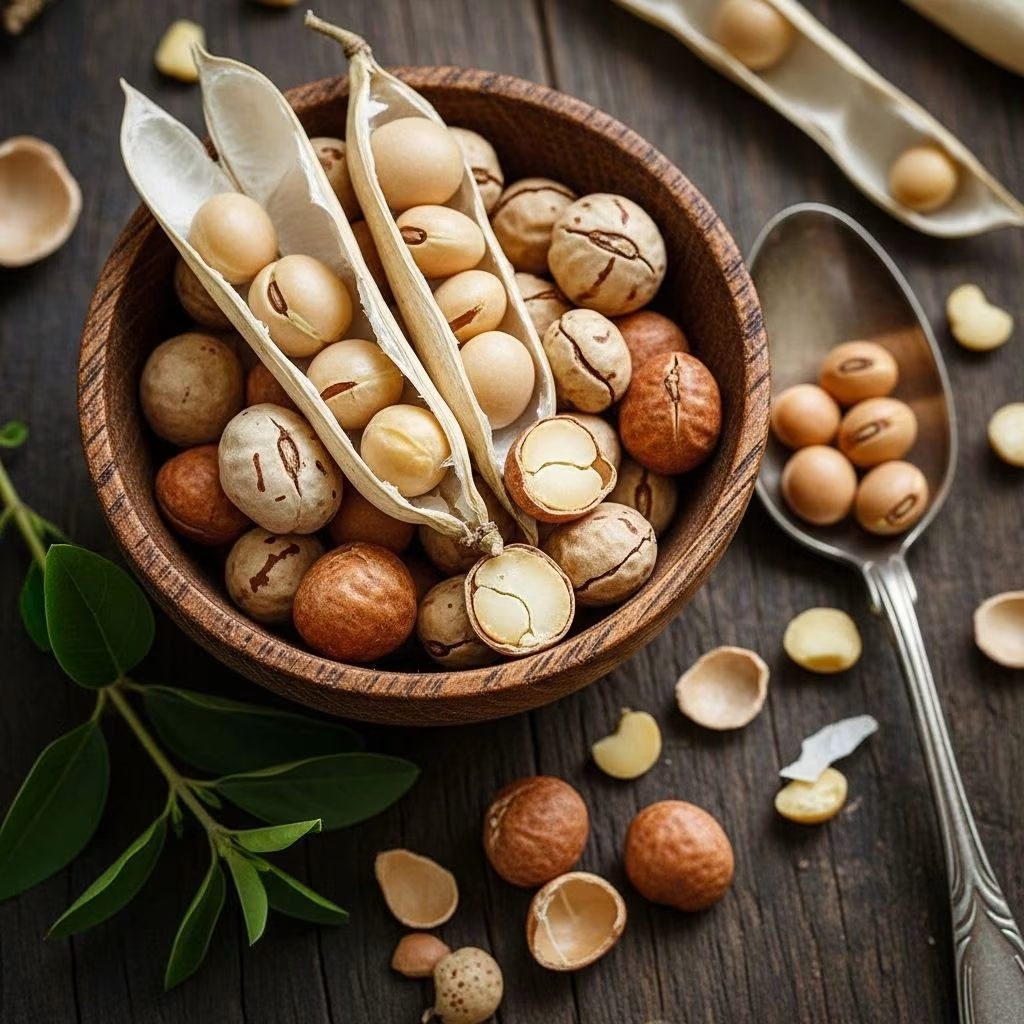
The earthnut pea (Lathyrus tuberosus), also known as tuberous pea, aardaker, or tuberous vetchling, is an ancient perennial legume native to parts of Europe and Asia. Best known for its sweet-scented flowers and edible underground tubers, earthnut pea once played a significant role in traditional diets but has since fallen into obscurity. This article investigates the earthnut pea’s botany, nutrition, health benefits, culinary uses, taste profile, and more.
Overview of Earthnut Pea
The earthnut pea is a perennial climbing or trailing vine related to common peas and vetches. Unlike most peas grown for seeds and pods, its main edible component is a tuber—a swollen underground stem that stores nutrients. Earthnut pea produces attractive, fragrant pink flowers and branched stolons, from which the tubers (sometimes called “earthnuts” or “earth chestnuts”) are harvested. The plant is hardy, nitrogen-fixing, and valued for its ability to improve soil fertility.
- Botanical name: Lathyrus tuberosus
- Family: Leguminosae / Fabaceae (pea family)
- Other common names: tuberous vetchling, aardaker, tuberous pea, Dutch mice, earthnut peavine
- Growth habit: Perennial climber/vine; can trail or be supported
- Main edible part: Tuber (earthnut)
History and Cultural Significance
Earthnut pea was well known in ancient Europe and Asia and has a rich culinary and cultural history.
- Historical usage: Grown as a food crop in Europe, especially during times of famine, where its tubers were valued as a nutritious food source.
- Cultural status: Revered in historical folk medicine and cuisines, but never became a major staple due to uneven tuber yield and increased competition from easier-to-grow root vegetables.
- Modern status: Rarely cultivated today except by some permaculture gardeners, wild foragers, and enthusiasts interested in perennial and wild foods.
The earthnut pea often appears in historical literature and foraging guides, indicating its traditional importance as a source of emergency nutrition and its place in local diets across Eurasia.
Botanical Description and Identification
Accurate identification is essential, as common names can refer to several unrelated species.
- Growth form: Perennial, 1 to 4-foot-long climbing or trailing vine with slender, sometimes angular stems.
- Leaves: Alternate; each unbranched stalk has a single pair of elliptical to ovate leaflets (2–4.5cm long). Leaflets blunt or slightly indented, with possible “winglets” at the base.
- Tendrils: Present for climbing; terminal tendrils divide into two.
- Flowers: Showy pink, magenta, or purple-red, often fragrant, with a shape resembling sweet pea flowers; bloom in early to midsummer.
- Tubers: Subterranean, brownish, round to cylindrical or slightly irregular, usually 2–4 cm long. Form in chains or singly at the ends of stolons.
- Fruit: Slim, slightly constricted pea pods, 2.8–4cm long, each with up to 6 seeds.
- Habitat: Prefers friable, well-aerated, neutral to alkaline soils; found in fields, meadows, woodland edges, roadsides, railways, disturbed sites in parts of Eurasia and North America.
Identification caution: While identification is generally straightforward, plants in the Lathyrus genus sometimes look similar. Consult reputable foraging resources or local experts when wild-harvesting.
Nutritional Value and Health Benefits
Earthnut pea tubers are nutritious, particularly as a source of complex carbohydrates, some protein, and beneficial micronutrients. Like most members of the pea family, they enrich soil via nitrogen fixation.
- Macronutrients: Tubers are similar in composition to other edible roots and tubers, containing a mixture of carbohydrates (primarily starches), dietary fiber, and moderate plant protein.
- Vitamins and minerals: Good source of B vitamins (such as folate and thiamin), iron, potassium, magnesium, and phosphorus.
- Phytochemicals: Contains antioxidants and bioactive compounds typical of the pea family, which may help reduce oxidative stress (research on earthnut pea specifically is limited).
Health Benefits
- Digestive health: High in fiber, which supports healthy digestion and gut flora.
- Slow energy release: Starchy tubers help maintain blood sugar stability when eaten as part of a balanced diet.
- Protein boost: Offers more plant protein than many common root vegetables (though less than true pulses like lentils).
- Soil enrichment: Nitrogen-fixing roots improve crop rotation and sustainability in gardens/agroforestry systems.
- Low in fat: Naturally low in fat and cholesterol.
Note: While earthnut pea is a nutritious wild/forgotten food, it should not be eaten exclusively or in very large quantities long-term. (A diversity of foods is always recommended.)
Culinary Uses and Preparation
Earthnut pea tubers were once roasted, boiled, or baked much like potatoes or chestnuts in traditional European kitchens. Their culinary applications are diverse, and their nutty, lightly sweet flavor matches well with both savory and sweet dishes.
Preparation Methods
- Boiled: Rinse, peel or scrub (if desired), and simmer until tender; eaten plain or with butter/seasonings.
- Roasted: Lightly oil whole tubers and roast in the oven or open fire until golden and crisped outside.
- Mash or puree: When softened, mash with a little milk or butter for a nutty vegetable side.
- Soups & stews: Add tubers as you would parsnip or potato for chunky vegetable soups.
- Snacking: Traditionally eaten plain, like boiled peanuts or roasted chestnuts.
Eat cooked, never raw: Like other Lathyrus species, raw parts may contain compounds that interfere with nutrient absorption or, rarely, have mild toxicity. Always cook earthnut pea tubers thoroughly before eating.
Edible Flowers and Pods
- Fragrant flowers are sometimes added to salads or used as garnishes, but their main value is ornamental and aromatic.
- Pods are technically edible when young and tender, but are generally fibrous—focus on the tubers. Older seeds and pods are typically not eaten.
Taste, Texture, and Cooking Tips
Earthnut pea tubers are prized for their nutty, subtly sweet flavor and satisfying texture.
- Flavor: Described as a cross between a chestnut and a new potato, with mild nutty and sweet overtones.
- Texture: Smooth, starchy, moist and slightly crumbly when cooked—comparable to water chestnut or jicama but with a more chestnut-like density.
- Aroma: Earthy, with a roasted scent when oven-cooked.
Cooking Tips
- Pair with herbs like thyme, rosemary, or parsley for savory dishes.
- Works well in root vegetable medleys, gratins, and autumn salads.
- Foraged tubers should be washed thoroughly to remove soil and debris.
- Avoid eating in very large quantities until you know your individual tolerance.
Cultivation, Harvesting, and Environment
Earthnut pea is valued in agroforestry and permaculture due to its soil-enriching abilities, perennial growth, and resilience.
- Planting: Sow tubers or seeds in moist, loamy soil with sun to part-shade exposure in early spring. Requires well-draining, loose soil; mulch to retain moisture.
- Growth period: Tubers generally require at least two growing seasons for sizeable edible roots. Lift mature tubers in late fall, after the foliage has died back.
- Maintenance: Easily grown, moderately spreading via rhizomes/stolons. Can be kept in bounds by regular harvesting.
- Pest/disease: Few serious issues; may be considered undesirable in commercial crops due to its spreading habit.
Earthnut pea enriches soil by fixing nitrogen from the atmosphere, which benefits surrounding plants and naturalized garden ecosystems.
Potential Risks and Safety
In the Lathyrus genus, seeds of some species can contain substances (such as lathyrogens) causing lathyrism—a rare neurological condition—if eaten in large quantities over long periods. There are no confirmed cases from earthnut pea tubers when cooked and consumed in moderation, but avoid eating seeds or raw tubers and stick to recommended preparation methods.
Comparison Table: Earthnut Pea vs. Other Edible Tubers
| Tuber | Main Edible Part | Protein Content | Flavor Profile | Key Notes |
|---|---|---|---|---|
| Earthnut Pea (Lathyrus tuberosus) | Subterranean tuber | Moderate (higher than potato) | Nutty, sweet, mild | Perennial, nitrogen fixer, best cooked |
| Potato (Solanum tuberosum) | Tuber | Low | Subtle, starchy | Common, annual, rich in vitamin C |
| Jerusalem Artichoke (Helianthus tuberosus) | Tuber | Low | Mild, nutty, sweet | Prebiotic inulin, causes flatulence in some |
| Apios/American groundnut (Apios americana) | Tuber | Very high (for a tuber) | Nutty, bean-like | Perennial, very rich in protein, native to North America |
Frequently Asked Questions (FAQs)
Q: Is earthnut pea safe to eat?
A: Yes, the tubers are safe and edible if cooked. Avoid eating seeds or raw tubers to minimize any risk. Moderation and cooking are key.
Q: Where can I find earthnut pea?
A: Earthnut pea is rarely found in supermarkets. It may be found in wild meadows, field margins, or from specialty seed suppliers focused on edible perennials and wild foods.
Q: How do you cook earthnut pea tubers?
A: The easiest way is to boil or roast them, after washing and optionally peeling. Try mashing or adding to stews for a nutty, earthy flavor.
Q: Can I grow earthnut pea in my garden?
A: Yes, it’s a low-maintenance perennial for temperate and cool climates, but it may naturalize or spread aggressively.
Q: Does earthnut pea have ornamental value?
A: Yes, its bright pink, sweet-scented flowers attract pollinators and make it an attractive addition to edible landscapes.
Conclusion
The earthnut pea is a forgotten superfood with a fascinating agricultural and culinary past. Easy to grow, nutritious, and delicious when prepared well, this humble plant is ripe for rediscovery by modern gardeners, wild food foragers, and adventurous home cooks. Its nutty, subtly sweet root pairs tradition with taste, offering unique opportunities for experimentation in permaculture and gourmet cuisine alike.
References
- https://incrediblevegetables.co.uk/whats-growing/lathryus-tuberosus-earth-nut-pea-aardaker/
- http://natures-restaurant-online.com/EarthnutPea.html
- https://www.nortonnaturals.com/products/lathyrus-tuberosus-earth-nut
- https://www.minnesotawildflowers.info/flower/earthnut-pea
- https://www.eattheweeds.com/tag/earthnut-pea/
- http://www.wildflowerweb.co.uk/plant/3934/tuberous-pea
- https://www.rhs.org.uk/plants/81095/lathyrus-tuberosus/details
- https://kids.kiddle.co/Lathyrus_tuberosus
- https://temperate.theferns.info/plant/Lathyrus+tuberosus


