


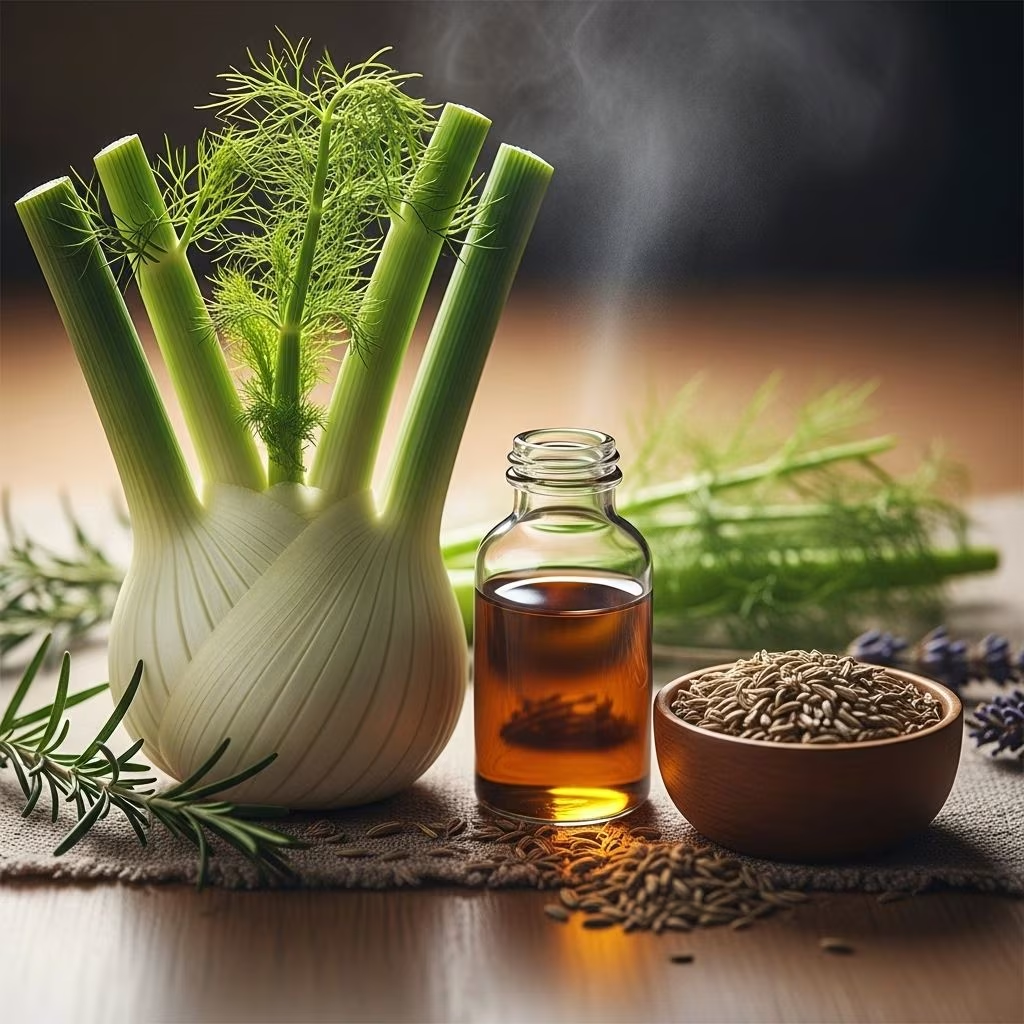
Fennel oil, extracted from the seeds of Foeniculum vulgare, has gained notable traction among natural beauty enthusiasts and trichologists. Its multifaceted composition offers substantial potential for hair and scalp health. This in-depth guide unpacks fennel oil’s hair benefits, scientific evidence, best usage practices, potential risks, and expert-backed tips to maximize its effects for healthier, shinier hair.
Introduction to Fennel Oil
Fennel oil is an essential oil derived predominantly through steam distillation of fennel seeds. Traditionally known for its culinary uses and digestive benefits, fennel oil has been increasingly respected for its range of cosmetic and therapeutic applications. One area where its efficacy has drawn interest is hair care—particularly for those seeking natural remedies for hair loss, scalp concerns, and brittle strands.
Key Components of Fennel Oil
The therapeutic effects of fennel oil for hair are rooted in its complex blend of bioactive molecules. The most notable components include:
- Trans-Anethole: The principal compound, responsible for the oil’s anti-androgenic and mild estrogenic effects.
- Fenchone: Contributes to antimicrobial activity and supports scalp health.
- Estragole: Offers aromatic properties as well as supportive skin conditioning actions.
- Polyphenols & Antioxidants: Fennel contains potent flavonoids and phenolic acids that fight oxidative stress, a key factor in hair thinning and scalp irritation.
Hair Benefits of Fennel Oil
Fennel oil’s rich composition translates into distinct hair and scalp benefits. Below are the core advantages, backed by research, user experience, and expert analysis:
1. Scalp Soothing and Dandruff Control
- Antimicrobial and anti-inflammatory actions calm scalp irritation and reduce flakiness associated with dandruff.
- Use of fennel oil in topical blends has shown improvement in scalp itchiness, a common sign of dehydration or mild dermatitis.
2. Hair Strengthening and Reduced Breakage
- Antioxidants in fennel oil combat free radical damage, protecting the hair shaft and follicles from environmental stressors.
- Regular application, in combination with scalp massage, may reinforce hair strands and reduce premature breakage or split ends.
3. May Promote Hair Growth & Prevent Hair Loss
- Fennel oil’s bioactive compounds stimulate blood circulation in the scalp, increasing oxygen and nutrient delivery to hair roots.
- Its mild estrogenic effect can help balance scalp and follicular hormone activity, a factor often implicated in hair thinning and loss.
- Some anecdotal reports suggest a visible reduction in hair fall and improved hair density when combined with other strengthening oils or botanicals.
4. Anti-Androgenic Potential
- Clinical data suggest that fennel oil’s trans-anethole content may reduce the effects of dihydrotestosterone (DHT)—a primary cause of androgenic alopecia (pattern hair loss)—by interfering with the 5-alpha reductase enzyme.
- This effect is more pronounced in female users and may be most relevant for those with hormonally mediated hair thinning.
5. Supports Healthy Shine and Texture
- Fennel oil adds a natural sheen to hair strands, especially when used as part of a warm oil treatment or added to leave-in blends.
- It helps soften coarse or dry hair without leaving greasy residue when blended correctly and used in moderation.
6. Protects against Environmental Stress
- Polyphenols in fennel protect hair from pollution, UV rays, and oxidative damage, which are leading contributors to dullness and premature greying.
Scientific Evidence & Clinical Studies
While fennel seed and fennel oil have long histories of medicinal and cosmetic use, formal research on their direct effects on hair growth is still emerging. Noteworthy findings include:
- A randomized, double-blind placebo-controlled study using topical fennel gel (3%) showed a statistically significant reduction in hair thickness—by about 22% after 24 weeks—in women with mild to moderate hirsutism, with minimal side effects.
- An earlier study with 1% and 2% fennel creams confirmed a reduction in hair diameter (7.8% and 18.3%, respectively), highlighting the anti-androgenic and estrogenic actions of fennel extract, particularly trans-anethole.
- Multiple botanical and wellness sites report that fennel’s antioxidant and antimicrobial properties help prevent scalp itchiness, breakage, and excessive hair fall, supporting anecdotal and ethnobotanical claims.
Overall, while more large-scale human studies are needed, the available clinical and biochemical evidence supports the beneficial impact of fennel oil on scalp and hair health, particularly for addressing androgen-driven hair changes and supporting general hair resilience.
How to Use Fennel Oil for Hair
Integrating fennel oil into your hair care routine can be straightforward. Here are the most effective methods, tips for optimal absorption, and everything you need to avoid irritation:
1. Scalp Massage Oil Blend
- Mix 2-4 drops of fennel essential oil with 1 tablespoon of a carrier oil (such as almond, coconut, or jojoba oil).
- Massage gently into the scalp for 5–10 minutes, focusing on thinning or dry areas.
- Leave for at least 30 minutes or overnight (patch test for sensitivity first), then shampoo as usual.
2. Add to Shampoo or Conditioner
- Add 2-3 drops of fennel oil to your regular shampoo or conditioner per wash.
- Massage into scalp, let sit for 2–3 minutes, then rinse.
3. DIY Fennel Oil Hair Mask
- Combine 1 tablespoon of carrier oil, 1 teaspoon olive oil, and 3–5 drops fennel oil.
- Apply to scalp and hair, cover with a warm towel, leave for 30–60 minutes, then wash.
4. Pre-Style Finishing Serum
- Mix 1 drop fennel oil with 1–2 teaspoons argan or jojoba oil, apply lightly to hair ends for shine and frizz control.
5. Herbal Rinse (for Oily or Thinning Hair)
- Brew fennel seed tea, allow to cool, then add 1–2 drops fennel oil.
- Use as a final hair rinse post-shampoo for boosted scalp toning effects.
Recommended Frequency
- Start with 1–2 times per week for scalp massages and hair masks.
- Monitor for any signs of irritation (redness, itching) and adjust frequency or dilution if needed.
Formulation Table: Sample Fennel Oil Blends for Hair
| Purpose | Blend Recipe | Frequency |
|---|---|---|
| Scalp Nourishment | 3 drops fennel oil + 1 tbsp coconut oil | 1–2 times/week |
| Dandruff Control | 2 drops fennel oil + 1 tbsp jojoba + 2 drops tea tree oil | Once/week |
| Growth Serum | 2 drops fennel oil + 2 drops rosemary oil + 1 tbsp almond oil | 1–2 times/week |
| Shine Finisher | 1 drop fennel + 1 tsp argan oil | As needed |
Tips and Precautions for Safe Use
- Always dilute fennel oil with a carrier oil before direct scalp or skin application to minimize risk of irritation.
- Conduct a patch test on your inner elbow 24 hours prior to broader application.
- Avoid contact with eyes; rinse immediately with water if contact occurs.
- Not recommended for children, pregnant, or breastfeeding women without physician guidance due to fennel’s phytoestrogenic properties.
- Do not use undiluted or in excessive amounts, as concentrated essential oils can cause skin sensitization.
- If you have sensitive skin or known allergies to parsley, carrot, or celery (all Apiaceae plants), use extra caution or consult a healthcare provider first.
- Store the oil in a cool, dark place to maintain its potency and prevent oxidation.
Frequently Asked Questions (FAQs)
Q1: Can fennel oil regrow hair in bald patches?
Fennel oil is not proven to regrow hair in fully bald patches, particularly in advanced androgenic alopecia. However, its use may help with hair thinning, support follicle health, and reinforce strands against breakage.
Q2: Is fennel oil suitable for all hair types?
Yes, fennel oil can be adapted for most hair types (dry, oily, normal), but always dilute and observe your scalp’s response. Mix with other oils suitable for your specific hair type for enhanced benefit.
Q3: How does fennel oil compare to rosemary or tea tree oil for hair?
| Property | Fennel Oil | Rosemary Oil | Tea Tree Oil |
|---|---|---|---|
| Main Effect | Hormonal balancing, antioxidant, anti-dandruff | Promotes circulation, growth | Antimicrobial, anti-itch |
| Notable Ingredients | Trans-anethole, fenchone | Cineole, camphor | Terpinen-4-ol, gamma-terpinene |
| Use Risk | Phytoestrogenic, patch test needed | Rare irritation | Higher risk of irritation undiluted |
Q4: Can fennel oil be ingested for hair benefits?
Do not ingest fennel essential oil unless under supervision by a healthcare provider. The safety profile for topical applications is more established; internal use requires medical oversight owing to potency and risk of toxicity at high doses.
Q5: How long does it take to see results?
Consistent application 1–2 times per week may show improvements in scalp comfort, shine, and breakage reduction within 4–8 weeks. More advanced effects like visible thickening or reduced thinning typically require at least 3–6 months of disciplined use.
Conclusion
Fennel oil’s array of antioxidants, hormone-moderating, and soothing properties make it a promising addition to holistic hair care routines. From controlling dandruff and soothing the scalp to potentially reducing hormone-driven thinning, fennel oil offers multifaceted support for hair health. As with all essential oils, intelligent dilution, safety testing, and attentiveness to individual reactions are key to achieving optimal results. A balanced approach, integrating fennel oil with nourishing hair rituals and a healthy lifestyle, is the path to long-term shine and scalp vitality.
References
- https://pmc.ncbi.nlm.nih.gov/articles/PMC3894467/
- https://pubmed.ncbi.nlm.nih.gov/13678227/
- https://blog.puravedaorganics.com/8-organic-benefits-of-fennel-seed/57/
- https://timesofindia.indiatimes.com/life-style/health-fitness/health-news/fact-check-can-chewing-saunf-prevent-hair-loss/articleshow/109752634.cms
- https://chiltanpure.com/blogs/english-blog/fennel-essential-oil
- https://onlinelibrary.wiley.com/doi/10.1111/jocd.14286


