


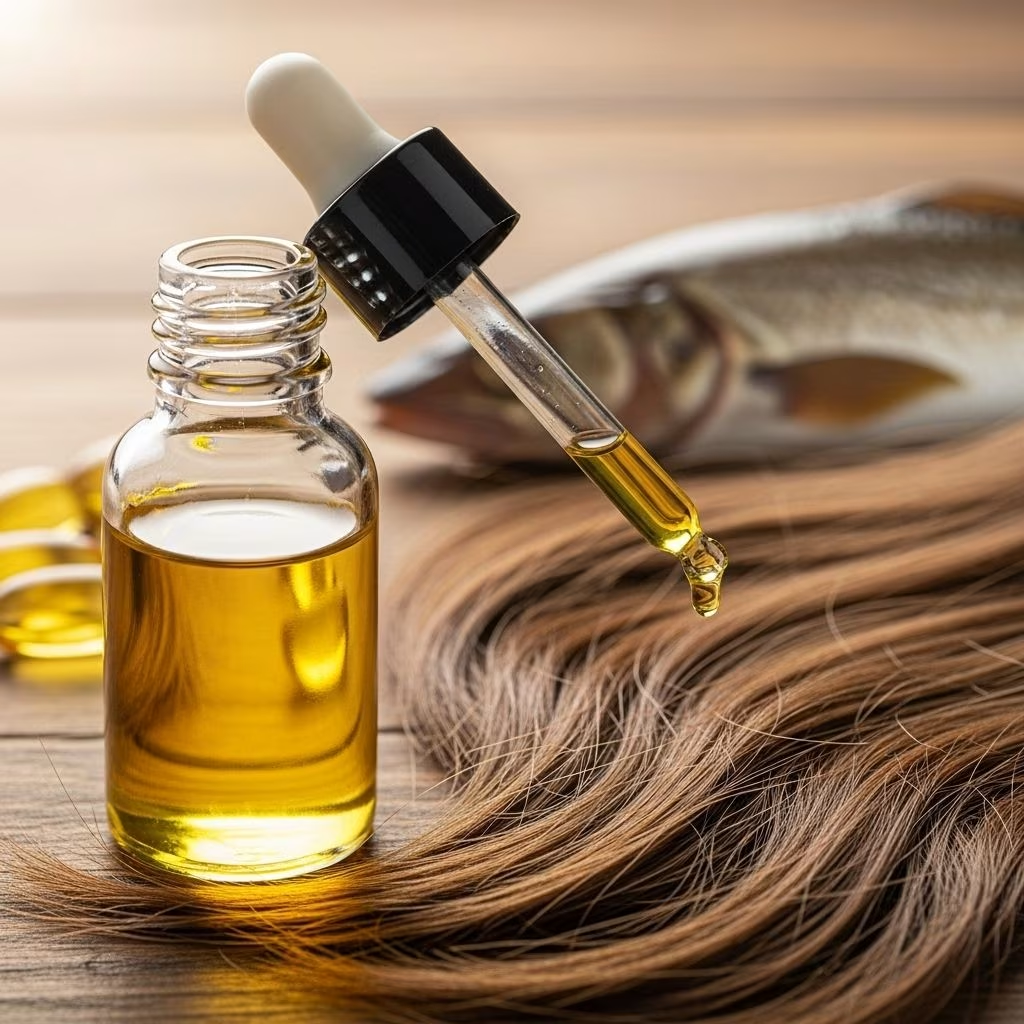
Fish liver oil, renowned for its richness in omega-3 fatty acids and fat-soluble vitamins, has captivated the beauty and wellness community for its potential to transform hair health. This definitive guide details the hair benefits of fish liver oil, vitamin-rich composition, scientific research, and practical strategies for maximizing its effects on growth and resilience.
Whether you seek to address hair thinning, improve scalp health, or achieve lustrous, strong locks, understanding the role of fish liver oil is vital.
Overview: What is Fish Liver Oil?
Fish liver oil is extracted primarily from the livers of cold-water fish, most notably cod, and stands apart from regular fish oil (derived from the whole body tissues of fatty fish). It is prized for its concentrated amounts of omega-3 fatty acids—chiefly eicosapentaenoic acid (EPA) and docosahexaenoic acid (DHA)—as well as vitamins A and D, crucial for health and beauty.
Used traditionally as a nutritional supplement, fish liver oil is recognized in dermatology and trichology for its wide-ranging benefits on skin and hair.
Nutritional Composition: What Makes Fish Liver Oil Special?
The unique profile of fish liver oil underpins its biological effects on hair and scalp.
| Component | Function for Hair Health |
|---|---|
| Omega-3 fatty acids (EPA, DHA) | Nourish hair follicles, control inflammation, support scalp health |
| Vitamin A | Promotes cell growth, sebum regulation, antioxidant protection |
| Vitamin D | May help stimulate dormant hair follicles, modulate immune response |
| Other micronutrients | Support general cellular and follicular health |
This powerhouse combination delivers foundational nourishment for hair structure, scalp wellness, and healthy hair cycling.
Fish Liver Oil and Hair Health – Key Benefits
Substantial laboratory, clinical, and anecdotal evidence points to various advantages of using fish liver oil for hair. Major benefits include:
- Promotes Hair Growth
Omega-3s in fish liver oil supply essential nutrients to the hair follicles, fostering an optimal environment for hair growth.
Research has shown increased hair density and reduced thinning in participants using omega-3 rich supplements. - Reduces Hair Loss
Fish liver oil may reduce follicular inflammation—a key contributor to pattern hair loss—thereby limiting excessive shedding and hair fall. - Strengthens and Thickens Hair Strands
By nourishing follicles and improving their function, fish liver oil helps produce thicker, more resilient strands, minimizing breakage and brittleness. - Improves Scalp Health
Omega-3s and vitamins A and D in fish liver oil collectively support a well-hydrated, balanced scalp, countering flakiness and dryness that impede healthy growth. - Enhances Shine and Appearance
Anecdotal reports and practitioner accounts commonly note improved shine and natural luster in hair with regular use.
Clinical Evidence Supporting Fish Liver Oil for Hair
- 2015 Study: Women supplementing with fish oil saw marked increases in hair growth and reduced hair loss.
- 2018 Study: Fermented fish oil extract applied topically to mice substantially stimulated new hair growth.
- Other Clinical Trials: Research shows improved hair diameter, density, and scalp condition in those consuming omega-3s.
While more human studies focused specifically on fish liver oil are warranted, current evidence is promising and trending positively.
How Does Fish Liver Oil Affect Hair Growth?
Fish liver oil’s actions are multifactorial and involve:
- Nourishing Hair Follicles: Essential fatty acids improve the provision of sustenance and blood flow to hair follicles, supporting their longevity!
- Inflammation Control: By damping down inflammatory pathways in the scalp, fish liver oil shields follicles from damage and premature shedding.
- Regulation of Hair Cycle: Omega-3s may help expand the anagen (growth) phase and shorten the telogen (resting) phase of hair follicles, encouraging sustained growth.
- Antioxidant Defense: Vitamin A neutralizes oxidative stress around follicles, often implicated in chronic hair loss.
- Immunomodulation: Vitamin D plays a role in modulating the scalp’s immune environment, relevant for certain autoimmune hair disorders.
Important Note: Excess fish oil (especially in diet, not supplement form) may paradoxically cause hair loss due to immune system effects in rare cases, so proper dosage is crucial.
How to Use Fish Liver Oil for Hair
For best results, fish liver oil should be used consistently over months and incorporated thoughtfully into your regimen.
1. Oral Supplementation
- Most common and evidence-backed route
- Typical dosage: 1–2 teaspoons daily in liquid form, or as per supplement manufacturer’s recommendation in capsules (consult a healthcare provider for guidance)
Tip: Always select high-quality, purified fish liver oil to avoid impurity or heavy metal risks.
2. Dietary Incorporation
- Intake of vitamin-rich fatty fish (salmon, mackerel, sardines, herring) offers natural omega-3s but may be less concentrated than supplements.
- A balanced, nutrient-dense diet synergistically supports hair health when combined with fish liver oil.
3. Topical Application
- Some advocate for gently massaging small amounts of fish liver oil onto the scalp for 15–30 minutes before washing.
- Benefits: Immediate hydration, possible local nourishment of follicles, enhanced scalp circulation.
- Precautions: Fish oil has a strong odor and may stain fabrics; perform a patch test to rule out irritation.
Pro-tip: Mix with a carrier oil (such as coconut or olive oil) for ease of application and milder scent.
4. Combination with Other Supplements
- Combined formulations with biotin, vitamin E, zinc, and antioxidants may multiply benefits but consult with a healthcare provider about potential interactions.
Expert Tips to Maximize Fish Liver Oil Hair Benefits
- Always source molecularly distilled or certified pure fish liver oil products to avoid contaminants.
- Store supplements in a cool, dark place to prevent rancidity.
- For oral supplements, begin with a low dose and increase gradually to prevent digestive discomfort.
- Combine usage with other essential nutrients (protein, vitamins C/E, zinc, iron) for holistic hair support.
- Track results with hair photos or journals, as visible differences may take 8–12 weeks to emerge.
- Discontinue use and consult a healthcare professional if scalp irritation or adverse effects occur.
Potential Side Effects and Safety Considerations
- Digestive Issues: Upset stomach, loose stools, or fishy aftertaste are common early complaints.
- Vitamin A/D Toxicity: Overconsumption (especially of cod liver oil) may cause hypervitaminosis if taken in excess—follow dosing guidelines strictly.
- Allergic Reactions: Rare, but always start with a patch test for topical use.
- Interactions: Fish oil can interact with blood thinners or certain chronic medications; consult a healthcare provider before starting supplementation.
- Dietary Cautions: Excessive intake (especially high-fat ‘fish oil diets’) in animal studies may paradoxically trigger or worsen hair loss due to immune modulation.
Conclusion: Used moderately and wisely, fish liver oil is generally safe and well-tolerated for most adults. Seek medical guidance in case of pregnancy, lactation, chronic illness, or ongoing medication.
Dietary and Lifestyle Synergy for Healthy Hair
For optimal results, combine fish liver oil supplementation with diverse, nutrient-rich foods and a healthy lifestyle:
- Eat a balanced diet rich in protein, fruits, whole grains, and healthy fats.
- Maintain hydration and regulate stress, both major modulators of hair health.
- Practice gentle scalp massage to stimulate circulation.
- Protect hair from excessive heat, harsh chemicals, and sun exposure.
- Prioritize adequate sleep and exercise for systemic health benefits that reflect in hair quality.
Frequently Asked Questions (FAQs)
Q: Is fish liver oil the same as standard fish oil for hair?
No. While both contain omega-3 fatty acids, fish liver oil also contains significantly more vitamins A and D, which may enhance its hair benefits but carry a greater risk of toxicity if overdosed.
Q: How long does it take to see results when using fish liver oil for hair?
Most users notice gradual improvements in hair texture and reduced shedding within 2 to 3 months of consistent use, but individual results vary based on baseline health, dosage, and genetics.
Q: Can fish liver oil help with all forms of hair loss?
Fish liver oil may help with diffuse thinning, breakage, and some cases of inflammatory scalp conditions. However, it cannot reverse advanced genetic hair loss or scarring alopecia.
Q: Is it safe to use fish liver oil on color-treated or chemically treated hair?
Yes, as long as topical use is accompanied by mild shampoos and conditioners. Oral supplementation has no direct impact on hair treatments but always patch test for sensitivities.
Q: Are there plant-based alternatives to fish liver oil for hair health?
Plant-based omega-3 sources like flaxseed or chia seed oil provide alpha-linolenic acid (ALA), but this is less efficiently converted to EPA/DHA compared to marine oils. Seaweed and algae oils are promising vegan alternatives.
Summary
Incorporating fish liver oil into your hair care toolkit—by diet or supplementation—can support stronger, denser, and more vibrant hair. Commitment, appropriate dosage, and a holistic self-care approach yield the best and safest outcomes.
References
- https://www.apollo247.com/blog/article/fish-oil-for-hair-growth-and-thickness
- https://us.oxfordbiolabs.com/blogs/news/benefits-of-fish-oil-supplements-for-hair
- https://pmc.ncbi.nlm.nih.gov/articles/PMC10193786/
- https://www.healthline.com/health/fish-oil-for-hair
- https://wellbeingnutrition.com/blogs/skin-beauty/fish-oil-for-hair-and-skin
- https://pubmed.ncbi.nlm.nih.gov/25573272/
- https://www.medicalnewstoday.com/articles/fish-oil-for-hair
- https://www.hims.com/blog/fish-oil-benefits-for-hair
- https://www.the-scientist.com/fish-oil-in-diet-can-cause-hair-loss-in-mice-study-finds-70901


