


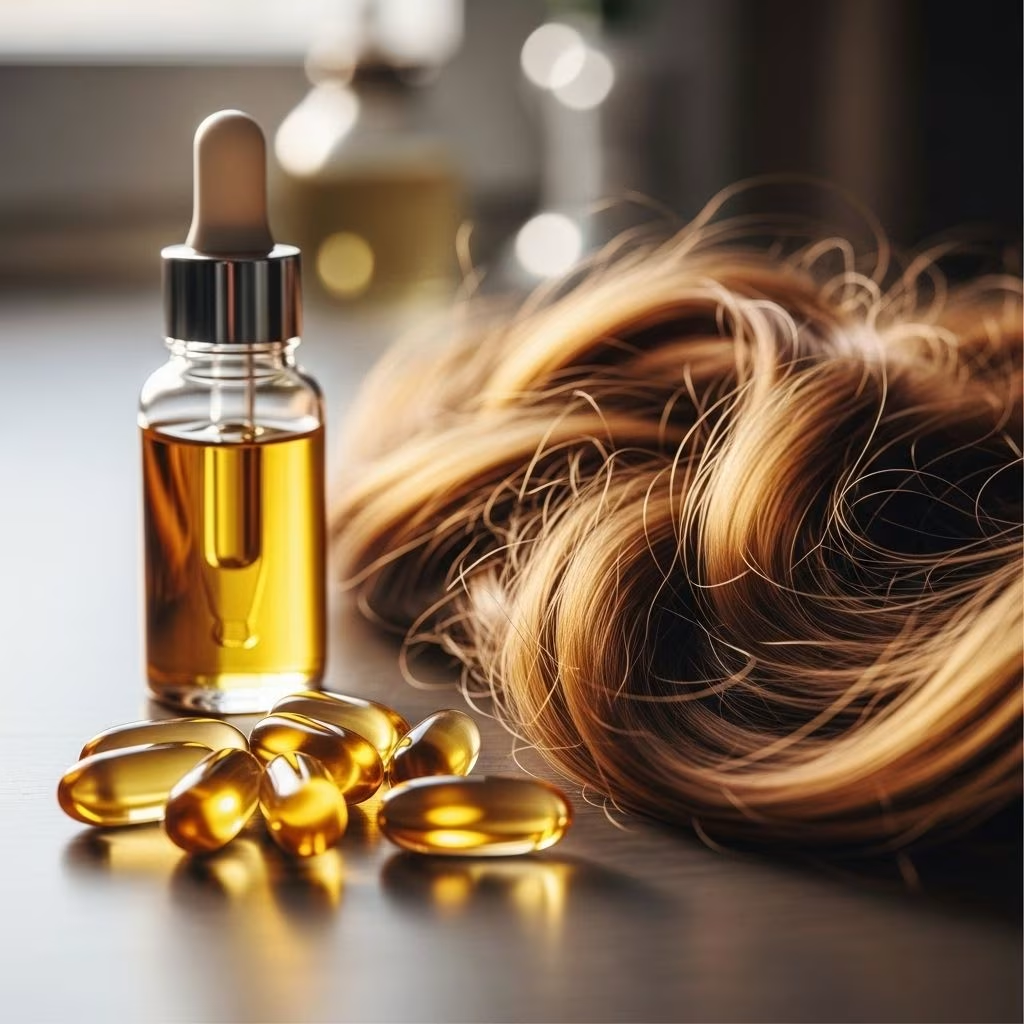
Fish oil, renowned for its omega-3 fatty acids, has emerged as a popular supplement for overall well-being, including hair health. This comprehensive guide explores what current science reveals about fish oil’s impact on hair growth, practical usage methods, potential risks, and actionable tips for maximizing results.
- Table of Contents
- What is Fish Oil?
- The Nutrients in Fish Oil
- How Fish Oil Benefits Hair
- Scientific Evidence: Key Research on Fish Oil & Hair
- How to Use Fish Oil for Hair
- Potential Side Effects and Precautions
- Best Practice Tips for Hair & Fish Oil
- Frequently Asked Questions
- Conclusion
What is Fish Oil?
Fish oil is a dietary supplement primarily obtained from the tissues of oily fish like salmon, mackerel, herring, sardines, and anchovies. It is particularly rich in omega-3 fatty acids, notably eicosapentaenoic acid (EPA) and docosahexaenoic acid (DHA)—nutrients essential for human health but not produced sufficiently by our bodies.
Fish oil is widely available as:
- Liquid oils
- Soft gel capsules
- Flavored chewables or emulsions
Millions worldwide use fish oil for overall wellness, including benefits to heart, brain, skin, and increasingly, its support for healthy hair.
The Nutrients in Fish Oil
The primary active nutrients in fish oil are:
- Omega-3 fatty acids (EPA & DHA): Crucial for anti-inflammatory effects, cell membrane integrity, and hormone balance.
- Vitamin A & D: Present in higher amounts in fish liver oils, they contribute to scalp and hair follicle health.
- Other lipids: Beneficial fats, though less studied, help maintain moisture in cells and provide structural support.
These combined nutrients make fish oil uniquely suited to influence multiple aspects of hair growth and structure.
How Fish Oil Benefits Hair
Fish oil’s hair benefits are attributed mostly to its omega-3 content. Here is a breakdown of the main mechanisms by which fish oil may support hair health:
Nourishing Hair Follicles
Omega-3s enhance the lipid bilayer surrounding hair follicle cells, optimizing their ability to receive nutrients. Well-nourished follicles are linked to stronger, thicker hair and more robust hair growth cycles.
Reducing Scalp Inflammation
Chronic or low-level scalp inflammation can disturb the growth phase (anagen) and contribute to premature hair loss. The anti-inflammatory action of EPA and DHA helps modulate inflammatory mediators, supporting a healthy hair growth environment.
Improving Hair Density and Reducing Shedding
Clinical research indicates that supplementing with omega-3s may increase hair density and lessen excessive hair shedding, especially in women with pattern hair loss.
Promoting Healthy Scalp Circulation
Good circulation delivers essential nutrients and oxygen to scalp cells. Some studies and anecdotal evidence suggest that omega-3s from fish oil support better blood flow in the scalp, potentially triggering new hair growth.
Restoring Hair Luster and Shine
Advocates report that fish oil use, especially topical application, may help restore shine to dull hair by combating dryness and increasing moisture retention.
| Benefit | Key Mechanism |
|---|---|
| Nourishes follicles | Lipid membrane support, improved nutrient flow |
| Reduces shedding | Modulates inflammation, may normalize growth cycle |
| Boosts density | Follicular nourishment, anti-inflammatory action |
| Enhances shine | Promotes scalp hydration, strengthens cuticle |
Scientific Evidence: Key Research on Fish Oil & Hair
Several laboratory, animal, and limited human studies have explored fish oil’s influence on hair:
- 2015 double-blind, controlled trial (human): Women with female pattern hair loss saw reduced shedding and increased hair density after six months of supplementation with omega-3/omega-6 and antioxidants.
- 2018 animal study: Topical application of mackerel-derived fermented fish oil (FFO) in mice significantly stimulated hair growth by promoting hair follicle cell (dermal papilla) proliferation via cell cycle progression and activation of growth signaling pathways such as β-catenin.
- Additional mouse studies: High-fat diets based on fish oil led to hair loss in some mouse models due to immune signaling issues. However, these results may not directly apply to human supplementation and highlight the importance of dosage and balance.
Interpreting the data: Human clinical trials are promising but limited, and more research is needed to confirm these results in broader populations. Most evidence supports the use of fish oil as a supportive, not curative, strategy for healthy hair growth, particularly in individuals experiencing hair thinning or increased hair fall.
How to Use Fish Oil for Hair
Fish oil can be incorporated into a hair health routine in multiple ways, depending on preferences and specific needs:
1. Oral Supplementation
Taking fish oil capsules or liquid is the most common and convenient method to obtain all-around benefits, including those for your hair.
- Recommended daily dose: Dosages for general wellness often range between 250 mg to 2,000 mg of EPA and DHA combined per day. Hair-specific research has used similar or slightly higher amounts; always follow the product’s instructions and consult your physician before starting a new supplement.
2. Consuming Fatty Fish
Obtaining omega-3s through dietary sources not only provides EPA and DHA but also additional vitamins and minerals. Include 2-3 servings per week of oily fish such as:
- Salmon
- Mackerel
- Sardines
- Herring
- Anchovies
This dietary approach is sustainable and complements other aspects of a healthy lifestyle.
3. Topical Application
Some people experiment with topical use of fish oil, massaging it into the scalp for ten to fifteen minutes before washing. Animal studies suggest that certain fish oil extracts, when applied topically, can stimulate hair growth via direct follicular action.
- Important: Fish oil has a strong aroma and may feel greasy. Mixing it with a carrier oil or choosing deodorized fish oil blends can help.
- Test a small area first to check for irritation or allergic reaction.
4. Combination with Antioxidants
Research has shown that combining omega-3/6 supplements with antioxidants (such as vitamin E or C) may enhance hair benefits versus omega-3s alone. Look for products that include these synergistic compounds, or combine separate supplements after consulting a professional.
Potential Side Effects and Precautions
Fish oil is generally safe for most healthy adults when taken at recommended doses, but some side effects and cautions apply:
- Mild gastrointestinal upset: nausea, diarrhea, or fishy aftertaste.
- Increased bleeding risk: omega-3s may slow blood clotting, especially at high doses or for those on anticoagulant medications.
- Potential allergenic reactions: particularly if you have a known fish or seafood allergy.
- Risks of excess: Extremely high, prolonged doses may, rarely, increase risk of vitamin toxicity (especially in fish liver oils).
- Possible interactions with blood pressure, diabetes, or cholesterol medication—always check with your doctor.
Children, pregnant or breastfeeding women, and individuals taking prescription medications should seek medical guidance before starting fish oil supplementation.
Best Practice Tips for Hair & Fish Oil
- Select high-quality, third-party tested supplements free of contaminants such as mercury or PCBs.
- Start with the minimum effective dose; more is not always better with omega-3s.
- For topical use, blend with milder oils (e.g., coconut, jojoba) to improve scent and ease of application.
- Monitor your hair’s texture and shedding patterns to evaluate progress over three to six months.
- Combine fish oil supplements with a balanced diet, sufficient hydration, and good scalp hygiene for optimal results.
- Maintain other healthy hair practices: gentle washing, avoiding heat and harsh chemicals, routine trims, and stress management.
Frequently Asked Questions
Q: How long does it take to see hair benefits from fish oil?
A: Hair typically grows slowly; most research and anecdotal reports suggest it may take three to six months of consistent fish oil intake to notice visible improvements in shedding, density, or shine.
Q: What is the best form of fish oil for hair?
A: Both dietary (fish) and supplemental forms (capsules, liquid) are effective; choose the best quality, third-party tested product you can find and tolerate.
Q: Can fish oil reverse genetic hair loss or baldness?
A: There is currently no evidence fish oil can reverse true genetic baldness (androgenetic alopecia). It can, however, support hair health and may reduce shedding in other forms of hair thinning or loss.
Q: Are there vegan or plant-based alternatives to fish oil for hair?
A: Algal oil supplements provide DHA and EPA derived from marine algae and are a good alternative for vegans or those allergic to fish.
Q: Can I use fish oil directly on my scalp for faster growth?
A: Topical application may help in some cases, but most benefits are supported from internal use or dietary sources. Experiment carefully and observe your skin’s reactions.
Conclusion: Fish Oil and Hair Health
Fish oil presents a promising, though not miraculous, natural approach to strengthening and supporting hair health. By nourishing the scalp, moderating inflammation, and potentially improving density and shine, fish oil—when used wisely as part of a balanced routine—can be a valuable addition for those seeking fuller, healthier hair. For best results, prioritize quality, consistency, and a holistic approach, consulting professionals as needed for individualized care.
References
- https://nutrova.com/blogs/nutrition/how-fish-oil-supports-hair-growth-and-skin-health
- https://www.healthline.com/health/fish-oil-for-hair
- https://pmc.ncbi.nlm.nih.gov/articles/PMC6164340/
- https://pmc.ncbi.nlm.nih.gov/articles/PMC10193786/
- https://www.hims.com/blog/fish-oil-benefits-for-hair
- https://www.healthline.com/nutrition/omega-3-benefits-on-skin-and-hair


