


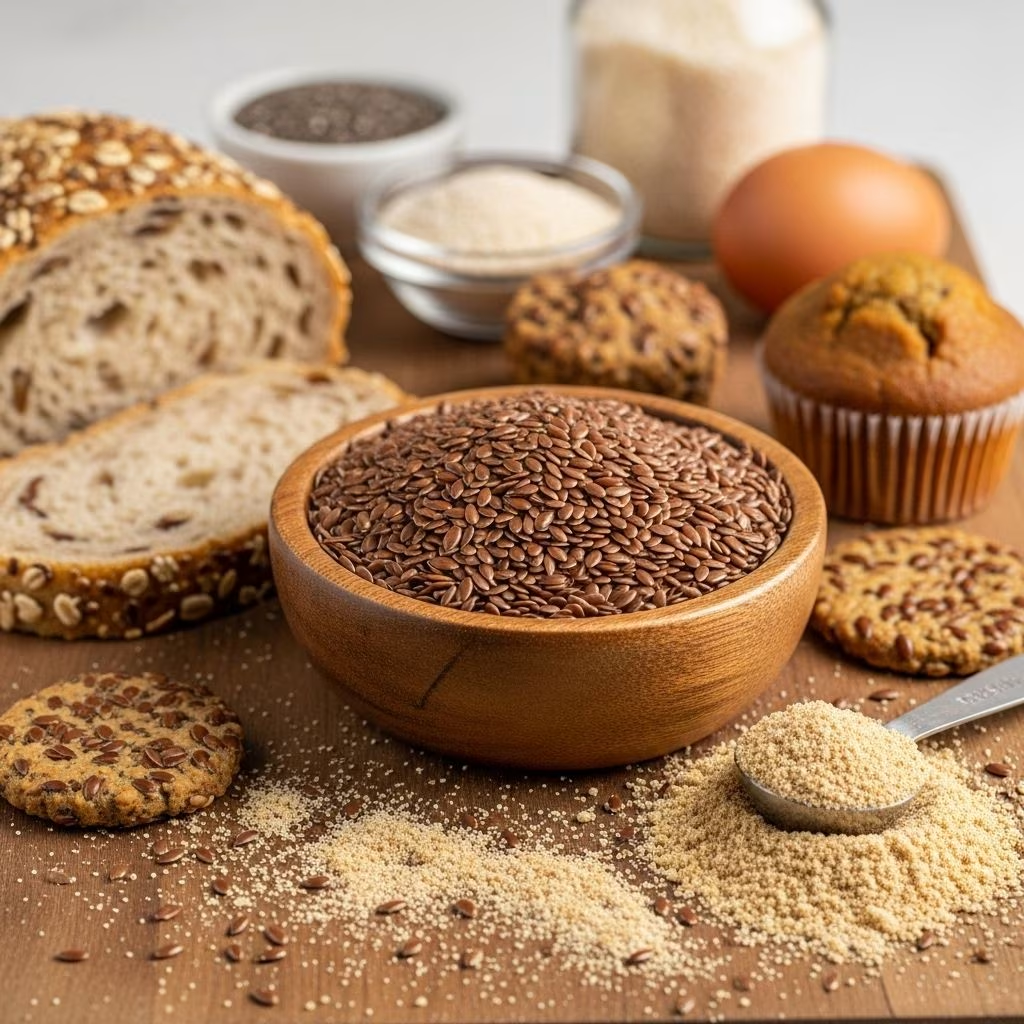
Flax seed meal has emerged as a staple in modern kitchens, prized for its nutritional profile, versatility in both traditional and plant-based baking, and capacity to serve as a substitute for common baking ingredients. This comprehensive guide explores everything you need to know about flax seed meal, from how to use it in your favorite recipes to its profound health benefits.
What is Flax Seed Meal?
Flax seed meal is made by grinding whole flax seeds into a fine powder. This process not only makes the nutrients in flax seeds more bioavailable but also creates a versatile ingredient that can be seamlessly incorporated into a wide range of recipes, especially baked goods. Flax seed meal has a mildly nutty flavor that complements both sweet and savory dishes without overpowering them.
Nutritional Profile of Flax Seed Meal
Flax seed meal is valued for its outstanding nutritional composition. Just one tablespoon (about 7 grams) provides a remarkable blend of:
- Dietary fiber: Both soluble and insoluble fibers support digestive health and help with satiety.
- Alpha-linolenic acid (ALA): A plant-based omega-3 fatty acid with heart-healthy benefits.
- Plant protein: Essential for muscle maintenance and repair, especially for plant-based diets.
- Lignans: Potent phytonutrients with antioxidant and estrogenic properties.
- Micronutrients: Offers minerals such as magnesium, phosphorus, copper, and manganese.
| Nutrient (per 1 tbsp, ~7g) | Approximate Amount |
|---|---|
| Calories | 37 kcal |
| Protein | 1.3 g |
| Fat (Total) | 3 g |
| Omega-3 (ALA) | ~1.5 g |
| Dietary Fiber | 2 g |
| Lignans | 30–75 mg |
This nutritional profile highlights why flax seed meal is a favorite among nutritionists, especially for those seeking to boost their intake of fiber and plant-based omega-3s.
How Is Flax Seed Meal Made?
To make flax seed meal, start with whole flax seeds (brown or golden varieties). Grind them in a spice mill, blender, or coffee grinder until a fine meal is achieved. Commercially available flax seed meal is usually made from cold-milled flax seeds, a process that helps preserve the oils and nutritional value. It’s important to note that whole flax seeds often pass undigested through the digestive tract, so grinding is essential for nutrient absorption.
Baking Uses of Flax Seed Meal
Flax seed meal has become indispensable in contemporary baking, thanks to its versatility, subtle flavor, and robust nutritional boost. Key ways to use flax seed meal in baking include:
- As an egg substitute: A boon for vegan or egg-free recipes.
- As a fat substitute: Reduce total fat content in recipes while retaining moisture.
- Enhancing texture and nutrition: Adds moisture, tenderness, and a mild nutty depth to baked goods.
- Binding agent: Helps hold together ingredients in everything from bread to cookies.
- In gluten-free baking: Vital for structure and texture when working with gluten-free flours.
Baking Applications
- Breads (loaf, sandwich, quick bread)
- Muffins and cupcakes
- Pancakes and waffles
- Cookies and brownies
- Crackers and snack bars
Because its flavor is subtle, flax seed meal can be added to most recipes without noticeably changing the taste, making it easy to boost nutrition quietly.
Flax Seed Meal as a Substitute
Flax seed meal’s gel-forming ability makes it a versatile substitute for common baking ingredients. Here’s how it stacks up:
Table: How to Substitute with Flax Seed Meal
| Ingredient Replaced | How to Substitute | Best Use Cases | Notes |
|---|---|---|---|
| Eggs | Mix 1 tbsp flax seed meal with 3 tbsp water per egg; let sit 5–10 mins | Cookies, brownies, muffins, quick breads | Best for moisture/binding, not volume (won’t whip like egg whites) |
| Fat (oil/butter) | Replace each tbsp fat with 3 tbsp flax seed meal; or substitute up to 50% of fat with flax meal + water | Dense cakes, muffins, quick breads | May yield denser, chewier crumb and browns faster |
| Flour | Replace up to 20% of total flour with flax meal in recipes | Pancakes, muffins, whole grain baked goods | Boosts fiber and fatty acids; too much may impair rise or texture |
| Xanthan Gum | 1:1 swap in gluten-free baking | Gluten-free breads, muffins | Adds moisture and binds ingredients |
Limitations
- Flax seed meal egg substitutes are not recommended for recipes requiring significant lift or foaming (e.g., soufflés or meringues).
- Fat substitution can make baked goods denser; consider combining with part traditional fat for better texture.
Practical Tips for Baking with Flax Seed Meal
- Always use ground flax seed meal—whole seeds are not digested efficiently and will not serve as a good substitute or binder.
- For maximum freshness and nutrient retention, store flax seed meal in an airtight container in the refrigerator or freezer.
- Start by substituting a small portion of flour or fat with flax meal, then increase as you become familiar with its properties.
- Avoid overmixing batters when using flax meal; its gels can cause baking batters to become gummy or tough if over-handled.
- Flax meal speeds up browning—watch for doneness a few minutes earlier when substituting for fats.
Popular Recipes Using Flax Seed Meal
Flax seed meal works well in an array of baked recipes, both sweet and savory. Here’s a quick look at favorite applications:
- Flaxseed Muffins: Combine whole wheat pastry flour, ground flax, leaveners, oil, yogurt, sweetener, and berries for a moist, fiber-packed breakfast option.
- Banana or Zucchini Bread: Add flax meal for moisture and nutrition boost.
- Chocolate Brownies and Cookies: Use flax eggs for a plant-based twist.
- Burger Patties or Veggie Meatballs: Acts as a binder to hold ingredients together.
- Pancakes & Waffles: Sub in flax seed meal for a nutty flavor and improved texture.
Flax meal’s versatility makes it a go-to for bakers seeking nutrition, allergy-friendly substitutes, and improved moisture retention.
Sample Recipe: Flaxseed Muffins
- 2 cups whole wheat pastry flour
- 1/4 cup ground flax seed meal
- 1.5 tsp baking powder
- 1/2 tsp baking soda
- 1/2 tsp salt
- 1/4 cup olive oil or neutral oil
- 1/2 cup brown sugar
- 2 eggs (or flax eggs for vegan)
- 1/4 cup milk or plant-based milk
- 1 tsp vanilla
- 3/4 cup yogurt
- 1 cup blueberries (or other add-ins)
Instructions: Combine dry and wet ingredients in separate bowls, mix gently together, fold in blueberries, and bake in a preheated oven at 375°F for 20–25 minutes. Cool before serving.
Storage and Freshness
Flax seed meal contains delicate oils that can oxidize and become rancid over time. For optimal quality:
- Store in a sealed container in the refrigerator for up to 3 months.
- For longer storage, keep in the freezer up to 1 year.
- Avoid prolonged exposure to air, light, and heat.
- If the meal develops an off or sour odor, discard it.
Buying whole flax seeds and grinding just before use is the best way to ensure maximum freshness and nutritional integrity.
Potential Health Benefits
Flax seed meal has garnered attention for its wide-ranging health benefits, which include:
- Supporting heart health: Rich in ALA, flax seed meal may help lower cholesterol and reduce inflammation.
- Digestive health: Its potent combination of soluble and insoluble fibers helps support smooth digestion and regularity.
- Hormonal balance: Lignans in flax have phytoestrogenic activity, potentially aiding in hormone regulation.
- Blood sugar control: Flax meal may smooth blood sugar spikes by slowing carbohydrate digestion and absorption.
- Protein source: A valuable plant-based protein addition, especially for vegetarians and vegans.
As with all superfoods, flax seed meal should be consumed as part of a balanced diet for maximum benefit.
Safety, Allergies, and Considerations
- Allergies: Flax allergies are rare but possible. Start with small amounts if you are new to flax.
- Digestive sensitivity: Its high fiber content can cause bloating or discomfort if consumed in large amounts without adequate water.
- Medication interactions: The fiber in flax may affect the absorption of some medications; consult your healthcare provider if you take medications regularly.
- Pediatric and prenatal use: Generally safe in moderate, food-level portions, but consult your doctor in case of pre-existing conditions or supplementation.
Frequently Asked Questions (FAQs)
What is the difference between whole flax seeds and flax seed meal?
Whole flax seeds pass through the digestive system largely undigested, whereas flax seed meal (ground flax seeds) allows nutrients to be absorbed and acts as a versatile baking ingredient.
Is it better to use flax seed meal or chia seeds as an egg substitute?
Both work similarly by forming a gel, but flax seed meal imparts a mild, nutty flavor, while chia is more neutral. Use whichever best matches your recipe’s taste and texture preferences.
Can flax seed meal replace wheat flour entirely in baking?
No, flax seed meal cannot replace all wheat flour due to its lack of gluten and structure-forming capacity. Use up to 20% substitution for best results in most recipes.
How long can I store flax seed meal, and how do I tell if it has gone bad?
Store it in the refrigerator for up to 3 months or freezer for up to a year. Discard if it has a bitter, sour, or rancid smell.
Are there any other uses for flax seed meal outside baking?
Absolutely. Flax seed meal can be sprinkled over smoothies, yogurt, oatmeal, or salads for added nutrition, or used as a thickener in soups and sauces.
Conclusion
Flax seed meal is a nutritious, easy-to-use ingredient that enhances baked goods with fiber, omega-3 fatty acids, and plant-based protein. Whether you are looking to add nutritional value, swap out eggs or fats, or simply experiment with new textures, flax seed meal is an invaluable addition to your culinary repertoire. With just a few tips and tricks, you can take advantage of its numerous benefits in both traditional and plant-based baking.
References
- https://chefabbiegellman.com/flaxseed-muffins/
- https://www.forksoverknives.com/how-tos/flaxseeds-benefits-how-to-eat-them/
- https://lonegoosebakery.com/baking-with-flax-seeds/
- https://www.egglesscooking.com/recipes/flaxseed-meal/
- https://www.healthyflax.org/recipes/how-to.php
- https://www.youtube.com/watch?v=29QVAJ4iSIY
- https://forum.breadtopia.com/t/flaxseed-meal-sourdough-bread/12311


