


Overview: What is Fructose?
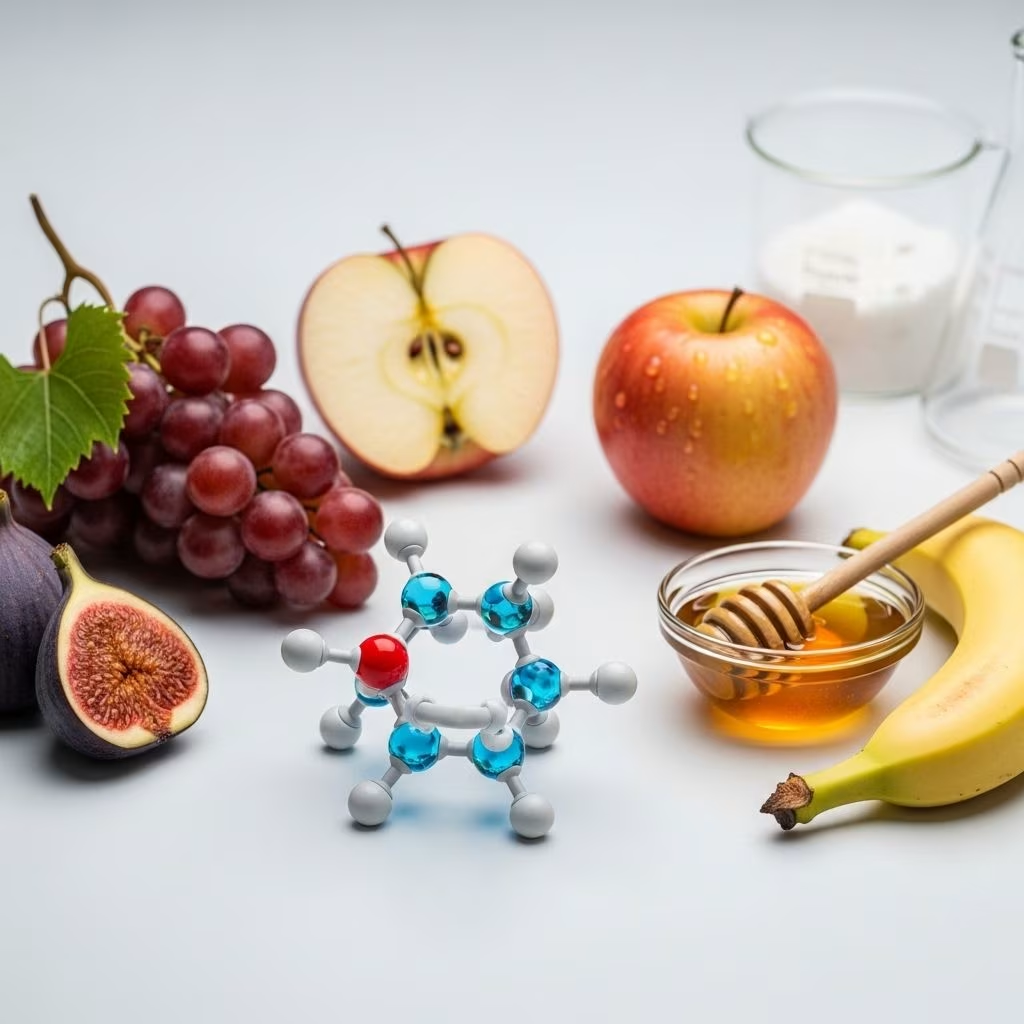
Fructose, commonly called fruit sugar, is a simple monosaccharide with the chemical formula C6H12O6. It belongs to the family of carbohydrates known as hexoses and is distinguished by a ketone functional group at the second carbon atom, classifying it scientifically as a ketohexose. Fructose is renowned for its pronounced sweetness, being the sweetest naturally occurring sugar identified. Naturally found in fruits, honey, flowers, and some vegetables, fructose plays a vital role in plant energy metabolism and in human nutrition.
The term ‘fructose’ was first introduced in the mid-19th century, but the compound has long been part of human diets via plant sources.
Chemical Structure and Properties
Fructose is a monosaccharide, meaning it is one of the simplest forms of carbohydrate. It consists of six carbon atoms, twelve hydrogen atoms, and six oxygen atoms arranged in a unique pattern that features a ketone group (at carbon 2). This distinguishes it from glucose (which has an aldehyde group).
| Parameter | Value |
|---|---|
| Chemical Formula | C6H12O6 |
| Molar Mass | 180.156 g·mol−1 |
| Melting Point | 103–105 °C |
| Density | 1.694 g/cm3 |
| Water Solubility | ~4000 g/L (at 25 °C) |
| Other Names | Fruit sugar, levulose, d-fructofuranose |
- Reducing sugar: Fructose has a reactive carbonyl group, allowing it to act as a reducing sugar in biochemical reactions.
- Stereochemistry: Fructose is optically active, often occurring as d-fructose (laevorotatory), which means it rotates polarized light to the left.
- Molecular forms: Exists predominantly in cyclic forms (fructofuranose and fructopyranose), with smaller amounts in its open-chain form.
- Chemical reactions: Undergoes processes like mutarotation, Maillard reaction, fermentation, acetylation, and alkaline degradation.
Physical Characteristics of Fructose
- Appearance: White, crystalline solid at room temperature.
- Odor: Odorless.
- Sweetness: About 1.7 times sweeter than sucrose (table sugar).
- Solubility: Highly soluble in water; forms a clear, colorless solution.
- Hygroscopicity: Absorbs moisture from the air, becoming sticky and forming hydroxymethylfurfural more slowly than other sugars.
- Melting Point: 103–105 °C.
- Crystalline Structure: The solid crystalline form is influenced by temperature and concentration during formation.
Natural Sources of Fructose
Fructose appears naturally in a variety of plant-based foods and is a constituent of many common fare:
- Fruits: Apples, pears, grapes, cherries, mangoes, berries, and more.
- Honey: Major sugar component, along with glucose.
- Rooted vegetables: Sweet potatoes, carrots, onions.
- Flowers and nectar: Fructose is present as a result of plant photosynthesis and carbohydrate metabolism.
- High-fructose corn syrup (HFCS): Industrially produced from corn starch and commonly used as a sweetener in processed foods and beverages.
It is important to note that sucrose (table sugar) is a disaccharide composed of one molecule each of glucose and fructose. When ingested, enzymes split sucrose into its components for absorption.
Health Benefits of Fructose
Fructose is a natural sugar that supports various metabolic and energetic processes. When consumed in moderation—primarily through whole fruits and vegetables—fructose provides several health benefits:
- Rapid energy source: As a simple sugar, fructose is quickly absorbed and can provide a quick energy boost, especially for athletes or during intense physical activity.
- Low glycemic index: Fructose has a lower glycemic index than glucose and sucrose, meaning it causes a slower rise in blood sugar levels after consumption.
- Antioxidants: Fruits rich in fructose also provide vitamins, minerals, and antioxidants that help combat oxidative stress and support immunity.
- Promotes hydration: Naturally sweet fruits are high in water and electrolytes, aiding in hydration.
- Satiety and dietary fiber: Foods containing fructose are often rich in dietary fiber, which helps maintain fullness and support digestive health.
Note: Most studies link the benefits of fructose to its presence in whole fruits and vegetables, not processed foods containing high-fructose sweeteners.
Dietary Role and Digestion
- Absorption: Fructose is absorbed directly into the bloodstream via the small intestine, independent of insulin.
- Metabolism: After absorption, fructose travels to the liver, where it is converted into glucose, glycogen, or triglycerides, depending on the body’s energy needs.
- Dietary guidance: The World Health Organization recommends limiting intake of free sugars (added sugars and those found in syrups) to less than 10% of total daily energy intake, favoring sources like fruits and vegetables over sweetened drinks and desserts.
Culinary and Industrial Uses of Fructose
Fructose is highly valued in the food industry due to its pronounced sweetness, solubility, and functional properties:
- Sweetener: Used to enhance flavor in beverages, preserves, cereals, yogurt, and baked goods.
- High-fructose corn syrup (HFCS): Common in sodas and processed snacks; HFCS is enzymatically converted from corn starch to create a liquid mixture of free glucose and fructose.
- Maillard reaction participant: Fructose is more reactive than glucose in the Maillard reaction (browning with amino acids), leading to complex flavor and aromatic changes in cooked foods.
- Fermentation: Used in brewing and distillation to produce ethanol and carbon dioxide (as in beer, wine, and spirits manufacturing).
- Caramelization: Fructose can undergo caramelization, creating flavor and color in confectionery and baked goods.
Taste and Sweetness Profile
Fructose is the gold standard for sweetness among natural sugars, with several distinctive sensory attributes:
- Intensity: About 1.7 times sweeter than table sugar (sucrose), enabling manufacturers to use less for the same perceived sweetness.
- Mouthfeel: Provides a smooth, lingering sweetness without the ‘throat burn’ sometimes associated with artificial sweeteners.
- Flavor enhancement: Fructose’s ability to dissolve quickly and blend with other flavors makes it ideal for balancing sour and bitter notes in foods and beverages.
- Temperature sensitivity: Sweetness intensity increases at lower temperatures, making fructose especially suited for cold drinks and ice cream.
In culinary applications, fructose is favored not only for its sweetness but also its impact on flavor development through chemical reactions during cooking.
Comparison: Fructose vs Glucose vs Sucrose
While fructose, glucose, and sucrose are commonly encountered in both natural and processed foods, they differ significantly in chemical structure, sweetness, and health implications. The table below highlights essential differences:
| Property | Fructose | Glucose | Sucrose |
|---|---|---|---|
| Type | Monosaccharide (ketohexose) | Monosaccharide (aldohexose) | Disaccharide (glucose + fructose) |
| Chemical Formula | C6H12O6 | C6H12O6 | C12H22O11 |
| Functional Group | Ketone | Aldehyde | N/A (glycosidic bond) |
| Sweetness | Highest (1.7 × Sucrose) | Less sweet than sucrose | Reference value (1.0) |
| Glycemic Index | Low | High | Medium |
| Presence | Fruits, honey, vegetables | Fruits, vegetables | Table sugar, fruits |
Fructose: Health Controversies and Concerns
While fructose in its natural form is a safe and beneficial part of the human diet, excessive intake—especially from processed sources—has raised health concerns in recent decades:
- Metabolic syndrome risk: Large amounts of industrial fructose (especially as HFCS in soft drinks) can overload liver metabolic pathways, potentially leading to increased triglyceride synthesis, fatty liver, and insulin resistance.
- Obesity and diabetes: Epidemiological studies link excessive consumption of added sugars—including fructose—to higher rates of obesity and type 2 diabetes.
- Digestive issues: In some individuals, high intake of isolated fructose may lead to digestive discomfort (bloating or diarrhea), called fructose malabsorption.
- Balance is key: Nutrition experts recommend prioritizing whole fruits and plant-based sources over sweetened drinks and processed foods.
Scientific consensus continues to favor natural dietary fructose sources while recommending moderation with added sugars.
Frequently Asked Questions (FAQs)
Q: Is fructose healthier than table sugar?
A: Fructose from whole fruits is considered healthy due to accompanying fiber and micronutrients. In excess or as a sweetener (HFCS) in processed foods, it may have negative metabolic effects.
Q: How does fructose affect blood sugar?
A: Fructose has a lower glycemic index than glucose or sucrose—so it raises blood sugar more slowly. However, it is metabolized by the liver, and excessive intake may contribute to metabolic disturbances.
Q: Can fructose cause digestive issues?
A: Some people experience bloating or diarrhea after consuming large amounts of isolated fructose, a condition known as fructose intolerance or malabsorption.
Q: What foods are naturally high in fructose?
A: Fruits (such as apples, grapes, and mangoes), honey, berries, and certain root vegetables are all naturally high in fructose.
Q: Is fructose the same as glucose?
A: No. Fructose and glucose have the same chemical formula but are structurally distinct. Fructose contains a ketone group; glucose has an aldehyde group, leading to different metabolic and taste profiles.
Q: Why is fructose used in soft drinks and processed foods?
A: Its high sweetness and solubility make fructose (often as HFCS) popular as a sweetener. It helps enhance flavor and shelf stability in processed products.
References
- https://www.geeksforgeeks.org/chemistry/fructose/
- https://byjus.com/jee/fructose-structure/
- https://www.vedantu.com/chemistry/fructose
- https://byjus.com/chemistry/fructose/
- https://www.acs.org/molecule-of-the-week/archive/f/fructose.html
- https://pubchem.ncbi.nlm.nih.gov/compound/D-fructopyranose
- https://www.alimentarium.org/en/fact-sheet/fructose
- https://allen.in/jee/chemistry/fructose-structure


