


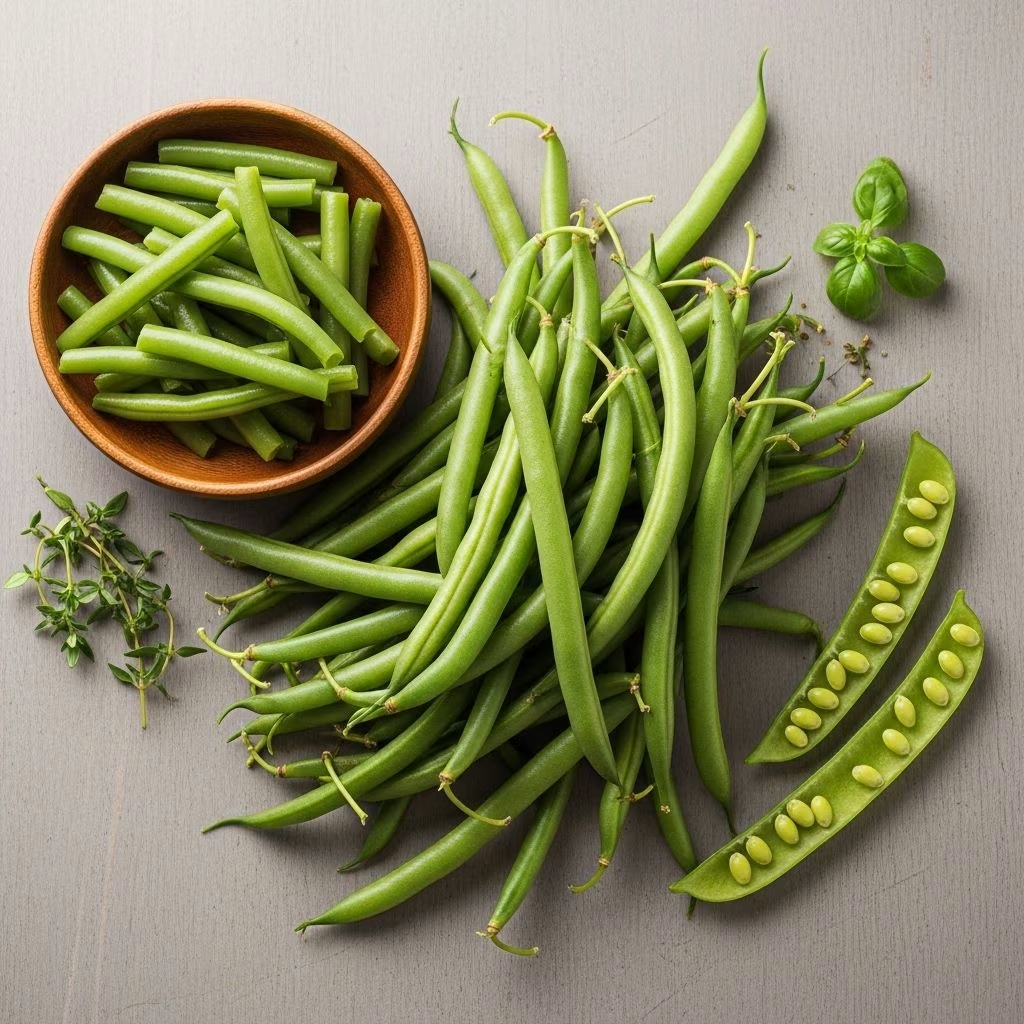
French beans, also widely known as green beans, string beans, or snap beans, are a popular legume enjoyed in cuisines worldwide. With a crisp texture and mild flavor, these slender green pods offer remarkable versatility in the kitchen and come packed with valuable nutrients. This guide covers their nutrition profile, health benefits, culinary uses, and distinctive taste, helping you make the most of this everyday superfood.
Introduction: What Are French Beans?
French beans (scientific name: Phaseolus vulgaris) are the unripe, young pods of the common bean plant. While typically green, they can occasionally be yellow (known as wax beans) or even purple—though the classic variety is green.
These beans are called by a variety of other names around the world, including:
- Green beans (most common in the US and UK)
- String beans (referring to varieties that once had a fibrous string down the seam)
- Snap beans (for the snapping sound made when broken)
Modern cultivars have largely eliminated the tough “string,” making these beans easier to eat and prepare.
French beans are one of the most frequently eaten vegetables globally, prized for their tender-crisp texture and adaptability to countless cooking methods.
Nutritional Value of French Beans
Green beans are a low-calorie, nutrient-dense vegetable, offering a diverse range of vitamins, minerals, and fiber with minimal fat or sugar content.
| Nutrient (1 cup, raw) | Amount | Daily Value (%) |
|---|---|---|
| Calories | 31 | ~2% |
| Protein | 2 g | ~4% |
| Fiber | 2.7 g (raw) 4 g (cooked) | 8–16% |
| Vitamin C | 12.2 mg | 25% |
| Vitamin A | 690 IU | 14% |
| Vitamin K | 43 mcg | 36% |
| Folate (B9) | 33 mcg | 10% |
| Calcium | 37 mg | 3% |
| Iron | 1.03 mg | 6% |
| Potassium | 211 mg | 6% |
| Magnesium | 25 mg | 6% |
| Sodium | 6.6 mg | 0% |
| Sugar | 3.6 g | – |
French beans are also rich in manganese, phosphorus, thiamin, niacin, vitamin E, and zinc in smaller amounts.
Key highlights:
- Very low in calories and fat
- Rich in dietary fiber (excellent for digestion)
- High in vitamin K and vitamin C
- Contains plant-based protein
- Offers important antioxidants, such as beta-carotene and chlorophyll
Health Benefits of French Beans
The nutrition profile of French beans translates into a wide array of evidence-backed health benefits, making them a valuable staple for various dietary patterns.
1. Support Healthy Weight Management
With only about 31 calories per cup (raw) and virtually no fat or cholesterol, French beans are an excellent choice for low-calorie diets and those seeking to maintain or lose weight. Their fiber content increases feelings of satiety, helping you feel fuller longer and reducing the likelihood of overeating.
Source: Healthline
2. Promote Heart Health
- Cholesterol-free: Green beans naturally contain no cholesterol and are low in sodium, helping to manage heart disease risk factors.
- Rich in fiber: A cup of cooked beans provides about 4g of fiber, including soluble fiber, which helps lower LDL (‘bad’) cholesterol and supports healthy blood pressure.
- Potassium and magnesium: These minerals further help regulate blood pressure.
Source: Healthline, WebMD
3. Aid Digestive Health
Dietary fiber promotes good digestive function by supporting a healthy gut microbiome, improving regularity, and relieving constipation. The combination of soluble and insoluble fiber in French beans is particularly helpful for overall gut health.
Source: SingleCare
4. Support Bone Strength
Green beans are excellent sources of vitamin K and also offer a modest amount of calcium, essential nutrients for bone formation and maintenance. Adequate intake can reduce the risk of bone diseases (e.g., osteoporosis) and fractures.
Source: WebMD
5. Improve Immune Function and Skin Health
- Vitamin C: A potent antioxidant, green beans provide roughly 25% of your daily vitamin C in just one cup. Vitamin C helps support your immune system, skin structure (collagen synthesis), and protects cells from oxidative damage.
- Vitamin A: Important for healthy vision and immune surveillance.
6. Contribute to Healthy Pregnancy and Mood
Folate (vitamin B9) is crucial for fetal growth and reducing the risk of birth defects in pregnancy, and supports the synthesis of neurotransmitters involved in mood regulation and sleep.
Source: WebMD
7. Supply Plant-Based Iron for Energy
French beans offer a modest, but valuable, amount of iron—important for red blood cell formation, oxygen transport, and energy levels. While iron from plants is less efficiently absorbed than from animal sources, consuming green beans with vitamin C-rich foods enhances iron uptake.
Source: WebMD
8. May Offer Anti-Cancer Properties
Green beans contain chlorophyll and various plant polyphenols, which may have anti-cancer properties, although much clinical evidence is based on animal studies. Ongoing research is investigating these potentials.
Source: WebMD
Culinary Uses and Preparation Methods
French beans are among the most versatile vegetables in any cook’s arsenal, lending themselves well to a wide range of dishes, from simple sides to elaborate entrées. They can be consumed cooked or raw, depending on preference and recipe requirements.
Common Cooking Methods
- Steaming or Boiling — Retains most nutrients and results in a bright green, tender-crisp bean.
- Stir-frying or Sautéing — Enhances flavor with slight browning; commonly used in Asian and Western recipes.
- Blanching — Briefly boiling, then shocking in ice water; commonly used as prep for salads or freezing.
- Roasting — Intensifies natural sweetness and delivers a caramelized, slightly nutty flavor.
- Canning or Pickling — Preserves beans for long-term storage and creates tangy, crunchy snacks.
- Eating Raw — Washed and trimmed green beans can be consumed as a crunchy snack or fresh salad addition.
Popular Dishes Featuring French Beans
- Green bean casserole (popular in North America, especially during holidays)
- Salade niçoise (French salad with boiled beans, potatoes, tuna, and eggs)
- Stir-fried green beans (often with garlic, ginger, or soy sauce in Asian cuisines)
- Mixed vegetable medleys or sautés
- Indian-style sautéed beans with spices
Preparation Tips
- Trim ends: Use a knife or snap off the tough stems at both ends of each bean, if present.
- Rinse thoroughly: Always wash beans under running water to remove soil or residues.
- Don’t overcook: Overcooking leads to a mushy texture and faded color; aim for a vibrant green and crisp-tender result.
Taste and Texture
French beans are appreciated for their mild, slightly sweet, earthy flavor. Their hallmark is a firm yet tender bite, with a characteristic “crunch” when fresh and properly cooked. Unlike mature beans, French beans are harvested before the seeds fully develop, resulting in a thin, edible pod that lacks toughness or strong flavors.
- Raw French beans: Crisp, juicy, and subtly grassy
- Lightly cooked: Retain slight crunch, with enhanced sweetness and a fresh, vegetal taste
- Well-cooked: Softer, milder, and sometimes slightly nutty, but may lose flavor if overcooked
Seasonings and ingredients like garlic, lemon, herbs, butter, or spices easily complement their delicate flavor.
Buying, Selection, and Storage Tips
To enjoy optimal taste and nutrition, it’s important to choose high-quality French beans and store them correctly.
How to Select Fresh French Beans
- Look for bright green, smooth pods that snap easily when bent.
- Avoid beans that are limp, have brown spots, or feel woody.
- Choose beans of uniform size for even cooking.
Storage Tips
- Store unwashed beans in a plastic bag in the refrigerator’s crisper drawer.
- Use within 5–7 days for best flavor and texture.
- To freeze, blanch beans for 2–3 minutes, plunge in ice water, drain, and pack into airtight containers or bags.
Precautions and Considerations
While French beans are safe for most people, there are a few considerations:
- Vitamin K: High levels can interact with blood-thinning medications (such as warfarin). Consult your healthcare provider if you take these medicines.
- Lectins: Raw green beans contain natural lectins which can cause digestive discomfort; thorough cooking neutralizes most lectins.
- Phytic acid: Present in beans, may reduce absorption of some minerals if consumed in very large quantities, though it’s rarely a concern in a balanced diet.
- Canned beans: Often contain added salt; rinse well or choose no-salt-added varieties to manage sodium intake.
Frequently Asked Questions (FAQs)
Q: Are French beans the same as green beans?
A: Yes, French beans and green beans are different names for the same legume, with “French bean” sometimes reserved for thinner, more tender varieties.
Q: Are green beans a good source of protein?
A: Green beans contain modest protein (about 2g per cup), but they aren’t a major protein source. They offer more fiber, vitamins, and minerals than protein.
Q: Can you eat French beans raw?
A: Yes, French beans can be eaten raw as a snack or salad ingredient, though thorough washing and trimming is essential. Cooking is recommended if you experience digestive discomfort.
Q: Do green beans cause gas or bloating?
A: Green beans are generally well-tolerated and lower in certain fermentable carbohydrates compared to other beans, making them less likely to cause digestive upset.
Q: Are green beans good for people with diabetes?
A: Yes, due to their low glycemic index, fiber content, and minimal sugars, green beans can be a valuable vegetable for blood sugar control in diabetes management.
Q: What are some ways to enhance the flavor of French beans?
A: Sautéed with garlic and olive oil, tossed in lemon juice, sprinkled with toasted almonds, or combined with spices like cumin—a variety of methods can elevate green beans’ mild flavor.
Key Takeaways
- French beans (green beans) are a nutritious, fiber-rich, low-calorie vegetable enjoyed both raw and cooked worldwide.
- They provide generous vitamin C, K, folate, and essential minerals for heart, bone, digestive, and immune health.
- Versatile and easy to prepare, French beans adapt to almost any culinary tradition and pair well with a wide array of flavors.
- They have a mild, fresh taste and delicate crispness that makes them appealing for all ages and most dietary needs.


