


Introduction
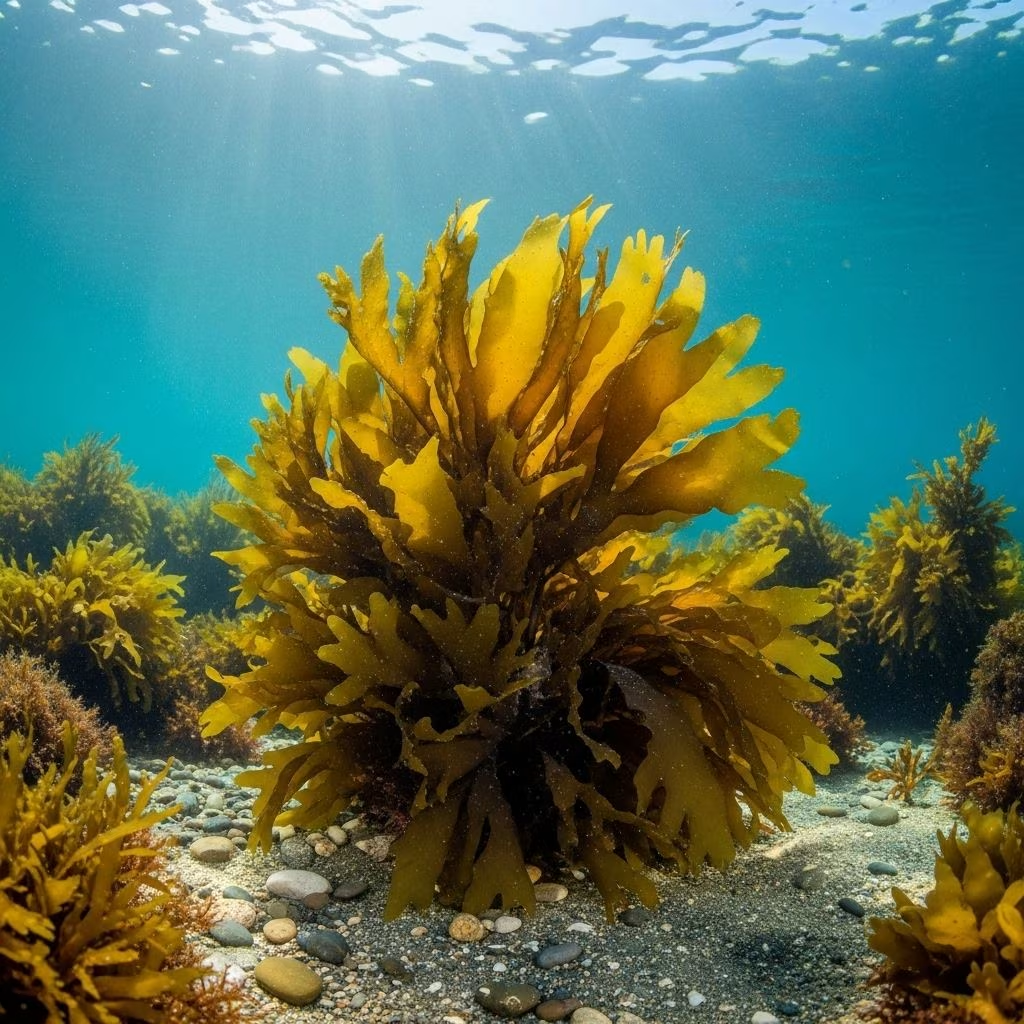
Fucus vesiculosus, commonly known as bladderwrack, is a type of brown seaweed found predominantly along the rocky coastlines of the North Sea, Western Baltic Sea, Atlantic, and Pacific Oceans. It has been an integral part of marine ecosystems and human herbal medicine for centuries. Modern research continues to unveil its nutritional, therapeutic, and functional value.
Botanical Profile and Natural Habitat
Belonging to the family Fucaceae and order Fucales, Fucus vesiculosus is recognizable by its olive-green to dark brown fronds featuring distinctive paired air bladders along the midrib, which aid buoyancy and are the source of its common name bladderwrack. Mature fronds typically measure 20 to 59 cm long but can reach up to 2 meters (6.5 feet) in ideal, sheltered sites. The fronds attach to rocks via a discoid holdfast, and the branching structure is dichotomous.
- Key regions: British Isles, Baltic Sea, North Sea, Atlantic coasts of Europe and North America, Canary Islands, Morocco, Madeira.
- Preferred habitat: Middle littoral to lower intertidal zones of rocky shores, especially in sheltered environments with moderate water movement.
- Distinguishing features: Prominent midrib, smooth frond margin, spherical air bladders, leathery texture.
Historical Significance and Human Use
Bladderwrack’s historical legacy is deeply rooted in both marine ecology and traditional medicine:
- Source of Iodine: In 1811, Fucus vesiculosus was discovered as the original source of iodine, a breakthrough for treating goitre (thyroid enlargement due to iodine deficiency).
- Traditional Medicine: Used for centuries in folk remedies for thyroid problems, obesity, rheumatism, and skin conditions.
- Ecological role: Provides shelter for marine organisms such as tube worms (Spirorbis spirorbis), surface-grazing snails (Littorina obtusata), and herbivorous isopods (Idotea). The seaweed has developed chemical defenses like phlorotannins and galactolipids against herbivores.
Nutritional Content and Phytochemistry
Fucus vesiculosus is valued for its unique composition of micronutrients, macronutrients, and bioactive compounds:
- Iodine: High levels, a key element for thyroid function and metabolism regulation.
- Minerals: Rich in potassium, calcium, magnesium, iron, and zinc.
- Vitamins: Contains B vitamins, vitamin C, and vitamin E.
- Dietary Fiber: Includes alginates and fucoidan, supporting gut health and digestion.
- Phlorotannins: Polyphenol compounds with antioxidant, anti-inflammatory, and herbivore-deterring actions.
- Fucoidan: A sulphated polysaccharide with research-backed anti-viral and anti-cancer properties.
- Omega-3 Fatty Acids: Present in smaller amounts, contributing to anti-inflammatory effects.
The combined nutritional profile makes bladderwrack an appealing ingredient in superfood blends, vegan diets, and natural supplements.
Health Benefits and Medicinal Use
Bladderwrack has been studied in traditional use and modern research for its potential health benefits. The most widely recognized claims include:
- Thyroid Health: The high iodine content supports healthy thyroid hormone production, which regulates metabolism, energy, and growth. Historically, bladderwrack was prescribed for hypothyroidism and goitre. Note: Those with hyperthyroidism or thyroid medication should consult with medical professionals before supplementation.
- Anti-inflammatory Effects: Phlorotannins and fucoidan contribute to inflammation reduction, potentially supporting joint health and reducing symptoms of arthritis.
- Antioxidant Protection: Polyphenols and vitamins help neutralize free radicals, offering cell-protective benefits against oxidative stress.
- Weight Management: Traditionally used to boost metabolism and aid weight reduction by regulating thyroid activity and promoting satiety due to fiber content.
- Digestive Health: Alginate fiber may soothe the gut lining and aid regularity, while fucoidan may help maintain microbiome balance.
- Immune Support: Fucoidan may stimulate immune function, enhancing defense against pathogens.
- Skin Care: Used externally for its anti-inflammatory properties, soothing eczema, acne, and wounds. Topical bladderwrack extracts are found in skin creams and spa wraps.
While the above claims are supported by traditional use and some modern studies, more clinical trials are needed for definitive claims on certain benefits, especially for chronic diseases.
Common Uses in Food, Supplements, and Industry
Bladderwrack is versatile and widely utilized in food, beverages, health supplements, and various industrial applications:
- Dietary Supplement: Available in powder, capsule, tincture, and extract forms, used for its iodine and antioxidant content.
- Functional Foods: Added to nutrition bars, smoothies, teas, seasoning blends, salads, and vegan seafood alternatives.
- Alginate Production: The alginate extracted from bladderwrack is widely used as a thickener, gelling agent, and stabilizer in the food, pharmaceutical, and cosmetic industries.
- Cosmetic Products: Present in skin care creams, lotions, bath and body products for anti-aging, soothing, and hydrating effects.
- Traditional Herbal Remedies: Used in teas and decoctions for natural detoxification and wellness.
Bladderwrack is generally consumed in small amounts, often as part of blends with other sea vegetables for enhanced nutrient diversity.
Taste, Culinary Applications, and Preparation
Bladderwrack has a distinctive taste profile that sets it apart from other seaweeds:
- Flavor: The taste is salty, briny, and somewhat fishy with earthy undertones. Some describe nuances of mineral-rich umami and mild bitterness.
- Texture: When fresh, it is crunchy and leathery; after drying, it can be chewy or brittle, depending on preparation.
- Aroma: A marine scent reminiscent of ocean breeze and tidepools.
Common culinary uses include:
- Added to salads for crunch and flavor
- Used as a seasoning or flavoring in soups, stews, and broths
- Substituted for salt or soy sauce in vegan dishes
- Infused in teas for a subtle marine note
- Ground into powder for smoothies and dressings
To prepare, bladderwrack can be soaked, steamed, lightly boiled, or consumed raw (well-washed). Drying and powdering allow for longer shelf life and convenient use in recipes.
| Form | Culinary Use | Description |
|---|---|---|
| Fresh Fronds | Raw, salads, pickled | Crunchy with pronounced marine flavor |
| Dried | Soups, seasoning, tea | Chewy or brittle, concentrated taste |
| Powder | Smoothies, supplements | Easily mixes, mild flavor |
| Extracts | Beverages, skin care | Potent, for functional uses |
Potential Side Effects and Safety Considerations
Bladderwrack is generally considered safe when consumed moderately. However, certain precautions should be noted:
- Excess Iodine: High doses may aggravate thyroid disorders, particularly in individuals with hyperthyroidism or those on thyroid medication.
- Heavy Metals: Seaweeds can absorb pollutants such as arsenic, mercury, and cadmium from their environment; responsible sourcing and testing are important.
- Allergic Reactions: Rare, but possible in those with seaweed sensitivities.
- Pregnancy and Children: Supplementation should only be under healthcare recommendation, due to variable iodine content.
Consult with a healthcare professional before adding bladderwrack or other seaweeds to your routine, especially if you have preexisting thyroid or metabolic conditions.
Harvesting, Sustainability, and Environmental Impact
Harvesting Fucus vesiculosus is regulated in many regions to ensure ecological balance and seaweed bed health:
- Harvesting Methods: Hand-picked from rocks or sustainable cultivation practices; over-harvesting can disrupt local habitats and biodiversity.
- Ecological Role: Key canopy species that protects smaller marine organisms, stabilizes shorelines, and prevents erosion.
- Sustainability: Many sustainable brands participate in certified organic and environmentally friendly coastal management.
When purchasing bladderwrack, choose suppliers who offer quality assurance and ecological transparency.
Frequently Asked Questions (FAQs)
Q: What makes Fucus vesiculosus different from other seaweeds?
A: Its distinctive paired air bladders on either side of the midrib, high iodine content, and unique phytochemistry set it apart from related species like kelp or dulse.
Q: Can bladderwrack be consumed raw?
A: Yes, fresh bladderwrack can be washed and consumed raw but is more often dried, powdered, or cooked to enhance digestibility and reduce microbial risk.
Q: Is bladderwrack safe for everyone?
A: Most healthy adults can safely consume small amounts, but those with thyroid disorders, children, and pregnant women should seek professional advice due to variable iodine content and risk of contaminants.
Q: What are the best ways to include bladderwrack in my diet?
A: Add to salads and soups, use powdered in smoothies, sprinkle as seasoning, or brew as part of herbal teas for a nutritional boost and distinct taste.
Q: Is bladderwrack vegan and gluten-free?
A: Yes, bladderwrack is a vegan, gluten-free sea vegetable, suitable for plant-based and restrictive diets.
Conclusion
Fucus vesiculosus combines nutritional richness, historical value, and culinary versatility. Whether sought for its health benefits, unique taste, or ecological importance, bladderwrack remains one of the most notable seaweeds with an enduring legacy in both wellness and gastronomy.
References
- https://en.wikipedia.org/wiki/Fucus_vesiculosus
- https://seaveg.com/pages/what-is-bladderwrack
- https://www.marlin.ac.uk/species/detail/1330
- https://pmc.ncbi.nlm.nih.gov/articles/PMC8954510/
- https://www.rxlist.com/supplements/fucus_vesiculosus.htm
- https://pmc.ncbi.nlm.nih.gov/articles/PMC10057128/
- https://fiveable.me/key-terms/microbio/fucus


