


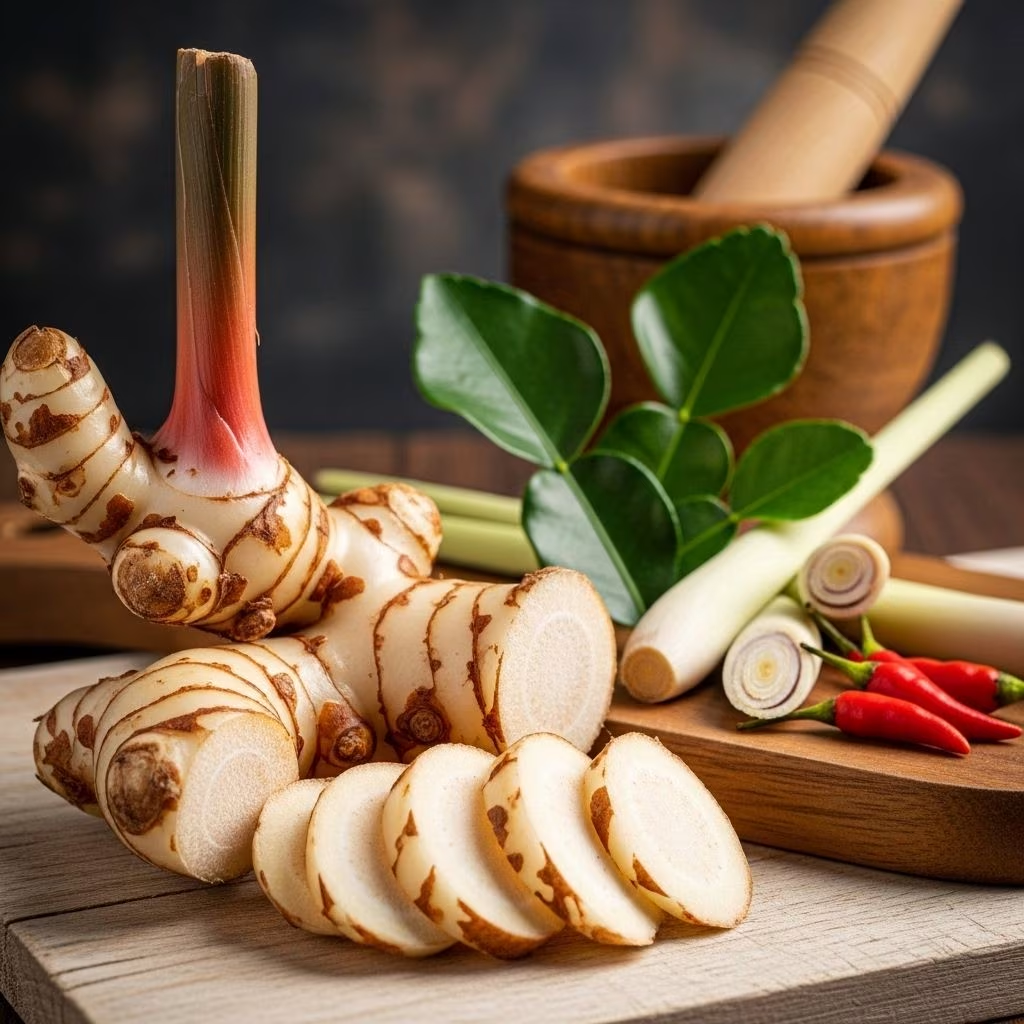
Galangal root, a staple in Southeast Asian cuisine and traditional medicine, has intrigued culinary enthusiasts and herbalists for centuries. With its vibrant aroma, robust flavor, and reputed medicinal properties, galangal stands out among the world’s most celebrated roots. This guide offers an in-depth look at galangal root, detailing its origins, varieties, health benefits, culinary uses, and how it diverges from similar rhizomes like ginger and turmeric.
What Is Galangal Root?
Galangal root is the aromatic underground stem (rhizome) of several species in the Zingiberaceae (ginger) family, with origins in Southeast Asia, particularly Indonesia and Malaysia. The root is renowned for its culinary and medicinal applications, featured widely in Thai, Indonesian, and Malaysian dishes as well as traditional Ayurvedic and Chinese remedies.
Galangal’s rhizomes appear sand-colored with earth-tone rings, and dense ivory to yellow flesh. The external texture can range from relatively smooth to knobby and fibrous, depending on age and species. Its distinctive aroma and robust flavor make it an indispensable ingredient in many Southeast Asian recipes and herbal preparations.
Varieties of Galangal
The term “galangal” refers primarily to four species, each with unique characteristics:
- Greater Galangal (Alpinia galanga): Known as lengkuas or Siamese ginger, this is the most widely used galangal in culinary applications. It is large, light-colored, and has a milder taste.
- Lesser Galangal (Alpinia officinarum): Smaller and thinner, with a reddish-brown skin and a sharper, more medicinal taste.
- Chinese Ginger/Fingerroot (Boesenbergia rotunda): Sometimes called “krachai,” this variety is used more in medicinal contexts and specific regional cuisines.
- Sand or Black Galangal (Kaempferia galanga): Known as kencur, frequently utilized in Indonesian spices and herbal medicine.
In most grocery stores and culinary references, “galangal root” typically refers to the greater or lesser galangal.
Galangal vs. Ginger vs. Turmeric
| Attribute | Galangal | Ginger | Turmeric |
|---|---|---|---|
| Family | Zingiberaceae | Zingiberaceae | Zingiberaceae |
| Appearance | Light brown, tough, knobby; ivory/yellow flesh | Beige, smooth or fibrous; yellow interior | Yellow-orange skin and flesh |
| Flavor Profile | Pine, citrus, floral, creamy heat | Spicy, pungent, warming | Earthy, slightly bitter, musky |
| Common Use | Thai, Indonesian cuisine; medicinal | Global cuisine; medicinal | Indian, Middle Eastern cuisine; medicinal |
While visually similar, galangal and ginger have distinct taste profiles, making them inappropriate substitutes in recipes where their unique flavors shine.
Flavor and Aroma Profile
Galangal root is prized for its vibrant aromatic profile. Its flavor is often described as:
- Pungent and spicy-sweet
- Earthy and woodsy
- Pronounced citrusy undertones
- Pine- and camphor-like notes
- Subtle hints of pepper and mustard
Unlike ginger’s straightforward warmth and spiciness, galangal’s flavor adds complexity and brightness to dishes. Its aroma is frequently described as floral and spicy, with both earthy and fresh pine elements.
Culinary Uses of Galangal
Galangal root is a cornerstone of Southeast Asian gastronomy, imparting vibrancy and depth to a variety of regional dishes. It is typically sliced, pounded, or grated before use, thanks to its tough and fibrous texture.
- Soups & Curries: Essential in Thai tom kha kai (coconut chicken soup), tom yum goong (hot and sour soup), Indonesian rendang, and Malaysian laksa.
- Spice Pastes: Used in curry pastes, satay marinades, and sambals.
- Stews & Braises: Provides aromatic support in Indonesian beef stews and simmered dishes.
- Herbal Teas: Sliced galangal is steeped to create fragrant, medicinal teas in traditional medicine.
- Pickles & Condiments: Occasionally used in pickled vegetables or relishes, especially in regional Asian cuisines.
Galangal is available fresh, dried, or powdered. While fresh is preferred for its robust aroma, dried slices and powders offer convenient alternatives.
Health Benefits of Galangal Root
Galangal root features prominently in Ayurvedic and traditional Chinese medicine due to its array of purported health benefits. Modern scientific studies have begun validating some of these traditional uses:
- Anti-inflammatory Properties: Active compounds in galangal, such as galangin, have demonstrated anti-inflammatory effects, potentially helping manage chronic inflammatory conditions.
- Antioxidant Activity: Rich in flavonoids and polyphenols, galangal can help protect cells from oxidative stress.
- Antimicrobial Effects: Studies suggest galangal possesses antibacterial and antifungal properties, historically used to address digestive and skin infections.
- Digestive Aid: Traditional uses include treating nausea, flatulence, indigestion, and bloating. Galangal’s carminative action soothes the stomach and supports healthy digestion.
- Potential Cancer Protective Effects: Lab studies indicate that galangal’s phytochemicals may slow the growth of certain cancer cells, though more human research is needed.
- Other Potential Benefits: Galangal has been explored for its possible effects on cholesterol, metabolic health, and cognitive function, but evidence is preliminary.
While galangal’s health benefits are promising, always consult a healthcare provider before using it as a remedy for serious health conditions.
How to Select and Store Galangal
When purchasing galangal, seek out rhizomes that are:
- Firm, taut, and heavy for their size
- Free from deep wrinkles, mold, or soft spots
- Pale cream to tan skin with pink-red streaks (on newer growth)
- Unblemished and moist inside when sliced
Storage tips:
- Wrap fresh galangal in a paper towel and refrigerate for up to two weeks.
- Freeze peeled, sliced rhizome in a sealed bag for months; grate from frozen when needed.
- Dried galangal should be kept in an airtight jar, away from heat and moisture.
- Powdered galangal loses flavor quickly; buy in small amounts and replenish often.
Substitutes for Galangal Root
If you can’t find galangal, consider these alternatives:
- Fresh Ginger: Closest in texture, but lacks galangal’s piney and citrus notes. Add a dash of lemon zest or white pepper for complexity.
- Dried Galangal: Use 1/2 to 2/3 the quantity specified for fresh, rehydrated as needed.
- Lemongrass: Works in some Southeast Asian dishes for citrus notes, but offers a much milder flavor.
- Fingerroot (Boesenbergia rotunda): Used in specialized recipes, especially in Indonesian and Thai cuisine.
Though substitutions may approximate flavor, only galangal provides the signature profile essential to authentic recipes.
Potential Side Effects and Precautions
Galangal is generally considered safe for culinary use and most healthy adults. However, consider the following precautions:
- Excessive consumption may cause mild digestive discomfort, heartburn, or skin irritation in some individuals.
- Pregnant or breastfeeding women should consult a healthcare provider before consuming large medicinal amounts.
- Individuals with gallstones, ulcers, or certain metabolic conditions should seek guidance from a qualified professional.
Always introduce new herbs and spices gradually and observe for adverse reactions, especially if you have allergies or underlying health conditions.
Frequently Asked Questions (FAQs)
Q: What does galangal root taste like?
A: Galangal root has a sharp, spicy, pine-like flavor with bright citrus and floral notes—distinctly different from ginger’s simple spiciness.
Q: Is galangal the same as ginger?
A: No, galangal and ginger are closely related but differ in taste, aroma, and culinary application. Galangal is more citrusy, piney, and floral, while ginger is spicier and warming.
Q: Can I use ground galangal instead of fresh?
A: Ground galangal can substitute for fresh in a pinch, but the flavor is milder and less complex. Adjust quantities and consider combining with ginger and a bit of lemon zest to mimic freshness.
Q: Where can I buy galangal root?
A: Galangal is available at Asian grocery stores, specialty spice shops, and some well-stocked supermarkets. Look for fresh, dried, or powdered forms depending on your recipe’s needs.
Q: What are the main health benefits of galangal root?
A: Reported benefits include anti-inflammatory, antioxidant, antimicrobial, and digestive support actions, along with traditional uses for managing nausea and infections.
Q: How should fresh galangal be prepared in recipes?
A: Peel the rhizome with a spoon or paring knife, then slice, grate, or pound it, as needed. Galangal is often used in thin slices for soups, or ground into a paste for curries.
Q: Are there any risks or allergies associated with galangal?
A: Allergic reactions are rare but possible. Consumption in moderation is advised, especially for those with underlying digestive issues.
Conclusion
Galangal root is a powerful botanical packed with culinary and medicinal heritage. Its unmistakable flavor and diverse applications make it a must-have for adventurous cooks and natural health enthusiasts. Whether simmered in a comforting soup or ground into a curry paste, galangal delivers complexity and warmth, along with a legacy reaching back through centuries of traditional medicine and global cuisine.
References
- https://naturesproduce.com/encyclopedia/galanga-root/
- https://spice.alibaba.com/spice-basics/galangal-what-is-it-and-why-you-should-care
- https://en.wikipedia.org/wiki/Galangal
- https://specialtyproduce.com/produce/Galangal_Root_618.php
- https://www.healthline.com/nutrition/galangal-root
- https://www.plantzmatter.com/post/ginger-vs-galangal
- https://www.ams.usda.gov/sites/default/files/media/Galangal%20Petition.pdf
- https://en.wikipedia.org/wiki/Alpinia_galanga


