


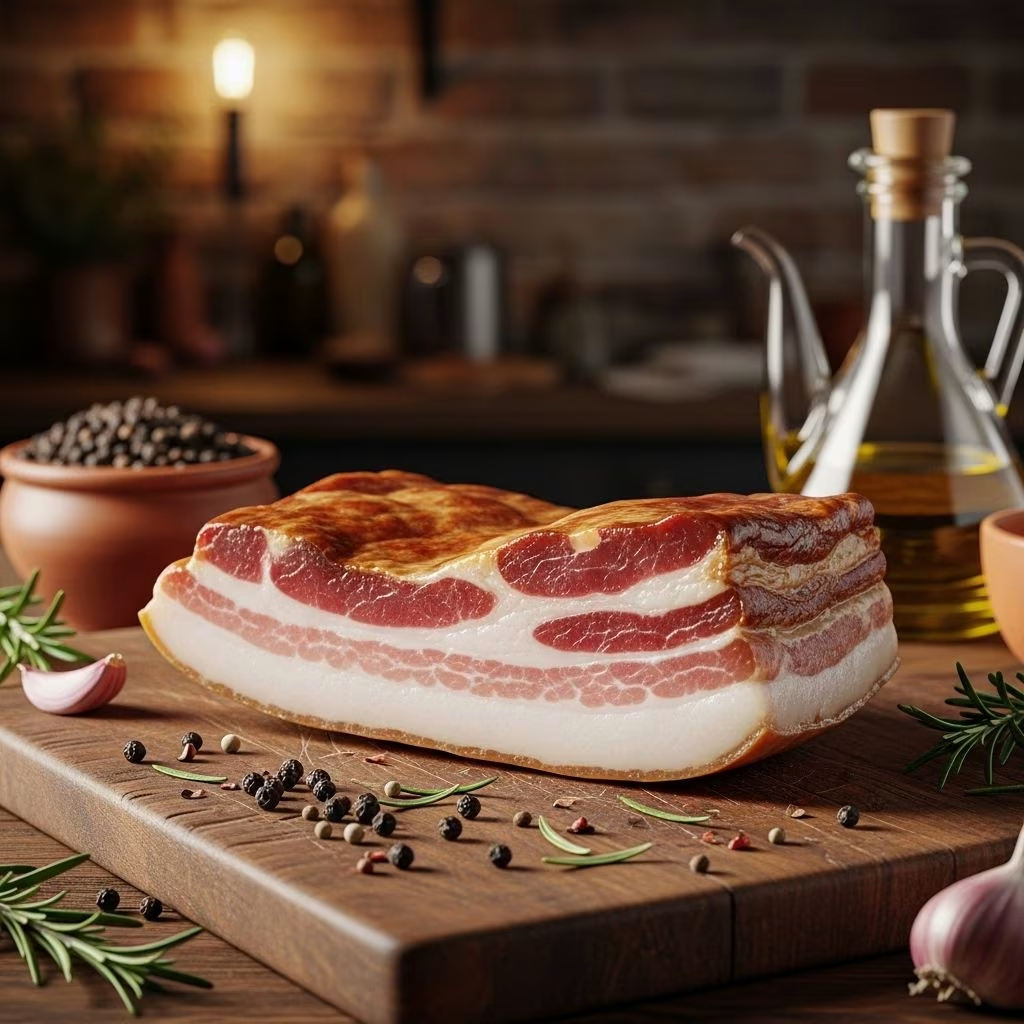
What Is Guanciale?
Guanciale represents one of Italy’s most treasured culinary secrets – a specialty cured meat that has been elevating Italian cuisine for centuries. This distinctive delicacy is crafted from pork jowl or cheek, creating a unique ingredient that stands apart from more familiar cured meats like bacon or pancetta.
The product is characterized by its triangular or rectangular shape, which naturally follows the contours of the pig’s cheek and jowl area. Unlike many other cured meats, guanciale retains its skin during the curing process, contributing to its distinctive appearance and helping preserve the meat’s moisture and flavor during the lengthy aging process.
What makes guanciale truly special is its exceptional fat-to-meat ratio. The pork cheek naturally contains beautiful marbling with generous fat distribution, creating a perfect balance that delivers both rich flavor and tender texture when cooked. This high fat content is not a flaw but rather the ingredient’s greatest strength, as it provides the luxurious, buttery quality that makes guanciale irreplaceable in traditional Italian cooking.
Origin and Etymology
The name “guanciale” derives directly from the Italian word “guancia,” which translates to “cheek” in English. This etymology perfectly captures the essence of the product, as it is indeed made from the cheek and jowl area of the pig.
Guanciale has its roots deeply embedded in the culinary traditions of central and southern Italy, particularly in the regions of Lazio, Abruzzo, and Umbria. The city of Rome, in particular, has embraced guanciale as an essential component of its iconic pasta dishes, making it integral to authentic Roman cuisine.
This cured meat represents a testament to Italian culinary ingenuity and the principle of using every part of the animal. What might be considered an unconventional cut in other cuisines becomes a celebrated delicacy in Italian hands, showcasing the Italian philosophy of transforming humble ingredients into extraordinary flavors.
How Guanciale Is Made
The production of guanciale is a time-honored process that requires patience, skill, and attention to detail. Understanding this process helps appreciate why authentic guanciale commands such respect in Italian kitchens.
Initial Preparation
The process begins with selecting high-quality pork jowls or cheeks from the pig’s head. The meat is carefully separated from the bone while keeping the natural triangular or rectangular shape intact. Importantly, the skin remains attached to the meat throughout the entire process, as it plays a crucial role in the curing and aging phases.
Salt Curing Phase
The fresh pork cheek is generously rubbed with coarse sea salt, which begins the curing process. This initial salting phase typically lasts several days, during which the salt draws out moisture from the meat and begins the preservation process. The salt curing is essential for food safety and helps concentrate the flavors.
Seasoning and Spice Application
After the initial salt cure, excess salt is carefully brushed away, and the meat is seasoned with a blend of spices. Traditional seasonings include freshly ground black pepper, red pepper flakes, fresh thyme, fennel seeds, and sometimes garlic. Some regional variations may include rosemary, coriander, or other aromatic herbs.
Aging Process
The seasoned meat is then hung in a controlled environment for aging. The minimum aging period is typically 60 days, though many producers age their guanciale for 3-6 months or even longer. During this time, the meat loses approximately 30% of its original weight through moisture evaporation, concentrating the flavors and developing the characteristic texture.
The aging environment must be carefully controlled for temperature, humidity, and air circulation to ensure proper development and prevent spoilage. This extended aging process is what transforms the simple pork cheek into the complex, flavorful delicacy that is authentic guanciale.
Taste and Texture Profile
Guanciale offers a distinctive sensory experience that sets it apart from other cured meats. Its flavor profile is complex and multifaceted, delivering both immediate impact and lingering satisfaction.
Flavor Characteristics
The taste of guanciale is intensely savory with deep, rich pork flavors that are more concentrated and complex than bacon. It delivers a perfect balance of sweet and savory notes, with the extended aging process developing subtle nutty undertones. The flavor is bold yet refined, with none of the smokiness typically associated with bacon, allowing the pure essence of the cured pork to shine through.
The fat in guanciale contributes a luxurious, buttery quality that coats the palate without being overwhelming. This richness is balanced by the seasoning spices, which add layers of aromatic complexity without masking the fundamental pork flavor.
Texture Profile
When raw, guanciale has a firm yet yielding texture, slicing cleanly when properly chilled. The high fat content gives it a slight give when pressed, indicating the quality and proper aging of the product.
When cooked, guanciale undergoes a remarkable transformation. The fat renders slowly and evenly, creating crispy edges while maintaining a tender interior. Unlike regular pork fat, guanciale’s fat retains its structure during cooking rather than completely melting away, providing textural interest and continuous flavor release throughout the eating experience.
Nutritional Benefits and Health Considerations
While guanciale is undeniably a rich, high-fat food, it offers certain nutritional benefits when consumed as part of a balanced diet and in appropriate portions.
Nutritional Profile
Guanciale is primarily composed of fat and protein, with minimal carbohydrates. A typical serving provides significant amounts of protein, essential for muscle maintenance and overall body function. The fat content, while high, includes both saturated and monounsaturated fats.
Beneficial Aspects
The curing process concentrates nutrients and creates beneficial compounds. The extended aging develops complex amino acid profiles that contribute to the umami flavor and may offer certain digestive benefits. The protein content is complete, providing all essential amino acids necessary for human health.
The traditional preparation methods, free from artificial preservatives and chemicals, mean that high-quality guanciale contains only natural ingredients: pork, salt, and spices.
Moderation and Considerations
Due to its high fat content and sodium levels from the curing process, guanciale should be consumed in moderation. However, because of its intense flavor, a little guanciale goes a long way in recipes, naturally limiting portion sizes while maximizing taste impact.
People with sodium sensitivity or cardiovascular concerns should be mindful of their intake, though the occasional enjoyment of guanciale as part of a traditional Italian dish can fit into most balanced eating plans.
Culinary Uses and Applications
Guanciale’s versatility in the kitchen extends far beyond its famous pasta applications, though it truly shines in traditional Italian preparations where its unique qualities can be fully appreciated.
Primary Cooking Methods
The most common method of using guanciale involves cutting it into cubes or strips and slowly rendering the fat in a pan. This technique creates crispy edges while releasing flavorful rendered fat that becomes the base for sauces and other preparations.
Guanciale can also be thinly sliced and eaten raw, similar to other cured meats like prosciutto. When served this way, it’s often part of an antipasto platter or used as a topping for bruschetta.
Flavor Enhancement
In cooked applications, guanciale acts as both a flavoring agent and a textural component. The rendered fat carries the meat’s complex flavors throughout other ingredients, while the crispy pieces provide bursts of concentrated taste and satisfying texture contrast.
The fat rendered from guanciale is considered liquid gold in Italian cooking, often replacing or supplementing olive oil as a cooking medium for vegetables, eggs, and other ingredients.
Classic Italian Recipes with Guanciale
Guanciale is the star ingredient in several of Rome’s most celebrated pasta dishes, where its unique qualities are essential for authentic results.
Spaghetti alla Carbonara
Perhaps the most famous guanciale preparation, carbonara relies entirely on the rendered fat from guanciale to create its signature creamy sauce. The crispy guanciale pieces provide textural contrast and intense flavor bursts throughout the silky pasta.
Bucatini all’Amatriciana
This classic Roman dish showcases guanciale alongside tomatoes and pecorino cheese. The meat’s rich flavor balances the acidity of the tomatoes while adding depth and substance to the sauce.
Pasta alla Gricia
Often called “white amatriciana,” this dish features guanciale, pasta, and pecorino cheese without tomatoes. This preparation allows the pure flavor of the guanciale to shine, supported only by the sharpness of aged pecorino and the starchy pasta water.
Beyond Pasta
Guanciale enhances vegetable dishes, particularly when sautéed with greens like spinach or broccoli rabe. It can be wrapped around asparagus spears, used in risottos, or incorporated into bean preparations where its richness complements earthy legume flavors.
Guanciale vs. Other Cured Meats
Understanding how guanciale differs from other cured meats helps cooks make informed substitution decisions and appreciate its unique qualities.
| Meat | Cut Used | Fat Content | Flavor Profile | Texture | Best Uses |
|---|---|---|---|---|---|
| Guanciale | Pork jowl/cheek | Very High | Rich, nutty, complex | Tender, renders well | Italian pasta dishes |
| Pancetta | Pork belly | High | Mild, slightly sweet | Firm, less tender | General cooking |
| Bacon | Pork belly | Medium-High | Smoky, salty | Crispy when cooked | American/British dishes |
| Prosciutto | Pork leg | Low-Medium | Delicate, sweet | Silky, melts easily | Raw consumption |
While pancetta is often suggested as a substitute for guanciale, the flavor and textural differences are significant. Guanciale’s higher fat content and more intense flavor make it irreplaceable in traditional Roman recipes where it serves as more than just a flavoring agent.
Buying and Storage Tips
Sourcing quality guanciale requires knowing what to look for and where to find authentic products.
What to Look For
Authentic guanciale should have a triangular or rectangular shape with skin intact on one side. The color should be pale to light pink with creamy white fat marbling throughout. Avoid products that appear overly red or have an artificial appearance.
Quality guanciale will have a firm texture that yields slightly to pressure. It should smell clean and appetizing, with no off odors or excessive saltiness detectable in the aroma.
Where to Buy
Specialty Italian markets and high-end delicatessens are the most likely sources for authentic guanciale. Some gourmet grocery stores carry it in their specialty meat sections. Online retailers specializing in Italian imports also offer reliable options.
Storage Guidelines
Whole pieces of guanciale should be wrapped in butcher paper or stored in the refrigerator in their original packaging. They can last several weeks when properly stored. Once cut, pieces should be wrapped tightly and used within a week for best quality.
Guanciale can be frozen, though this may slightly affect the texture. If freezing, wrap tightly and use within three months for optimal quality.
Cooking Techniques and Tips
Mastering guanciale cookery involves understanding how to properly render its fat and achieve the ideal texture and flavor balance.
Preparation Techniques
Remove the skin before cooking and cut the guanciale into cubes or strips, depending on the recipe. For pasta dishes, cubes are traditional, while strips work well for wrapping vegetables or incorporating into other preparations.
Rendering Method
Start guanciale in a cold pan without oil, allowing the fat to render slowly over medium-low heat. This gradual process ensures even cooking and prevents burning while maximizing flavor extraction. The process typically takes 8-12 minutes, resulting in crispy edges and properly rendered fat.
Temperature Control
Avoid high heat, which can cause the outside to burn before the fat properly renders. Medium-low heat allows for the controlled release of fat while developing the desired crispy texture on the meat portions.
Using Rendered Fat
The fat rendered from guanciale is flavorful and should be used as the cooking medium for other recipe components. This fat carries the complex flavors throughout the dish and creates the authentic taste profile of traditional Italian preparations.
Frequently Asked Questions
Can I substitute bacon for guanciale in pasta recipes?
While bacon can be used as a substitute, it will significantly change the dish’s flavor profile. Bacon’s smokiness and different fat content won’t produce the authentic taste of traditional Italian recipes. If substituting, use pancetta instead, though the result will still differ from the original.
Is guanciale safe to eat without cooking?
Yes, properly cured guanciale is safe to eat raw, similar to other cured meats like prosciutto or salami. The curing and aging process makes it safe for direct consumption. However, most recipes call for cooking it to render the fat and develop crispy textures.
How long does guanciale last in the refrigerator?
Whole, unopened guanciale can last 3-4 weeks in the refrigerator when properly stored. Once cut, use within one week for best quality. Always check for any off odors or unusual appearance before use.
What’s the best way to slice guanciale?
For cooking, cut guanciale into small cubes or strips while it’s cold from the refrigerator, which makes cutting easier. Remove the skin first. For eating raw, slice very thinly with a sharp knife or meat slicer.
Does guanciale need to be cooked slowly?
Yes, guanciale benefits from slow cooking over medium-low heat. This allows the fat to render properly without burning the meat, creating the ideal texture with crispy edges and properly melted fat that flavors the entire dish.
References
- https://originimarket.com/blogs/miami-italian-market/everything-you-need-to-know-about-guanciale
- https://supermarketitaly.com/blogs/food-blog/everything-you-need-to-know-about-guanciale-and-more
- https://hansbaldauf.substack.com/p/guanciale-and-why-pork-became-so
- https://igourmet.com/blogs/gourmet-food-guide/guanciale-gourmet-guide
- https://rogerbissell.co/alike-but-not-the-same-pancetta-guanciale-bacon/
- https://www.olioandolive.com/Guanciale_Cured_Hog_Jowl_p/guanciale.htm


