


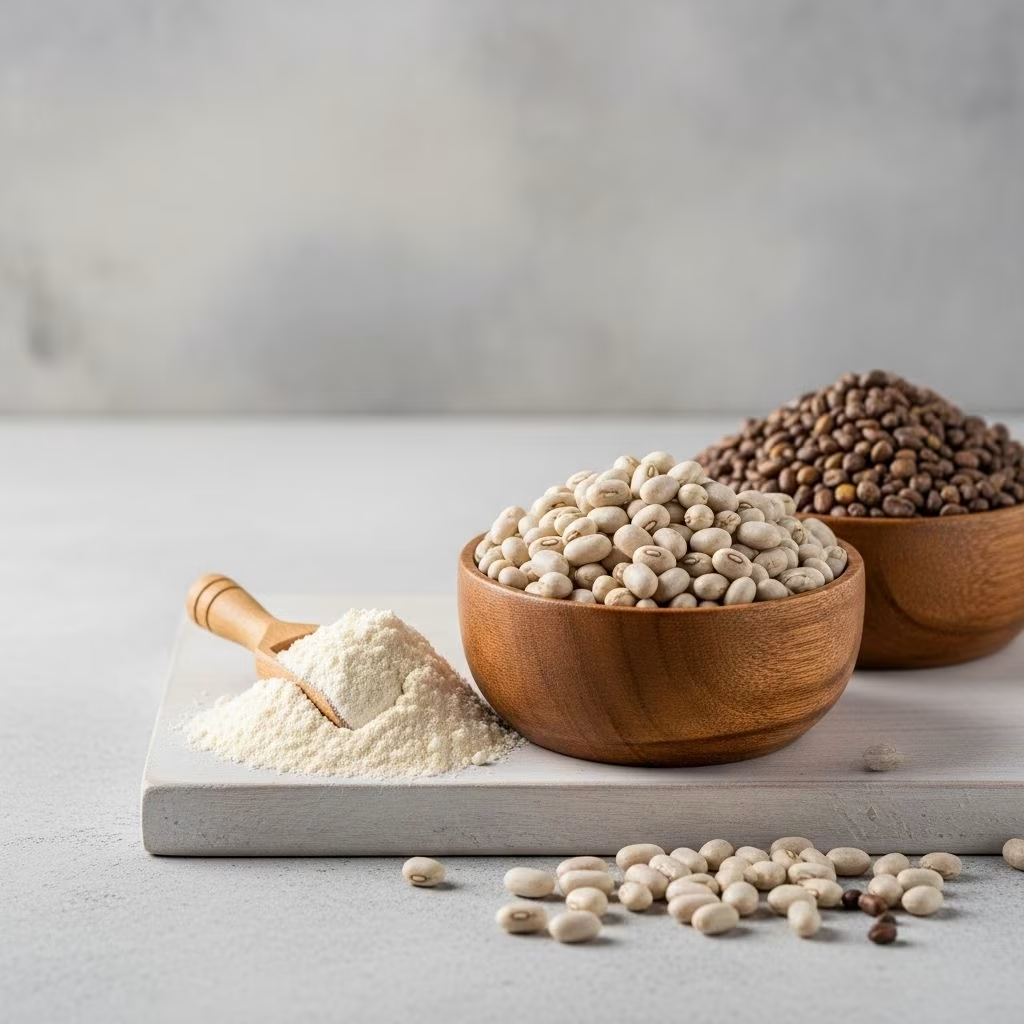
Introduction to Guar Bean
The guar bean (Cyamopsis tetragonoloba), also known as cluster bean, gavar, gawar, or guvar, is a versatile annual legume valued for its edible pods, robust nutritional profile, and its byproduct, guar gum, a key industrial ingredient. Native to semi-arid regions of India and Pakistan, guar bean is prized worldwide for applications ranging from cuisine to energy exploration, and for its powerful soil-replenishing capacity.
Botanical Background & Origin
Guar bean is botanically classified as Cyamopsis tetragonoloba. Its genus name denotes a “bean-like” appearance, and it belongs to the Fabaceae family. The exact origin of guar is shrouded in mystery—it is not found in the wild but is believed to descend from the African species Cyamopsis senegalensis. Subsequent domestication took place in South Asia, where the bean remains integral to agriculture and cuisine.
- Scientific Name: Cyamopsis tetragonoloba
- Common Names: Guar bean, Cluster bean, Gavar, Gawar, Guvar
- Plant Family: Fabaceae (Legume family)
- Native Range: India, Pakistan; introduced to the US, Africa, Australia, and beyond
Biological Characteristics
Guar beans grow upright up to 2–3 meters (7–10 feet), with a single or branched stem and elongated, oval leaves. The hairy stems and foliage are adapted to withstand drought conditions, making guar highly resilient in semi-arid climates. Flowers are typically white to bluish, forming clusters from which flat, slender pods emerge, containing 5–12 small seeds per pod.
- Growth Habit: Upright, single or multi-stemmed annual
- Height: Up to 3 meters
- Pod Length: 3–10 centimeters
- Seed Shape & Color: Oval seeds; color ranges from white, grey, black to pink
- Leaves: Elongated oval, alternate arrangement
- Root System: Deep taproot accessing soil moisture
Unique Feature: Nitrogen Fixation
Guar forms a symbiotic relationship with nitrogen-fixing rhizobia bacteria in its root system. This process enriches the soil and makes guar an important crop for sustainable agriculture and crop rotations.
Nutritional Benefits of Guar Bean
Guar beans are rich in fiber and protein, making them a nutritional addition to any diet. The green pods are eaten as a fresh vegetable, particularly in Indian cuisine, while the seeds are processed for guar gum or sprouted for added health benefits.
| Nutrient | Amount (Per 100g, approx.) | Health Benefit |
|---|---|---|
| Protein | ~3–4 g | Supports muscle growth and repair |
| Dietary Fiber | High | Improves digestion, aids satiety |
| Vitamins (A, C, K) | Moderate | Boosts immunity, bone health, antioxidants |
| Minerals (Iron, Phosphorus, Calcium) | Rich | Supports blood, bone, and metabolic health |
| Low Calories | ~25–35 kcal | Weight management |
- Pods: Eaten green—excellent source of dietary fiber, vitamins, and minerals
- Seeds: Protein-rich germ (43–46%) and a large endosperm (34–40% galactomannan)
- Leaves: Edible, cooked in some traditional cuisines
Health Benefits
Guar bean, whether eaten as a green vegetable or as guar gum, provides several health advantages:
- Blood Sugar Control: Regular consumption may help stabilize blood sugar, thanks to soluble fiber that slows glucose absorption.
- Digestive Aid: Acts as a gentle laxative, promoting regularity and gut health.
- Weight Management: High fiber contributes to satiety and reduces overall caloric intake.
- Heart Health: May help lower cholesterol due to soluble fibers found in seeds and pods.
- Rich in Antioxidants: Protects cells from oxidative stress, supporting immune defense.
Traditional medicine uses guar bean as a digestive tonic and for mild detoxification.
Industrial Applications: The Power of Guar Gum
Pound for pound, the guar bean’s greatest global impact comes from its seeds, which yield guar gum—a galactomannan polysaccharide with extraordinary thickening and stabilizing properties.
- Food Industry: Used as a thickener and stabilizer in products like ice cream, sauces, gluten-free baking, and dairy alternatives.
- Cosmetics: Found in shampoos, lotions, and toothpaste for its emulsifying effect.
- Pharmaceuticals: Used in drug formulations as a binder or to regulate viscosity.
- Industrial Use: Key ingredient in hydraulic fracturing (“fracking”) fluids for oil and gas extraction due to its viscosity.
- Animal Feed: Guar meal (left after extracting gum) is a protein-rich cattle feed.
Global Production
About 80% of the world’s guar bean supply comes from India, reflecting the region’s semi-arid climate, expertise, and robust demand from industries ranging from food tech to the energy sector.
Culinary Uses around the World
Guar bean’s tender pods and leaves are highly valued in South Asian cooking and are increasingly appearing in global cuisine.
- Curries: Guar pods are stir-fried or cooked in tomato and spice-based sauces in Indian and Pakistani dishes.
- Stews: Sliced pods added to stews, pulses, or vegetable medleys.
- Salads: Young pods blanched and tossed with spices and lemon.
- Dried Snacks: Pods can be dried and stored for use in off-season dishes.
- Guar Seeds: Sprouted for a protein boost or processed into flour.
It is vital to cook the pods thoroughly (boiled, steamed or fried) as unripe pods contain traces of a toxic principle that is destroyed by cooking. Only mature pods are safe to consume with minimal risk.
Taste and Cooking Tips
Guar beans have a unique and distinctive flavor profile:
- Raw Taste: Slightly bitter, green flavor reminiscent of broad beans, with a hint of astringency.
- Texture: When young, pods are firm yet soft, with a faintly mucilaginous (slimy) texture; they become tougher as they mature.
- Cooked: Cooking softens bitterness and brings out a mild, nutty flavor. When stewed with spices (like cumin, garlic, or turmeric), the bean absorbs seasoning and pairs well with potatoes, tomatoes, and lentils.
- Culinary Preparation:
- Stir-fry: Sauté with onions, tomatoes, and Indian spices for a tangy, hearty side dish.
- Boil: Simple boiling with salt removes bitterness.
- Deep fry: Yields a crispy snack popular in parts of Rajasthan and Gujarat.
- Preservation: Fresh pods can be dried, frozen, or pickled for longer storage.
Environmental Benefits: Soil and Sustainability
Guar bean is celebrated as a sustainable crop for its ability to:
- Restore Soil Nitrogen: Through symbiotic nitrogen fixation, guar replenishes depleted soil and reduces need for chemical fertilizers.
- Drought Resistance: Deep taproots and hairy foliage enable survival and productivity in water-limited environments.
- Crop Rotation: Widely used in semi-arid regions to prepare fields for nutrient-demanding cash crops, thus enhancing yields over time.
Growing and Harvesting Guar Bean
Guar is cultivated mainly in India, Pakistan, and arid parts of the US and Africa. Its adaptability makes it suitable for regions with limited rainfall.
- Planting: Commonly sown in spring or summer; seeds need warm soil and moderate moisture.
- Harvesting Pods: Tender green pods are harvested for fresh eating; mature pods are held for seeds and gum production.
- Equipment: Standard bean crop machinery suffices for planting, tillage, and harvesting.
- Yield: Guar can be a high-yield crop with significant economic returns due to industrial demand.
Frequently Asked Questions
Q1: Is guar bean safe to eat raw?
No. Guar pods should be cooked thoroughly to destroy natural toxins present in immature pods. Mature pods contain only traces and are generally safe after cooking.
Q2: What does guar bean taste like?
Guar beans taste slightly bitter and grassy when raw, but develop a mild, nutty flavor when cooked with spices, resembling a green bean blend with broad beans.
Q3: Can guar gum cause allergies?
Guar gum is considered safe for most people, but excessive amounts may cause digestive issues (gas, bloating) in sensitive individuals. Always consult a healthcare provider for dietary concerns.
Q4: Is guar bean a gluten-free ingredient?
Yes. Guar gum derived from guar bean is gluten-free and commonly used in gluten-free baking and processed foods.
Q5: How is guar bean used in industry?
Guar bean seeds yield guar gum, which acts as a thickening, stabilizing, and bonding agent in foods, cosmetics, pharmaceuticals, and hydraulic fracturing fluids.
Conclusion
Guar bean stands out as a multi-purpose crop—feeding people, supporting global industries, and healing the earth. Its pods and seeds nourish millions, its gum secures food and energy supplies, and its roots revitalize soils. From rural fields to bustling factories and international kitchens, the humble cluster bean proves to be an unsung hero, offering flavor, nutrition, and sustainability on every level.
References
- https://en.wikipedia.org/wiki/Guar
- https://specialtyproduce.com/produce/Guar_Cluster_Beans_11505.php
- https://pfaf.org/user/Plant.aspx?LatinName=Cyamopsis+tetragonoloba
- https://sbar.arizona.edu/sites/default/files/2023-04/guar_fact_sheet_final.pdf
- https://pmc.ncbi.nlm.nih.gov/articles/PMC3931889/
- https://kids.britannica.com/students/article/Guar/325155
- https://www.agrogums.com/blogs/learn-more-about-guar-plant-history


