


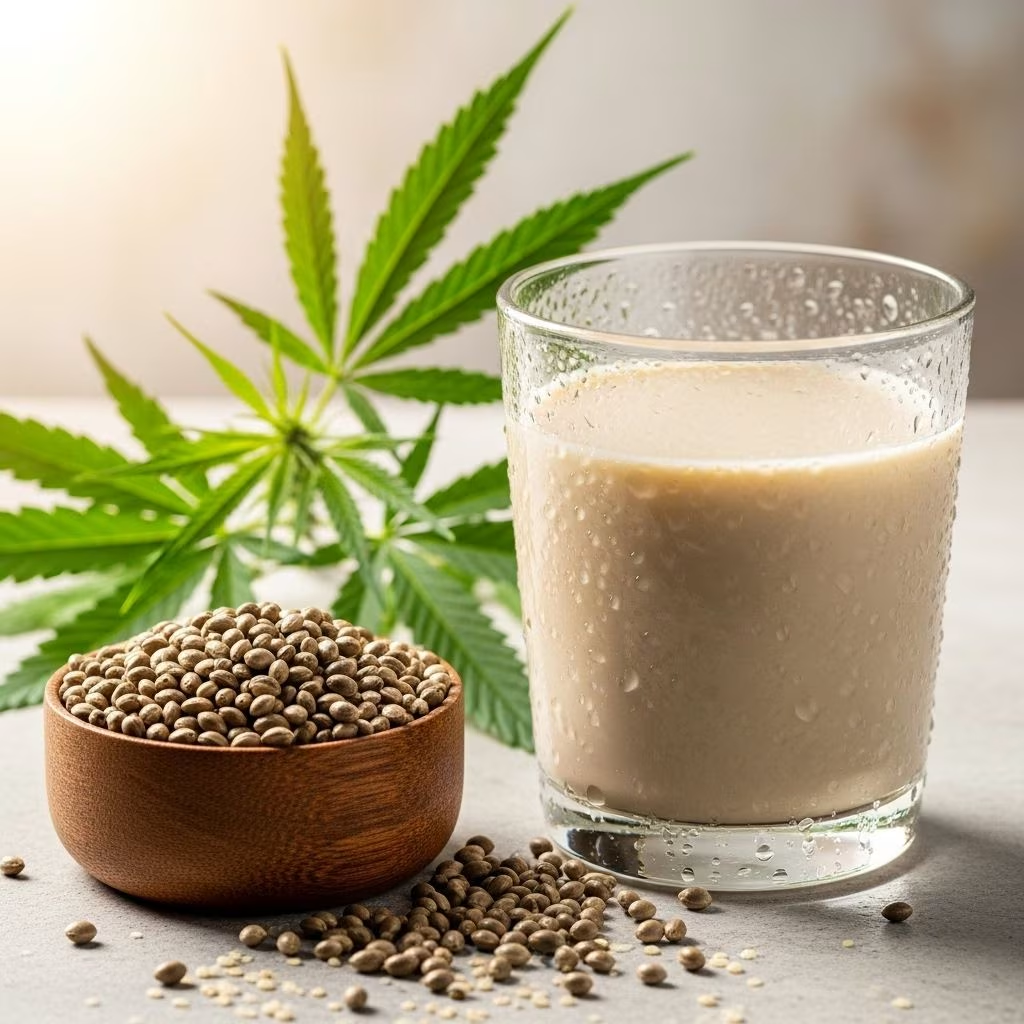
Hemp milk is rapidly gaining popularity as a nutritious, sustainable, and allergy-friendly plant-based milk alternative. But what exactly is hemp milk, how is it made, and how does it compare with other non-dairy options? This comprehensive guide will answer these questions, covering its nutritional benefits, culinary uses, taste profile, production processes, sustainability features, and more.
Introduction to Hemp Milk
Hemp milk is a non-dairy beverage made by blending the seeds of the hemp plant (Cannabis sativa) with water. Unlike marijuana, the variety of hemp grown for food contains only trace or negligible levels of THC, the psychoactive compound, making hemp milk completely safe and legal for consumption worldwide.
This milk alternative appeals to vegans, vegetarians, individuals with lactose intolerance, and those seeking allergy-friendly, sustainable, and nutritious beverage options. Its creamy texture, mild nutty flavor, and robust nutritional profile set it apart from many other plant-based milks.
How Is Hemp Milk Made?
The production of hemp milk involves a few simple but essential steps, which can be performed on an industrial scale or replicated in home kitchens. Here is a step-by-step outline of the main production process:
- Cleaning and Dehulling: Hemp seeds are cleaned to remove dirt, debris, and unwanted plant matter. The outer shells are removed to yield hemp hearts, the nutrient-rich inner cores.
(Hemp seeds are first cleaned and dehulled to obtain the nutritious kernels.) - Soaking (optional): For homemade versions, soaking hemp seeds in water for several hours can help soften them, aiding in blending and nutrient extraction.
- Blending: Soaked or raw hemp hearts are blended with water, typically in a ratio of 1:3 or 1:4 (hemp seeds to water) for a smooth, milk-like liquid.
- Straining: The resulting mixture is often strained using cheesecloth or a nut milk bag to remove seed pulp and produce a smoother consistency. (Straining is optional for home recipes depending on preference.)
- Flavoring and Fortification: Commercial varieties may add sweeteners, vanilla, chocolate, or stabilizers, and are often fortified with calcium, vitamin D, and B12.
- Pastoreurization: Store-bought hemp milk is pasteurized for safety and shelf stability.
This straightforward process allows hemp milk to retain much of the original seed’s nutritional benefits while offering versatility for at-home experiments with flavors and textures.
Nutritional Profile of Hemp Milk
Hemp milk is celebrated for its impressive nutritional profile. Unlike dairy milk, it is naturally free from lactose, cholesterol, and common allergens like soy and nuts. The nutrient composition can vary slightly between homemade and store-bought versions and depending on fortification. Here’s a typical breakdown per one cup (240 ml) of unsweetened, unfortified hemp milk:
| Nutrient | Amount (per 240ml) |
|---|---|
| Calories | 60–80 kcal |
| Protein | 3–5 g |
| Fat | 4–7 g |
| Omega-3 Fatty Acids | 0.5–1 g |
| Omega-6 Fatty Acids | 2–3 g |
| Calcium | 20–30 mg (higher if fortified) |
| Iron | 0.8 mg |
| Fiber | 1–2 g |
Key Ingredients: Water, hemp seeds or hemp hearts. Commercial products may include stabilizers, sweeteners, flavorings, and added vitamins.
Health Benefits of Hemp Milk
Hemp milk’s unique nutritional spectrum provides a variety of potential health benefits. These claims are grounded in its composition and supported by research into hemp seeds, healthy fats, and plant-based nutrition generally.
- Rich Source of Plant Protein: Hemp milk is one of the few plant-based milks with 3–5g of complete protein per serving, containing all essential amino acids, supporting muscle health and repair.
- Beneficial Omega Fatty Acids: High in alpha-linolenic acid (omega-3) and linoleic acid (omega-6), promoting cardiovascular health and aiding in brain function.
- Lactose-Free and Hypoallergenic: Suitable for individuals who are lactose intolerant, allergic to nuts, soy, or gluten.
- Supports Immune System: Contains nutrients like zinc, magnesium, iron, and vitamin A contributing to immune defense.
- Heart Health: Low in cholesterol and saturated fat, and may help keep blood vessels healthy due to arginine content.
- Good Digestibility: Easily digested compared to some other plant and animal milks, and has a gentle effect on the gastrointestinal system.
- Bone Health Support: Fortified versions provide added calcium and vitamin D, supporting bone strength and density.
Hemp milk may support skin health due to its balance of healthy fats, and is thought to contribute to anti-inflammatory effects due to its ideal omega-6 to omega-3 ratio.
Taste and Texture: What Does Hemp Milk Taste Like?
Hemp milk has a distinct, mildly nutty and earthy flavor. The exact taste can vary slightly based on the seed quality, preparation method, and added flavorings:
- Mild Nutty Flavor: Natural hemp milk offers a soft, nutty background note, without the overt sweetness of some other plant-based milks.
- Earthy Undertones: Homemade versions can sometimes have an earthy, grassy hint, particularly if made from unhulled seeds.
- Creamy Texture: Its texture is often described as creamy and smooth, similar to whole milk, and generally richer than rice or almond milk.
- Versatile Customization: The taste can be easily modified by adding vanilla, cocoa, sweeteners, or salt for savory dishes.
Some find homemade hemp milk has a slightly thicker or granular mouthfeel due to pulp, but straining can reduce this for a silkier result.
Culinary Uses of Hemp Milk
Hemp milk’s neutral, creamy qualities and allergy-friendly nature make it an excellent substitute for dairy and other plant-based milks in virtually any recipe:
- Coffee, Tea, and Lattes: Its creaminess pairs well with hot drinks and foams readily.
- Breakfast Cereals and Oatmeal: Pour over cereals, muesli, oats, or granola for a nutritious start to the day.
- Smoothies and Shakes: Its protein and healthy fat content make it ideal for shakes and smoothies.
- Baked Goods: Substitute for dairy milk in cakes, muffins, pancakes, and more.
- Soups and Sauces: Adds creaminess to both sweet and savory recipes without overwhelming other flavors.
- Desserts: Use in pudding, ice cream, and custards for a dairy-free creamy base.
Flavored versions such as vanilla, chocolate, or unsweetened hemp milk expand its potential for diverse culinary uses.
How to Make Hemp Milk at Home
Homemade hemp milk is simple, cost-effective, and allows for full customization of taste and texture. Here’s a classic DIY recipe:
- 1/2 cup hulled hemp seeds
- 3–4 cups filtered water
- Optional: 1–2 tsp maple syrup or honey (for sweetness), 1/2 tsp vanilla extract, pinch of sea salt
Instructions:
- Blend hemp seeds and water on high for 1 minute until smooth and frothy.
- Taste and add sweetener or vanilla if desired; blend again briefly.
- For extra smooth milk, strain through a nut milk bag or fine cheesecloth.
- Store in the refrigerator for up to 4–5 days. Shake well before using.
Experiment with flavors: chocolate (add cocoa powder), spiced (cinnamon, nutmeg), or savory (salt, pepper) for soups or sauces.
Hemp Milk vs. Other Plant-Based Milks
| Milk Type | Protein | Fat/Omegas | Common Allergens | Taste | Creaminess |
|---|---|---|---|---|---|
| Hemp Milk | 3–5g | 4–7g / Omegas 3&6 | None | Nutty, earthy | High |
| Almond Milk | 1g | 2–3g | Nuts | Mildly nutty, slightly sweet | Medium |
| Soy Milk | 7g | 3–4g | Soy | Bean-like, neutral | High |
| Oat Milk | 2–3g | 2–5g | Gluten (for some brands) | Mildly sweet, grainy | Very High |
| Coconut Milk | 0g | 5g (mostly saturated) | None | Coconut, sweet | Very High |
Hemp milk stands out for its protein quality, omega fatty acid concentration, and compatibility with a wide range of dietary needs.
Environmental Impact and Sustainability
Hemp is considered one of the most sustainable crops for plant-based food production:
- Low Environmental Impact: Requires little water, grows rapidly, improves soil health, and is naturally pest-resistant.
- No Pesticides Needed: Hemp can typically be cultivated without heavy pesticide or herbicide use.
- Renewable and Multi-Purpose: Every part of the plant (fiber, seeds, oil) is useful for textiles, food, and construction.
- Supports Crop Rotation: Enhances agricultural diversity and improves future yields in rotational farming.
By choosing hemp milk, consumers contribute to environmentally friendly agriculture and support alternatives to resource-intensive dairy production.
Allergies and Dietary Considerations
- Allergy-Friendly: Ideal for those allergic to dairy, nuts, soy, or gluten.
- THC Content: Contains only trace, non-intoxicating amounts of THC; entirely safe for all ages.
- Low FODMAP: May be suitable for some individuals with IBS or sensitive digestion, especially if homemade and unsweetened.
- Fortification: Store-bought hemp milk is often fortified for calcium, vitamin D, and B12 to match dairy nutritional value.
Always read ingredient labels for sweeteners, thickeners (like carrageenan or guar gum), and flavors if you have sensitivities.
Frequently Asked Questions (FAQs)
Is hemp milk safe for children?
Yes, hemp milk is safe for children and contains no psychoactive properties. For young children and infants, consult with a pediatrician about meeting nutritional needs with fortified versions.
Can you froth hemp milk for coffee?
Hemp milk’s creamy texture makes it suitable for steaming and frothing, making it a great choice for lattes and cappuccinos.
How long does homemade hemp milk last?
Homemade hemp milk typically lasts 4–5 days in the refrigerator. Shake before use as separation is natural.
Does hemp milk taste like cannabis?
No, hemp milk does not taste like marijuana or cannabis—it has a mild nutty flavor, entirely distinct from the plant’s flowers or leaves.
Is hemp milk suitable for baking and cooking?
Absolutely. Hemp milk withstands heat and can replace dairy or other plant-based milks in both sweet and savory recipes.
Does hemp milk contain gluten?
No, hemp milk is naturally gluten-free (always check for cross-contamination in processing plants if you are highly sensitive).
Conclusion
Hemp milk is a nutritious, versatile, sustainable, and allergy-friendly plant-based milk suitable for a variety of culinary applications. With its excellent protein content, healthy fats, creamy texture, and nutty-earthy taste, it is a stand-out option among dairy alternatives. Easily made at home or purchased in fortified varieties, hemp milk’s benefits extend beyond personal health to supporting environmentally responsible agriculture. Whether you are vegan, lactose intolerant, managing allergies, or simply exploring new flavors, hemp milk is worth a try in your daily routine.
References
- https://milkdepot.com/blogs/hemp-milk/hemp-milk-made-from-ingredients-and-process
- https://milkdepot.com/blogs/hemp-milk/how-hemp-milk-is-produced-from-seed-to-shelf
- https://patents.google.com/patent/CA2505350C/en
- https://downshiftology.com/recipes/hemp-milk/
- https://ecommons.cornell.edu/bitstream/handle/1813/111047/BrianaMarie_NaylorProject.pdf?sequence=1
- https://minimalistbaker.com/make-hemp-milk/
- https://thehempdoctor.com/blog/what-is-hemp-milk/


